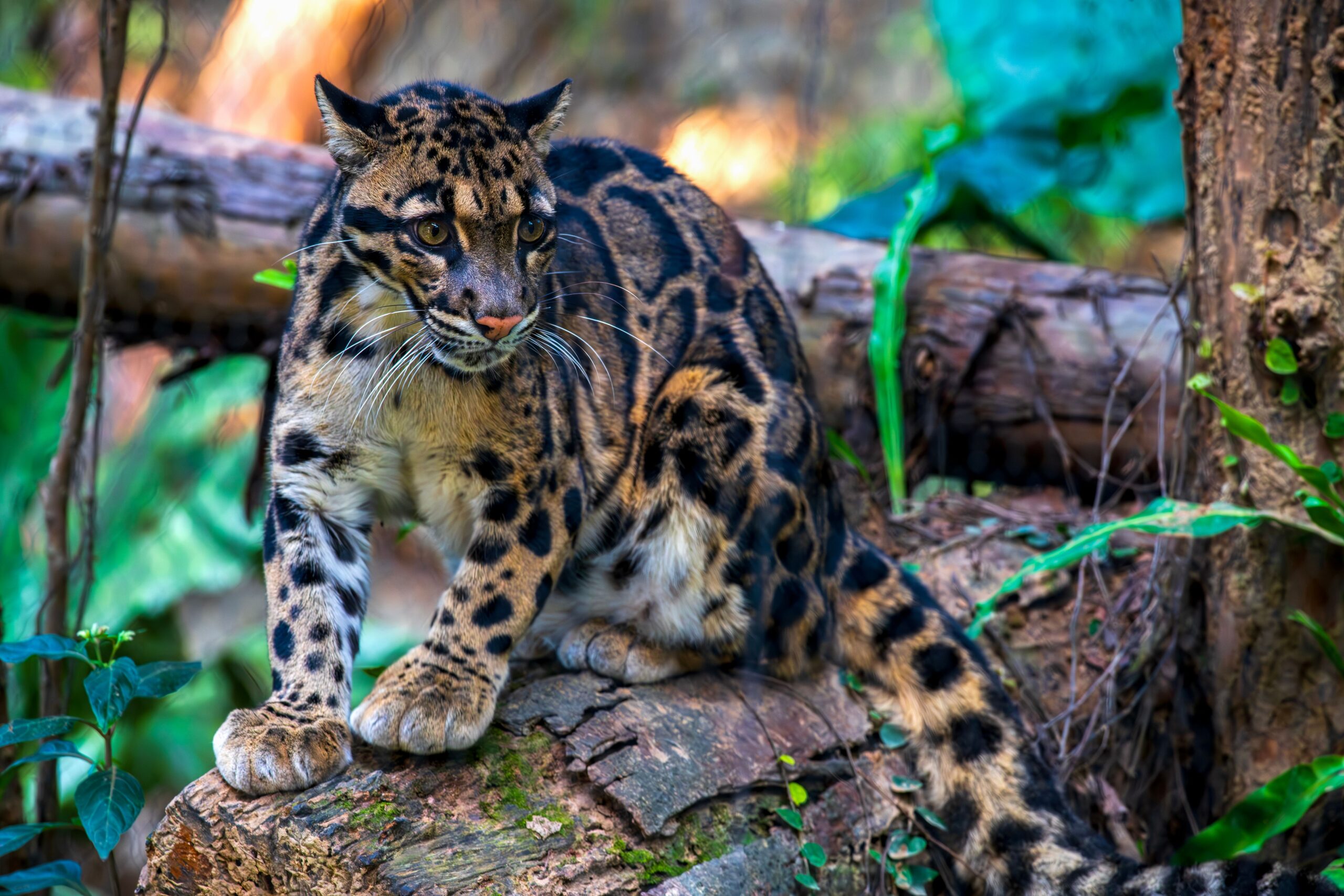
ウンピョウはどんな動物?特徴、生態、生息地について解説します。ヒョウのなかまのなかでもアジアの地域に住んでいる動物で、一部ではすでに絶滅してしまった種族もいます。この種はすでに絶滅危惧種に指定されている動物なので、早急な保護を必要としている状態です。


ウンピョウとは? 基本ステータスについて
ウンピョウはネコ科ウンピョウ属に分類される食肉類。学名はNeofelis nebulosa、漢字では雲豹。体長は62-107cm、体重は16-23kg。情報の一覧は以下の通り。
| Japanese(和名) | ウンピョウ |
| English(英名) | Clouded leopard |
| scientific name(学名) | Neofelis nebulosa |
| classification(分類) | Mammalia、Carnivora、 Felidae、Neofelis 哺乳綱、ネコ目、ネコ科、ウンピョウ属 |
| IUCN Status(保全状況) | VULNERABLE |
| Length(体長) | 62-107cm |
| Weight(体重) | 16-23kg |
ウンピョウのルーツ、起源は?
ウンピョウ(雲豹、英名:Clouded leopard / 学名:Neofelis nebulosa)は、現存するネコ科動物の中でも特に古い進化的ルーツを持つ「原始的な大型ネコ類の系統」に近い存在です。
1. 起源:東南アジアの森林で進化した古いネコ科
ウンピョウの祖先は、ネコ科(Felidae)が進化した後の**中新世〜更新世(約600万〜200万年前頃)**に分岐した系統と考えられています。
進化の流れを簡単にすると:
原始的なネコ科祖先
        │
        ├── 小型ネコ類(イエネコなど)
        │
        └── ヒョウ亜科(Pantherinae)
                │
                ├── トラ・ライオン・ヒョウなど(Panthera属)
                │
                └── ウンピョウ属(Neofelis)
つまりウンピョウは、
トラ・ライオン・ヒョウの仲間に近いが、独自の進化を遂げた古い枝
になります。
2. 「生きた化石」と呼ばれる理由
ウンピョウが注目される理由は、その姿が古代の大型ネコ類の特徴を残しているためです。
特徴:
- 体長:約60〜110cm
- 体重:約15〜25kg
- 非常に長い犬歯
- 木登り能力が極めて高い
- 長い尾でバランスを取る
- 森林生活に特化
特に犬歯はネコ科でもトップクラスの長さで、体格に対して非常に大きいです。
そのため一部では「サーベルタイガーに似ている」と言われますが、実際にはサーベルタイガーの直接の子孫ではありません。似た特徴が別々に進化した収斂進化です。
3. どこから来たのか?
現在のウンピョウの祖先は、
アジア南部〜東南アジアの熱帯森林
で進化したと考えられています。
分布:
- インド北東部
- ネパール周辺
- 中国南部
- ミャンマー
- タイ
- マレー半島
- ボルネオ島
- スマトラ島
などです。
4. 現在のウンピョウは2系統に分かれる
昔は1種類と思われていましたが、現在は大きく2種に分けられています。
① 大陸ウンピョウ
Neofelis nebulosa
生息:
- 中国南部
- インド東部
- インドシナ
② スンダウンピョウ
Neofelis diardi
生息:
- ボルネオ島
- スマトラ島
この2系統は約140万年以上前に分かれたと推定されています。
分類について
ウンピョウはネコ属とヒョウ属の中間にあたると言われています。
雲豹(ウンピョウ)の分類学
- 界 (Kingdom): 動物界 (Animalia)
- 門 (Phylum): 脊索動物門 (Chordata)
- 綱 (Class): 哺乳綱 (Mammalia)
- 目 (Order): 食肉目 (Carnivora)
- 科 (Family): ネコ科 (Felidae)
- 属 (Genus): ネコ属 (Neofelis)
- 種 (Species):
- Neofelis nebulosa(雲豹、アジア雲豹)
- Neofelis diardi(スマトラ雲豹やボルネオ雲豹など、近年別種として扱われることもある)
生息地について
ウンピョウはインド、中国、ベトナム、タイ、ネパール、マレーシアなどかなり広く分布しています。スマトラ島、ボルネオ島など東南アジアでは地上で行動する種がたくさん見れます。
地理的分布
- 主に 東南アジアに分布しています。
- 国別では以下の地域が知られています:
- インド北東部(アッサム、シッキムなど)
- 中国南部(雲南省、広西チワン族自治区など)
- ミャンマー
- タイ、ラオス、カンボジア、ベトナム
- マレー半島(タイ南部〜マレーシア半島)
- インドネシア(スマトラ島、ボルネオ島の一部)
生息環境
- 主に 熱帯・亜熱帯の密林や山地の森林
- 標高は 低地から標高3000m程度までの森林に生息する例があります
- 特徴:
- 木登りが得意で、樹上で生活することが多い
- 地上よりも 樹上での狩猟や移動が中心
行動パターンと生息地の関係
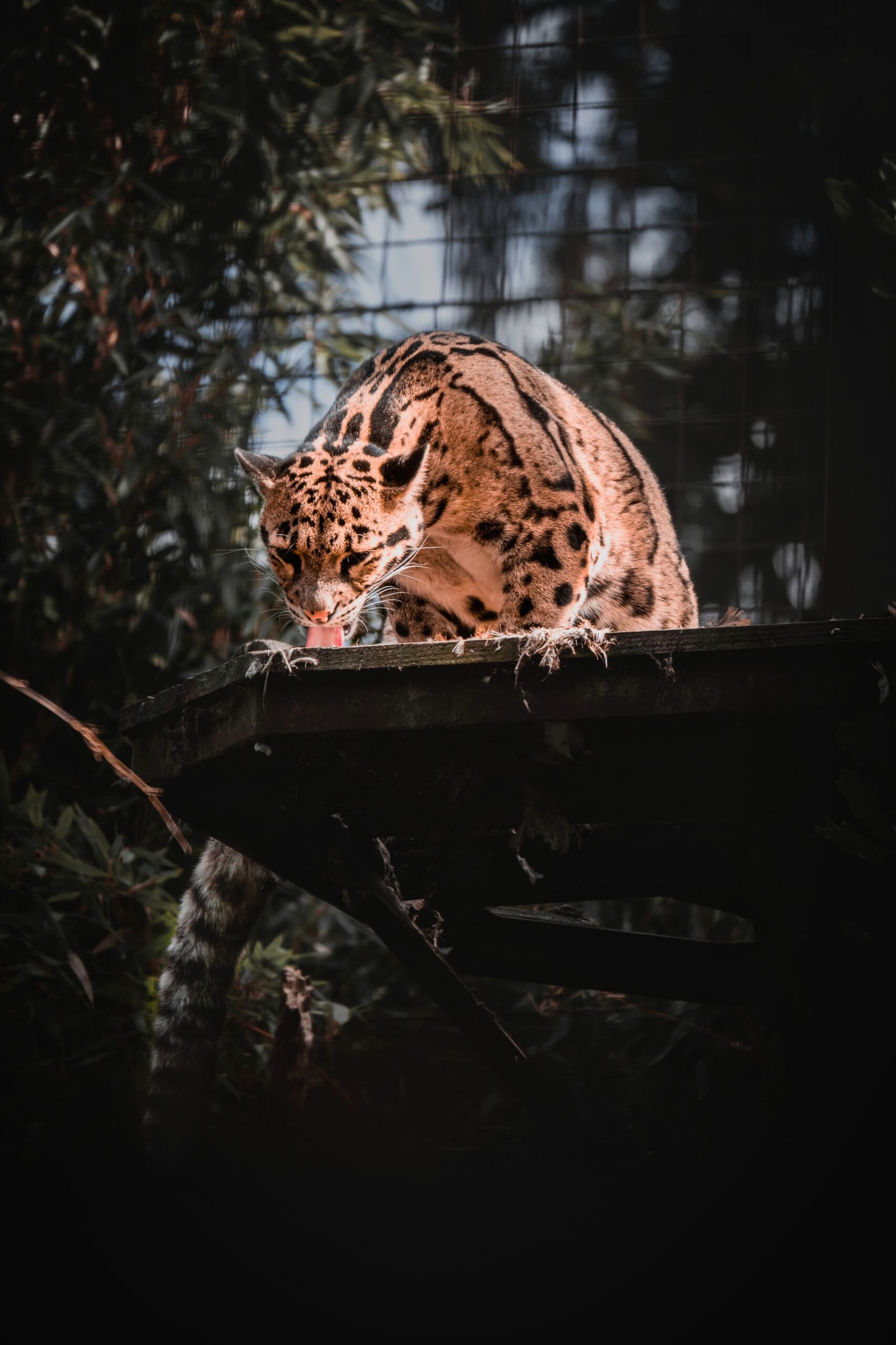
- 夜行性で、昼間は樹上で休むことが多い
- 標高の高い山林や険しい地形を好むため、密猟や森林破壊から身を守れる
- 水源や獲物(小型哺乳類や鳥類)が豊富な森林を選ぶ
特徴は?どんな感じの生物なのか?
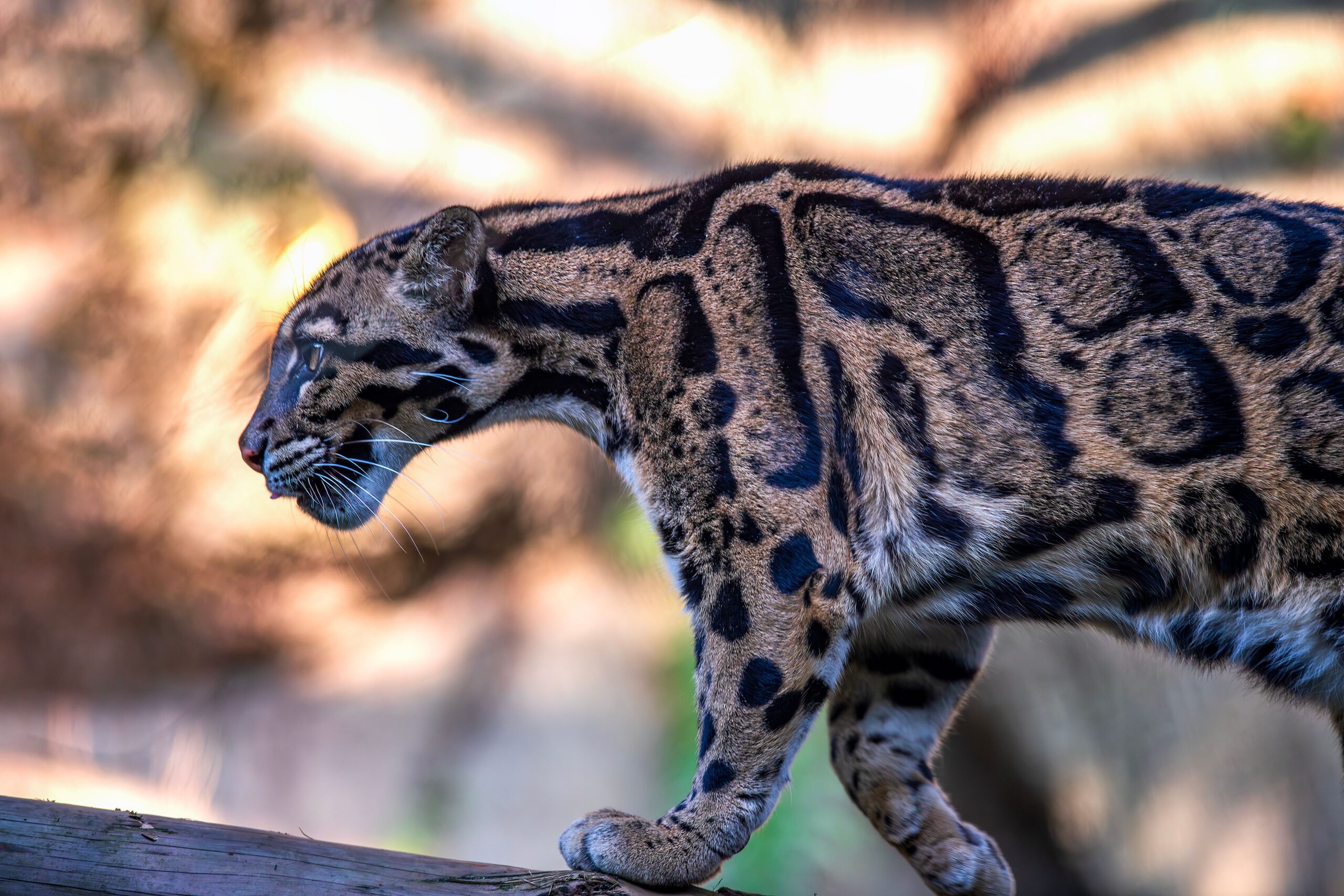
ウンピョウは頭部は大型で細長い。毛は暗灰色や黄褐色で濃色の斑紋と黒い斑点や縞が入っております。耳介の後方は黒い体毛で被われ、白い斑点が入る。耳介は丸みを帯びて鼻面は幅広くなっています。ウンピョウは森林地帯に生息していることが多いですが草地、マングローブの生える湿地でも見れます。単独で生活していて、木の上で住むこともあります。
1. 体の特徴
- 大きさ:
- 体長:約 70〜110 cm
- 尾の長さ:60〜90 cm(体長とほぼ同じくらいでバランス重視)
- 体重:11〜23 kg(中型ネコ科程度)
- 毛色・模様:
- 背中や体側は 淡い黄色~オレンジがかった茶色
- 体全体に 雲状の黒い斑点や斑紋 がある
- 尾は長くてふさふさ、先端まで斑紋があり、木登りやバランスに役立つ
- 顔の特徴:
- 顔はネコ科らしい丸顔で、耳は小さめ
- 目は大きく夜行性に適応
2. 行動・生活習性
- 活動時間:夜行性(夜に狩猟)
- 食性:肉食性(小型哺乳類・鳥類・トカゲなど)
- 生息スタイル:
- 樹上生活が得意(木登り能力はネコ科トップクラス)
- 木の上で休んだり、獲物を捕まえたりする
- 縄張り:単独行動が多く、広い縄張りを持つ
3. 特徴的な能力
- 樹上移動:長い尾でバランスをとり、枝渡りが得意
- ジャンプ力:樹間を飛び移ることもできる
- ステルス能力:密林に溶け込む模様で、獲物や捕食者から隠れる
性格はどんな感じなのか?
ウンピョウは肉食獣ではありますが、非常に臆病な性格の動物です。より強力な肉食獣が暮らしており、ウンピョウは実はおびえながら生活をしている実態があります。そのためとても慎重な動物でもあります。
1. 警戒心が非常に強い
- 人間や大きな動物に非常に敏感
- 普段は密林の奥深くに潜み、ほとんど姿を見せません
- 物音や匂いにすぐ気づくため、野生では「幻のネコ」とも呼ばれます
2. 単独行動を好む
- 基本的に 単独生活
- 縄張りを持ち、他の個体と接触するのは交尾期だけ
- 森の中で静かに獲物を探し、行動も慎重
3. 夜行性で落ち着きがある
- 昼間は木の上で休むことが多く、夜に狩りを行います
- 動きは 静かで忍耐強い
- 木の枝をそっと渡る様子から、「忍者ネコ」とも言われることがあります
4. 知能と観察力が高い
- 獲物や周囲の環境をよく観察して行動する
- 高い木登り能力と尾のバランス感覚を活かして、効率よく獲物を捕まえる
5. 繊細で警戒心が強い反面、攻撃的ではない
- 危険を感じたら隠れるか、木の上から逃げる
- 攻撃するのは捕食や防衛のときのみ
生態はどうなっているのか?
ウンピョウは動物食で、小型哺乳類、鳥類、シカ、ヘビなどを食べて生活をしています。狩りや木登りが得意で、森林のなかで長い牙を使って獲物を捕らえます。繁殖形態は胎生。妊娠期間は3か月程度あります。1回に1-5頭産むことができます。現在は寿命は15年程度あります。
1. 生活リズム
- 夜行性:主に夜に活動し、昼間は木の上で休む
- 単独生活:繁殖期以外は単独で行動
- 縄張り性:個体ごとに縄張りを持ち、匂いでマーキングする
2. 生息環境
- 樹上生活が中心で、木登り能力が非常に高い
- 密林や亜熱帯・熱帯雨林、山林に生息
- 標高:低地〜約3,000mまでの森林で確認
3. 食性
- 完全な 肉食性
- 主な獲物:
- 小型哺乳類(リス、ネズミなど)
- 小型サルや鳥
- 爬虫類(トカゲなど)
- 狩りの方法:
- 木の上や地上で忍び寄り、素早く捕まえる
- 高いジャンプ力と尾のバランスを活かして木間を移動して捕獲
4. 繁殖・子育て
- 繁殖期:地域や気候によって異なるが、特定の季節に集中
- 妊娠期間:約 90〜100日
- 出産数:通常 1〜3頭
- 子育て:
- 母親が木の上や隠れた場所で子を育てる
- 独立するまで母親に依存する(数か月〜1年程度)
5. 移動・生活範囲
- 樹上・地上両方を移動
- 縄張りは広く、食べ物の確保や隠れる場所の確保が必要
- ほとんど人目に触れず、密林の「隠れ家生活」をしている
天敵はいるのか?
ウンピョウはトラなどが天敵に当たります。しかしそれ以上に人間が脅威になっています。
鳴き声について
ウンピョウの鳴き声は、一般的な「ネコ」とはかなり違い、大型ネコ科と小型ネコ科の中間のような独特な声を持っています。
1. 「ミャーオ」「ニャー」という声(ミャウ)
ウンピョウはイエネコのような声を出すことがあります。
用途:
- 仲間との接触
- 母子間のコミュニケーション
- 相手への呼びかけ
ただし声質はイエネコより低く、野性的です。
2. 低いうなり声(グルルル…)
威嚇時や警戒時に出します。
特徴:
- 低い周波数
- 胸に響くような音
- 相手を遠ざける目的
縄張り争いや危険を感じた時に使われます。
3. 「モー」という独特の声(ウンピョウ特有)
ウンピョウで特に有名なのが、
牛のような低い「モー」「ウォー」という鳴き声
です。
これは大型ネコ科の咆哮(ロア)に近いですが、ライオンやトラのような本格的な咆哮とは違います。
4. ホイッスル(口笛のような声)
ウンピョウは鳥のような、
「ピューッ」「フィーッ」
という高い呼び声を出すことがあります。
遠くにいる個体との連絡に使われます。
季節別の活動
ウンピョウの活動は、日本の四季のような明確な季節変化よりも、熱帯・亜熱帯の「雨季と乾季」の影響を強く受けます。生息地域がインド北東部、中国南部、東南アジア、ボルネオ島などに広がるため、地域によって違いがあります。
春(乾季後半〜雨季入り)
活動傾向
- 夜間活動が中心
- 樹上で過ごす時間が増える
- 獲物を探す範囲が広がる
行動
- 小型哺乳類(リス、サル類、げっ歯類など)を狙う
- 鳥類や爬虫類も捕食
- 縄張りの確認を行う
雨が増え始める時期は森林の植物量が増え、獲物も活発になるため、狩りの機会が増えます。
夏(雨季)
活動傾向
- 森林内での活動が増える
- 樹上移動が多くなる
- 単独行動が基本
雨季の熱帯林では、
- 枝葉が密集する
- 視界が悪くなる
- 獲物が隠れやすい
ため、ウンピョウの「待ち伏せ型の狩り」が有利になります。
特に優れた能力:
- 木を頭から降りる
- 細い枝を歩く
- 長い尾で姿勢制御する
といった樹上能力を最大限使います。
秋(雨季終了〜乾季開始)
活動傾向
- 狩猟活動が活発になる時期
- 縄張り行動が増える
乾季に向けて獲物の分布が変化するため、
- 水場周辺
- 森林の境界
- 動物の通り道
を利用することが増えます。
また繁殖期との関係で、地域によってはオスの移動やメスへの接近が増えることがあります。
冬(乾季)
※熱帯地域では「寒い冬」ではなく、乾燥する時期です。
活動傾向
- 夜明け前・夜間の活動が中心
- 日中は木の上で休むことが多い
乾季には:
- 水源付近に動物が集まる
- 獲物の行動パターンが読みやすくなる
ため、狩りの効率が上がる場合があります。
1日の活動リズム
ウンピョウは基本的に薄明薄暮性〜夜行性です。
| 時間帯 | 行動 |
|---|---|
| 昼 | 木の上で休む |
| 夕方 | 活動開始 |
| 夜 | 狩猟・移動 |
| 明け方 | 最後の狩り |
| 昼前 | 休息場所へ戻る |
歩行速度について
ウンピョウの歩行速度については、チーターのような「最高速度型」のネコ科ではないため、正確な最高速度の研究データは限られています。ただし、体の構造や行動から、おおよその能力は推測できます。
通常の歩行速度
ウンピョウの通常移動は、
時速2〜4km程度
と考えられます。
これは人間のゆっくりした歩行(約3〜4km/h)に近い速度です。
理由:
- 獲物に気づかれないよう静かに移動する
- 森林内では高速移動より隠密性が重要
- 木の枝や斜面を慎重に移動する必要がある
走る速度
ウンピョウは短距離ならかなり速く走れますが、チーターのような高速追跡型ではありません。
推定:
時速40〜50km程度(短距離)
と言われます。
比較:
| 動物 | 最高速度の目安 |
|---|---|
| チーター | 約100km/h以上 |
| トラ | 約50〜60km/h |
| ヒョウ | 約50〜60km/h |
| ウンピョウ | 約40〜50km/h程度 |
ウンピョウは「追いかけて捕まえる」より、待ち伏せして一気に襲うタイプです。
ウンピョウの幼獣について
では雲豹(ウンピョウ)の 幼獣(子ども)について 詳しく整理します。
1. 出生と体の大きさ
- 出産数:通常 1〜3頭
- 体重:出生時は約 400〜500 g 程度
- 体毛:
- 生まれた直後は淡い灰色〜クリーム色
- 斑点は薄く、徐々に大人のような雲模様が出てくる
2. 成長
- 目が開く:生後 約10日〜2週間
- 乳離れ:生後 約2〜3か月 で母乳から固形物へ移行
- 自立:生後 6か月〜1年 で木登りや狩りの練習を開始
- 大人に近い姿になる:生後 1年程度 でほぼ成獣に近い外見
3. 行動
- 生まれてすぐは母親のもとで 樹上や隠れた場所で過ごす
- 母親の狩りを観察して 狩猟技術を学ぶ
- 最初は木の枝渡りやジャンプがぎこちないが、成長とともに非常に器用になる
4. 性格・習性
- 幼獣は 好奇心旺盛で遊び好き
- しかし警戒心も強く、危険を察知するとすぐに隠れる
- 母親から離れるまでは 非常に依存的
5. 注意点(野生での幼獣の危険)
- 捕食者(大型ネコ科や猛禽類など)に狙われやすい
- 森林破壊や密猟での生存率は低い
- 幼獣の保護には母親の安全と生息環境の確保が不可欠
ウンピョウは絶滅危惧種なのか?
ウンピョウは残念ながら絶滅危惧種に指定されている動物です。生息地の破壊が最も大きな脅威ですが、ウンピョウは毛皮に需要があり、乱獲などにより生息数は減少しています。そしてすでに台湾では絶滅が確認されています。ワシントン条約附属書Iでも掲載されており、国際取引が厳しく制限されています。熱帯雨林などで密猟が多くレッドリストに掲載されています。
1. 保全状況(絶滅危惧種の分類)
- IUCNレッドリスト(国際自然保護連合):
- Neofelis nebulosa(アジア雲豹) → Vulnerable(VU)=絶滅危惧II類に相当)
- つまり「近い将来、野生での絶滅リスクが高い」と評価されている
- 地域差:
- 生息地によっては個体数が非常に少なく、局地的にはさらに危険
2. 絶滅の危機の原因
- 森林破壊
- 農地開発や違法伐採で生息地が減少
- 樹上生活に依存しているため、森林の消失は致命的
- 密猟・違法取引
- 毛皮や伝統医療用の部位として狙われる
- 幼獣や母親が狙われると個体群に大きな影響
- 獲物の減少
- 小型哺乳類や鳥類の減少で食物が不足
- 人間との接触
- 生息地の近くで人間活動が増えるとストレスや衝突が増える
3. 保護活動
- 国際自然保護連合(IUCN)や各国の野生動物保護団体が保護活動中
- 保護方法:
- 生息地の森林保護
- 密猟監視や違法取引の取り締まり
- 野生個体の調査や個体数モニタリング
ウンピョウはペットとして飼育できる?
ウンピョウはペットとして飼育することは極めて厳しいです。動物園で鑑賞することをおすすめします。
1. 法律面
- 雲豹は 絶滅危惧種(IUCN: Vulnerable) であり、国際的にワシントン条約(CITES)で 付属書IまたはIIに指定 されていることが多い
- これは 商業目的の取引や飼育が厳しく制限されている ことを意味する
- 日本を含む多くの国では、個人での飼育は 違法 または特別許可が必要
2. 性格・生態面
- 野生の性格は 警戒心が強く単独行動が中心
- 夜行性で木登り中心の生活をするため、家庭環境ではストレスが非常に大きい
- 攻撃性がないとはいえ、成獣になると力も強く、危険が伴う
3. 飼育の難しさ
- 大型ケージや広大な森林環境が必要
- 食性が完全な肉食で、野生の獲物に近い環境が必要
- 繁殖や子育ても特殊で、野生に近い環境でしか成功が難しい
飼育されている動物園(日本・世界)
ウンピョウ(Neofelis nebulosa)は、飼育が難しい希少なネコ科動物で、世界でも展示している動物園は多くありません。樹上生活に特化した体を持つため、一般的な大型ネコよりも飼育施設に特殊な設計が必要です。世界では数十施設で飼育例があります。
🇯🇵 日本で飼育されている動物園
多摩動物公園
日本でウンピョウを見ることができる代表的な施設です。
特徴:
- アジアの森林動物を展示
- 樹上性を活かした展示環境
- ネコ科動物の繁殖研究にも取り組む
多摩動物公園は開園時間や展示状況が変わることがあるため、訪問前に最新情報の確認がおすすめです。
※日本国内ではウンピョウを常時見られる動物園は非常に限られています。
🌏 世界の主な飼育施設
🇺🇸 アメリカ
Smithsonian’s National Zoo
ウンピョウの保全・繁殖で有名な施設の一つです。
特徴:
- 繁殖プログラムに参加
- 飼育技術の研究
- 樹上行動を観察できる展示
同園では複数個体の飼育や繁殖研究が行われています。
Nashville Zoo
ウンピョウの繁殖実績が多い動物園として知られています。
特徴:
- 国際的な保全協力
- 飼育下繁殖への貢献
- 若い個体の育成例がある
🇸🇬 シンガポール
Night Safari
熱帯夜行性動物の展示で知られる施設で、ウンピョウの飼育例があります。
🇩🇪 ドイツ
ドイツではウンピョウの飼育例が比較的多く、
- Tierpark Berlin
- Zoo Duisburg
などで記録されています。
🇳🇱 オランダ
- Ouwehands Dierenpark
などでも飼育例があります。

他の動物を紹介

コメント