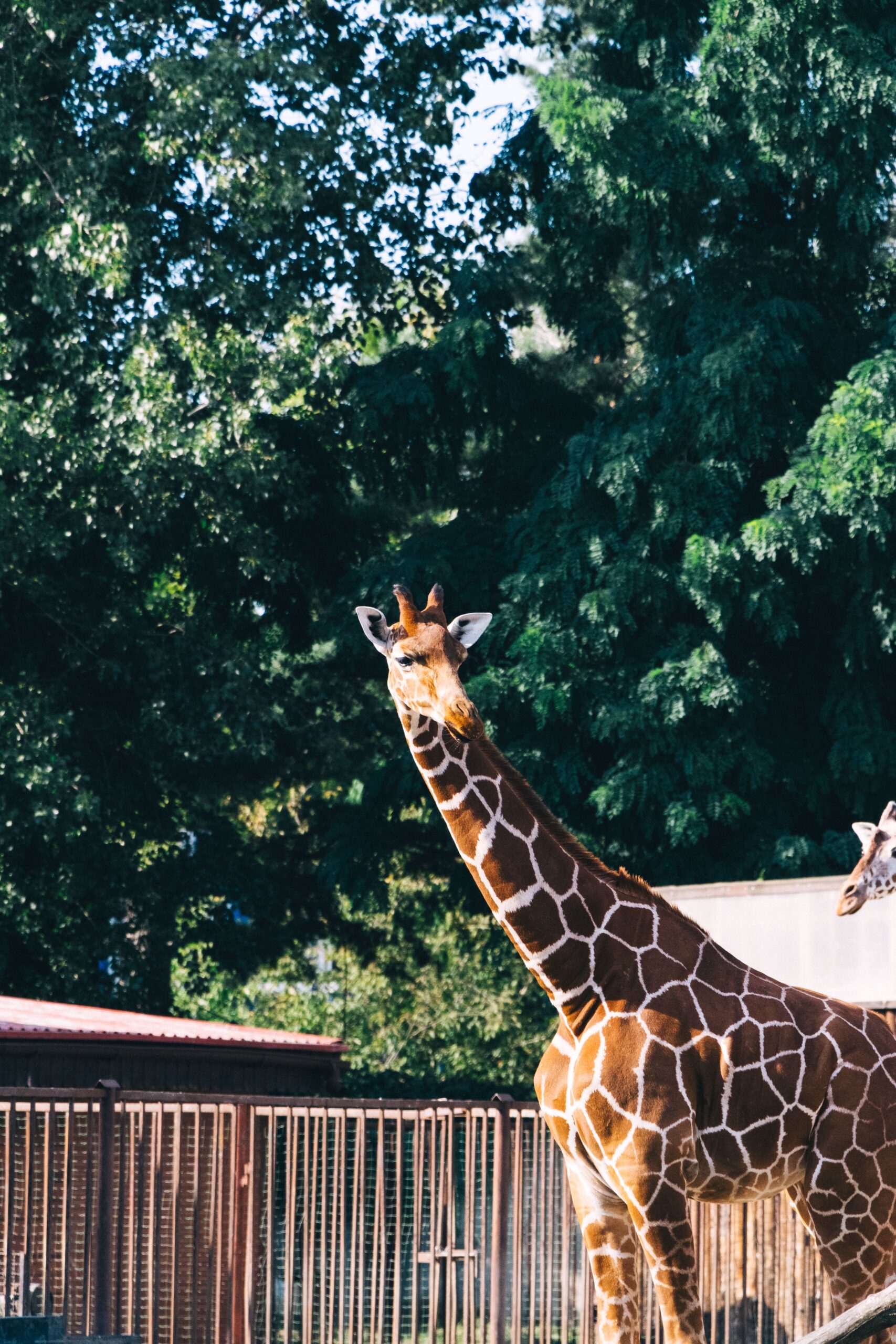
キリンはどんな動物? 特徴、生態、生息地について解説します。動物の中でも有名で絶対に知っているキリンは主にアフリカで生活をしています。しかしいくつかの種族は絶滅の危機にあり、危険な状態にあることも事実ですので紹介していきます。


キリンとは? 基本ステータスについて
キリンは哺乳綱偶蹄目キリン科キリン属に分類される偶蹄類。学名はGiraffa camelopardalis。体長は4.7 – 5.3mで体重は800 – 1,930kgにもなり、とても大きな動物になります。草食動物の中では最も有名でイラストなどに利用されることも多いです。ニュースでもよく登場します。
| Japanese(和名) | キリン(漢字:麒麟) |
| English(英名) | Giraffe |
| scientific name(学名) | Giraffa camelopardalis |
| classification(分類) | Mammalia、 Artiodactyla/Cetartiodactyla、Giraffidae 哺乳綱、偶蹄目、キリン科 |
| IUCN Status(保全状況) | ENDANGERED |
| Length(体長) | 4.7 – 5.3m |
| Weight(体重) | 800 – 1,930kg |
キリンのルーツ、起源は?
キリン(Giraffa camelopardalis)のルーツは、約2,000万年前(中新世)に現れた古い反芻動物(はんすうどうぶつ)の仲間までさかのぼります。
約2,000万年前
キリン科の祖先が登場
- 現在のアフリカやユーラシアに広がった
- 初期のキリン科動物は、現在のキリンほど首は長くなかった
- 体型はシカやレイヨウに近かった
代表的な初期種:
- プロリビテリウム(Prolibytherium)
→ 古いキリン科の仲間で、頭部に大きな角状の突起を持っていた
約1,400万〜700万年前
首の長い系統が進化
環境の変化により、
- 森林 → サバンナ化
- 高い木の葉を利用する個体が有利
- 長い首・長い脚が発達
していきました。
ただし「高い場所の葉を食べるためだけ」ではなく、
- 遠くの敵を早く発見する
- 仲間を見つけやすくする
- オス同士の競争で有利になる
など複数の理由があったと考えられています。
約100万年前以降
現在のキリンに近い形へ
- 長い首
- 長い脚
- 高い血圧を維持する心臓
- 長い舌(約45〜50cm)
など、現在の特徴が完成しました。
キリンの祖先は「首が短かった」
昔は「キリンは首を伸ばして進化した」と考えられていましたが、現在では、
- 首の骨(頸椎)は他の哺乳類と同じ7個
- 1個1個の骨が非常に長くなった
ことが分かっています。
つまり、
❌ 首の骨の数が増えた
⭕ 首の骨1つ1つが巨大化した
という進化です。
分類について
キリンはウシの仲間で、オカピとの共通祖先から、1150万年前に分岐したとされています。キリン科の動物は実は1種ではありません。多数の亜種がいます。以下の亜種が存在します。それぞれ地球でも歴史が長く、それぞれの場所で違いがあります。残念ながら絶滅危惧種に指定されている者がかなり多くあります。
| Name (名前) | Academic Name (学名) |
| Nubian giraffe ヌビアキリン | Giraffa camelopardalis camelopardalis |
| Angolan giraffe アンゴラキリン | Giraffa camelopardalis angolensis |
| Kordofan giraffe コルドファンキリン | Giraffa camelopardalis antiquorum |
| South African giraffe ケープキリン | Giraffa camelopardalis giraffa |
| West African giraffe ナイジェリアキリン | Giraffa camelopardalis peralta |
| Reticulated giraffe アミメキリン | Giraffa reticulata |
| Rothschild’s giraffe ウガンダキリン | Giraffa camelopardalis rothschildi |
| Thornicroft’s giraffe キタローデシアキリン | Giraffa camelopardalis thornicrofti |
| Masai giraffe マサイキリン | Giraffa tippelskirchi |
ヌビアキリンとは?
ヌビアキリンはエチオピア、南スーダンに生息する亜種になります。ヌビアキリンはかつてアフリカ北東部に広く生息していましたがこの亜種は、過去30年間で95%減少したため、絶滅危惧種に指定されています。早急に保護活動を必要とする動物。
アンゴラキリンとは?
アンゴラキリンはナミビアキリンまたはスモーキーキリンとしても知られナミビア、ザンビア、ボツワナ、 ジンバブエ、そしてアンゴラに分布しております。このキリンは比較的生息数は安定しております。
コルドファンキリンとは?
コルドファンキリンとはカメルーン、チャド、中央アフリカ、そしてスーダンで見られるキリンです。野生では約2,300頭の個体が生息しているのですが生息数が激減しており、絶滅危惧種に指定されています。
ケープキリンとは?
ケープキリンは南アフリカ、ナミビア、ボツワナ、ジンバブエ、エスワティニ、モザンビークで見られるキリン。野生の個体数は 31,500 頭で2016年に絶滅危惧種に変更すると発表されました。長期的な保護活動がないと絶滅すると言われています。
ナイジェリアキリンとは?
ナイジェリアキリンはニジェールキリンとも言われています。現在、わずか個体数が400しかないため、緊急の保護が必要です。勿論ですがこのキリンも絶滅危惧種に指定されている状況にあります。
アミメキリンとは?
アミメキリンはソマリアやエチオピアの地域で見られるキリンです。このキリンも絶滅危惧種に指定されているのですが、保護活動が始まっており、世界各地の国立公園や動物園などで厳重に管理されるようになっています。
ウガンダキリンとは?
ウガンダキリンはロスチャイルドキリンとも言われています。キリンの中でも最も絶滅の危機に瀕している個体群の1つであり、2018 年には野生で成熟した個体数が 1399頭しかいないと言われています。
キタローデシアキリンとは?
キタローデシアキリンはルアングワキリンと言われています。ザンビアの南ルアングワ渓谷でのみ生息しているため、生息数自体が少ないです。生息数はわずか550頭と言われており、このキリンも絶滅危惧種に指定されています。
マサイキリンとは?
マサイキリンはキリマンジャロキリンとも呼ばれています。ケニア中南部とタンザニアに生息しており、ギザギザした不規則な葉のような斑点が特徴的です。このキリンはタンザニアの国獣となっていますが絶滅危惧種に指定されています。
キリンの生息地について
キリンはアフリカ大陸の中部でのみ見ることができます。マリ、エリトリア、ギニア、セネガル、ナイジェリア、モーリタニアでは絶滅しております。哺乳類では足も長く、大型で模様があるので陸上ではとても目立ちます。観察も多くされています。
1. 地理的分布
- キリンはアフリカ大陸固有の動物で、主にサハラ以南の地域に生息
- 国や地域ごとの分布例:
- 東アフリカ:ケニア、タンザニア、ウガンダ
- 南部アフリカ:ナミビア、ボツワナ、ジンバブエ
- 西アフリカの一部:ニジェール、チャド(ごく少数)
2. 環境の特徴
- サバンナや乾燥草原、開けた林地を好む
- 高い木(アカシアなど)の葉を食べるため、木が適度にある環境が必要
- 水場の近くにいることも多いが、キリンは長時間水なしで過ごせる
3. 生息条件
- 食べ物の供給:アカシアやその他の高木の葉が豊富にあること
- 広い行動範囲:移動して食べ物や水を探す習性があるため、広大な空間が必要
- 人間活動が少ない場所:密猟や農地開発の影響を避ける
4. 生息状況
- 一部の地域では森林伐採や開発、密猟の影響で個体数が減少
- 国際自然保護連合(IUCN)では、キリン全体は**絶滅危惧(Vulnerable)**に分類されている
- 保護区や国立公園での保護活動が進められている
特徴は?どんな感じの生物なのか?
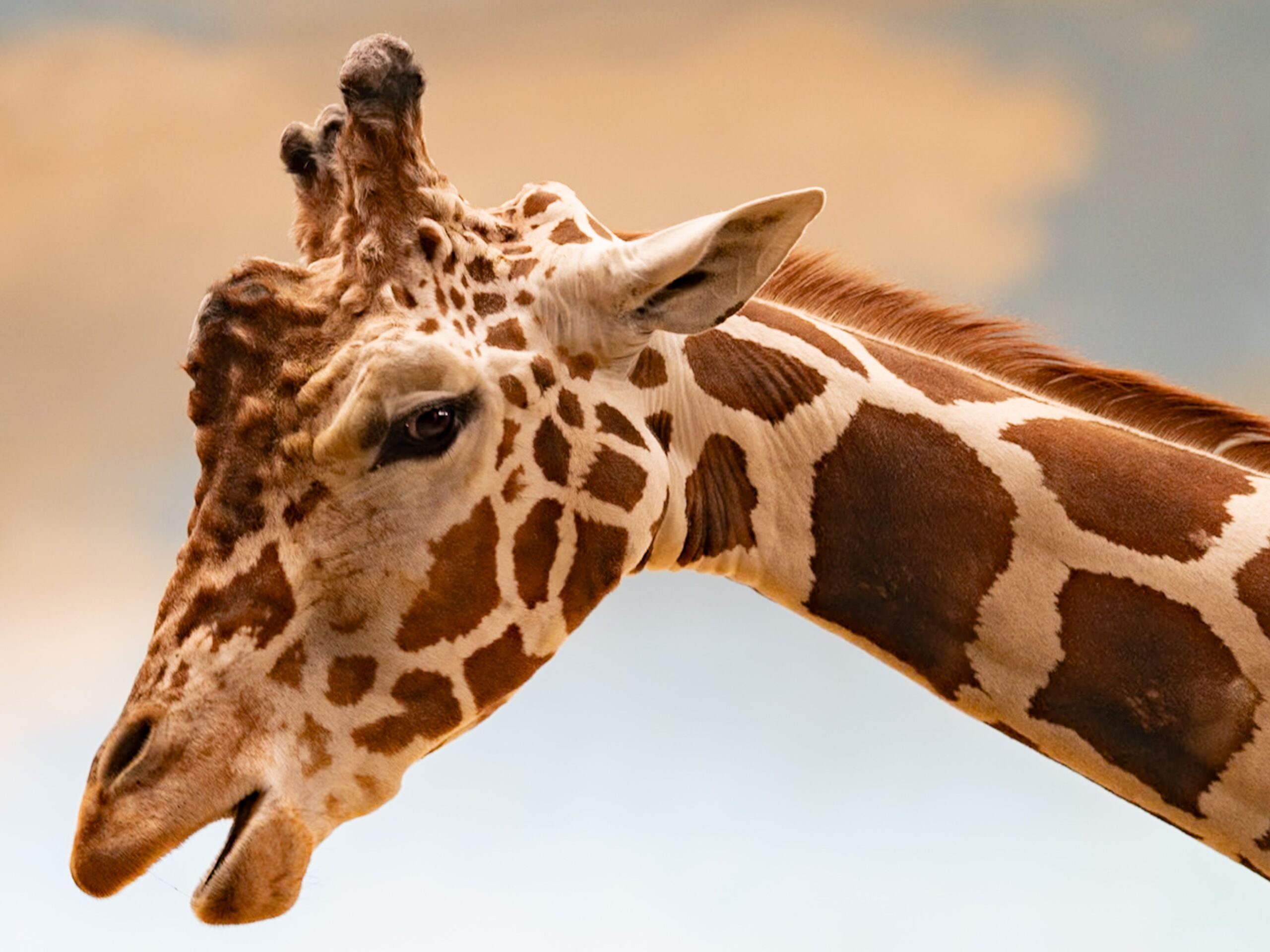
キリンの最大の特徴は首が長いこと。他の動物が届かない高さにある葉を食べることができたり、します。天敵が遠くにいてもいち早く見つけて逃げることができると言うメリットがあります。キリンのオスが首をぶつけ合って闘争する「ネッキング」を同種で起こします。社会性が強く、10 – 20頭程度の群れで生活しています。
1. 体の特徴
- 体の大きさ:体長約4.5〜6m、体高約4〜5.5m、体重約800〜1,200kg(オスは大きめ)
- 首の長さ:首は約2m前後で、頭上の葉を食べるのに適応
- 毛色・模様:茶色〜オレンジの斑点模様(個体や亜種によって模様が異なる)
- 脚:前脚・後脚ともに長く、走るときは時速50km以上も可能
- 角(オシコーン):頭頂に小さな角が2〜5本(皮膚に毛が生えている)
2. 食性
- 草食性:主にアカシアや高木の葉、若枝を食べる
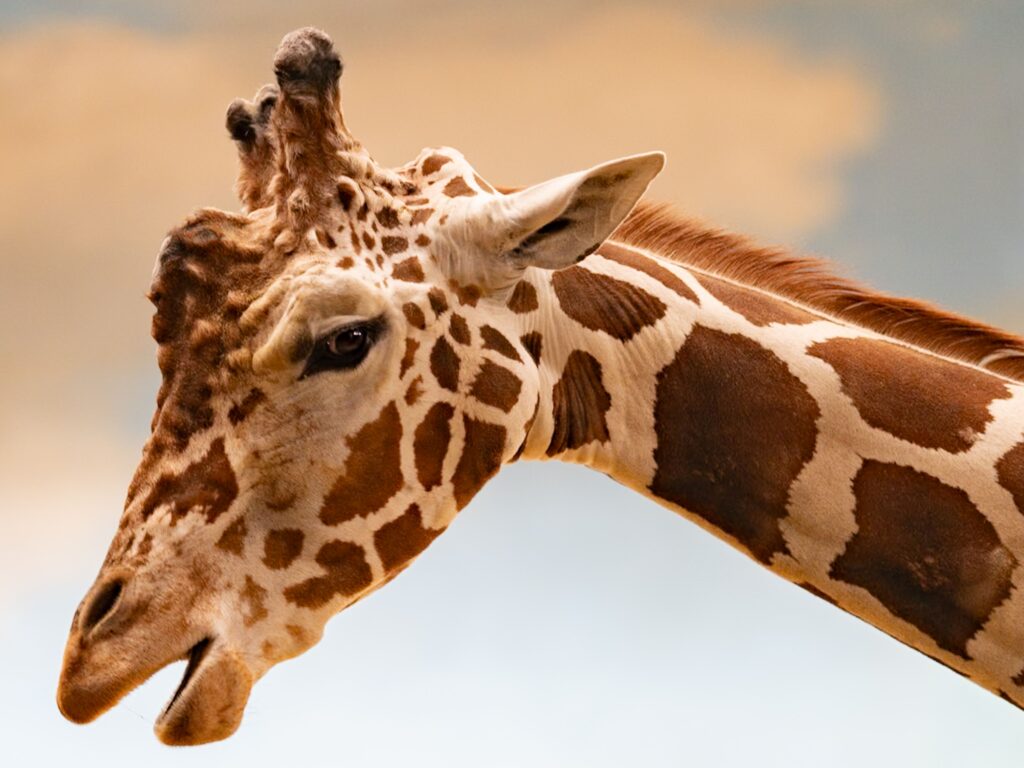
- 食べ方:長い舌(約45cm)を使って葉を器用に摘む
- 水分:ほとんどの水分は葉から摂取可能で、水を飲むことは少ない
3. 行動・生活様式
- 昼行性で、日中に活動して食事や移動を行う
- 移動距離:食べ物や水を求めて広範囲を移動
- 休息:立ったまま休むことが多く、短時間だけ横になる
4. 社会性
- 群れで生活することが多い(10〜20頭規模の群れが一般的)
- オス同士の戦い:首を使って「ネッキング」と呼ばれる首のぶつけ合いで順位争い
- 繁殖期:群れ内で優位なオスがメスと交尾
5. 性格・特徴
- 臆病だが警戒心は高い
- 高い視力と長い首で遠くの敵を早く察知
- のんびりしている印象だが、危険を感じると素早く走る
性格はどんな感じになるのか?
キリンは警戒心が強いです。これはアフリカでは天敵がいるからです。大きな体をしている割にはとても臆病な性格をしています。
1. 基本性格
- 臆病で警戒心が強い
- 視力が優れており、遠くの危険も察知できる
- 人や捕食者に近づかれるとすぐ逃げる
- おとなしく温和
- 群れで生活していて、普段は穏やかで落ち着いている
2. 社会性
- 群れ生活
- 10〜20頭程度の小規模群れで生活
- 群れ内のオスは順位争いをするが、普段は協調的
- オス同士の戦い
- 首を使った「ネッキング」で順位や繁殖権を競う
- 母子関係
- メスは子どもに非常に注意深く、子どもを守る
3. 人間との関係
- 警戒心は高いが攻撃的ではない
- 危険を察知すると逃げることが多い
- ゆっくり近づけば動物園などでは落ち着いて観察可能
キリンの生態は?
野生では、キリンは木の葉や小枝、アカシアを食べ、大きな体を維持するために一日の大半の時間を食事に費やします。通常は直立したまま休息や睡眠を行います。繁殖はオス同士でネッキングを行い優劣を決めてメスを争います。妊娠期間は453 – 464日で授乳期間は10か月。寿命は25年と言われています。
1. 生活環境
- 生息地:アフリカ大陸のサバンナ、乾燥草原、開けた林地
- 樹木の多さ:高木(アカシアなど)が多い場所を好む
- 行動範囲:食べ物や水を求めて広範囲を移動
2. 食性
- 草食性
- 主に高木の葉や枝、果実を食べる
- 長い首と舌(約45cm)で器用に葉を摘む
- 水分摂取
- 葉から水分を摂取できるため、水を飲む頻度は少ない
3. 行動
- 活動時間:昼行性(昼間に活動)
- 休息:立ったまま休むことが多く、短時間だけ横になる
- 移動:食べ物や水を求めて数キロ以上移動することもある
4. 社会性
- 群れ生活
- 10〜20頭程度の群れが一般的
- メスと子ども中心の群れが多く、オスは単独行動や小規模群れ
- 順位争い
- オス同士は首を使った「ネッキング」で戦う
- 繁殖
- 優位なオスがメスと交尾
5. 繁殖・育児
- 妊娠期間:約15か月
- 出産:1頭を出産
- 育児:母親が子どもを守りながら約1年間育てる
6. 防御・感覚
- 視力・聴覚・嗅覚が優れる
- 遠くの捕食者を察知
- 走行能力
- 危険を察知すると時速50km以上で短距離を走る
キリンに天敵はいる?
キリンの捕食者はライオンになります。子どもであればリカオン、ヒョウ、ハイエナやチーターなどにも捕食されてしまいます。
鳴き声
キリン(Giraffa camelopardalis)の鳴き声は、長い間「ほとんど鳴かない動物」と考えられていました。しかし現在では、キリンも低い音や特殊な声で仲間と会話していることが分かっています。
🌙 低いうなり声(ハミング)
- 「ブーン」「ゴォー」という低い音
- 主に夜間に発することが確認されています
- 仲間同士の位置確認やコミュニケーションに使われると考えられています
人間には聞き取りにくいほど低い周波数の音を含みます。
🐣 子どもの鳴き声
子どものキリン(幼獣)は比較的よく鳴きます。
- 「メェー」に近い声
- 「ヒューヒュー」という呼び声
母親を呼ぶ時や、不安を感じた時に使います。
⚠️ 警戒時の音
危険を感じると、
- 鼻息を強く出す
- 「フンッ」と短く鳴らす
- 低いうなり声を出す
ことがあります。
キリンはなぜ鳴き声が少ないのか?
理由として考えられているのは:
- 首が長く、発声器官の構造が特殊
- 群れの距離が広く、視覚で確認することが多い
- 捕食者に気づかれないよう静かに行動する
ためです。
季節別の活動
キリン(Giraffa camelopardalis)はアフリカのサバンナに暮らすため、四季よりも雨季・乾季の変化によって活動が変わります。冬眠はせず、一年中活動します。
🌱 雨季(地域によって11月〜5月頃)
食料が豊富になり、活動範囲が広がる時期
- 新しい草木の葉が増える
- アカシアなどの木の葉を多く食べる
- 群れの移動距離が短くなる
- 子育てがしやすい時期
主な行動
🌿 採食時間が増える
🚶 水場への移動が減る
🦒 子どもの成長が進む
雨季は植物量が多いため、キリンにとって比較的過ごしやすい季節です。
☀️ 乾季(地域によって6月〜10月頃)
食料と水を求めて移動が増える時期
- 草が枯れるため、木の葉を中心に食べる
- 水場を探して長距離移動する
- 群れが水辺に集まりやすい
- 活動時間を調整する
主な行動
🌳 高木の葉を利用
💧 水場周辺へ移動
👀 遠くから敵を警戒
キリンは長い首のおかげで、他の草食動物が食べ尽くした後でも高い木の葉を利用できます。
歩行速度
キリン(Giraffa camelopardalis)は体が非常に大きい動物ですが、長い脚を活かして意外に速く移動できます。
🚶 通常の歩行
- 約3〜5km/h
- ゆっくり歩きながら木の葉を探して移動します。
- 長い脚を同じ側の前後脚で動かす「側対歩(そくたいほ)」という独特な歩き方をします。
🚶♂️ 速歩き
- 約8〜15km/h
- 群れで移動するときや危険を感じた時に速度を上げます。
🏃 走行速度
- 最高:約50〜60km/h
- 短距離なら大型の草食動物としては非常に速いです。
- ただし持久力は高くなく、長時間高速で走るタイプではありません。
「ギャロップ走法」
キリンは通常の歩き方とは違い、走る時には:
- 前脚を大きく前へ出す
- 首を前後に振ってバランスを取る
- 長い脚のストライドで一気に進む
という走り方をします。
キリンの幼獣について
1. 出生
- 妊娠期間:約15か月
- 出産時の大きさ:体高約1.8m、体重約50〜70kg
- 見た目:生まれたときから斑点模様があり、角(オシコーン)は小さく柔らかい
2. 成長
- 歩行開始:生後数時間で母親の後を追って歩き始める
- 授乳期間:母乳を約6〜12か月間飲む
- 離乳後:葉や若枝を食べる練習をしながら徐々に独立
- 体高の成長:生後1年で約半分の高さまで成長、数年かけて成体に近づく
3. 母親との関係
- 母親と一緒に群れの中で生活し、危険から守られる
- 移動や食べ物の採取方法を母親から学ぶ
- 群れのメスが子どもを見守ることもある
4. 性格・特徴
- 臆病で警戒心が強い
- 母親に強く依存し、危険を察知するとすぐそばに隠れる
- 好奇心はあるが、まだ走りや首の使い方は不器用
キリンはなぜ絶滅危惧種なのか?原因は?
上記でも説明した通りですが、キリンはほとんどの亜種が絶滅危惧種に指定されています。さらにはワシントン条約にも記載されており国際取引が厳しく制限されています。キリンは生息数が半減しており、早急な保護活動を必要としています。以下のような原因で生息数が減っています。
違法な狩猟
キリンは国際的に守られていますが、肉を狙った違法な狩猟がアフリカで続いています。これにより個体数は全然回復していません。キリンの骨は装飾品などに利用できることから、違法な密猟が止まらない状況にあります。
生息地の破壊
生息地の破壊も問題になっています。特にアフリカでは急激な土地開発が進んでおり、とても厳しい環境になっています。動物園や国立公園で限定で保護されるようになっています。世界で保護のためのイベントも開催されています。
キリンは飼育できるのか?
キリンは巨大な動物であることや、絶滅危惧種に指定されており制限がかなり多いですので飼育にはあまり向いていません。保護が他の同じ動物よりも必要な状況で、早急な活動が必要でしょう。現地で実際のサイを見学するのが無難です。
1. 法的・管理上の制約
- キリンは野生動物保護の対象で、ワシントン条約(CITES)により国際取引が規制されている
- 日本国内でも、個人で飼育することは法律上認められていない
- 飼育可能なのは、動物園や保護施設、研究機関など、特別な許可を持つ団体のみ
2. 生態・飼育の難しさ
- 大型で力が強い
- 成体は体高4〜5m、体重800〜1,200kgにもなるため、強固な柵や安全対策が必須
- 広い生活空間が必要
- 草食で移動範囲が広いため、広大な敷地や高木、群れを作る環境が必要
- 食性が特殊
- アカシアなどの高木の葉を中心に大量に食べるため、適切な食料供給が不可欠
- ストレスに弱い
- 捕獲や環境変化で食欲不振や病気になることがある
3. 飼育されている例
- 世界中の動物園で飼育されており、広大な敷地・木・水場が整備されている
- 日本でも、上野動物園や東山動植物園など、多くの動物園で飼育されている
- 飼育下では、群れでの生活や食事管理、健康管理が徹底されている
飼育されている動物園(日本・世界)
キリン(Giraffa camelopardalis)は世界中の動物園で人気の大型草食動物です。日本でも多くの施設で飼育されており、繁殖にも成功しています。
🇯🇵 日本でキリンが見られる主な動物園
上野動物園
- 日本を代表する動物園
- キリンの展示歴が長い
- アフリカの動物展示の一環として観察できる
多摩動物公園
- 広大な敷地でキリンを飼育
- サバンナ環境を再現した展示が特徴
- 群れで生活する姿を観察できる
よこはま動物園ズーラシア
- アフリカの草原エリアで展示
- キリン以外のアフリカ動物との混合展示も行われている
東山動植物園
- 長年キリンを飼育
- 大型動物展示で人気
天王寺動物園
- アフリカサバンナゾーンで展示
- 都市型動物園でキリンを観察できる代表的施設
旭山動物園
- 北海道の環境に適応した大型草食動物展示
- 季節による行動変化を観察できる
その他、日本で飼育例がある施設
- 富士サファリパーク
- 群馬サファリパーク
- 東武動物公園
- 神戸市立王子動物園
- 福岡市動物園
🌍 世界の有名なキリン飼育施設
🇺🇸 San Diego Zoo
- 世界的に有名な動物園
- 広いサバンナ環境でキリンを飼育
- 繁殖・研究活動でも知られる
🇺🇸 Bronx Zoo
- 大型動物展示で有名
- キリンを含むアフリカ動物の展示が充実
🇿🇦 National Zoological Gardens of South Africa
- キリンの生息地域に近い南アフリカの大型動物園
- アフリカ固有動物の保全研究を実施
🇬🇧 Chester Zoo
- ヨーロッパ最大級の動物園のひとつ
- 絶滅危惧動物の保護活動で知られる
🇩🇪 Berlin Zoological Garden
- 歴史ある動物園
- キリンを含む大型哺乳類の飼育実績が長い
他の動物を紹介

コメント