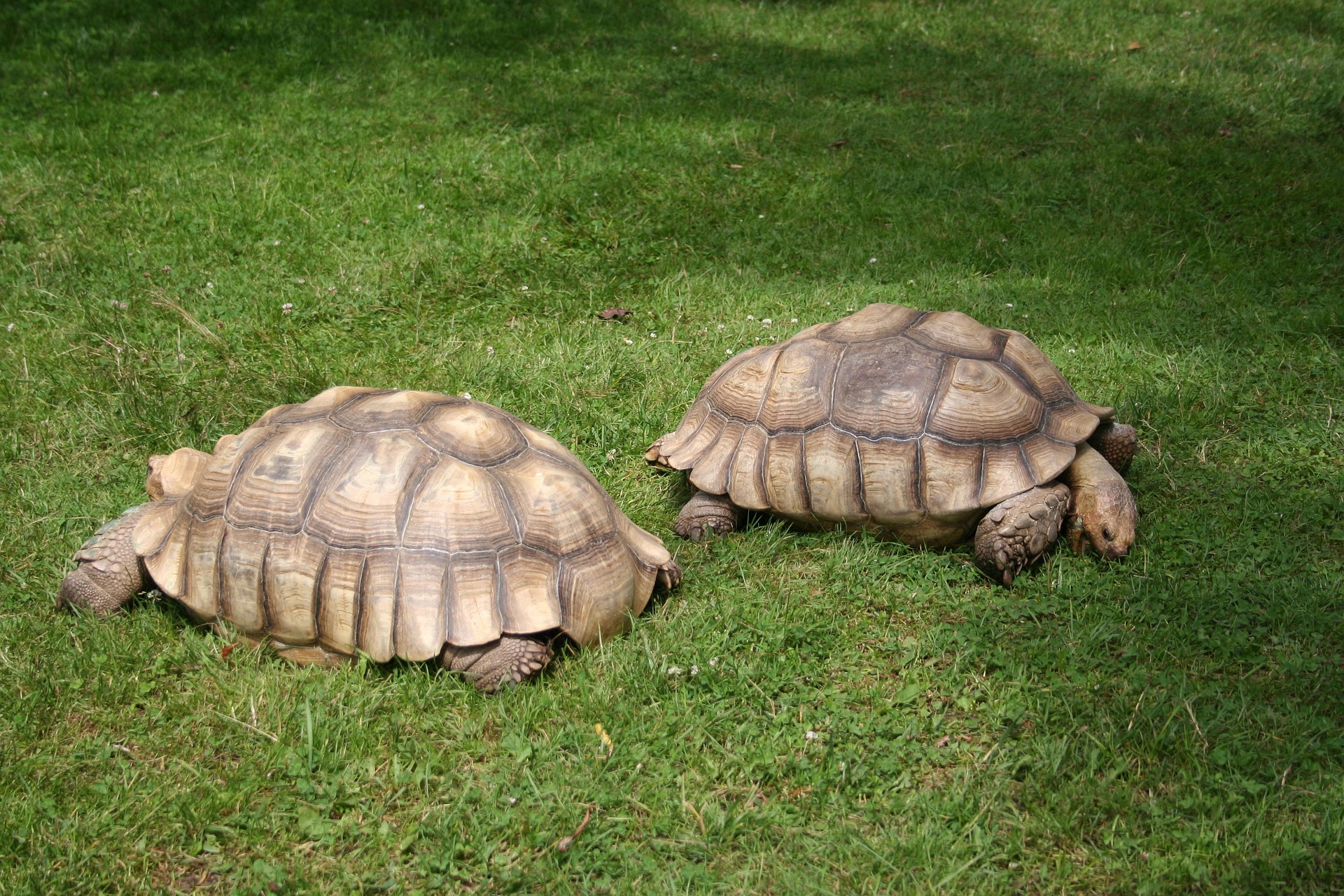
What kind of animal is the Antarctic Tortoise, which has been successfully hatched and bred in zoos and other places? We will explain its characteristics, personality, ecology, and habitat. It is endemic to Madagascar and is said to be the most endangered tortoise, and conservation efforts are currently underway. Of course, this turtle is also designated as an endangered species.


- What is a Ploughshares? Basic Stats
- What are the roots and origins of the ploughshare tortoise?
- Habitat
- What are its characteristics? What kind of creature is it?
- What is their personality like?
- What is their ecology like?
- About Ploughshare Tortoise Hatchery
- Are Plough Tortoises Endangered?
- Can Plough Tortoises be kept as pets?
- Zoos Housing the Species (Japan & Worldwide)
- Recommended articles
What is a Ploughshares? Basic Stats
The Ploughshare tortoise is a turtle classified in the order Testudins, family Testudinsidae, and genus Testudins. Its scientific name is Astrochelys yniphora, and its English name is Ploughshare tortoise. Its carapace length is 36-48cm and its weight is 5-20kg. The list of information is as follows.
| Japanese(和名) | ヘサキリクガメ |
| English(英名) | Angonoka / Ploughshare tortoise / Madagascar tortoise / Madagascar angulated tortoise |
| scientific name(学名) | Astrochelys yniphora |
| classification(分類) | Reptilia、 Testudines、 Testudinidae、Astrochelys 爬虫綱、カメ目、リクガメ科、マダガスカルリクガメ属 |
| IUCN Status(保全状況) | CRITICALLY ENDANGERED |
| Length(体長) | 36~48cm |
| Weight(体重) | 5~20kg |
Taxonomy of the Antarctic Tortoise
- 界(Kingdom):動物界 (Animalia)
- 門(Phylum):脊索動物門 (Chordata)
- 綱(Class):爬虫綱 (Reptilia)
- 目(Order):カメ目 (Testudines)
- 科(Family):リクガメ科 (Testudinidae)
- 属(Genus):リクガメ属 (Testudo)
- 種(Species):ヘサキリクガメ (Testudo horsfieldii)
What are the roots and origins of the ploughshare tortoise?
The ploughshare tortoise (Astrochelys yniphora) is a large tortoise species endemic to Madagascar, found only in the northwestern part of the island. It is known in English as the “Angonoka” or “Ploughshare tortoise.”
🌍 Origins: “Northwestern Madagascar”
A key factor in understanding the origins of the ploughshare tortoise is that it evolved independently on the island of Madagascar.
Because Madagascar has been isolated from the African continent for a long period, many animals there have undergone unique evolutionary processes.
Broadly speaking, the evolutionary history is thought to be:
Ancestors of early tortoises
↓
Arrival in Madagascar
↓
Long-term isolation on the island
↓
Divergence into a unique tortoise lineage
↓
Emergence of the ploughshare tortoise
However, the fossil record indicating exactly when the ploughshare tortoise diverged—or from which specific ancestor—is extremely scarce, making it impossible to pinpoint the precise date of its origin.
🧬 Who are its closest relatives?
The ploughshare tortoise belongs to the genus Astrochelys, alongside other species endemic to Madagascar, such as:
The radiated tortoise (Astrochelys radiata)
(Note: Be careful to avoid taxonomic confusion regarding the yellow-bellied tortoise/radiated tortoise distinction.)
The radiated tortoise is particularly significant.
Under current classification, the relationship is structured as follows:
Family Testudinidae (Tortoises)
↓
Endemic lineage of Madagascar
↓
Genus Astrochelys
↓
├─ Ploughshare tortoise
└─ Radiated tortoise
🏝️ Why is it found only in Madagascar?
Madagascar has been isolated from the mainland since ancient times, allowing a unique fauna to develop within that environment.
The ploughshare tortoise is a prime example of this. The remaining wild population is confined to a very small area around the Baly Bay region in northwestern Madagascar.
Rather than dense forest, they inhabit an environment characterized by a mosaic of dry deciduous forest, grasslands, and shrublands.
Habitat
Ploughshare tortoises are found in Madagascar.
- Distribution
Distributed mainly in Central Asia
Southern Kazakhstan
Uzbekistan
Turkmenistan
Northern Afghanistan
Eastern Iran
Prefers desert, semi-desert, and arid steppe regions
- Habitat
Arid zones, steppes, and desert vicinities
Dry areas with grasses and shrubs, where food is easily gathered
Burrowing (digging underground burrows)
Rests in burrows to avoid daytime heat and dryness
Hibernates in winter
Temperature and Humidity Requirements
Tolerates high temperatures and dryness, but does not tolerate extremely humid environments
Regulates body temperature by basking
- Biology
Semi-diurnal, active in the morning and evening, often resting in burrows during the day
Omnivorous
Feeds on grass, leaves, fruit, small insects, etc.
As a small tortoise, it has a strong hiding habit
Spends in holes or under shrubs to protect itself from predators
What are its characteristics? What kind of creature is it?
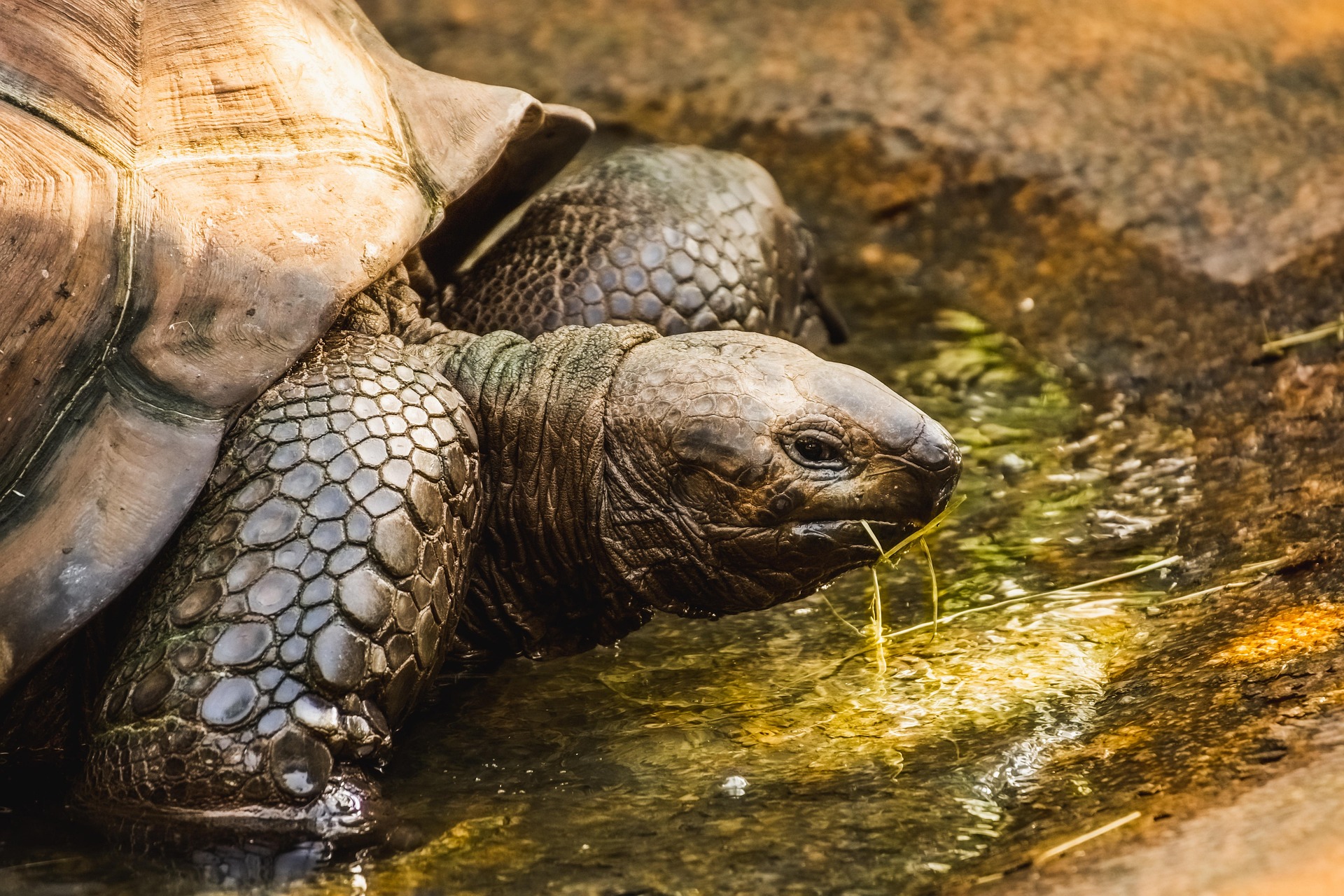
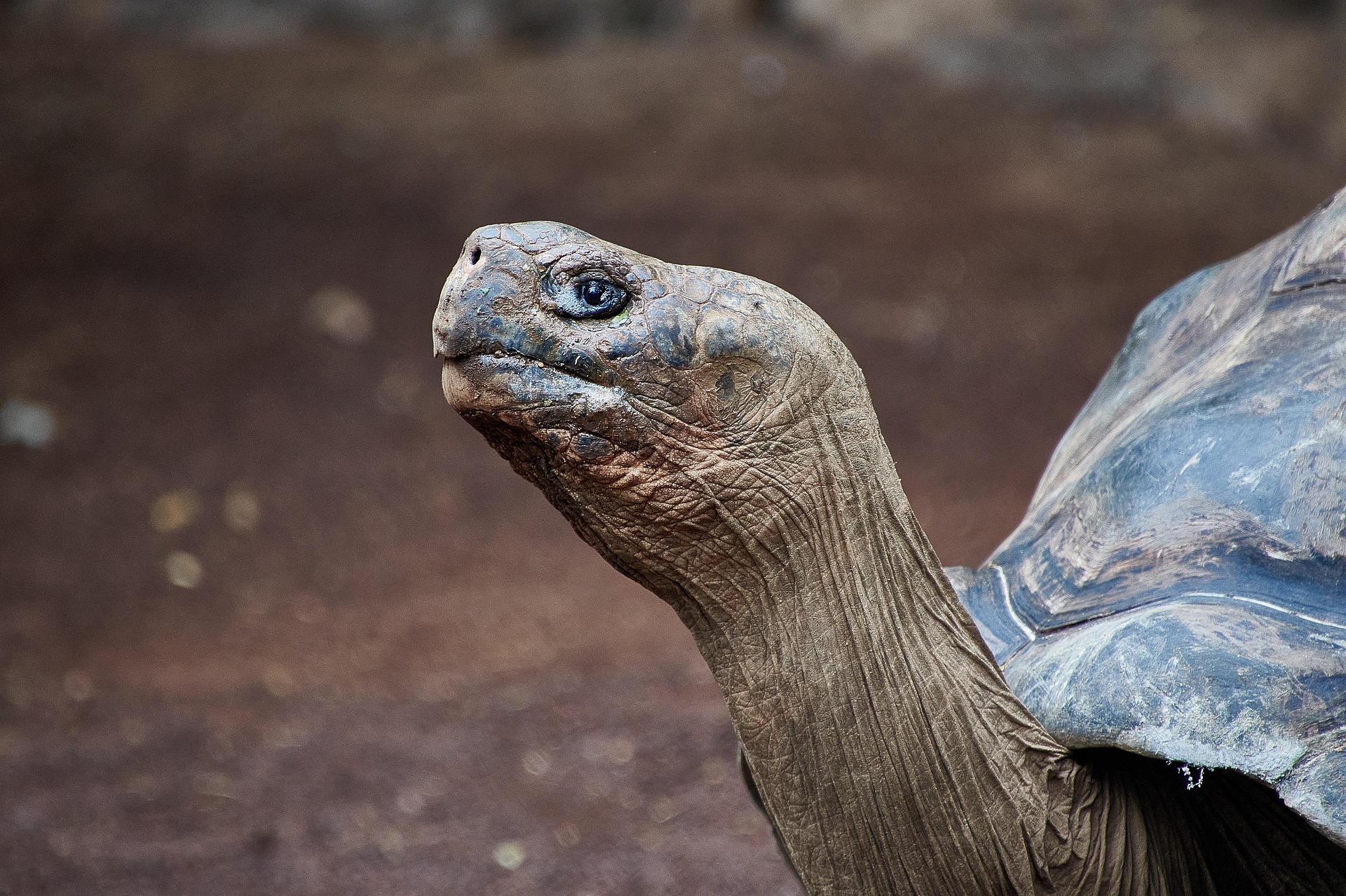
Pit tortoises are endemic to the island of Madagascar. Their carapace is dome-shaped and slightly elongated when viewed from above. The front and rear edges of the marginal carapace are slightly pointed, and the throat carapaces on both sides protrude. The carapace is yellowish brown, grayish brown, or light brown, with dark borders around the joints and surrounding areas of each carapace. Pit tortoises live in shrubs, bamboo forests, brush, and grasslands, and are active during the day.
- Appearance and Physical Characteristics
Size
This small tortoise measures approximately 15-20cm in carapace length as an adult.
It weighs approximately 1-2kg and is lightweight.
Shell (Dorsal Carapace)
Rounded, dome-shaped
Brown to dark brown in color, with dark markings and edge patterns on the carapace.
Adults have a more subdued overall color tone.
Plaston (Ventral Carapace)
Light yellowish-brown to pale yellow
Relatively simple pattern.
Head and Limbs
Small, round head.
Short, sturdy legs with well-developed claws for digging in sand.
Tail
The tail has a distinctive bony protrusion (caudal sheath) at the tip, which gives it its name.
- Behavior & Ecology
Burrowing
They dig their own burrows to avoid high temperatures and dryness.
Activity Patterns
Crepuscular – active in the morning and evening, or during cooler times of the day.
They rest in burrows or under shrubs during the day.
Diet
They are omnivorous, eating grass, leaves, fruit, and occasionally small insects.
Reproduction
Egg-laying in spring and early summer.
Lays 4-8 eggs at a time.
Eggs are buried in sand and hatch.
- Personality
Timid and cautious.
If they sense danger, they will immediately burrow into burrows or sand.
Gentle and rarely aggressive.
Gentle and easy to observe.

What is their personality like?
Pit tortoises are docile and very gentle. Therefore, they are a very gentle turtle to keep as pets.
- Basic Personality
Gentle and rarely aggressive
Likely causes problems when kept with other small turtles or the same species
Highly timid and cautious
Immediately burrows into burrows or sand when encountering new people or large movements
When sensing danger, they will curl up and hide
- Behavioral Characteristics
Burrow-dwelling and adept at hiding
Often rests in burrows or sand
Active in the morning, evening, and twilight
During the hottest part of the day, they rest in their burrows, remaining mostly still
Curious but reserved
They will slowly emerge to eat when food is available, but rarely approach people
- Personality in Captivity
Relatively easy to handle small tortoise
Because they are timid, it is less stressful to keep them focused on observation rather than handling them forcefully
They will respond to food once they become accustomed to them
In captivity, they may come out of their burrows when food is presented
What is their ecology like?
Pit tortoises are almost entirely herbivorous, living on grass and other foods. They are oviparous, laying mainly 3-5 eggs at a time, several times a year. They reach sexual maturity at 20 years of age. Their lifespan is said to be 50 to 100 years.
- Living Environment
Live in the arid, desert, and semi-desert regions of Central Asia
They are burrowing creatures, digging their own burrows
Avoid daytime heat and dryness
May hibernate in winter
They do not require water, but prefer areas with grasslands and shrubs where they can consume plants and small animals
- Activity Patterns
Active in the mornings and evenings and when temperatures are cooler (crepuscular to dusk-dawn/dusk-active)
They often rest in burrows, sand, or under shrubs during the day
They bask in the sun (basking) to regulate their body temperature
- Diet
Omnivorous
Grass, leaves, and fruit
Also eat small insects and arthropods
Young adults consume a large amount of animal-based food, but as they grow older, they also consume more plant-based food
- Reproduction
Lays eggs in spring and early summer
Lays about 4-8 eggs at a time They lay eggs buried in sand or burrows.
Eggs can hatch in dry areas, but temperature and humidity control are important.
Young animals spend their time in holes or shaded areas, adapting to cave-dwelling life just like adults.
Do they have any natural enemies?
Natural enemies of the antelope tortoise include snakes, birds, and foxes.

About Ploughshare Tortoise Hatchery
This section provides a detailed overview of juvenile plowing tortoises (Testudo horsfieldii).
- Appearance and Physical Characteristics (Hatchlings)
Size
Immediately after hatching, carapace length is approximately 3-5cm.
Grows to approximately 15-20cm.
Carapace (Dorsal Shell)
Softer than the adult, with a rounded, dome-shaped shell.
Brownish with distinct black or dark brown spots and borders.
Hatchlings have vivid patterns, which become somewhat more subdued as they mature.
Plastron (Ventral Shell)
Light yellowish-brown with a subtler pattern.
Head and Limbs
Feet have developed claws for digging in the sand.
They do not swim much, but are active on land.
Tail
They have a small protrusion (tail sheath) at the tip of their tail, a feature identical to that of adults.
- Behavior and Personality (Juveniles)
Timid and highly cautious
If they sense danger, they will immediately burrow or burrow into the sand.
Most active in the morning, evening, and cooler times.
During the day, they stay still in their burrows or under shrubs.
Curious but reserved.
When presented with food, they will slowly emerge and eat.
- Diet (Juveniles)
Omnivorous, but consumes a large amount of animal prey.
Small insects, earthworms, arthropods, etc.
Also consumes small amounts of plant matter (leaves and grass).
As they grow, they consume more plant matter, adapting to the same omnivorous diet as adults.
- Ecology and Lifestyle
Spend most of their time in burrows or sandy areas.
Avoids high temperatures and dryness.
Hides during the day and is active in the morning and evening.
Especially vulnerable to predators as juveniles, they primarily engage in burrowing.
Adapts to the same burrowing and activity patterns as adults within a few years.
Are Plough Tortoises Endangered?
Plough tortoises are listed in Appendix I of the Convention on International Trade in Endangered Species of Wild Fauna and Flora (CITES), and international trade is restricted. They are also designated as endangered species. Not only are their habitats reduced due to recent development, but they are also over-hunted as pets, which has become a problem. In Japan, many are hatched at domestic zoos such as Nogeyama Zoo, and wild turtles are exhibited. Information is also available on the internet.
- International Conservation Status
IUCN (International Union for Conservation of Nature) Red List
Classification: Vulnerable (VU)
Meaning: Wild populations are declining and at high risk of future extinction.
CITES (Convention on International Trade in Endangered Species of Wild Fauna and Flora)
Listed in Appendix II
International trade requires a permit, and unauthorized import and export is prohibited.
- Main Causes of Decline
Pet Trade/Smuggling
Due to their small size and hardiness, they are in high demand as pets, and wild capture is common.
Habitat Destruction
In the arid regions of Central Asia, farming and development are reducing burrows and grasslands.
Predators/Environmental Change
Wild individuals are preyed upon by birds, mammals, and snakes.
Climate change and extreme dryness also affect their habitat.
- Conservation Status and Measures
International Regulations
CITES Appendix II restricts trade of wild specimens.
Captive Breeding
Pets can be legally bred for pet use.
From a wildlife conservation perspective, artificial breeding is recommended for captive breeding.
Habitat Conservation
Protection of the wild environment and development restrictions are underway.
Can Plough Tortoises be kept as pets?
Plough tortoises are also designated as endangered species, so it is difficult, but it is possible to keep them as pets. The items needed to keep a turtle are listed below. Small specimens are newly registered and sold, and there are many recruitments for foster parents, so check them out. Pay attention to the type of food and cage. They also have a long lifespan, so take that into consideration. Check the food and how to keep them warm. There are many products on sale at the shop, and it is easy to purchase supplies such as food, cases, and lights.
Cage
Depending on the size of the shell and the growth rate, a wide cage of about 60 cm is required in the shop. We recommend using a reptile cage made of glass, acrylic, or plastic.
Flooring
There are various types of flooring, from large to small. There are various types such as Akadama soil, coconut shell, and artificial turf. They are sometimes sold at low prices during campaigns.
Heater
If necessary, prepare an air conditioner or heater to make sure the turtle is comfortable. There are panel heaters, spot lamps, and basking lights.
Thermometer and hygrometer
When raising amphibious turtles, it is very important to manage the temperature and humidity. It is best to keep the temperature at around 30 degrees.
Lighting
Turtles are animals that maintain their health by producing vitamin D3 in their bodies, which promotes calcium absorption, by exposing them to strong ultraviolet rays in a day. Therefore, lighting is essential. There are incandescent and fluorescent tube types, and it is best to choose one that suits the cage. Use the sunlight hours as a guide for lighting.
Shelter
Turtles are living creatures, so it’s a good idea to have a shelter indoors to give them a place to escape. Make sure to set it up properly so as not to cause them too much stress.
Water dish
A water dish is also essential. Wash the water bowl every day and provide fresh water.
Pet food
Turtles are herbivorous, so their food consists mainly of small vegetables and fruits, and they also eat komatsuna and mushrooms. Some turtles eat wild plants instead of vegetables. Give them fruits such as bananas, watermelons, apples, strawberries, kiwis, and mangoes as snacks. Some people give supplements as a reference. It’s a good idea to start by providing commercially available ones. They contain all the nutrients necessary for living creatures.
Zoos Housing the Species (Japan & Worldwide)
The ploughshare tortoise (Astrochelys yniphora) is an extremely rare tortoise species globally. Captive breeding itself constitutes a vital part of conservation efforts.
🇯🇵 Japan
| Facility | Location | Status |
|---|---|---|
| Nogeyama Zoo | Yokohama, Kanagawa | Housing & breeding |
| Yokohama Municipal Kanazawa Zoo | Yokohama, Kanagawa | Housing record exists |
Nogeyama Zoo is of particular importance.
Nogeyama Zoo accepted a rescued individual in 2005 and began keeping the species; it has successfully bred them since 2016. A presentation at a specialist academic conference in 2025 reported that the zoo houses 15 individuals (2 males, 1 female, 12 of unknown sex), has successfully bred 12 individuals to date, and has raised 10 of them to maturity.
The housing of ploughshare tortoises is also confirmed in Yokohama City’s annual zoo reports; records for the 2022 fiscal year at Nogeyama Zoo list 3 males, 1 female, and 11 individuals of unknown sex.
🌍 Worldwide
Internationally, facilities dedicated to conservation and breeding play an even more critical role than those in Japan.
🇲🇬 Madagascar
Ampijoroa Chelonian Captive Breeding Center (Ampijoroa)
This is one of the most important facilities in the world for the conservation of the ploughshare tortoise.
Located in northwestern Madagascar, this conservation breeding facility is operated by the Durrell Wildlife Conservation Trust and has conducted breeding programs since 1986.
Recent records from zoos and conservation facilities indicate that the majority of captive-bred ploughshare tortoises originated here, highlighting the facility’s vital role.
🇬🇧 United Kingdom
Durrell Wildlife Conservation Trust
Chester Zoo
Past international husbandry records confirm that ploughshare tortoises were housed at both of these facilities.
🇧🇪 Belgium
Pairi Daiza
The species is also listed in current zoo husbandry databases. 🇺🇸 USA
Oklahoma City Zoo
Honolulu Zoo
Zoo Atlanta
Knoxville Zoo
Turtle Conservancy
Records of their care exist at these locations. Honolulu Zoo, in particular, is known for having engaged in captive breeding efforts in the past.
🇸🇬 Singapore
Singapore Zoo
Records of their care have been confirmed.
🇵🇭 Philippines
Avilon Zoo
They are listed in current zoo databases.
Recommended articles
コメント