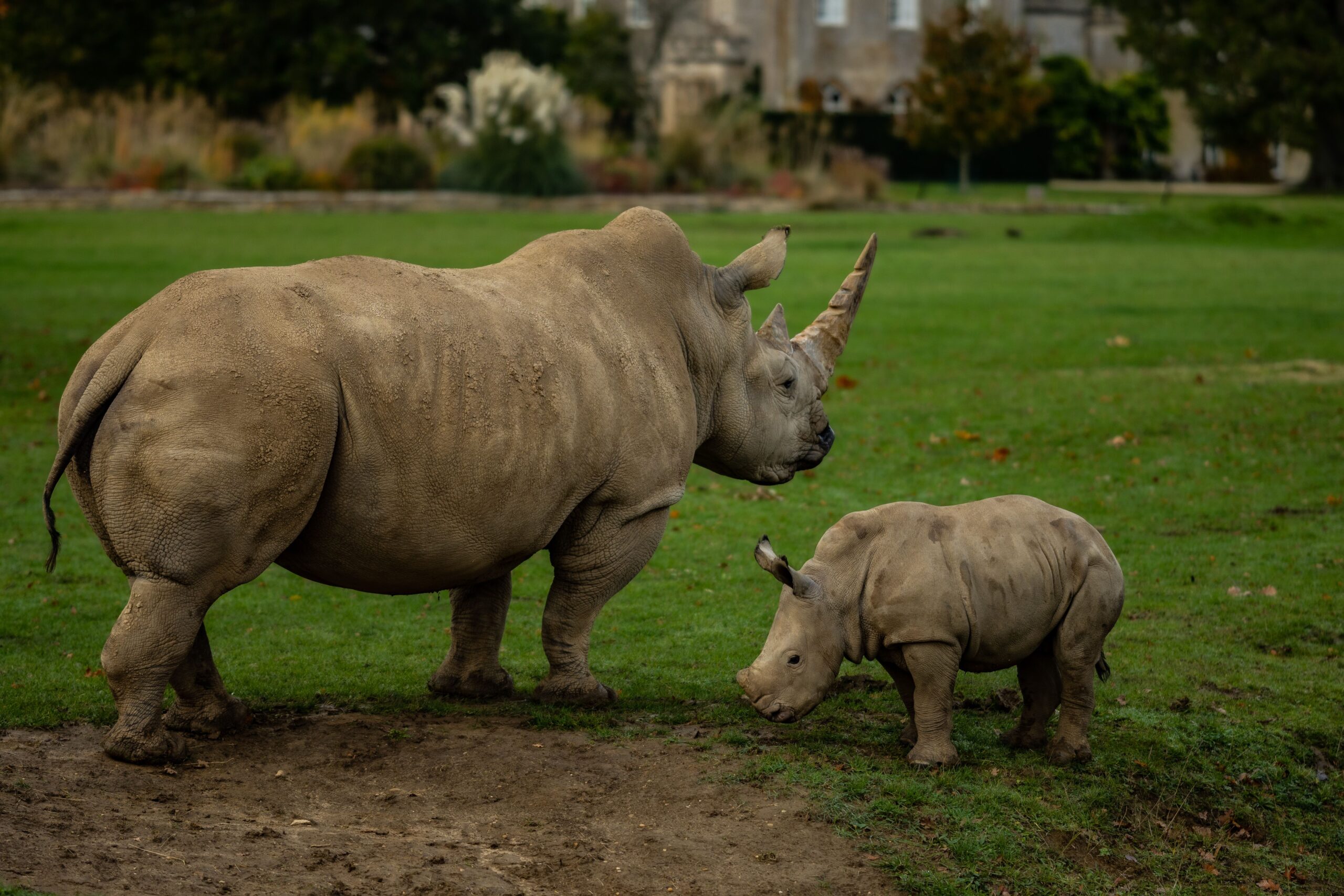
アジアやアフリカの哺乳類、サイはどんな動物?5種いるいずれのサイの特徴、生態、分布、生息地を解説していきます。動物の中でもとても体の大きいサイは動物園などでも展示されておりますので認知度はかなり高いことで知られています。厚くて硬い皮膚に覆われている動物で亜種も存在しますので解説していきます。


サイとは? 基本ステータスについて
サイは哺乳綱奇蹄目サイ科の動物です。学名はRhinocerotidae。体長は2.4~4mで体重は700~3,500kg。アフリカと南アジアのほうに多くが生息しています。大きな動物で、現在、アジアやアフリカで活動しています。とてもメジャーな動物で動物占いやイラストの絵に出てきたり、縁起の良い動物と言われています。カバやゾウと並んで大きく、強いイメージがあります。wikiでも情報が見れます。
| Japanese(和名) | サイ |
| English(英名) | Rhinoceros |
| scientific name(学名) | Rhinocerotidae |
| classification(分類) | Mammalia、 Perissodactyla、Rhinocerotidae 哺乳綱、奇蹄目、サイ科 |
| IUCN Status(保全状況) | ENDANGERED |
| Length(体長) | 2.4~4m |
| Weight(体重) | 700~3,500kg |
サイのルーツ、起源は?
サイ(犀)のルーツは、約5,000万年前の新生代初期に現れた小型の草食哺乳類までさかのぼります。現在のサイは、長い進化の歴史を経た「奇蹄類(きているい)」の仲間です。
1. サイの祖先は「ウマの仲間」に近かった
サイは見た目ではゾウやカバに近そうに見えますが、分類上は、
- サイ
- ウマ
- バク
と同じ 奇蹄目(Perissodactyla) に属します。
共通祖先は約5,500万年前頃に存在したと考えられています。当時の祖先は、現在のサイのような巨大な姿ではなく、犬ほどの大きさの小型動物でした。
2. 初期のサイ「ヒラコドン類」
約5,000万年前〜3,000万年前には、サイ系統の初期グループであるヒラコドン類(Hyracodontidae)が登場しました。
特徴:
- 体が小さい種類から大型種まで存在
- 森林で木の葉を食べていた
- 足が長く、走るのが速い種類もいた
この時代には、現在のサイとはかなり違う姿でした。
3. 巨大化したサイ「パラケラテリウム」
サイの進化史で最も有名なのが、約3,400万年前〜2,300万年前に生息した巨大種です。
パラケラテリウム(Paraceratherium)は、史上最大級の陸上哺乳類の一つ。
推定サイズ:
- 体長:約8m
- 肩の高さ:約5m以上
- 体重:約15〜20トン級
特徴:
- 角はなかった
- 長い首で高い木の葉を食べた
- 現代のキリンのような生活をしていた可能性
つまり、昔のサイには「巨大な角なしサイ」も存在しました。
4. 現代型のサイが登場
約1,500万年前頃になると、現在のサイに近い仲間が現れます。
現在の代表種:
- シロサイ
- クロサイ
- インドサイ
- ジャワサイ
- スマトラサイ
特にアジア系のサイとアフリカ系のサイは、約1,000万年以上前に別々の進化ルートへ分かれました。
5. なぜサイは角を持つようになったのか?
サイの角は、実は骨ではありません。
主成分:
- ケラチン(人間の爪や髪と同じ成分)
進化した理由として考えられるのは:
- オス同士の争い
- 縄張り防衛
- 捕食者への防御
- 仲間へのアピール
特に角を持つ個体が生存・繁殖で有利だったため、長い時間をかけて発達しました。
分類について
サイ科の動物は実は1種ではありません。多数の亜種がいます。以下の亜種が存在します。それぞれ地球でも歴史が長く、それぞれの場所で違いがあります。野生では大きく角を持っておりあちこちで見ることができます。過去にもっと生存しておりましたが全体で人間の脅威が広まり、個体数は減っています。団体の協力などもあり保護活動が進められています。
| Name (名前) | Academic Name (学名) |
| White rhinoceros シロサイ | Ceratotherium simum |
| Sumatran rhinoceros スマトラサイ | Dicerorhinus sumatrensis |
| Black rhinoceros クロサイ | Diceros bicornis |
| Javan rhinoceros ジャワサイ | Rhinoceros sondaicus |
| Indian rhinoceros インドサイ | Rhinoceros unicornis |
シロサイとは?
シロサイはサイの中で最大の種です。ミナミシロサイとキタシロサイの2種から構成されており、アフリカの中部から南部にかけて多くが生息しています。ワシントン条約附属書Iに掲載されており、取引が厳しく制限されてます。
スマトラサイとは?
スマトラサイはサイの中で最も小さいです。この動物はインドネシアなどに生息しており、絶滅危惧種に指定されています。スマトラサイの体のほとんどは赤茶色の毛で覆われています。最大の特徴として2本の角があります。
クロサイとは?
クロサイはアンゴラ、ボツワナ、ケニア、マラウイ、モザンビーク、ナミビア、南アフリカ、エスワティニ、タンザニアなどに生息するサイ。密猟や生息地の減少などで複数の地域で絶滅しており絶滅危惧種に指定されています。
ジャワサイとは?
ジャワサイはスマトラサイと並んで最小のサイの1種です。生息地はインドネシアのジャワ島となり、すべての現生動物種の中でも最も希少。このサイも絶滅危惧種に指定されており、ベトナムのカッティエン国立公園のジャワサイの個体群は絶滅しています。
インドサイとは?
インドサイは現存するサイの中で 2 番目に大きい種。主にインドで生息しております。インドサイはかつてインドガンジス平原全域に生息していましたが、過剰な狩猟と農業開発により激減し、絶滅危惧種に指定されております。
サイの生息地について
サイはアフリカ大陸の東部と南部、そしてアジアのインドと東南アジア(ネパール、インドネシア、マレーシアなど)に分布しております。大型の野生動物で群れで子どもから大人まで暮らすことが多いです。基本的に行動は仲間と動くことが多いです。
① シロサイ (Ceratotherium simum)
- 地域:アフリカ南部・東部(南アフリカ、ナミビア、ジンバブエ、ケニアなど)
- 環境:サバンナや草原、開けた林地
- 特徴:草食性が強く、広い草地が必要
② クロサイ (Diceros bicornis)
- 地域:アフリカ東部〜南部(ケニア、タンザニア、南アフリカなど)
- 環境:乾燥した林やサバンナ、低木地帯
- 特徴:葉や低木の枝を食べるブラシ型食性
③ インドサイ(ガンジスサイ) (Rhinoceros unicornis)
- 地域:インド北東部、ネパール南部、ブータン周辺
- 環境:湿地帯、草原、川沿いの森林
- 特徴:湿地や水場の近くを好む
④ ジャワサイ (Rhinoceros sondaicus)
- 地域:インドネシアのジャワ島(絶滅危惧種)
- 環境:低地熱帯雨林、湿地
- 特徴:非常に限られた地域にのみ生息
⑤ スマトラサイ (Dicerorhinus sumatrensis)
- 地域:インドネシア(スマトラ島)とマレーシア(ボルネオ島一部)
- 環境:熱帯雨林の密林
- 特徴:森林の奥深くに生息し、単独で行動
共通の生息条件
- 水場の近く:飲水や泥浴びのため
- 広い生息域:移動して食べ物を探す必要がある
- 人間活動の少ない場所:密猟や開発の影響を避ける
特徴は?どんな感じの生物なのか?
サイは鎧のように厚くて硬い皮膚に覆われています。体には体毛がなく、短い尾の先にわずかな毛があります。体色は灰色や褐色などをしていてしばしば泥遊びなどをしてます。サイは頭部に1本か2本の太い角をもっていて短いもので25cm、長いものでは1.5mの大きさになります。普段は単独行動をしており、サバンナ、森林や草原、藪地や湿地帯などに生息しています。
1. 体の特徴
- 大きさ:種類によるが、体長2〜4m、体高1.2〜1.8m、体重800〜2,500kg(シロサイは最大級)
- 体形:がっしりした胴体、太い脚、大きな頭
- 皮膚:厚くて硬いが、毛はほとんどない(スマトラサイには少量の毛あり)
- 角:鼻の上に1〜2本の角を持つ
- 角はケラチンでできており、武器や防御、縄張り争いに使用
- 耳・目・鼻:耳は小さめだが動かせる、目は視力はあまり良くないが嗅覚・聴覚は優れる
2. 食性
- 草食性
- シロサイ:主に草を食べる
- クロサイ:低木や葉、枝も食べる
- インド・スマトラサイ:草や低木、果実などを食べる
- 食べ方:上唇や舌で草や葉をつかむ
3. 行動・生活様式
- 活動時間:早朝・夕方などの薄明薄暮に活発、昼間は休むことが多い
- 水浴び・泥浴び:体温調節や寄生虫防止のために泥浴びをする
- 移動:広い範囲を歩き回って食べ物を探す
4. 社会性
- 単独行動が基本(特にクロサイやスマトラサイ)
- 群れで行動することもある(シロサイのメスと子ども、オス同士は縄張り争い)
- 縄張り意識が強く、角や体を使って争う
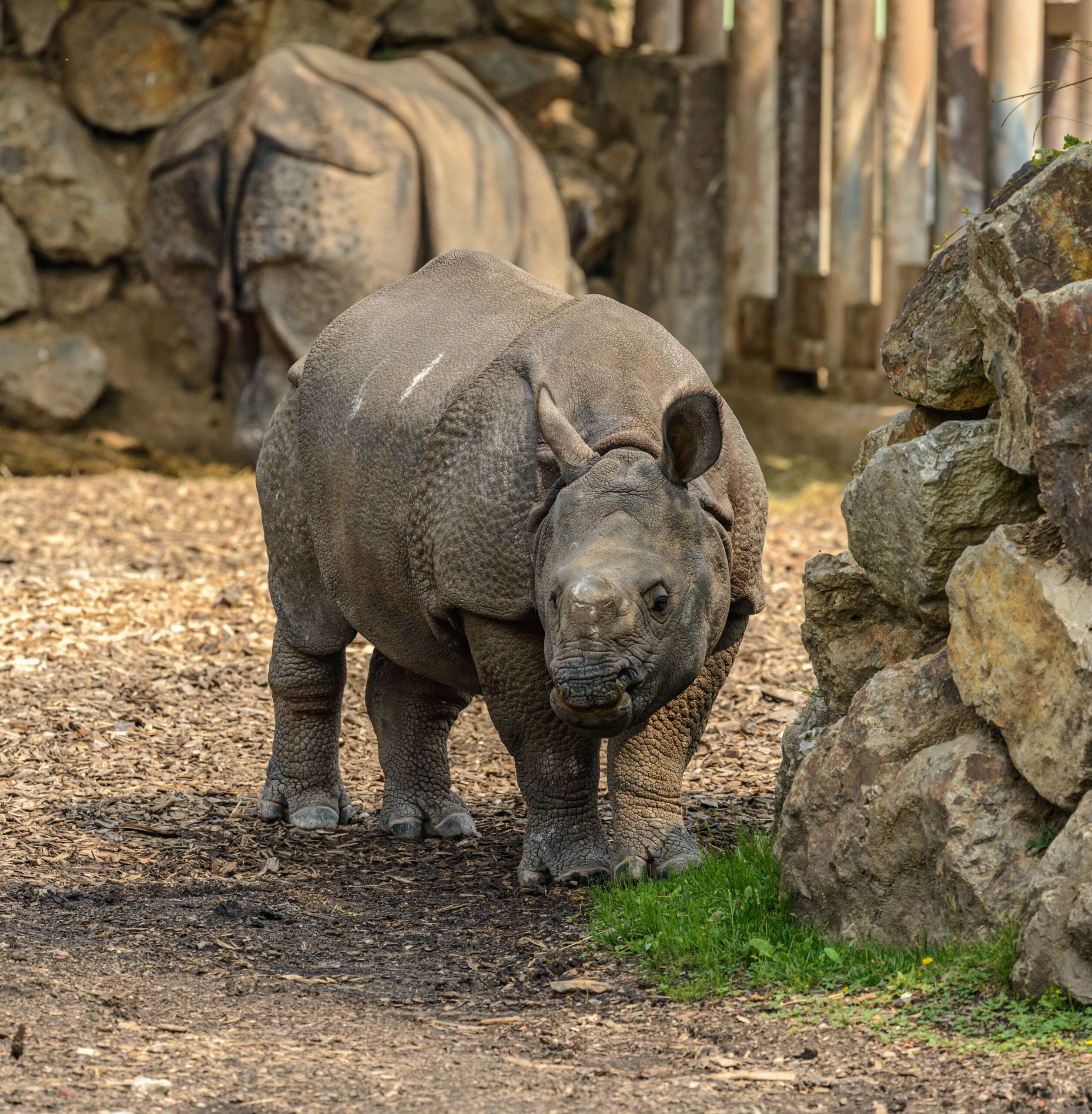
性格はどんな感じになるのか?
サイは獰猛な性格をしています。クロサイは縄張り意識が強く、侵入者には見境なく突進することもあるようです。 一度暴走し始めると誰も手に負えなくなる傾向があります。ほぼ走ると体高も高いため、止められないレベル。
1. 基本性格
- 臆病で警戒心が強い
- 視力はあまり良くないが、聴覚と嗅覚が優れており、危険を察知すると攻撃的になることがある
- 攻撃性がある
- 特にオスは縄張り意識が強く、侵入者や他のオスに対して角を使って攻撃する
- 落ち着いた性格もある
- 危険を感じない場合は、のんびり草を食べたり、水浴びをしたりする
2. 社会性
- 単独行動が基本
- クロサイやスマトラサイはほとんど単独で生活
- 群れで行動することもある
- シロサイのメスと子ども、または水場での集まりなど、限定的な群れを形成
- 縄張り意識が強い
- 自分の縄張りに入ったオスや動物には攻撃的
3. 人間との関係
- 攻撃されると危険
- 警戒心が強く、近づきすぎると突進することがある
- 保護下では比較的落ち着く
- 動物園や保護施設では、環境に慣れると比較的穏やかに過ごす
サイの生態は?
サイは草食で草類や木の葉、植物、葉、果実などを食べることで生活をしています。繁殖は1年中行われており、妊娠期間が1年はあります。メスは1回につき1頭産むことが可能。寿命は45~50年程度と言われています。
1. 生活環境
- 生息地:アフリカのサバンナや森林、アジアの熱帯雨林や湿地
- 広い生息域が必要:食べ物を探すために1日に数キロ~数十キロ移動する
- 水場の近くを好む:水浴びや泥浴びで体温調節や寄生虫予防を行う
2. 食性
- 草食性
- シロサイ:主に草を食べる
- クロサイ・インドサイ・スマトラサイ:草、低木の枝や葉、果実も食べる
- 食べ方:上唇や舌を使って草や葉をつかむ
- 食べる量:1日あたり約50kg前後(種類や体格による)
3. 行動
- 活動時間:薄明薄暮性(早朝・夕方に活発)
- 移動:地面を歩くが、素早く走れる(短距離で時速40〜50km)
- 休息:昼間は木陰や草地で休む
4. 社会性
- 基本的に単独行動(クロサイ・スマトラサイ)
- 限定的な群れ(シロサイのメスと子ども、水場での集まり)
- 縄張り意識が強い:オス同士の接触は攻撃的になることが多い
5. 繁殖
- 性成熟:オス5〜7歳、メス3〜6歳程度
- 妊娠期間:アフリカ種で約15〜16か月、アジア種で約16〜18か月
- 出産:1頭を出産し、母親が1〜3年かけて育てる
6. コミュニケーション
- 鳴き声:鼻や口を使った低い声や唸り声
- 匂い:尿や糞で縄張りをマーキング
- 角の使用:威嚇や縄張り争いに利用
7. 寿命
- 野生:約30〜40年
- 飼育下:40年以上生きることもある
サイは天敵はいる?
サイは強大な動物であると言うことから肉食動物では天敵はいません。聴覚などは発達しており敵の接近もわかります。しかし、小さいサイや病弱なサイは、ライオンやヒョウなどの捕食者に狙われてしまいます。サイは時速30kmくらいで逃げられるので、簡単にはつかまりません。ただ病気などはかかります。
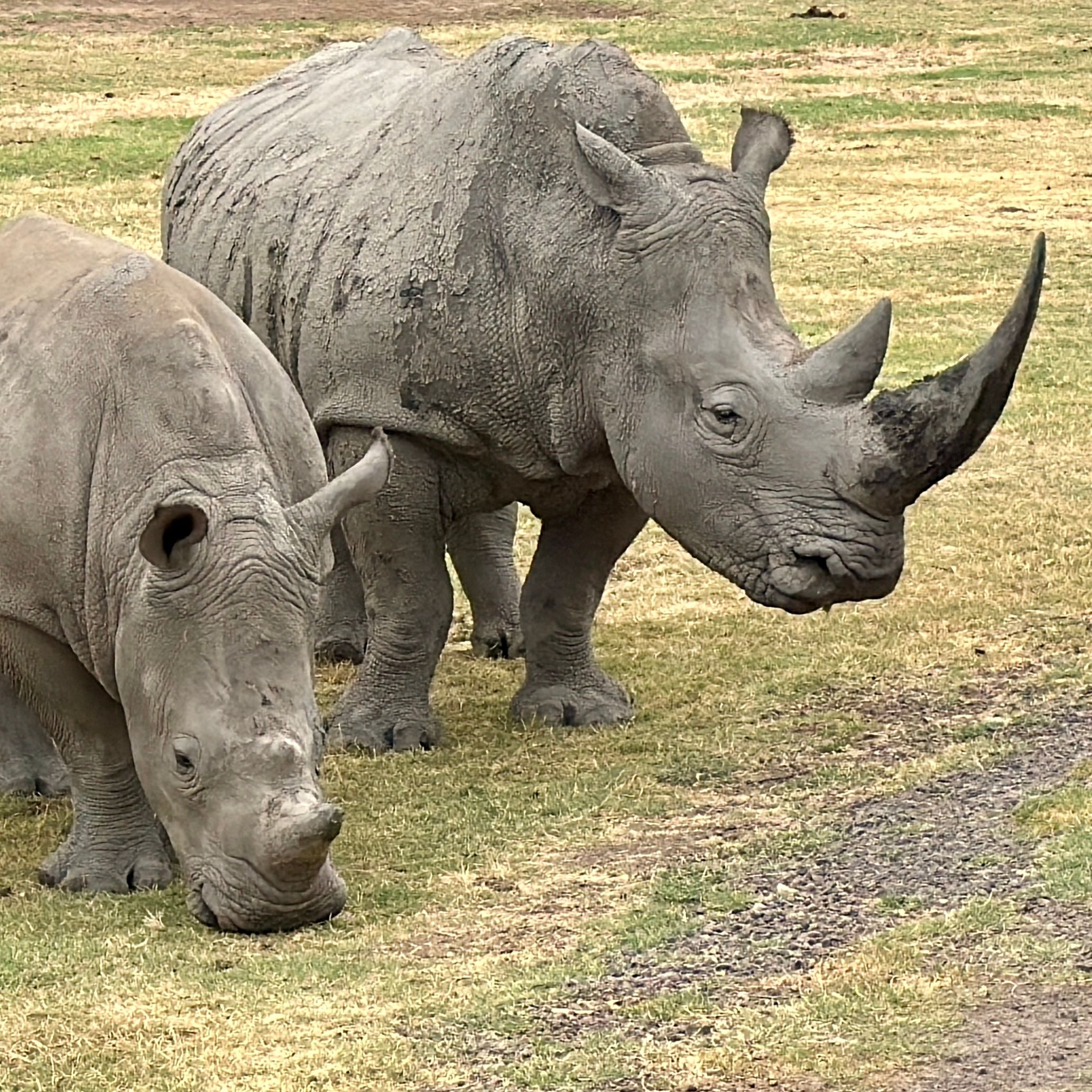
鳴き声
サイの鳴き声は、見た目の迫力とは違って意外に多彩で、鳥のような高い声から低いうなり声まで出します。
代表的な鳴き声は以下の通りです。
1. 「ブオー」「グォー」という低いうなり声
- 主に威嚇や警戒のとき
- オス同士の争いや縄張り主張で使う
- 体の大きなサイほど低い音になる傾向があります
2. 「ヒュー」「ピーピー」という高い声
- 子どものサイ(子サイ)が母親を呼ぶ声
- 仲間とのコミュニケーションに使われる
特に子サイは、人間の赤ちゃんのような高い声を出すことがあります。
3. 「ブーブー」「フンフン」という鼻息音
- 緊張しているとき
- 相手を警戒しているとき
- 周囲の情報を確認するとき
サイは視力があまり良くないため、嗅覚や聴覚、こうした音による合図をよく使います。
4. 「キーキー」という悲鳴のような声
- 怪我をしたとき
- 強いストレスを感じたとき
- 子どもが危険を感じたとき
季節別の活動
サイの活動は、種類や生息地(アフリカ・アジア)によって違いますが、基本的には雨季と乾季の変化に合わせて行動パターンを変える動物です。
春(雨季の始まり)
活動量:増加
- 新しい草や植物が増えるため採食時間が増える
- 水場周辺に集まりやすくなる
- 繁殖活動が活発になる地域もある
- オスは縄張り確認やマーキングを増やす
サイは単独行動が多いですが、餌が豊富な時期には同じ場所で複数個体が見られることがあります。
夏(雨季〜暑季)
活動量:早朝・夕方中心
暑さを避けるため、
- 朝早く活動
- 日中は木陰や泥浴び場で休む
- 夕方から夜に採食する
という生活になります。
サイは汗をかく能力が高くないため、泥浴び(泥浴=ウォローイング)は重要です。
泥浴びの目的:
- 体温調節
- 虫よけ
- 皮膚の保護
秋(乾季への移行期)
水と食料を求めて移動
乾燥が進むと、
- 水場への依存が高まる
- より広い範囲を移動する
- 草の状態が良い場所を探す
ようになります。
特にアフリカのサイでは、水場や餌場を巡る縄張り行動が強くなることがあります。
冬(乾季)
活動量:低下傾向
乾燥した地域では、
- 水場付近に滞在する
- 移動距離を減らす
- エネルギー消費を抑える
傾向があります。
ただし、寒冷地では冬眠はしません。
サイは大型動物なので体温を維持でき、季節に関係なく活動します。
歩行速度
サイの歩行速度・走行速度は、巨大な体からは想像できないほど速いです。
通常の歩行
- 約3〜5km/h
- ゆっくり周囲を確認しながら移動
- 採食中や水場への移動で見られる速度
早歩き・小走り
- 約10〜20km/h
- 警戒時や少し急いで移動するとき
突進・走行
- 約40〜50km/h
- 短距離なら非常に速い
- 最大では時速50km前後に達するとされる
種類による違い
| 種類 | 最高速度の目安 | 特徴 |
|---|---|---|
| クロサイ | 約50km/h | 攻撃性が強く、短距離の突進が速い |
| シロサイ | 約40〜50km/h | 大型だが走力が高い |
| インドサイ | 約40km/h前後 | 湿地でも力強く走る |
| スマトラサイ | 約30〜40km/h程度 | 小型で森林向き |
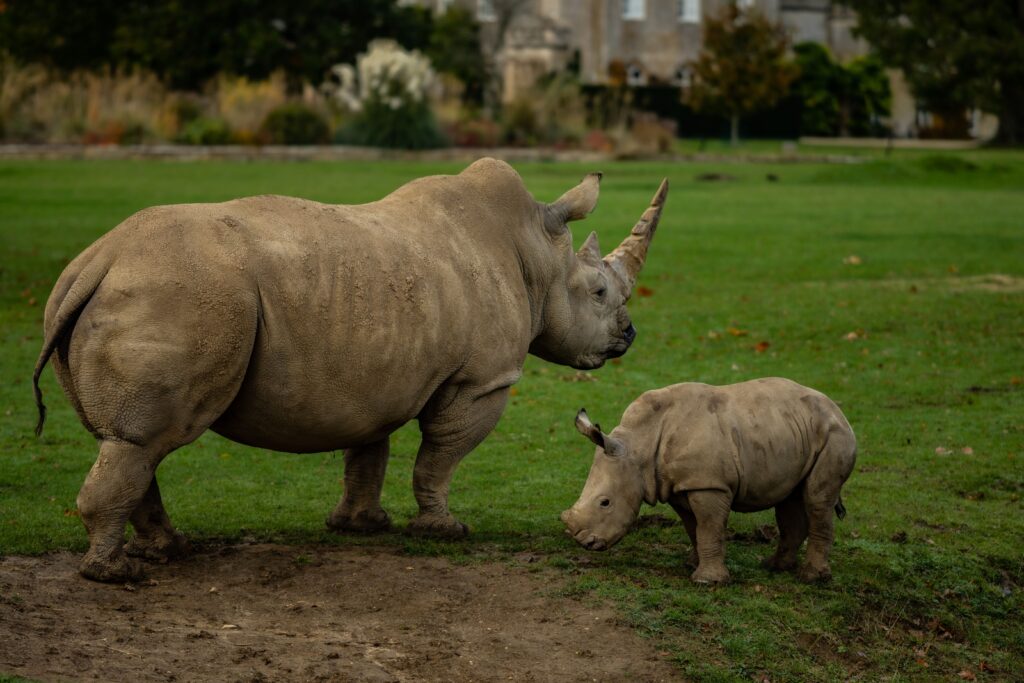
サイの幼獣について
サイの幼獣について整理します。
1. 出生
- 妊娠期間:種類によって約15〜18か月(アフリカ種は15〜16か月、アジア種は16〜18か月)
- 出産時の大きさ:体重約40〜65kg(種類や母体による)
- 見た目:生まれたときから角は小さく、皮膚は柔らかく毛はほとんどない
2. 成長
- 歩き始め:生後数時間で母親の後を追って歩き始める
- 授乳期間:母乳で約1年ほど育つ
- 角の発達:生後数か月で徐々に角が成長
- 独立:母親から離れるのは生後2〜3年ほど(種類や環境による)
3. 母親との関係
- 母親の近くで過ごし、危険を避ける
- 母親から食べ物の採取や水場の利用方法を学ぶ
- 群れや母子の保護下で安全に成長
4. 性格・特徴
- 臆病で警戒心が強い
- 母親に依存する期間が長く、母親の行動に合わせて行動
- 好奇心はあるが、危険を察知するとすぐ母親のそばに隠れる
まとめ
サイの幼獣は「生まれてすぐ歩けるが母親に依存しながら育ち、1〜3年で独立する臆病で警戒心の強い大型草食動物の子ども」です。
サイは絶滅危惧種なのか?
上記でも説明した通り、サイはほとんどの亜種で絶滅危惧種に指定されております。またワシントン条約でも掲載されており取引が区別されており厳しく制限されています。その理由は以下のようなことが挙げられます。危機的な状況にあります。
違法な狩猟
サイは国際的に守られていますが、角を狙った違法な狩猟がアジアでもアフリカでも続いています。これにより個体数は全然回復していません。サイの角は、コカイン、ヘロイン、金よりも高値で取引され儲かるのです。
生息地の破壊
生息地の破壊も問題になっています。特に東南アジアでは急激な土地開発が進んでおり、とても厳しい環境になっています。動物園や国立公園で限定で保護されるようになっています。世界で保護のためのイベントも開催されています。
サイは飼育できるのか?
サイは巨大な動物であることや、絶滅危惧種に指定されており制限がかなり多いですので飼育にはあまり向いていません。保護が他の同じ動物よりも必要な状況で、早急な活動が必要でしょう。現地で実際のサイを見学するのが無難です。
1. 法的制約
- サイは絶滅危惧種に指定されており、ワシントン条約(CITES)で国際取引が規制されている
- 日本国内でも個人で飼育することは法律上禁止
- 飼育できるのは動物園や研究施設、保護施設など、特別な許可を持つ団体のみ
2. 生態・飼育の難しさ
- 大型で攻撃性がある
- 成体は体重1〜2.5トンに達し、力も非常に強いため、安全管理が必須
- 広い生活空間が必要
- 移動して食べ物を探す習性があるため、広大な敷地や樹木・水場が必要
- 食性が特殊
- 草や低木を大量に必要とし、適切な種類・量の食料供給が不可欠
- ストレスに弱い
- 捕獲や環境の変化により病気になったり食欲不振になることがある
3. 飼育されている例
- 世界の動物園や保護施設で飼育されており、適切な広さ・水場・食料管理が行われている
- 日本国内でも、多くの動物園でシロサイやクロサイを飼育しており、安全柵や人工池などが整備されている
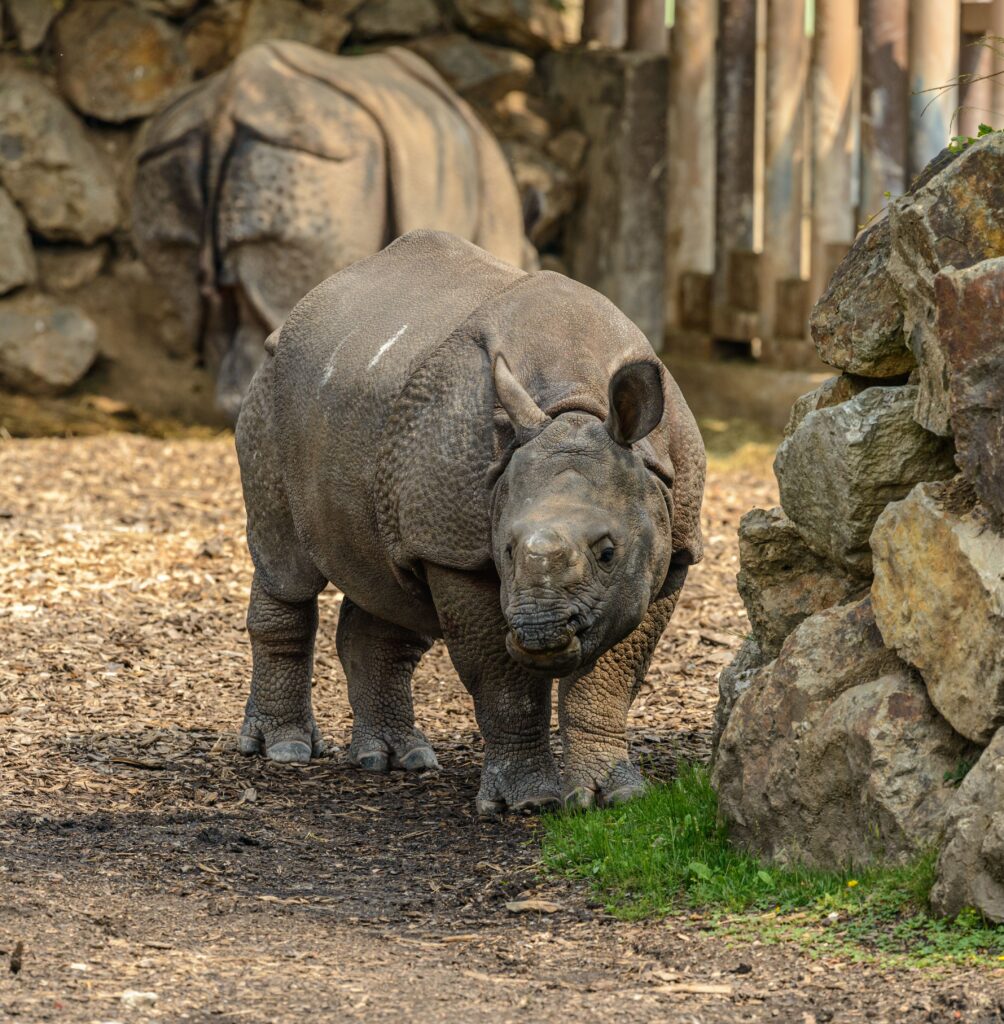
飼育されている動物園(日本・世界)
サイは世界中の動物園で飼育されています。現在、動物園で見ることができる主な種類は、
- シロサイ
- クロサイ
- インドサイ
の3種類です。日本でもこの3種を見ることができます。
🇯🇵 日本でサイが見られる主な動物園
恩賜上野動物園
飼育種:クロサイ
- 日本で長いサイ飼育の歴史を持つ動物園
- クロサイの繁殖・展示で知られる
- サイの保全活動にも関わる施設
多摩動物公園
飼育種:インドサイ
特徴:
- 日本国内でも珍しいインドサイを飼育
- 広い放飼場で観察できる
- 繁殖実績もある
よこはま動物園ズーラシア
飼育種:クロサイ
特徴:
- アフリカの環境を再現した展示
- サイ本来の行動を観察しやすい施設
豊橋総合動植物公園(のんほいパーク)
飼育種:シロサイ
特徴:
- 複数頭のシロサイを飼育
- 大型草食動物エリアで観察可能
その他、日本で見られる主な施設
クロサイ
- 天王寺動物園
- 東山動植物園
- 横浜市立金沢動物園
- 熊本市動植物園
🌍 世界の代表的なサイ飼育動物園
サンディエゴ動物園
飼育種:シロサイ・クロサイなど
特徴:
- 大型動物の保護研究で世界的に有名
- 絶滅危惧種保全プログラムに参加
チェスター動物園
飼育種:クロサイなど
特徴:
- 希少動物の繁殖研究に力を入れる
- 野生動物保護活動を展開
バーゼル動物園
飼育種:インドサイ
特徴:
- インドサイ繁殖で世界的に有名
- 国際的なサイ保護活動に貢献
モントレー動物園
飼育種:ミナミシロサイ
特徴:
- サバンナ環境を再現した展示
- 保護教育を目的とした飼育を行う

他の動物を紹介

コメント