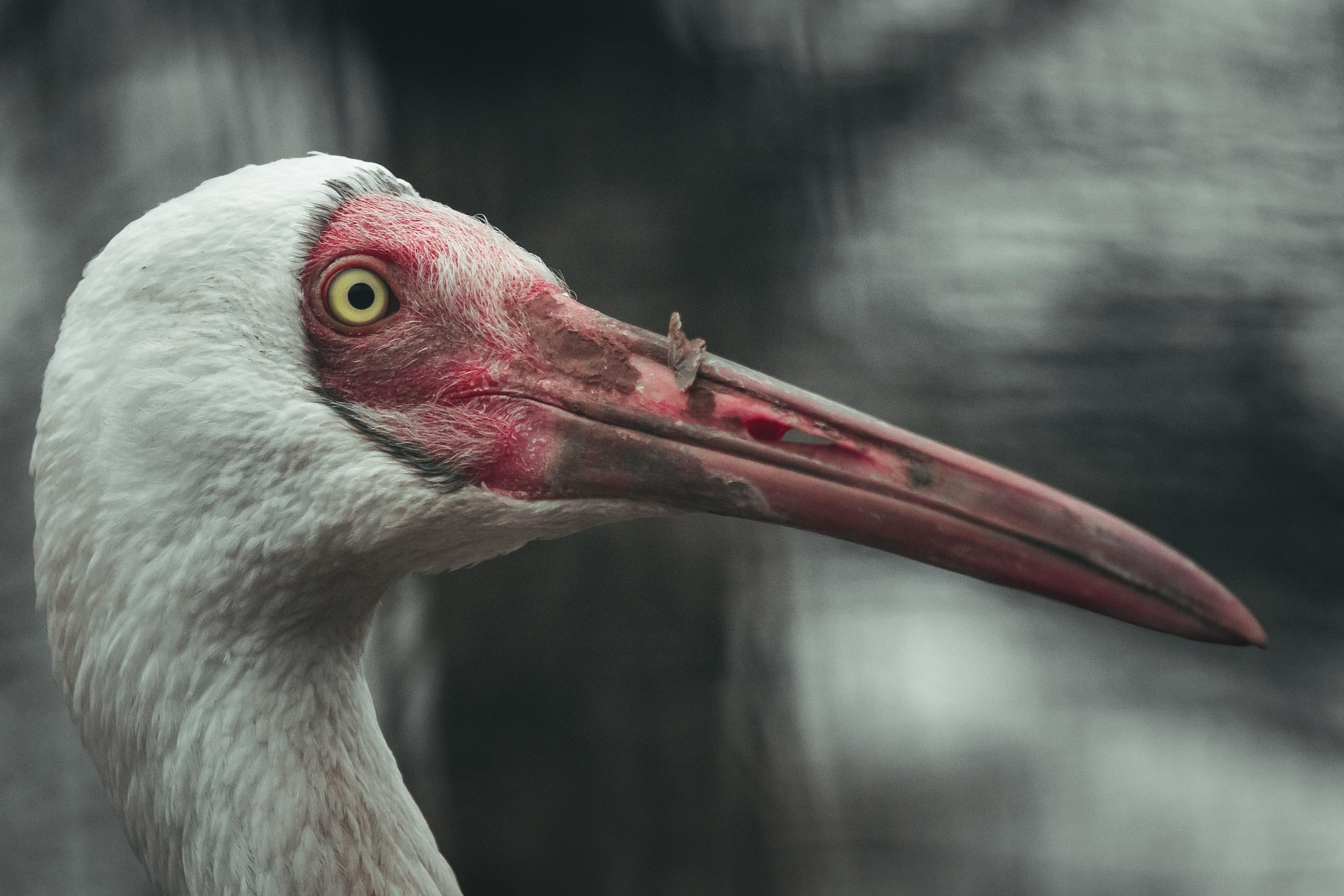
ソデグロヅルはどんな鳥?特徴、生態、生息地について解説します。英語名にシベリアが入っていることからもわかる通り、この鳥はロシアなどに分布しており、インドのあたりまで生息地に入っています。しかし絶滅危惧種に指定されている鳥です。


ソデグロヅルとは? 基本ステータスについて
ソデグロヅルは鳥綱ツル目ツル科ツル属に分類される鳥類。英語名はSiberian crane、学名はGrus leucogeranus。体長は140cm程度で体重は4-5kg、翼開長は230㎝になります。情報の一覧は以下の通り。
| Japanese(和名) | ソデグロヅル |
| English(英名) | Siberian crane |
| scientific name(学名) | Grus leucogeranus |
| classification(分類) | Aves、 Gruiformes、 Gruidae、Grus 鳥綱、ツル目、ツル科、ツル属 |
| IUCN Status(保全状況) | CRITICALLY ENDANGERED |
| Length(体長) | 120~140cm |
| Weight(体重) | 4-5kg |
分類学的位置づけ(タクソノミー)
| 階級 | 分類 |
|---|---|
| ドメイン | 真核生物 (Eukaryota) |
| 界 | 動物界 (Animalia) |
| 門 | 脊索動物門 (Chordata) |
| 綱 | 鳥綱 (Aves) |
| 目 | ツル目 (Gruiformes) |
| 科 | ツル科 (Gruidae) |
| 属 | ツル属 (Grus) |
| 種 | Grus monacha |
ソデグロヅルのルーツ、起源は?
ソデグロヅル(Leucogeranus leucogeranus)は、ツル科(Gruidae)の中でもかなり古くに分岐した系統と考えられている、非常に特徴的なツルです。現在はソデグロヅル属(Leucogeranus)に属する唯一の現生種です。
1. まず「ツル」の祖先までさかのぼる
ソデグロヅルは鳥類の中では、
鳥類
↓
ツル目(Gruiformes)
↓
ツル科(Gruidae)
↓
ツル亜科(Gruinae)
↓
ソデグロヅル属(Leucogeranus)
↓
ソデグロヅル
という系統に位置します。
ツル科には現在15種が知られており、大きく見ると、
- カンムリヅル亜科(Balearicinae)
- ツル亜科(Gruinae)
に分かれます。
遺伝学的研究では、カンムリヅル類が現生ツル類の中で最初期に分岐した系統とされ、その後にツル亜科が分岐したと考えられています。
2. ソデグロヅルは「ツルの中でも古い枝」
ここがソデグロヅルの起源を考えるうえで特に面白いところです。
DNAを使った系統解析では、ツル亜科の中で
ソデグロヅル(Leucogeranus)が、他の現生ツル類から最も早く分岐した系統
とされています。
イメージすると、
                 ┌─ ソデグロヅル
ツル亜科 ───────┤
                 │
                 └─ その他のツル類
                       ├─ アネハヅル類
                       ├─ ホオカザリヅル
                       ├─ ナベヅル
                       ├─ マナヅル
                       ├─ タンチョウ
                       └─ その他
という関係です。
つまりソデグロヅルは、現在のツル類の中でもかなり早い段階で独立した進化の道を歩み始めた系統なのです。
3. いつ頃分岐したの?
分子系統解析では、ソデグロヅル属が他のツル亜科から分岐したのは中新世後期(Late Miocene)頃と推定されています。
一方、ツル亜科そのものの共通祖先は中新世中期までさかのぼる可能性があります。化石記録とDNAデータを組み合わせた研究から、この時代に現在のツル類につながる系統が分化していったと考えられています。
したがって、大まかには、
中新世中期
↓
ツル亜科の祖先が発達
↓
中新世後期
↓
ソデグロヅル系統が他のツル類から分岐
↓
その後の進化
↓
現生ソデグロヅル
という流れです。
※「ソデグロヅルそのものが何百万年前に誕生したか」を化石だけから正確に決めるのは難しく、上記は主に分子系統研究から推定されたものです。
4. なぜソデグロヅルは独特なのか?
ソデグロヅルは、他のツルと比べてもかなり特徴的です。
純白の体+黒い翼端+赤い顔という組み合わせは非常に独特。
さらに、他の多くのツルに見られるような複雑な気管のコイル構造が発達していないことも特徴です。骨格研究でもソデグロヅルは他のツル類とは異なる特徴を持つことが確認されています。
このため、ソデグロヅルは単に「白いツル」なのではなく、ツル類の進化史を考えるうえで重要な独立系統なのです。
生息地について
ソデグロヅルはアフガニスタン、イラン、インド、中国、パキスタン、ロシアに分布しております。越冬するのでよく社会のニュースのコンテンツでトップにもなります。写真や動画などネットのページの中で見れます。
1. 地理的分布
- 繁殖地
- ロシア東部(沿海地方、サハリン周辺)
- 北朝鮮、中国北東部
- 湿地や川沿い、湿潤な草原で繁殖
- 越冬地
- 日本(鹿児島県の出水など)、韓国、中国南部
- 越冬期は水田や湿地、浅い湖沼に集まる
2. 生息環境の特徴
- 湿地・水田・浅い湖沼を好む
- 越冬時は、食物(種子、植物芽、水生生物)が豊富な場所に集まる
- 繁殖期は湿潤な草原や沼地の近く
- 巣は湿地や湿潤草原に地面の巣を作る
- 開けた場所で群れを作ることが多く、木の上で生活することは少ない
3. 移動・渡り
- 典型的な渡り鳥
- 繁殖地と越冬地を長距離移動(数千キロ)
- 東アジアのツル類の中でも、冬の越冬地が日本に集中している
4. 生息条件の重要性
- 湿地や水田の存在が必須
- 越冬地では人為的に保全された水田や干潟も利用
- 減少している湿地や水田の保全が、生息の鍵となる

特徴は?どんな感じの生物なのか?
ソデグロヅルは顔にかけて羽毛が無く赤い皮膚があり全身の羽衣は白い。虹彩は黄色や淡黄色で嘴は太くて長い。ソデグロヅルはロシアやシベリアなどで繁殖し、冬には中国南部やインドに渡りをする渡り鳥。浅い沼の湿地や芦原や藪のある湖の岸などで生息をしています。
1. 外見の特徴
体格
- 中型のツル
- 体長:約 110–120 cm
- 体重:約 2.7–3.6 kg(オス・メスほぼ同じ)
- 全体的に灰色の羽毛で覆われる
頭部・首
- 頭部は黒色で、顔や首の一部が白く「袖」のような模様がある
- 首は灰色で長く、スマートな体型
- くちばしは灰色で細長く、採食に適している
足・翼
- 足は長く、地上歩行や採食に適応
- 翼は大きく、飛翔可能で渡り鳥として長距離移動が可能
2. 行動・生態
食性
- 雑食性だが主に植物食
- 種子、水生植物の芽や根
- 小型の水生無脊椎動物(昆虫、ミミズなど)も摂取
- 水田や湿地で採食することが多い
社会性
- 繁殖期以外は群れで越冬・採食
- 渡りの際には大きな群れを作ることがある
- 繁殖期はペアで行動し、縄張りを持つ
鳴き声
- 高く透き通った声で、「キョーッ、キョーッ」と鳴く
- コミュニケーションや警戒に使用
3. 繁殖
- 巣は地面に作る
- 湿地や草地に、落ち葉や草を積んだ簡単な巣
- 産卵数:1〜3個
- 両親で卵を温め、ヒナを保護
- ヒナは数週間で巣立ちし、自立
4. 特殊な特徴
- 頭部の黒色と白い「袖」の模様が名前の由来
- 中型で飛翔可能なツルとして、渡り鳥の中では安定した長距離飛行能力を持つ
- 湿地や水田依存の生活が特徴で、生態系での役割が重要
生態はどうなっているのか?
ソデグロヅルの食性は植物食傾向の強い雑食で、植物の芽、根、果実、種子、昆虫、魚類、カエルを食べて生活します。繁殖形態は卵生。1回に1-2個の卵を産み、抱卵期間は27-29日。寿命は、野生のもので60年と言われています。
1. 生息環境との関係
- 湿地依存の渡り鳥
- 繁殖期はロシア東部や北朝鮮・中国北東部の湿潤草原や湿地
- 越冬期は日本(鹿児島出水など)、韓国、中国南部の水田・干潟・浅水域
- 地面に巣を作るため、開けた湿地や草地が必要
- 水辺の存在は、採食やヒナの安全確保に重要
2. 食性
- 雑食性だが植物中心
- 種子、穀物、水生植物の芽や根
- 昆虫、ミミズ、小型水生無脊椎動物も摂取
- 水田や湿地で歩きながら採食
- 越冬地では、人間の耕作地(稲の残穀)も利用
3. 移動・渡り
- 典型的な渡り鳥
- 繁殖地と越冬地の間を数千キロ移動
- 日本では毎年10月頃に渡来、3月頃に繁殖地へ帰る
- 渡りの途中で群れを作り、移動中も湿地や水田で休息
4. 社会性・行動
- 繁殖期以外は群れで越冬
- 繁殖期はペアで縄張りを持つ
- 鳴き声は高く透き通る声で「キョーッ、キョーッ」と鳴く
- 繁殖期や警戒時に使用
- 低い飛行力だが、長距離渡りに適応した安定飛行能力
5. 繁殖・育雛
- 巣は地面に作る
- 湿地や草地に落ち葉・草を積んだ簡単な巣
- 産卵数:1〜3個
- 両親で卵を温め、ヒナを保護
- ヒナは数週間で巣立ちし、親のもとで採食を学ぶ
天敵はいるのか?
ソデグロヅルは天敵と言えるものは特にありません。

ソデグロヅルのヒナについて
では、ソデグロヅル (Grus monacha) のヒナ(幼鳥)について詳しく整理します。
1. 産卵と孵化
- 産卵数:1回の繁殖で 1〜3個
- 巣の場所:地面の湿地や草地に作る
- 落ち葉や草を積み上げた簡単な巣
- 卵の色・大きさ:淡緑色〜青緑色、約 7–8 cm
- 孵化日数:約 27〜30日
2. ヒナの外見
- 羽毛は淡い茶色〜茶褐色で縞模様があり、周囲の環境に溶け込む保護色
- 頭部や首はまだ黒色ではなく、成鳥の特徴的な色は未発達
- 足や翼は小さく、飛翔能力はなく、歩くのも慎重
3. ヒナの行動
- 両親(特にオス)がヒナを保護
- 巣立ち前は巣周辺で生活し、捕食者から隠れる
- 採食は親の導きで学ぶ
- 繁殖期初期は湿地の浅瀬で親と一緒に歩きながら餌を学ぶ
4. 成長と自立
- 初期は巣や親鳥に依存
- 羽毛の縞模様が徐々に消え、灰色の体色に変化
- 頭部の黒色や首の白い袖模様は数か月かけて発達
- 自立するのは孵化後2〜3か月程度で、渡りのための飛行練習も親と共に行う
5. 生存のポイント
- 幼鳥は猛禽類や外来捕食者(犬、猫)に弱い
- 地面に巣を作るため、隠れる場所と親の保護が生存の鍵
- 越冬地では、群れの中で安全に採食を学ぶ
ソデグロヅルは絶滅危惧種なのか?
ソデグロヅルは絶滅危惧種(レッドリスト)に指定されています。ソデグロヅルは世界的に数が少ないうえに開発などの影響で、更なる生息数の減少が問題になっています。
1. IUCNレッドリストによる分類
- 分類:絶滅危惧 II 類(VU:Vulnerable)
- これは、野生個体群が減少傾向にあり、将来的に絶滅のリスクがあることを意味します。
2. 個体数・分布の状況
- 主に東アジアに分布
- 繁殖地:ロシア東部、北朝鮮、中国北東部
- 越冬地:日本(鹿児島県出水など)、韓国、中国南部
- 世界の個体数は 約1万羽前後と推定される
- 越冬地での群れは数百羽規模で観察されることもある
3. 主な脅威
- 湿地・水田の減少
- 農地開発や干拓、都市化による生息地の消失
- 越冬地での人為的影響
- 餌場の管理不十分、農薬による食害リスク
- 気候変動
- 渡りルートや湿地環境の変化が生存に影響
- 捕食・人間活動
- 幼鳥や卵が捕食されやすい
- 不法捕獲は少ないが影響あり
4. 保全状況
- 日本では出水のツル渡来地が自然記念物に指定され保護
- 韓国、中国でも保護区で生息地を確保
- 国際的にはCITES附属書IIに登録され、国際取引が規制されている
- 湿地保全と越冬地での餌場管理が保全の鍵
ソデグロヅルは飼育できるのか?
ソデグロヅルは絶滅危惧種であるため、飼育することは極めて困難です。動物園でイベントで案内されているのでHPのサイトマップからデータ、内容や活動を見てみましょう。研究も進んでいる動物です。
1. 飼育の現状
- 主に動物園や研究・保護施設で飼育される
- 野生採取は厳しく制限されており、個人の捕獲は違法
- ペットとして飼育される例はほぼない
2. 法的規制
- **絶滅危惧種(VU)**として保護対象
- CITES(ワシントン条約)附属書IIに登録され、国際取引には許可が必要
- 日本や韓国、中国でも個人飼育は法律上ほぼ不可能
- 野生個体の捕獲・飼育は違法
3. 飼育環境の条件
飼育施設
- 広い敷地が必要(地面で歩き回れるスペース)
- 湿地や浅水域を再現
- 水場、湿った土壌、草地を用意
- 長距離飛行は難しいが、飛翔を補助できる広いスペースが望ましい
食事
- 雑食性だが植物中心
- 水生植物、穀物、種子
- 補助的に昆虫や小型水生生物も与える
- 越冬地での採食を模したバランスの良い給餌が必須
社会性
- 繁殖期はペアで飼育する必要がある
- 越冬期の群れ行動を模倣できる広い環境が望ましい
4. 繁殖
- 飼育下で繁殖は可能
- 巣は地面に作るため、湿地や草地の再現が必須
- ペア飼育でオス・メス両方の育雛行動を再現
飼育されている動物園(日本・世界)
ソデグロヅルは現在も世界の動物園で飼育されている希少なツルです。日本では複数の動物園で確認できます。JAZAには国内施設の飼育動物検索システムがあります。
🇯🇵 日本
現在確認できる主な飼育施設は以下です。
| 動物園 | 所在地 | 状況 |
|---|---|---|
| 八木山動物公園 | 宮城県仙台市 | 飼育実績あり |
| 多摩動物公園 | 東京都日野市 | 現在飼育・展示 |
| 天王寺動物園 | 大阪府大阪市 | 飼育実績あり |
| 平川動物公園 | 鹿児島県鹿児島市 | 現在飼育 |
過去のJAZA飼育動物データでは、この4園が国内の飼育園として挙げられています。
特に多摩動物公園は、現在もソデグロヅルの繁殖に取り組んでいます。2025年3月に隔離施設からソデグロヅル舎へ移し、4月から展示を再開。3ペアでの繁殖を目指しており、2025年5月には産卵も確認されています。
また、多摩動物公園では1996年に国内初の人工授精・人工育雛による繁殖に成功しており、日本国内のソデグロヅル飼育・繁殖で重要な施設です。
平川動物公園では、オス・メス各1羽を飼育していることが公式ページに記載されています。
🌎 世界
海外では、日本より多くの施設で飼育記録があります。
ヨーロッパ
- Tierpark Berlin(ドイツ)
- Cologne Zoological Garden(ドイツ)
- Weltvogelpark Walsrode(ドイツ)
- Tallinn Zoo(エストニア)
- Pairi Daiza(ベルギー)
- Zoopark Chomutov(チェコ)
Zootierlisteでは、ドイツ4施設、エストニア1施設、フランス3施設など、欧州各国の飼育施設が掲載されています。
ロシア
- モスクワ動物園
- モスクワ動物園繁殖施設
- ヤロスラヴリ動物園
- ノヴォシビルスク動物園
- ロエフ・ルチェイ動物園
- カリーニングラード動物園
- イヴァノヴォ動物園
- Limpopo Zoo
- Wildlife Park DoDo
などで飼育記録があります。
中国
- 北京動物園
- 大連森林動物園
- 長春動植物公園
- 北方森林動物園
などが記録されています。
中央アジア
- タシケント動物園(ウズベキスタン)でも飼育記録があります。
🐦 特に注目すべき施設
ソデグロヅルを見る目的なら、日本では多摩動物公園と平川動物公園が特に注目です。
ソデグロヅルはIUCNで**CR(絶滅危惧IA類)**に分類される希少種で、飼育下繁殖も保全上重要です。
※動物園の飼育状況は移動・繁殖・死亡などで変わるため、「過去に飼育していた施設」と「現在展示している施設」は区別する必要があります。JAZAも、飼育動物検索について現在展示されていない個体が含まれる場合があると注意しています。

他の記事もおすすめ

コメント