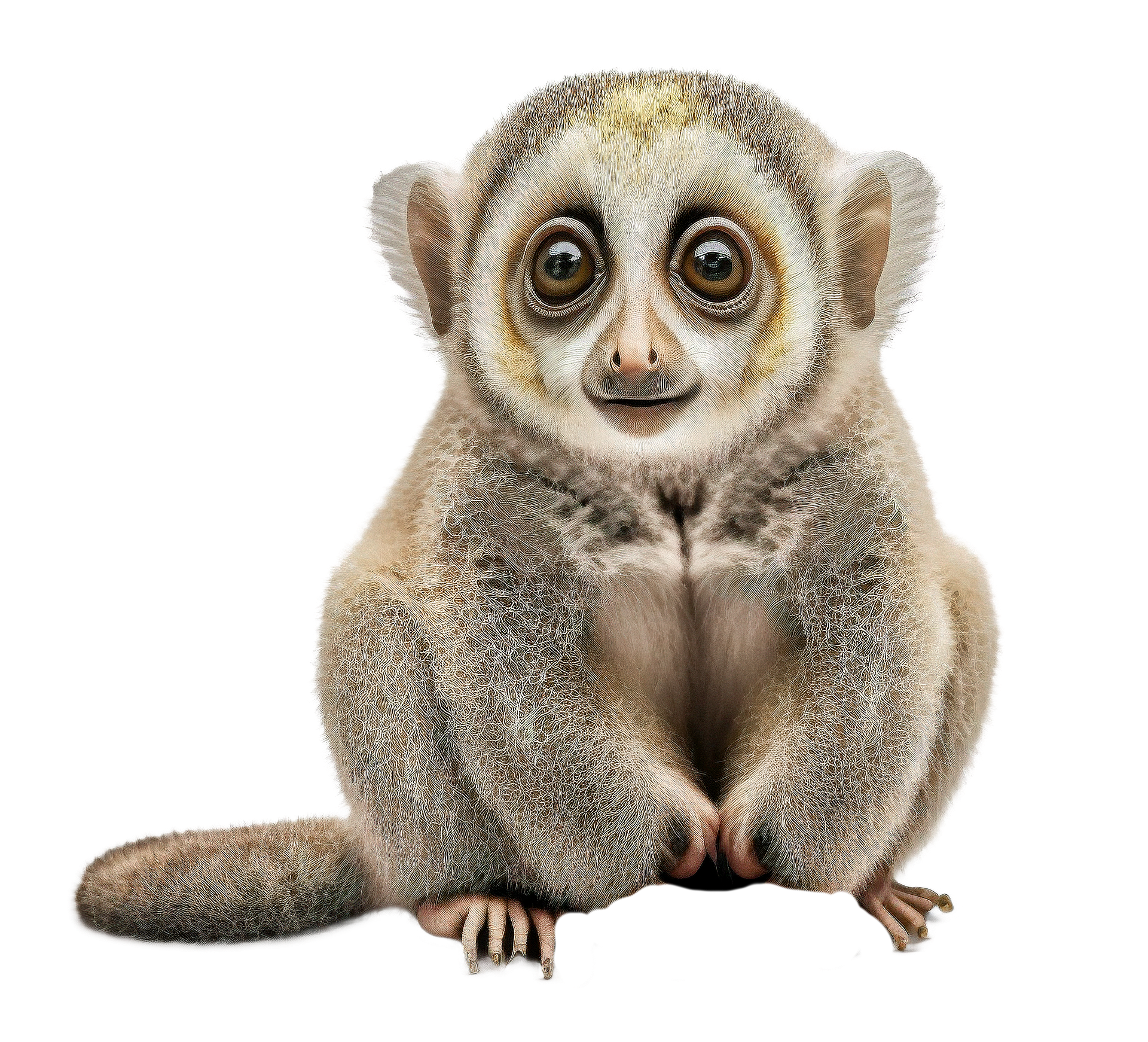
スローロリスはどんな動物?特徴、生態、生息地について解説します。ぬいぐるみのような可愛いこのリスの動物は世界的にもとても人気があります。今回はスローロリスの生態や生息地などについてまとめて紹介していきますので参考にしてもらえればと思います。


スローロリスとは? 基本ステータスについて
スローロリスは霊長目ロリス科に分類されるスローロリス属の動物です。体長は26.5 – 38cm、体重は0.4 – 2 kg。
| Japanese(和名) | スローロリス |
| English(英名) | slow loris |
| scientific name(学名) | Nycticebus |
| classification(分類) | Mammalia、 Primates、Lorisidae、Nycticebus 哺乳綱、霊長目、ロリス科、スローロリス属 |
| IUCN Status(保全状況) | ENDANGERED |
| Length(体長) | 26.5 – 38cm |
| Weight(体重) | 0.4 – 2 kg |
スローロリスのルーツ、起源は?
スローロリス(Slow loris)のルーツをたどると、約4,000万年前の古代霊長類までさかのぼると考えられています。現在のスローロリスは、霊長類の中でもかなり古い系統を残す「原猿類(曲鼻猿類・ストレプシリニ)」の仲間です。
1. 起源は「古代アフリカの小型霊長類」
スローロリスが属するロリス科(Lorisidae)は、キツネザルなどと同じ「曲鼻猿類(Strepsirrhini)」というグループです。
進化の流れは大まかに:
初期の霊長類(約6,500万年前以降)
↓
曲鼻猿類(約4,000万年前頃に分岐)
↓
ロリス類(Lorisidae)
↓
アジアへ進出したロリス亜科
↓
スローロリス属(Nycticebus)
という流れになります。
2. もともとはアフリカ系統だった?
現在のスローロリスは、
- インド
- バングラデシュ
- ミャンマー
- タイ
- マレーシア
- インドネシア
など東南アジアに生息しています。
しかし祖先のロリス類は、進化史的にはアフリカ起源だった可能性が高いとされています。そこから一部の系統がアジアへ移動し、現在のスローロリスにつながりました。
3. なぜ「ゆっくり動く」姿になったのか?
スローロリスは名前通り動きが非常に遅いですが、これは弱点ではなく進化戦略です。
森林生活の中で、
- 夜行性になる
- ゆっくり静かに動く
- 枝につかまり続ける強い手
- 捕食者に見つかりにくい動き
を発達させました。
さらにスローロリスは霊長類では珍しく毒を持つ動物です。
肘付近の分泌腺から出る液体と唾液を混ぜて毒性を持たせ、捕食者や仲間との争いに利用します。
4. スローロリスは「生きた化石」なのか?
よく「生きた化石」と呼ばれますが、正確には、
昔の姿のまま止まっている動物ではなく、古い霊長類の特徴を残しながら独自進化した動物
です。
特に、
- 大きな目(夜行性適応)
- 鼻が湿っている(嗅覚重視)
- 指の構造
- ゆっくりした代謝
などは、初期の霊長類の特徴を感じさせます。
分類について
スローロリスは1785年にTardigradus coucangという学名で初めて記載されました。1800年から1907年までに多数のスローロリス属の種がいくつか報告されそれまで発見されていた全てのスローロリスを1つの種として分類することになりました。以下の亜種が存在しますが、絶滅危惧種に指定されています。
| Name (名前) | Scientific Name (学名) |
| Bengal slow loris ベンガルスローロリス | Nycticebus bengalensis |
| Sunda slow loris スンダスローロリス | Nycticebus coucang |
| Javan slow loris ジャワスローロリス | Nycticebus javanicus |
| Bornean slow loris ボルネオスローロリス | Nycticebus menagensis |
| Lesser slow loris レッサースローロリス | Nycticebus pygmaeus |
Nycticebus bengalensis
インド亜大陸とインドシナ原産のスローロリスの一種です。 スローロリスの中で最大の種で、頭から尻尾までの長さは26~38 cm、体重は1 ~ 2.1 kgです。丸い頭、平らな顔、大きな目、小さな耳が大きな特徴で、現在絶滅危惧種に指定されています。
Nycticebus coucang
スンダ・スローロリスはインドネシア、西マレーシア、タイ南部、シンガポール原産。他のスローロリスと同様に、濡れた鼻、丸い頭、厚い毛皮に隠れた小さな耳があります。現在絶滅危惧種に指定されています。
Nycticebus menagensis
インドネシアのジャワ島の西部および中部に生息しているのがジャワスローロリス。額には目立つ白いダイヤモンド模様があります。体重は565~687 g、頭胴長は約293mmです。ワシントン条約の付属書 I に登録されていて、絶滅危惧種に指定されています。
Nycticebus borneanus
インドネシアのボルネオ島中南部に生息するスローロリス。他のスローロリスと同様に、この樹上性および夜行性の動物であり、野生生物の違法取引によって脅かされています。現在絶滅危惧種に指定されています。
Nycticebus pygmaeus
レッサースローロリス、ピグミースローロリスは、ベトナム、ラオス、カンボジア東部、中国のメコン川以東で見られるスローロリスの一種です。体長は約 19~23 cm で、尾は非常に短いです。現在絶滅危惧種に指定されています。
生息地について
生息地は主に東南アジアから南アジアの一帯になります。多くの亜種がいますので地域によって会えるタイプは違います。
🌴 1. 基本情報
- 学名:Nycticebus 属
- 分布:東南アジアを中心に生息
- インド北東部、スリランカ、インドネシア(ジャワ、スマトラ、カリマンタン)、マレーシア、タイ、ベトナムなど
- 生息環境:
- 熱帯雨林、二次林、竹林、農地周辺の樹林
- 樹上生活を中心とする夜行性霊長類
🐾 2. 棲む場所の特徴
- 低地から丘陵の森林が中心
- 密な樹木や枝が多い場所を好む
- 夜行性であるため、昼間は葉の間や枝でじっと休む
- 危険を避けるため、捕食者が少なく隠れやすい場所を選ぶ
特徴は?どんな感じの生物なのか?
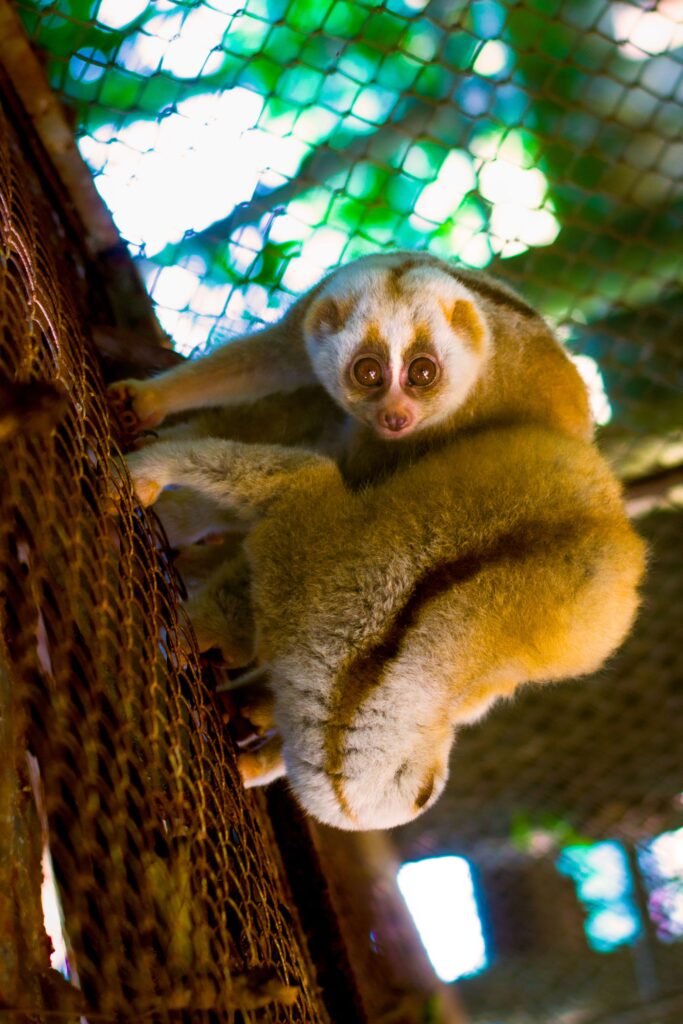
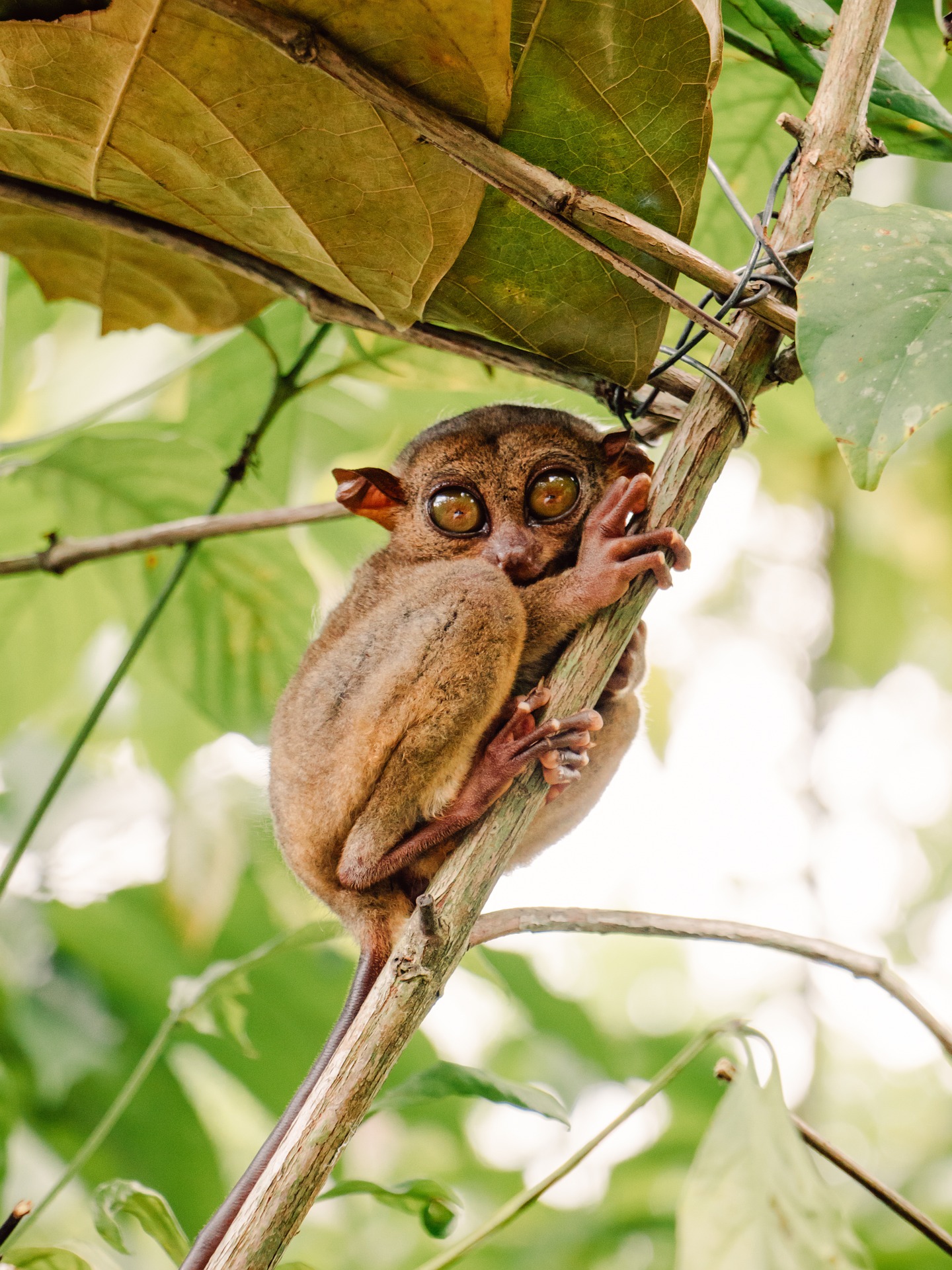
スローロリスは走ったりジャンプしたりして逃げることができない変わったリスです。スローロリスは樹上生活者で、夜行性。枝から枝に移動する時、ほとんど音を立てず、ゆっくりしたスピードを維持できるため、敵に気づかれません。昼間は枝分かれした木の間で昼寝をします。体全体に羊毛状の短い毛が生えていて色は背中が灰褐色から赤褐色です。しっぽはとっても短く、体毛に隠れていてほとんど見えません。
🐵 1. 見た目の特徴
- 体の大きさ:小型~中型
- 体長:約18〜38 cm(種によって差あり)
- 体重:約265〜600 g
- 顔:丸くて大きな目が特徴
- 夜行性のため、暗闇でもよく見える
- 大きな目は「愛らしいぬいぐるみ」のように見えるが、警戒心が強い
- 手足:樹上生活に適応
- 指が長く、木の枝をしっかり握れる
- 後肢も発達しており、ゆっくりだが確実に移動
- 体毛:柔らかく、灰色~茶色系
- 頭部に「V字模様」や目の周りの黒いリングを持つ種もいる
🌙 2. 行動・性格の特徴
- 夜行性
- 夜間に活動し、昼間は木の枝や葉の間でじっと休む
- 非常にゆっくりした動き
- 名前の通り「スロー」で静か
- 捕食者に気付かれにくいよう、慎重に動く
- 単独行動が多い
- 小さな縄張りを持ち、孤独で過ごすことが多い
🦗 3. 食性
- 雑食性だが果実・樹液・昆虫中心
- 樹液や樹皮の汁、花蜜、果物を食べる
- 昆虫や小型無脊椎動物も捕食
- 食べ物をゆっくり選ぶ
- 木にとまったまま、少しずつ食べる
🧠 4. 特徴的な生態ポイント
- 毒を持つ霊長類(Nycticebus 属のみ)
- 肘の腺から分泌される毒を唾液に混ぜて、防御や捕食に利用
- 警戒心が非常に強い
- 大きな目に反して臆病で、人間や他の動物にすぐ隠れる
- 樹上生活に完全適応
- ゆっくりでも枝から落ちず、安全に移動できる
性格はどんな感じなのか?
スローロリスは警戒心が強く、夜行性でもあるため、慎重な行動をします。大きな音などを与えるとストレスを感じてしまうため、取り扱いに注意が必要になります。特にペットにしている方は静かな生活を心がける必要があります。基本的に単独行動をしていて威嚇するときにだけ鳴き声をします。
🌙 1. 基本的な性格
- 臆病で警戒心が強い
- 捕食者や人間に非常に敏感
- 音や光に反応して身を隠す
- 慎重で用心深い
- 木を移動するときはゆっくり、確実に枝をつかみながら動く
- 突然の動きは避け、ストレスに弱い
🐾 2. 社会性・孤独性
- 単独行動が基本
- 夜間に縄張り内で活動
- 小さなグループや親子単位で生活することはあるが、基本的には孤独を好む
- 縄張り意識がある
- 匂いや鳴き声で存在を知らせ、他個体を遠ざける
🦗 3. コミュニケーション
- 鳴き声:低く小さな声で仲間と合図
- 匂い:肘や腋の腺からの分泌物で縄張りや個体認識
- 警告行動:攻撃的ではないが、脅威を感じると唾液に毒を混ぜて噛むこともある
🌳 4. 食性・行動の性格
- 慎重な採食者
- 枝にとまってゆっくり観察しながら食べる
- ゆっくりした動きで、捕食者に気付かれにくい
- 夜行性・観察力が高い
- 暗闇でも昆虫や樹液を見つける
- 動きが遅くても判断力は鋭い
生態はどうなっているのか?
スローロリスは樹液、花蜜、果物、昆虫などを食べて生活をします。繁殖に季節性はなくメスは1年間隔で出産します。 妊娠期間は約190日で1回につき1頭産むことが可能。寿命は15~20年程度と言われています。
🌴 1. 生息環境
- 地域:東南アジア全域
- インド北東部、スリランカ、タイ、マレーシア、ベトナム、インドネシア(スマトラ・ジャワ・カリマンタン)
- 環境:熱帯雨林、竹林、二次林、農地周辺の樹林
- 生活場所:ほぼ樹上生活(下層~中層の枝)
- 特徴:昼間は葉や枝の間でじっと休む
🌙 2. 行動パターン
- 夜行性
- 昼間は木の間で静かに休む
- 夜になると活動開始、餌探しや移動を行う
- ゆっくりした動き
- 名前の通り「スロー」で静かに移動
- 捕食者に気づかれにくい慎重さ
- 単独性・縄張り性
- 基本は単独行動
- 小さな縄張りを持ち、匂いや鳴き声で存在を示す
🦗 3. 食性
- 雑食性(果実・樹液・昆虫中心)
- 果物、花蜜、樹液、樹皮の汁を摂取
- 小型昆虫や無脊椎動物も捕食
- 採食行動
- 枝にとまったまま少しずつ食べる
- 動きはゆっくりだが観察力が高い
🍼 4. 繁殖・成長
- 繁殖様式:胎生(哺乳類)
- 出産:1回に1~2匹が多い
- 妊娠期間:約6ヶ月
- 子育て:母親が抱えて育てる
- 成長:生後数ヶ月で枝上移動、半年で独立に近い動きが可能
🐾 5. 防御・特殊生態
- 毒を持つ霊長類
- 肘腺から分泌される毒を唾液に混ぜ、防御や捕食に使用
- 警戒心が強く、慎重で孤独
- 樹上生活に完全適応
- ゆっくりでも落下せず安全に移動できる
天敵はいるのか?
スローロリスは、毒性哺乳類です。毒素を敵が舐めたり、擦ることによってダメージを与え自分の身を守っています。小動物であれば死に至らせることもあり、 人間に対してはアナフィラキシーショックを与えることができます。このため、毒を持つスローロリスは基本的に捕食されることは少ないです。
スローロリスの鳴き声
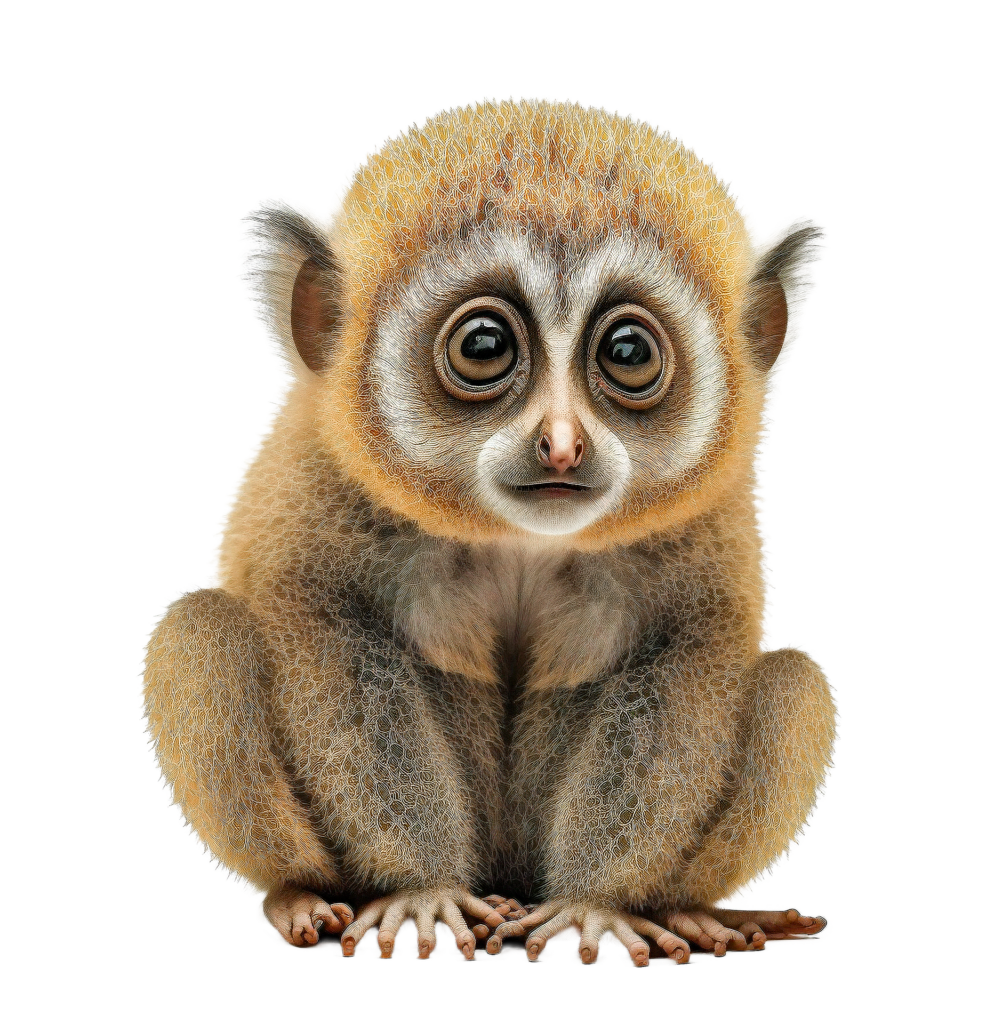
スローロリスの鳴き声は、見た目の可愛らしさとは違って、小さく高い声から鋭い警戒音まで、意外と多彩です。
代表的な鳴き声は以下のようなものがあります。
1. 「チーチー」「キィー」という高音
- 仲間とのコミュニケーション
- 子どもが母親を呼ぶ声
- 不安や緊張時
に出します。
2. 「シャーッ」「ギャッ」という警戒音
危険を感じた時に出す声です。
スローロリスは動きが遅いため、逃げるよりも、
- 体を固める
- 威嚇する
- 毒を使う準備をする
という防御行動を取ります。
3. 超音波に近い高周波音
一部のスローロリス類では、人間の耳では聞き取りにくい非常に高い周波数の音を使うことがあります。
これは、
- 捕食者への警戒
- 仲間への合図
- 母子間の連絡
などに使われると考えられています。
4. 繁殖期の声
オスとメスは、
「ピッ、ピッ」
「キュッ、キュッ」
のような短い呼び声で互いを探します。
季節別の活動
スローロリスの活動は、季節によって大きく変化するというより、雨季・乾季の環境変化(食べ物の量、気温、繁殖条件)に合わせて変化します。東南アジアの熱帯林に暮らすため、日本の動物のような「冬眠」「渡り」のような大きな季節行動はありません。
春(雨季の始まり・植物が増える時期)
活動量:やや増加
- 新芽や果実、昆虫が増える
- 夜間の採食活動が活発になる
- 繁殖行動が見られる地域もある
主な行動:
- ゆっくり枝を移動して新しい餌場を探す
- 樹液や花蜜を舐める
- 昆虫を捕まえる
スローロリスは視覚より嗅覚を重視するため、夜の森で匂いを頼りに餌を探します。
夏(雨季・食料が豊富な時期)
活動量:高め
この時期は森林が最も豊かな季節です。
増える行動:
- 果実を食べる
- 花の蜜を吸う
- 昆虫や小動物を捕食する
- 樹上を広範囲に移動する
特に昆虫が増えるため、タンパク質を多く取れる季節です。
ただし、昼間はほぼ休みます。
昼:
- 樹洞
- 葉の密集した場所
- 枝の間
などで丸まって寝ています。
夜:
- 日没後に活動開始
- 数時間かけてゆっくり採食
秋(乾季への移行期)
活動量:普通〜やや低下
食料が減り始めるため、
- 移動距離を短くする
- 効率の良い餌場を利用する
- エネルギー消費を抑える
傾向があります。
また、脂肪を大量に蓄える動物ではないため、冬眠のような準備はしません。
冬(乾季)
活動量:低下傾向
東南アジアでは寒さよりも「乾燥」が問題になります。
変化:
- 昆虫が減る
- 果実が少なくなる
- 夜間の活動時間が短くなることがある
行動:
- 近い範囲で餌を探す
- 樹液・樹皮・葉などを利用する
- 省エネルギー型の生活になる
寒冷地域ではありませんが、気温低下時には活動が鈍くなることがあります。
歩行速度
スローロリスの歩行速度は、名前の通り非常にゆっくりです。正確な速度は種類や状況によって異なりますが、一般的には秒速数センチメートル程度の低速移動をします。
目安となる移動速度
- 通常歩行:約0.1〜0.3 km/h程度
- 枝の上を移動する時:数cm〜十数cm/秒ほど
- 急いで逃げる時でも、他の霊長類のような高速走行はしない
(※野生下では地面を走るより、ほとんどが樹上移動です)
1. 「見つからない」ための進化
スローロリスは捕食者から逃げるより、
- ゆっくり動く
- 音を出さない
- 周囲の枝や葉に紛れる
という戦略を取っています。
速く動くと枝が揺れ、フクロウやヘビなどの捕食者に発見されやすくなるためです。
2. 強力な握力で省エネ移動
スローロリスは、
- 手足で枝をしっかりつかむ
- 長時間同じ姿勢を維持する
- 少ない筋力消費で移動する
能力があります。
そのため、1本の枝をゆっくり渡りながら、長時間活動できます。
3. 「世界で最も遅い霊長類」の一つ
サルの仲間の多くは、
- ジャンプする
- 素早く枝を飛び移る
- 群れで逃げる
という能力を持っています。
一方スローロリスは、
「動かないこと自体を武器にした霊長類」
です。
スローロリスの幼獣について
スローロリス(Slow loris)の**幼獣(赤ちゃん・子スローロリス)**について、生態や成長の面から詳しくまとめます。
1. 出産と初期の特徴
- 出産:通常1回に1〜2匹
- 体重・大きさ:出生時は約50〜150 g、体長は10〜15 cm程度
- 毛:柔らかく密生した体毛
- 目:大きく、夜行性に適応しているが、視力はまだ未熟
- 手足:指が長く、枝を握れるがジャンプや長距離移動はまだできない
2. 成長・発達
- 授乳期間:母親に抱かれ、完全に母乳に依存
- 独立:生後3〜6か月で少しずつ枝間を移動
- 樹上生活の習得:母親や周囲の個体を観察して枝の握り方、ゆっくりした移動法を学ぶ
- 成体の大きさ:生後1年ほどでほぼ成体と同程度に成長
3. 行動・性格
- 母親依存が非常に強い
- 最初の数か月は常に母親に抱かれて生活
- 警戒心が高い
- 幼獣も生まれつき臆病で、音や光に敏感
- 遊び行動で運動能力を習得
- 枝にとまりながら遊ぶことで、後肢のジャンプ力や手足の器用さを身につける
4. 夜行性への適応
- 最初は母親に抱かれて夜を過ごす
- 目や感覚が発達するにつれ、夜間に独立して採食や探索行動が可能になる
スローロリスは絶滅危惧種なのか?
スローロリスは絶滅危惧種に指定されています。これには以下のような原因があります。保護対策は種ごとに講じられていないですので国任せになってしまっています。
生息地の喪失
東南アジアや南アジアは世界で最も開発されている土地です。スローロリスの住処となる森が消えるとだんだん身を隠せる場所がなくなり、捕食されてしまいます。
密猟の横行
スローロリスを狙った密猟もとても増えています。ペットとしてもとても人気があるため、乱獲されており、生息地の分断や縮小が起こってしまっております。
スローロリスは飼育できるのか?
スローロリスは絶滅危惧種であるため、非常に稀少な生き物です。ペットとして飼うさいはお住みの国において登録などの手続きが必要になります。
スローロリスの値段は?
スローロリスはとても希少な動物となっており、もし買うとなると、日本円で20万円~100万円いじょうがかかるといわれています。数少ない生き物でかなり高騰しています。さらには国内で繁殖された個体か、里親としての譲渡ででしか手に入らないでしょう。
必要なものはどんなもの?
ケージ、餌、止まり木、巣箱が最低限必要になります。スローロリスは樹木の上で生活しているので、止まり木が必須。スローロリスは雑食性で、果物、野菜、ドッグフードなどで代用できます。温度管理も必須です。スローロリスは基本的に暑さに強く寒さに弱い生き物です。27℃で調整をしましょう。
飼育されている動物園(日本・世界)
スローロリスは夜行性・樹上生活・毒を持つ特殊な霊長類のため、飼育している動物園はそれほど多くありません。しかし日本では複数の動物園で見ることができます。
🇯🇵 日本で飼育されている主な動物園
上野動物園(東京)
上野動物園では、**レッサースローロリス(ピグミースローロリス)**やスローロリス類の展示実績があります。夜行性動物として飼育されており、小型霊長類エリアで見ることができます。
特徴:
- 体重:約200g前後
- 大きな目
- 夜間に活動
- 果実・昆虫などを食べる
千葉市動物公園(千葉)
千葉市動物公園では**レッサースローロリス(Nycticebus pygmaeus)**を飼育しています。夜行性動物として展示されています。
見どころ:
- ゆっくりした独特の動き
- 強い握力で枝をつかむ姿
- 暗い展示室で活動する様子
札幌市円山動物園(北海道)
札幌市円山動物園では**スンダスローロリス(Greater Slow Loris)**を飼育しています。
特徴:
- 東南アジア原産
- 体が比較的大きい種類
- 樹上で静かに移動する姿が見られる
🌏 世界で飼育されている主な施設
海外では、スローロリス類は主に動物園・保護施設・繁殖プログラムで飼育されています。
代表例:
🇬🇧 ZSL London Zoo
- 小型霊長類の保護・研究で有名
- 夜行性動物展示の実績あり
🇺🇸 San Diego Zoo
- 希少霊長類の保全活動を行う大型動物園
🇸🇬 Singapore Zoo
- 東南アジア産動物の展示が多い
- ロリス類の保護・教育展示に力を入れている
🇲🇾 東南アジアの保護施設
生息地である、
- マレーシア
- インドネシア
- ベトナム
- カンボジア
などでは、密輸・ペット化から保護された個体のリハビリ施設があります。

他の動物を紹介


コメント