
ヨーロッパミンク(Mustela lutreola)の特徴、生態、生息地について解説します。ヨーロッパミンクは以前はヨーロッパ全土に広く生息していたのですが、かなりの数が減っており危機的な状況となってしまっております。彼らがこれほどまでに数を少なくしたため絶滅危惧種に指定されています。


ヨーロッパミンクとは? 基本ステータスについて
ヨーロッパミンクは哺乳綱ネコ目(食肉目) イヌ亜目 イタチ科イタチ属に分類される食肉類。体長は28-43cm。体重は0.5-0.8kg、尾長は12-19cmです。学名はMustela lutreola。
| Japanese(和名) | ヨーロッパミンク |
| English(英名) | European mink |
| scientific name(学名) | Mustela lutreola |
| classification(分類) | Mammalia、 Carnivora、Mustelidae、Mustela 哺乳綱、食肉目、イヌ亜目、イタチ属 |
| IUCN Status(保全状況) | CRITICALLY ENDANGERED |
| Length(体長) | 28-43cm |
| Weight(体重) | 0.5-0.8kg |
ヨーロッパミンクのルーツ、起源は?
ヨーロッパミンク(学名:Mustela lutreola)のルーツは、約数百万年前にユーラシア大陸で進化したイタチ科(Mustelidae)の仲間にさかのぼります。
現在は絶滅危惧種ですが、かつてはヨーロッパから西アジアまで広く分布していました。
1. 分類上の位置
ヨーロッパミンクは、
- 食肉目(Carnivora)
- イタチ科(Mustelidae)
- イタチ属(Mustela)
に属します。
進化の流れは、
古代の食肉類(約5000万年前)
↓
イタチ科の祖先(約2000万〜3000万年前)
↓
イタチ属(Mustela)の分化
↓
ミンク類の祖先
↓
ヨーロッパミンク(Mustela lutreola)
という流れです。
2. ミンク類の誕生
「ミンク」はテン属(Martes)ではなく、イタチ属(Mustela)に近い水辺型のイタチです。
祖先となったイタチ類は、
- 小型
- 細長い体
- 短い脚
- 素早い動き
を持つ森林性の捕食者でした。
そこから一部の仲間が、
- 川辺
- 湖
- 湿地
へ進出し、水中で狩りをする能力を発達させました。
3. 水辺生活への進化
ヨーロッパミンクの最大の特徴は、半水生生活への適応です。
進化によって、
体の特徴
- 密度の高い防水性の毛
- 長い胴体
- 水中で動きやすい体型
- 指の間のわずかな水かき
を獲得しました。
これにより、
- 魚
- カエル
- ザリガニ
- 水鳥
- 小型哺乳類
を捕食できるようになりました。
4. ヨーロッパミンクはいつ誕生した?
化石記録や遺伝的研究から、現在のヨーロッパミンクにつながる系統は、
約100万〜数百万年前の更新世初期〜中期
に形成されたと考えられています。
氷期と間氷期を繰り返したユーラシア大陸の環境変化の中で、
- 河川
- 湿地
- 森林周辺
に適応して生き残りました。
分類について
ヨーロッパミンクの仲間はアメリカミンクから分化した仲間とされています。以下のような亜種も存在します。
- Mustela lutreola lutreola
- Mustela lutreola biedermani
- Mustela lutreola torovi
学名と分類
- 学名:Mustela lutreola
- 科:イタチ科(Mustelidae)
- 属:イタチ属(Mustela)
- 種:ヨーロッパミンク (Mustela lutreola)
生息地について
ヨーロッパミンクはウクライナ、スペイン、フランス、ルーマニアに生息しています。以前はセルビア、エストニア、チェコ、カザフスタンなどにも分布していましたが、かなりの数が絶滅しました。
1. 地理的分布
- 元々はヨーロッパ全域に広く分布していたが、現在は個体数が激減している。
- 現在の生息地は以下の地域に限定されている:
- 東ヨーロッパ:ロシア西部、ウクライナ、ベラルーシ
- 中央ヨーロッパ:モルドバ、ハンガリー
- 小規模分布:バルト三国、スカンディナヴィア南部など
2. 生息環境の特徴
- 河川・小川沿いの湿地帯を好む。
- 水辺の茂みや草地で、巣穴や隠れ場所を確保できる場所が重要。
- 淡水環境に依存し、干上がる川や汚染された水域では生息できない。
- 水生生物(魚・カエルなど)が豊富な環境を必要とする。
3. 移動・行動圏
- 繁殖期や餌場確保のために水辺を中心に数キロ範囲を移動する。
- 侵入者(例:外来種アメリカミンク)や人間活動によって移動範囲が制限されることがある。
4. 保全上の注意点
- 生息地は都市化、農地拡大、ダム建設、外来種の影響で縮小している。
- 湿地保護や河川環境の保全が、ヨーロッパミンクの生存に直結する。

特徴は?どんな感じの生物なのか?
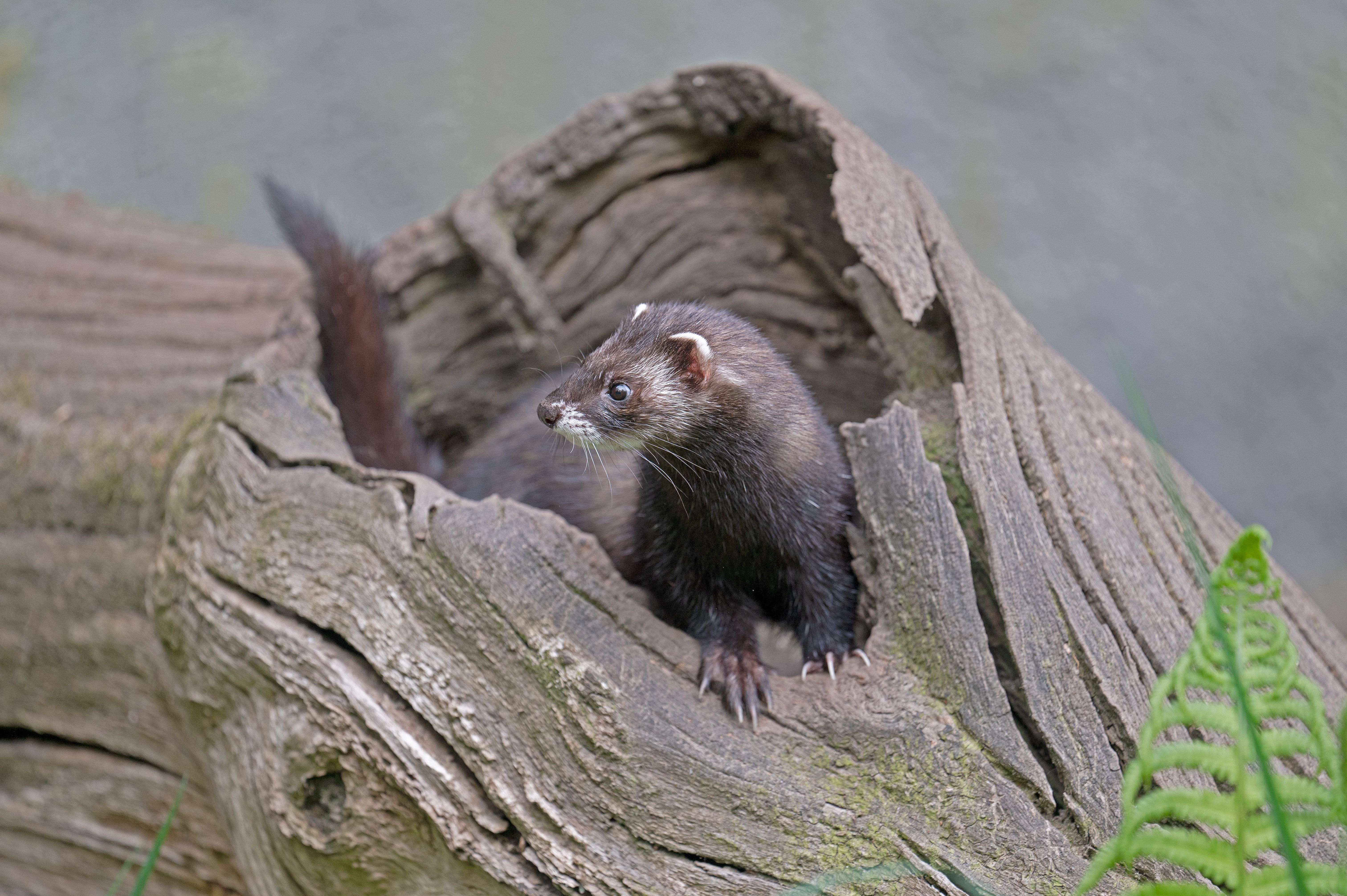
ヨーロッパミンクは長い上毛とその周囲を囲む複数の下毛が特徴で、体色は暗褐色や赤褐色。耳介は小型で水かきがあります。夏季は褐色の体毛で被われ、冬季は暗色の体毛になります。水辺の森林やヨシ原などに生息しており夜行性です。単独で生活をすることを好み、縄張りの意識がかなり高い動物です。ヨーロッパミンクは、夜明け前と夕方に最も活発になります。行動圏は200~2,000mほど。
1. 外見・体の特徴
- 体型:細長くて柔軟な体、短い脚、尾は比較的長めでバランスが良い。
- 体長・体重:
- 体長:約30〜45cm(尾を除く)
- 尾長:約12〜20cm
- 体重:約0.5〜1kg(個体差あり)
- 毛色:背面は濃い茶色〜黒褐色、腹面は明るいクリーム色〜淡黄色。
- 頭部・顔:丸みのある小さな頭で、耳は小さく丸い。鼻は尖っており、嗅覚が発達。
2. 行動・生態
- 半水生:泳ぎが得意で、水辺の獲物を捕まえるのに適応。
- 食性:肉食性で、魚・カエル・甲殻類・小型哺乳類・鳥類の卵などを食べる。
- 夜行性・単独性:昼間は巣穴や茂みに隠れ、夜間に活動して狩りをする。
- 縄張り性:個体ごとに縄張りを持ち、匂いでマーキングして他個体と区別。
3. 特殊な特徴
- 柔軟な体:狭い穴や水中でも素早く動ける。
- 優れた嗅覚・聴覚:暗闇や濁った水中でも獲物を探せる。
- 保護色:背中の濃い色と腹の明るい色で、水辺や茂みの中で目立ちにくい。
生態はどうなっているのか?
ヨーロッパミンクはネズミなどの小型哺乳類、鳥類、両生類、甲殻類、魚類、昆虫などを食べます。繁殖は毎年、2月~3月。妊娠期間は35~70日で1回につき4-5頭産むことが可能。子供は生後10週までに離乳します。寿命は飼育下で約8年です。
1. 食性(何を食べるか)
- 肉食性で主に以下のものを捕食する:
- 魚、カエル、甲殻類、小型哺乳類、鳥類の卵やヒナ
- 狩りの方法:水中や河川沿いで泳ぎながら獲物を捕まえる。
- 活動時間:主に夜行性で、夜間に活発に狩りをする。
2. 繁殖・成長
- 繁殖期:春〜夏にかけて
- 妊娠期間:約30日
- 出産:1回に3〜7匹程度の子を産む
- 子どもの成長:生まれた直後は巣穴に隠れ、数週間で目が開き、母親と行動を共にしながら狩りを覚える
- 性成熟:生後1年程度で繁殖可能
3. 行動・社会性
- 単独生活:縄張りを持ち、基本的に1頭で行動する。
- 縄張りの範囲:河川や湿地帯の一部を縄張りとして確保し、マーキング(尿や糞)で他個体と区別。
- 泳ぎと潜水:水辺に適応しており、泳ぎや潜水が得意。
4. 移動・生息環境の利用
- 河川沿いや湿地帯を中心に活動し、食料や巣穴の状況に応じて数キロ移動することもある。
- 水質や植生が変化すると生息場所を移動する傾向がある。
天敵はいるのか?
ヨーロッパミンクはタカやワシなどが捕食者になります。
ヨーロッパミンクの鳴き声
ヨーロッパミンク(Mustela lutreola)は普段は非常に静かな動物ですが、状況に応じて高い声や威嚇音を発します。
水辺で単独生活をするため、鳴き声によるコミュニケーションは限定的で、主に警戒・繁殖・親子間で使われます。
1. 警戒・威嚇の鳴き声
危険を感じた時や他の個体と争う時には、
- 「キーッ」
- 「キッキッ」
- 「ギャッ」
- 「シャーッ」
のような鋭い高音を出します。
用途:
- 捕食者への威嚇
- 相手への警告
- 自分の縄張りの主張
です。
2. 子どもの鳴き声
幼いヨーロッパミンクは母親に対して、
- 「チーチー」
- 「ピーピー」
- 「クックッ」
のような小さな声を出します。
巣穴の中で、
- 空腹を知らせる
- 母親を呼ぶ
- 仲間との位置確認
に使われます。
3. 繁殖期の鳴き声
繁殖期(主に春)には、
- 小さな鳴き声
- 低いうなり声
- 短い呼び声
を発することがあります。
オスとメスは鳴き声だけでなく、
- におい
- 尿
- 肛門腺の分泌物
による情報交換を重視します。
4. 怒った時の声
追い詰められると、
- 「フーッ」
- 「ハーッ」
- 「ギギッ」
という猫に似た威嚇音を出すことがあります。
イタチ科の仲間(フェレット、オコジョ、イタチ)にも共通する特徴です。
5. 鳴き声が少ない理由
ヨーロッパミンクは、
- 夜行性・薄明薄暮性
- 単独生活
- 水辺で静かに狩りをする
ため、声よりも、
- 嗅覚
- マーキング
- 体の姿勢
を使った情報交換が中心です。
季節別の活動
ヨーロッパミンク(Mustela lutreola)は、川・湖・湿地を中心に暮らす半水生のイタチ科動物です。季節によって活動時間、食べ物、繁殖行動が大きく変化します。
🌸 春(3〜5月):繁殖の季節
主な活動
- 繁殖期を迎える
- オスが広い範囲を移動
- 水辺の縄張り争いが増える
春は最も活動が活発になる時期です。
食べ物
水辺の生物が増えるため、
- カエル
- 魚
- ザリガニ
- 水鳥の卵
- ネズミ類
などを捕食します。
繁殖
- 交尾:主に冬末〜春
- 妊娠期間:約1〜2か月程度(着床遅延が関係する場合あり)
- 出産:春〜初夏
1回に数頭の子どもを産みます。
☀️ 夏(6〜8月):子育てと狩りの季節
主な活動
- 子育て
- 狩りの技術を教える
- 水辺での活動増加
幼獣は成長すると、
- 泳ぎ方
- 魚の捕まえ方
- 巣穴の利用方法
を学びます。
- 食べ物
夏は餌が豊富です。
- 魚
- カエル
- 水生昆虫
- ザリガニ
- 小鳥
など、水辺の動物を多く利用します。
行動
暑い日中は巣穴や水辺の隠れ場所で休み、
- 夕方
- 夜間
- 明け方
に活動することが多くなります。
🍂 秋(9〜11月):冬への準備
主な活動
- 狩りの時間が増える
- 体力を蓄える
- 若い個体が独立する
夏に生まれた若いミンクは、この時期に親から離れ、自分の縄張りを探します。
食べ物
秋は種類が増えます。
- 魚
- カエル
- 甲殻類
- 小型哺乳類
- 鳥類
を状況に応じて利用します。
❄️ 冬(12〜2月):寒冷環境での活動
主な活動
ヨーロッパミンクは冬眠しません。
冬でも、
- 川岸
- 氷の割れ目
- 雪の下
- 水辺の巣穴
を利用して活動します。
食べ物
冬は餌が少なくなるため、
- 魚
- ネズミ
- 水鳥
- カエル(冬眠中の個体を含む)
などを探します。
体の変化
冬には、
- 毛が密になる
- 保温性が高まる
- 水中で体温を維持しやすくなる
という適応が起こります。
1日の活動リズム
ヨーロッパミンクは主に、
- 夜間
- 明け方
- 夕方
に活動します。
ただし、
- 季節
- 餌の量
- 人間活動
によって昼間に姿を見せることもあります。
歩行速度
ヨーロッパミンク(Mustela lutreola)の歩行速度は、野生個体で正確な最高速度を測定したデータは少ないですが、体格や近縁種(イタチ類・ミンク類)の運動能力から推定できます。
ヨーロッパミンクの速度(目安)
| 動き | 速度の目安 |
|---|---|
| 通常歩行 | 約2〜4km/h |
| 移動時の小走り | 約5〜10km/h |
| 短距離の走行・追跡 | 約15〜25km/h程度(推定) |
| 水中遊泳 | 約1〜3km/h程度(状況による) |
※野生のヨーロッパミンクについて「最高速度○km/h」という公式計測値は確認されていません。
① 細長い体
- 岩の隙間
- 川岸の穴
- 水辺の植生
を素早く移動できます。
② 柔軟な背骨
イタチ科特有の特徴で、
- 背中を大きく曲げる
- 瞬間的に加速する
- 急方向転換する
能力があります。
③ 短い脚と強い筋肉
見た目は小さいですが、
- 突進
- 飛び込み
- 獲物への急接近
が得意です。
水中ではどれくらい速い?
ヨーロッパミンクは陸上よりも水中適応能力が高い動物です。
泳ぐ時は、
- 前足で方向調整
- 後ろ足で推進
- 尾で姿勢制御
します。

ヨーロッパミンクの幼獣について
ヨーロッパミンク (Mustela lutreola) の幼獣について、外見・成長・行動・母子関係などを整理して詳しく説明します。
1. 外見・体の特徴
- 体色:生まれた直後は薄い茶色〜灰色で、腹部は明るい色。成長するにつれて大人と同じ濃い茶色に変化する。
- 体長・体重:
- 体長:約10〜15cm(尾を除く)
- 体重:約25〜40g
- 体型:非常に小さく柔軟で、短い脚と細長い体を持つ。
2. 成長と発達
- 授乳期間:母乳で約1か月間授乳される。
- 離乳:生後4〜6週間で固形食(小型の魚や昆虫)を少しずつ食べ始める。
- 自立:生後2〜3か月で巣穴を離れ、水辺で泳ぎや狩りの練習を始める。
- 性成熟:1歳程度で繁殖可能になる。
3. 行動・母子関係
- 幼獣は母親と密接に行動し、巣穴や水辺で保護される。
- 母親は狩りの方法や泳ぎ方、危険回避の仕方を幼獣に教える。
- 幼獣同士で遊ぶことで運動能力や狩りのスキルを学ぶ。
4. 脅威と生存
- 幼獣は成体よりも天敵に弱く、猛禽類や大型哺乳類に狙われやすい。
- 巣穴や母親の保護が不十分だと生存率が低くなる。
ヨーロッパミンクは絶滅危惧種なのか?
ヨーロッパミンクはかつては広く分布していたのですが、生息地の85%以上から姿を消しており、絶滅の可能性があります。なぜここまで減っているのでしょうか?ヨーロッパミンクを守るために、再導入が計画、実施されています。現在の推定個体数は1,000~1,500頭。
毛皮目的の狩猟
ミンクの毛皮はコートなどになります。特に冬毛は非常に密で厚く、価値がとても高いのです。毛皮のために狩猟されていたようです。これにより生息数は急激に減っています。
生息地の破壊
ヨーロッパミンクは人間の活動による環境変化により生きていけない環境になってしまっています。
アメリカミンクの持ち込み
アメリカミンクは、1900年代初頭、価値の高い毛皮の生産のためにアメリカからヨーロッパの毛皮農場に持ち込まれました。人為的に移入されたアメリカミンクがヨーロッパミンクを排除するようになり、ヨーロッパミンクは絶滅の危機にあります。
ヨーロッパミンクは飼育できるのか?
残念ながら絶滅危惧種に指定されていますから、ヨーロッパミンクは生息数が極めて少ない状態にあり、一般人が飼育することはほぼ不可能です。
1. 生態的な理由
- 広い行動範囲が必要:河川沿いや湿地帯で数キロ単位で移動するため、狭い水槽や囲いではストレスが大きい。
- 半水生で泳ぎが得意:水辺や湿地に依存して生活するため、自然環境に近い水場を用意するのは困難。
- 食性の特殊性:肉食性で魚・カエル・小型哺乳類などを食べるため、人工飼料だけで十分に栄養を補うのが難しい。
2. 法律・規制
- **絶滅危惧種(EN: Endangered)**に指定されており、国際取引はワシントン条約(CITES)で規制されている。
- 多くのヨーロッパ諸国では野生個体の捕獲や飼育は禁止されている。
- 日本でも自然保護・外来生物規制の観点から、個人で飼育することは認められていない。
3. 飼育施設での状況
- 飼育例は極めて限られ、保護・繁殖・研究目的の専門施設のみで可能。
- 飼育には広い水槽・淡水供給・適切な餌の確保・専門スタッフ・獣医管理が必要で、コストも非常に高い。
飼育されている動物園(日本・世界)
ヨーロッパミンク(Mustela lutreola)は、一般公開される動物園展示は非常に少なく、主に「絶滅危惧種の保全繁殖施設」で飼育されています。
日本では現在、ヨーロッパミンクを常設展示している動物園は確認されていません。世界でも限られた施設で保護目的の飼育が行われています。
日本の動物園
ヨーロッパミンクの飼育・展示例はほぼありません。
理由:
- 生息地がヨーロッパ中心
- 絶滅危惧種で国際的な繁殖管理対象
- 日本の動物園では近縁のミンク類やイタチ類の展示が中心
日本で見られる可能性がある近縁種:
- ニホンイタチ
- テン
- フェレット(家畜化されたイタチ類)
などです。
🇪🇪 Tallinn Zoo(エストニア)
ヨーロッパミンク保全の中心的施設です。
特徴:
- ヨーロッパミンクの繁殖プログラムを長年実施
- 最大規模級の飼育個体群を維持
- 野生復帰プロジェクトにも参加
1980年代から飼育繁殖研究が進められ、1992年にはヨーロッパミンクの欧州繁殖計画(EEP)が開始されました。
🇪🇸 スペインの保全繁殖施設
スペインでは西ヨーロッパ系統のヨーロッパミンクを対象に、
- 飼育繁殖
- 遺伝管理
- 野生復帰研究
が行われています。
代表的な施設:
Fundación para la Investigación en Etología y Biodiversidad (FIEB)
活動内容:
- ヨーロッパミンクの飼育繁殖
- 行動研究
- 再導入に向けた準備
などを実施しています。

他の動物を紹介





コメント