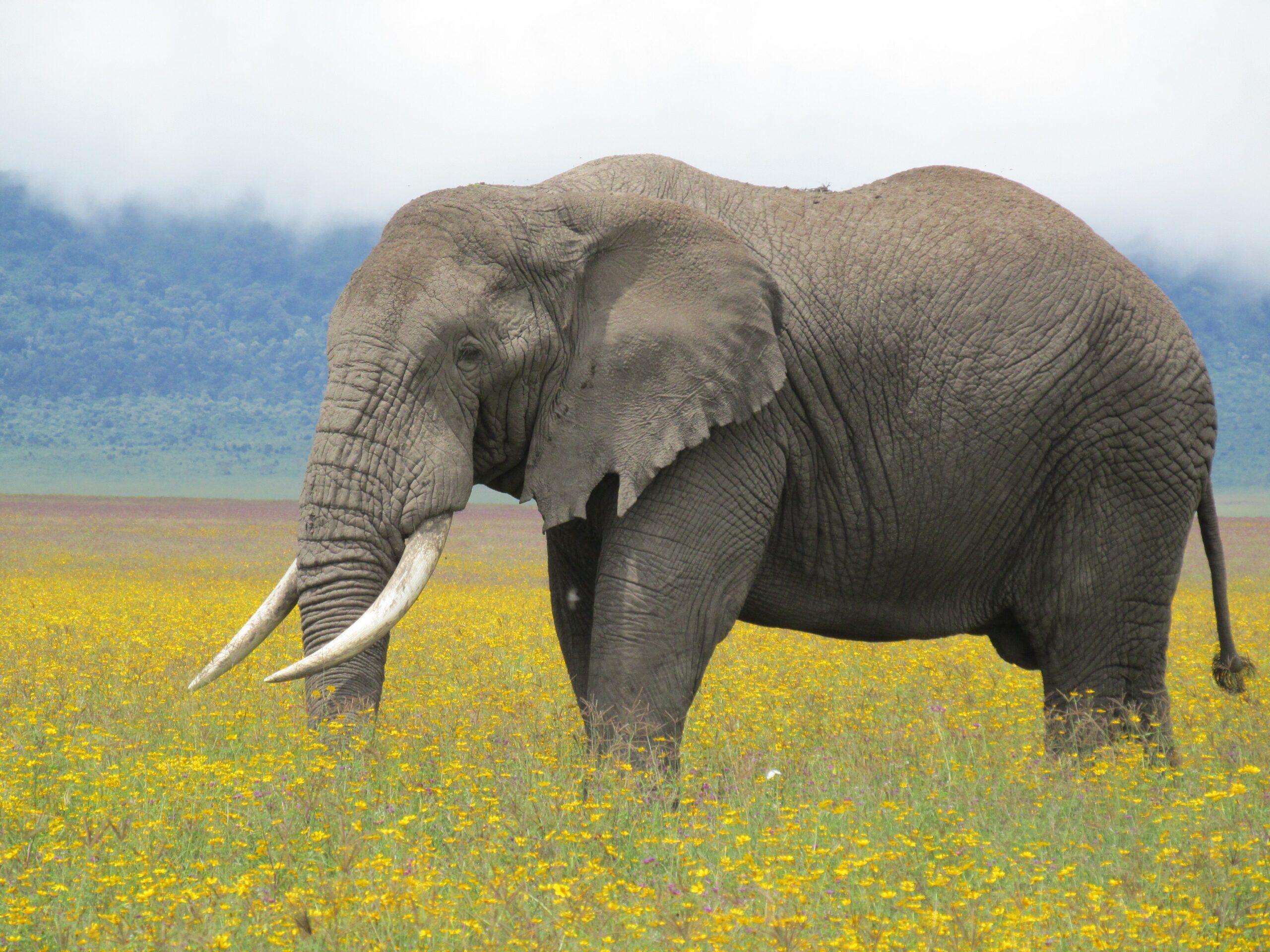
アフリカゾウの特徴、生態、生息地、寿命、絶滅危惧種なのか?について解説します。アフリカゾウは陸上で世界最大の体躯を持つ野生動物と言われており、最大級の動物です。しかしアフリカゾウは絶滅危惧種に指定されており、状況としては決して良い状態とは言えません。


アフリカゾウの基本情報について
アフリカゾウは長鼻目ゾウ科アフリカゾウ属に分類されるゾウ。学名はLoxodonta africana。世界でも最大級の陸上動物であり、体重は最大で10トンになります。体長も6-7mとなり、とても巨大な動物です。亜種でサバンナゾウがおります。日本でも世界でも有名な動物。
| Japanese(和名) | アフリカゾウ |
| English(英名) | African bush elephant |
| scientific name(学名) | Loxodonta africana |
| classification(分類) | Mammalia、Proboscidea、Elephantidae 哺乳綱、長鼻目、ゾウ科 |
| IUCN Status(保全状況) | ENDANGERED |
| Height(身長) | 6 – 7.5m |
| Weight(体重) | 10t |

アフリカゾウのルーツ、起源は?
アフリカゾウの起源は、ゾウ全体の進化史の中でもかなり古く、アフリカ大陸で長期間にわたって独自進化した系統です。
対象は現在の
アフリカゾウ(およびアフリカマルミミゾウ Loxodonta cyclotis)です。
🐘 結論(超要約)
アフリカゾウは
👉 約700万〜500万年前にアフリカで分岐した「最も古い現生ゾウ系統」
① ゾウの祖先はアフリカ発祥
ゾウの祖先(長鼻類)は約6000万年前にアフリカで誕生。
初期形態:
- マンモスでもアフリカゾウでもない原始的哺乳類
- 象というより「半水生の大型草食動物」
② アフリカでゾウ系統が分岐
約700万〜600万年前:
ここで重要な分岐が起きます👇
- アフリカに残った系統 → アフリカゾウ系(Loxodonta)
- ユーラシアへ拡散 → マンモス・アジアゾウ系
👉 この時点で「アフリカゾウの祖先」が確立
③ アフリカゾウの進化
その後アフリカでさらに進化:
- 森林適応 → マルミミゾウ(森林ゾウ)
- サバンナ適応 → サバンナゾウ(大型の草原ゾウ)
これが現在の2種:
- アフリカゾウ
- マルミミゾウ
分類はどうなるの?
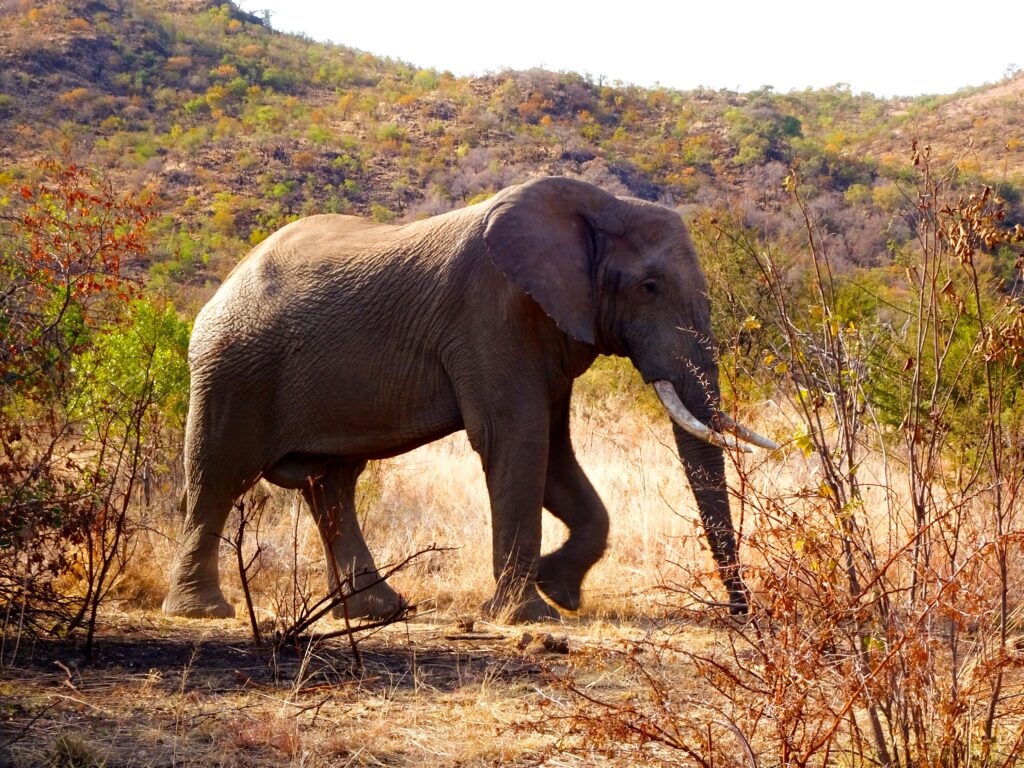
現存する2種類のゾウ、アフリカゾウとアジアゾウは約760万年前に遺伝的に分岐したことが明らかになりました。その後アフリカゾウとマルミミゾウは少なくとも190万年前に遺伝的に分岐したことが明らかになっています。そのため、現在3種類のゾウが存在し、アフリカゾウはその中の1つとなります。
| Name (名前) | academic name (学名) | body length (体長) | Weight (体重) | Habit (生息地) |
| African elephant アフリカゾウ | Loxodonta africana | 6〜7.5m | ~7.5t | South of the Sahara Desert サハラ砂漠以南 |
| Asian elephant アジアゾウ | Elephas maximus | 5〜6.4m | ~5.4t | Southeast Asia、South Asia 東南アジア、南アジア |
| African forest elephant マルミミゾウ | Loxodonta cyclotis | 4〜6m | 2.7〜6t | West Africa 西アフリカ |
分類の詳細
| 階級 | 分類 | 説明 |
|---|---|---|
| 界 | 動物界(Animalia) | 多細胞で自分で動く |
| 門 | 脊索動物門(Chordata) | 脊椎を持つ |
| 綱 | 哺乳綱(Mammalia) | 恒温、毛があり乳で子を育てる |
| 目 | 長鼻目(Proboscidea) | 鼻が長く、牙を持つ |
| 科 | ゾウ科(Elephantidae) | 現生ゾウの科 |
| 属 | Loxodonta | アフリカゾウ属 |
| 種 | L. africana | サバンナゾウ |
| 種 | L. cyclotis | 森林ゾウ |
アフリカゾウの生息地について
アフリカゾウの分布はサハラ砂漠以南のアフリカになります。ケニアなどの国内では家族で移動しながら生活をしています。毎日それぞれ歩く姿が目撃されており、国際自然保護連合でも保護が進められています。
1. サバンナゾウ (Loxodonta africana africana)
生息地
- 主にサハラ以南のアフリカ大陸のサバンナや開けた草原
- 国別例:
- ケニア、タンザニア(セレンゲティ国立公園など)
- ボツワナ、ジンバブエ(チョベ国立公園)
- 南アフリカ(クルーガー国立公園)
- 標高は海抜0〜3000mまで幅広く生息
環境
- 開けた草原や疎林地に適応
- 水源が近くにある場所を好む
- 季節によって長距離移動(乾季は水を求めて移動)
2. 森林ゾウ (Loxodonta cyclotis)
生息地
- 熱帯雨林や密林地帯に限定
- 西アフリカや中央アフリカのコンゴ盆地が中心
- 国別例:
- コンゴ民主共和国、カメルーン、ガボン、赤道ギニアなど
環境
- 樹木が密集した森林内に生息
- 地面の葉や小枝、果実を主に食べる
- サバンナゾウより体は小型で耳も小さく、密林での生活に適応
3. 生息環境の特徴と行動
- 水源依存:アフリカゾウは1日数百リットルの水を必要とするため、水辺や川沿いを中心に生息
- 移動範囲が広い:
- サバンナゾウ:数十〜数百kmの移動も珍しくない
- 森林ゾウ:森林の中で移動距離は比較的短いが、密林を抜けるためのルートを利用
- 社会構造:群れで行動し、特に母系群れが移動する範囲を決める
4. 生息地の脅威
- 森林破壊:農地開発や伐採で生息域が減少
- 密猟:象牙目的で森林ゾウ・サバンナゾウともに減少
- 気候変動:乾季の長期化で水源が減少
特徴は?どんな感じの生物なのか?
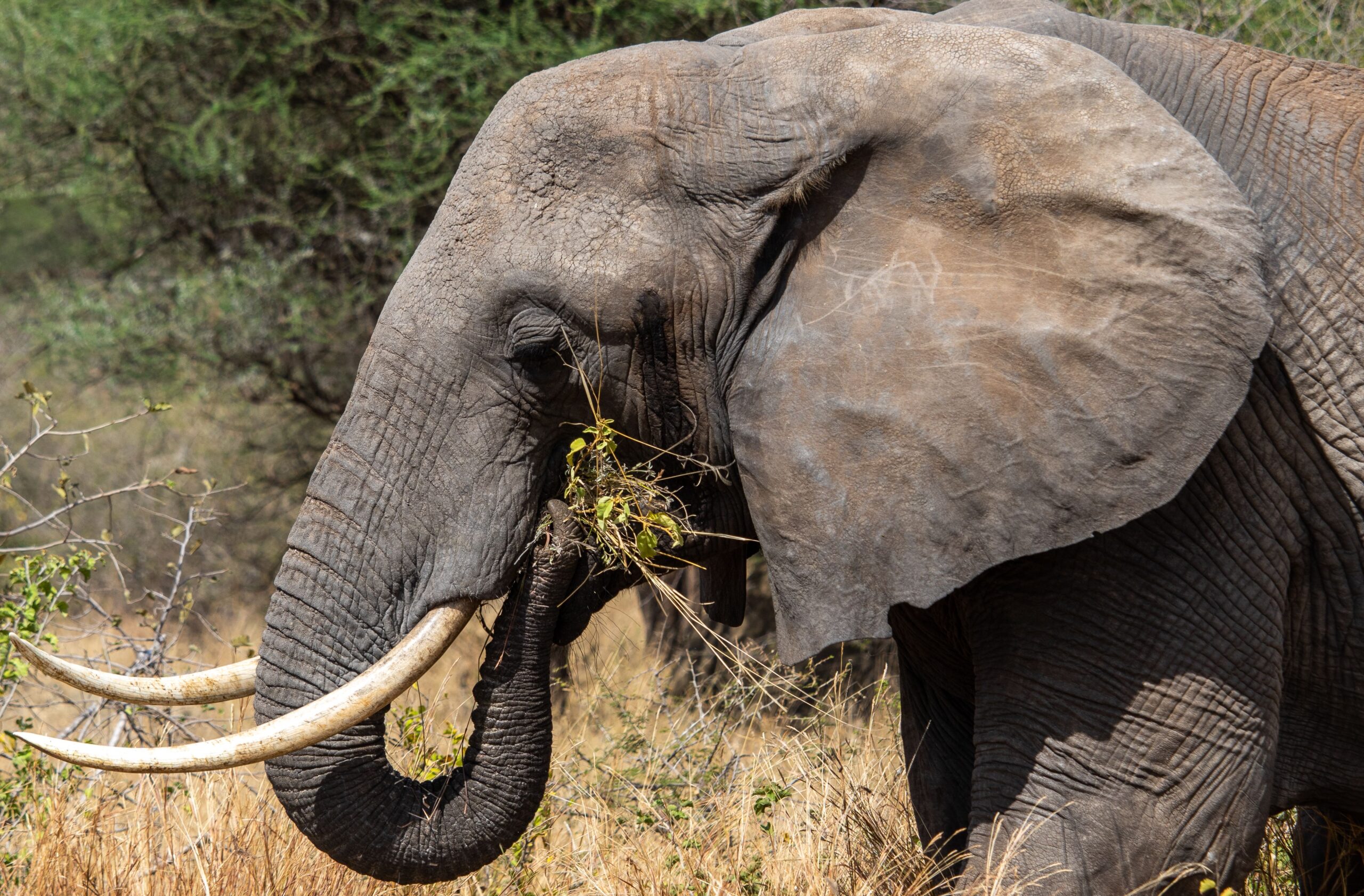
アフリカゾウの最大の特徴は耳介。非常に大型で幅広く体温調節で役立ちます。門歯もとても長いことで知られており、オスで最大350Mにもなります。アフリカゾウは普段サバンナや森林に生息しており、 3,700平方キロメートルの圏内で行動をします。少なくとも3 – 10頭の群れを形成して外敵から身を守ります。
1. 体格・外見の特徴
- 体の大きさ:陸上最大の哺乳類
- サバンナゾウ:体長6〜7.5m、肩高3〜4m、体重4〜7トン
- 森林ゾウ:やや小型で肩高2.5〜3m、体重2.5〜4トン
- 耳:大きく、血管が豊富で体温調節に利用(サバンナゾウは特に大きい)
- 鼻(鼻先):器用で物をつかんだり水を吸ったりできる
- 牙(キバ):オスもメスも持つ(森林ゾウは細めで小さいことが多い)
- 皮膚:厚くてしわが多く、泥浴びや砂浴びで体温調節や虫除け
2. 知能・行動の特徴
- 知能:非常に高く、道具を使うこともある
- 記憶力:水源や危険な場所を長期記憶できる
- 学習能力:経験や社会的学習によって群れの行動を調整
3. 社会性
- 群れ生活:
- メス中心の母系群れ(10〜30頭程度)
- オスは成長すると群れを離れ、単独生活や小さなオス群れを形成
- コミュニケーション:
- 象鳴(低周波)や体の動きで意思疎通
- 遠距離通信が可能
4. 食性・生態
- 草食性:草、葉、果実、樹皮を食べる
- 食量:1日に100〜200kgの植物を摂取
- 水分依存:1日200〜300リットルの水を飲むこともある
- 移動:食物・水を求めて長距離移動することがある
5. 特徴的な行動
- 泥浴び・砂浴び:体温調節や皮膚保護
- 遊び・好奇心:若いゾウは木を倒したり水遊びをする
- 社会的な情緒行動:死んだ仲間に触れる、慰める行動

性格はどんな感じになるのか?
アフリカゾウは認知能力が極めて高く、優しくしてくれる人間に対しては挨拶をしてくれますし、邪険に扱う人間であれば攻撃もしてきます。そのため、極めて認知能力が高く、人間と大差がないレベルと言えます。
1. 社会性と協調性
- 母系社会を重視:メスを中心とした群れで生活し、互いに協力して子育てや移動を行う
- 助け合いの精神:
- 病気や怪我をした仲間を助けることがある
- 子ゾウが困っていると群れ全体で保護する
- 階層やリーダー:
- 群れの中には経験豊富な年長メス(マトリアーク)がリーダー
- 群れの行動や移動はリーダーの経験に従う
2. 知能と感情
- 知能が高い:
- 道具を使う、学習や記憶能力が優れる
- 過去の経験から危険を回避する
- 感情表現:
- 喜び:水遊びや仲間とのふれあい
- 悲しみ・哀悼:死んだ仲間に触れたり、静かに周囲を取り囲む
- 怒り:危険や脅威に対して防衛的な行動をとる
3. 穏やかさと慎重さ
- 基本的には温厚で穏やかだが、子供や群れを守るときは攻撃的になる
- 人間に対しても野生下では比較的距離を保つが、驚かせると攻撃することがある
- 森林ゾウは密林で生活するため比較的内向的で慎重
- サバンナゾウは広い空間で生活するため社交的で行動が活発
4. 好奇心と遊び心
- 若いゾウは非常に好奇心旺盛で、物を触ったり遊んだりする
- 木を倒したり泥水で遊ぶなど、学習と社会的遊びを兼ねた行動をとる
アフリカゾウの生態は?
アフリカゾウは1日あたり、100 – 300リットルの水を飲み、植物を大量に食べます。大きな体でよく食べる動物たちで、人間を驚かせます。繁殖形態は胎生。オス同士で発情したメスを巡って争い、妊娠期間が22カ月あります。1回に1頭の幼獣を産み、授乳期間は2年ほど。象の記録では寿命は60年~80年と言われています。寿命が長い原因は大きな体で脈拍数が少ない動物ほど長生きします。
1. 生息環境
- サバンナゾウ(Loxodonta africana africana)
- アフリカのサハラ以南のサバンナや開けた草原に生息
- 水源の近くを好み、乾季には水を求めて長距離移動
- 森林ゾウ(Loxodonta cyclotis)
- 熱帯雨林や密林に生息
- 木の葉や果実、樹皮を食べるため密林の奥地で生活
2. 食性
- 完全な草食性
- 食べるもの:
- 草、葉、果実、樹皮、小枝
- 食量:
- 1日に100〜200kgの植物を摂取
- 水分:
- 1日200〜300リットルの水を必要とすることもある
3. 行動パターン
- 日中:食事、移動、休息
- 夜間:活動することもあり、特に水や食物を求める場合に動く
- 移動範囲:
- サバンナゾウ:数十〜数百km移動することもある
- 森林ゾウ:比較的短距離だが、密林内で効率的に移動
特殊行動
- 泥浴び・砂浴び:体温調節や寄生虫除去
- 遊び行動:若いゾウは木を倒したり水遊びをする
- コミュニケーション:
- 象鳴(低周波)で遠距離まで意思疎通
- 触覚や体の動きでも群れ内の情報交換
4. 社会構造
- 母系群れ:メスとその子供たちで構成(10〜30頭)
- オスの生活:成長すると母系群れを離れ、単独か小さなオス群れで生活
- リーダー:年長のメス(マトリアーク)が群れを導く
- 子育て:群れ全体で子ゾウを保護し、学習や行動を教える
5. 繁殖
- 妊娠期間:約22か月(哺乳類で最長クラス)
- 出産:1度に1頭
- 子育て:
- 哺乳は2〜3年
- 群れの保護と社会的学習の中で育つ
- 成熟:
- メス:10〜12歳で妊娠可能
- オス:15歳前後で繁殖可能だが、強いオスは20歳以降で群れと交配
アフリカゾウの天敵は?
アフリカゾウの天敵はいません。アフリカゾウはとても強い動物で、350キロの重さを持ち上げることができます。そのため、彼らに勝てるのは武器を持った人間だけです。
アフリカゾウの鳴き声
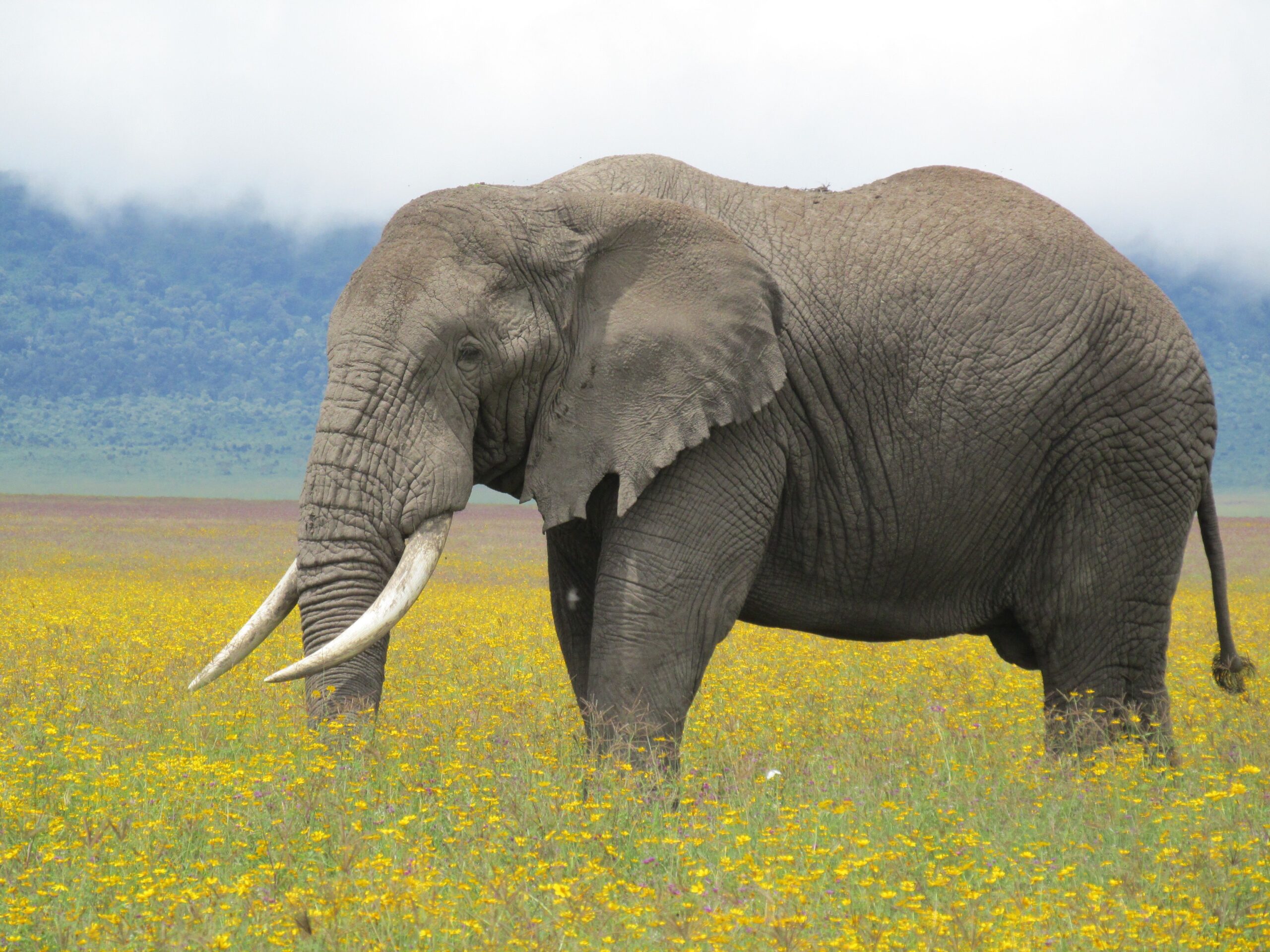
アフリカゾウの鳴き声は、アジアゾウと同じく「聞こえる音」+「超低周波(インフラサウンド)」の2層構造ですが、より低く・大きく・遠くまで届く傾向があります。
🐘 ① トランペット音(可聴音)
人間が一番イメージするゾウの声です。
音の特徴
- 「パォォォォン!」
- 鼻(トランク)を上げて強く発声
- 非常に大きい音量(怒号レベル)
使う場面
- 驚き・警戒
- 威嚇(敵・ライオンなど)
- 興奮しているとき
- 群れの緊急合図
👉 アフリカゾウの方がアジアゾウより「荒々しい」音になりやすい
🌊 ② 低周波ゴロゴロ音(本体の会話)
実はゾウの本当の言語はこちらです。
音の特徴
- 人間には「ゴゴゴ…」「ブォォ…」としか聞こえない
- ほぼ振動レベルの音
- 数km〜最大10km以上届くこともある
使い方
- 群れ同士の位置確認
- 母子の呼び合い
- 繁殖のサイン
- 危険情報の共有
👉 サバンナ全体を使った「遠距離通信」
🐘 ③ アフリカゾウ特有の特徴
アフリカゾウは特に:
- 耳が大きい → 体温調節と音の強調
- 低周波発声が強力
- 群れ間の音コミュニケーションが広域
👉 「音で地形レベルの情報共有」をしている動物
🌍 ④ 地面を使ったコミュニケーション
アフリカゾウは音だけでなく:
- 足の振動で地面に信号を送る
- 他のゾウは足裏で感知
- 視界外でも情報交換可能
アフリカゾウの季節別の活動
アフリカゾウ(アフリカゾウ)の活動は、アジアゾウ以上に「雨季・乾季」の水資源サイクルに強く支配されています。サバンナ環境なので、季節変化=生存戦略そのものです。
🌧️ 雨季(Wet season)の活動
🌿 特徴:拡散・繁殖・エサ豊富
雨が降るとサバンナは一気に緑化します。
🐘 行動
- 群れが広範囲に分散して移動
- 草・葉・果実が豊富で採食効率が高い
- 小さな水場でも十分生活可能
- 母子の移動が比較的安定
🧠 ポイント
- 食べ物が「広く・浅く」存在
- 群れの結束はやや緩くなる
- 繁殖活動が活発化
👉 「自由に広がるシーズン」
☀️ 乾季(Dry season)の活動
🌵 特徴:水を中心に大集結・長距離移動
アフリカサバンナでは乾季が本番です。
🐘 行動
- 数十〜100km以上の移動も発生
- 川・水場に巨大な群れが集中
- 採食は木の枝・樹皮・根まで拡大
- 水を巡る競争が激化
🧠 ポイント
- 水が「点在」するため行動が制限される
- 群れが大きくまとまる
- 他種(ライオン・バッファロー)との接触増加
👉 「サバイバルと集結の季節」
🌡️ 暑季(高温ピーク)の活動
※乾季と重なることが多い
🐘 行動
- 夜行性に近くなる(昼は休む)
- 日中は木陰や水場で休息
- 泥浴び・水浴び頻度が上昇
- 耳を使った放熱が重要
👉 「熱ストレス回避モード」
アフリカゾウの歩行速度
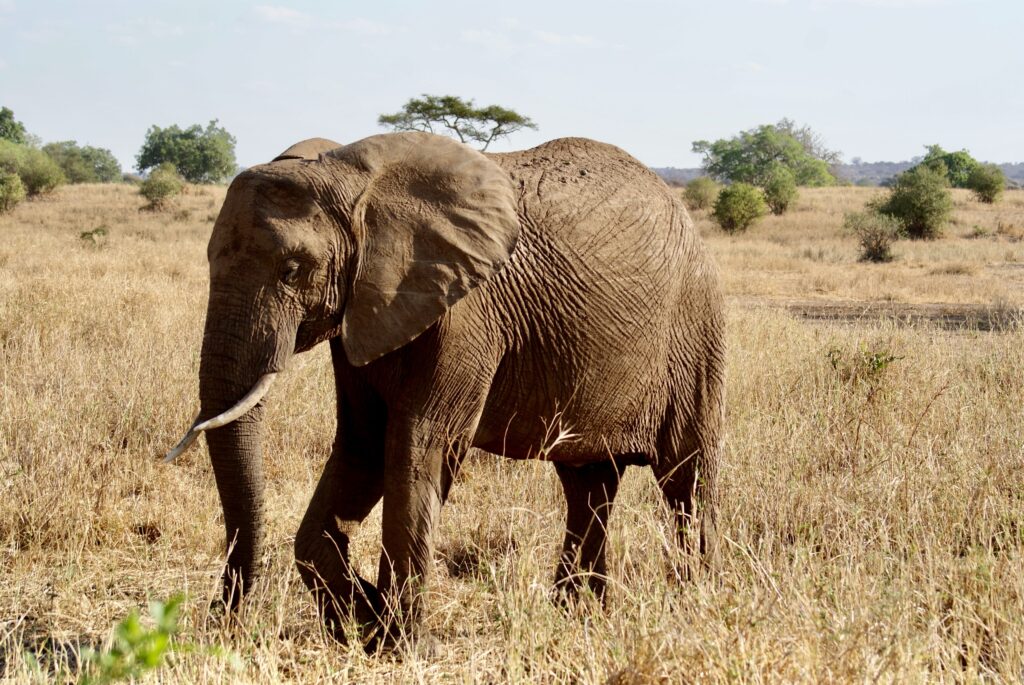
アフリカゾウ(アフリカゾウ)の歩行速度は、基本的にはアジアゾウとほぼ同じレンジですが、体格が大きいため「ゆったり・安定型の移動」がさらに強いのが特徴です。
🚶 平常時(通常の歩き)
- 約 4〜6 km/h
- 人間の早歩きと同程度
- 群れでの標準移動速度
👉 サバンナを長時間移動できる省エネ速度
🐘 速歩(やや急ぐ)
- 約 6〜10 km/h
- 危険回避や水場への移動時
- 子ゾウもギリギリついていける速度
🐘 最大速度(短距離ダッシュ)
- 約 20〜25 km/h
- 非常に短時間のみ維持可能
- 威嚇・突進・逃走時
👉 「走る」というより重量級の高速突進
人間に懐くのか
アフリカゾウ(アフリカゾウ)も、人間に「懐く」というよりは信頼関係を学習して築く動物です。犬のような家畜的な従順さとは違いますが、条件が揃うと非常に強い関係性を示します。
👍 信頼した場合
- 近づいても逃げない
- 鼻(トランク)で軽く触れる
- 鳴き声で呼びかける
- 世話人を明確に区別する
- 群れの一部のように扱うこともある
👉 特定の人間を「安全な存在」として記憶する
⚠️ 警戒・敵対する場合
- 距離を取る
- 威嚇(トランペット音)
- 突進の可能性
- 群れ全体で防御行動
👉 野生では基本的に人間=潜在的脅威
🧠 なぜ「懐くように見える」のか
アフリカゾウは:
- 個体識別能力が非常に高い
- 数十年単位の記憶を持つ
- 人間の行動を学習する
- 感情(恐怖・安心・怒り)がはっきりしている
👉 そのため「この人は安全」と判断すると行動が安定する
アフリカゾウの幼獣について
1. 誕生と初期の特徴
- 妊娠期間:約22か月(哺乳類で最長クラス)
- 出産:通常1頭、稀に双子
- 体重:出生時で約100〜150kg
- 体長:約1m前後
- 外見:
- 鼻や耳、牙は未発達
- 皮膚は柔らかく、しわが少ない
- 毛はまばらで、成長と共に減少
2. 子育てと群れ内での保護
- 母親による授乳:2〜3年間、母乳で栄養を摂取
- 群れのサポート:
- 母系群れの他のメス(「助産師」)が子ゾウを守る
- 群れ全体で子育てに関わり、学習の手助けをする
- 社会的学習:
- 移動方法、水の探し方、食べ物の選び方を学ぶ
- 道具の使い方や泥浴びなどの行動も模倣する
3. 行動の特徴
- 好奇心旺盛で遊び好き:
- 他の子ゾウや若いオスとじゃれあう
- 木や草を倒す、泥遊び、水浴びなどを行う
- 安全を確認しながら行動:
- 群れの近くから離れすぎず、母や姉妹に見守られる
- コミュニケーション:
- 小さな象鳴や体の動きで仲間と意思疎通
4. 成長過程
- 幼獣期(0〜5歳):
- 母乳と植物を併用
- 基本的な移動や社会的行動を学ぶ
- 少年期(5〜10歳):
- 独立心が芽生え、群れの中での地位や役割を学ぶ
- 遊びを通して力や協調性を養う
- 性成熟:
- メス:約10〜12歳で妊娠可能
- オス:約15歳頃で繁殖可能だが、強いオスは20歳以降で交配
5. 天敵と生存率
- 幼獣は群れの保護下にあるものの、ライオンやヒョウ、ハイエナなどに狙われやすい
- 群れの協力が生存に不可欠
- 生存率は年齢が上がるにつれて高くなる
アフリカゾウは絶滅危惧種なのか?
アフリカゾウは推定個体数は 22万7900頭です。残念ながらIUCNによって絶滅危惧種に指定されており、ワシントン条約附属書Iにも掲載されており、国際間の取引に強い制限がかかっております。なぜアフリカゾウが絶滅危惧種に指定されてしまったのか?その理由を説明します。私たち人間による問題であることがわかります。そのため現在は森の保護などプロジェクトやさまざまな活動が動いています。
象牙目当ての乱獲が進む
野生のゾウが人間の手によって大量に乱獲されてしまった理由としては象牙です。象牙は材質が美しく、芸術や工芸品や製造業でかなり需要があり高く売れます。地域によっては法律もなく社会のなかで生き物の違法な密猟や乱獲が進んでしまい、ゾウは次々に人間の手によって殺されているのです。
土地開発の急速な進行
東南アジア、南アジア、そしてアフリカといえば急速に経済発展が進んでおり、土地開発も進んでいます。上記でも説明しましたが、ゾウと言うのは大量の草を食べますから場所とわず木がなくなると言うことは繁殖して生きていけなくなることを意味します。
ゾウの日が設定される
「世界ゾウの日」とは、2012年8月12日に、カナダの映画監督Patricia Sims氏とタイの保護団体により設立された、世界中でゾウの保護を呼びかける日です。目的は絶滅の危機を乗り越えるため、守るための仲間からの寄付や情報の交換などを行います。今、減少するゾウを守るための協力をしてもらっているのです。ニュースでも大きく報告されていますが、アフリカ大陸の南部で自然に多くいるゾウは牙などが乱獲され、レッドリストにも登録されている種の状況をみんなに認識してもらいたいものです。
ゾウは飼育できるのか?
ゾウは飼育できるのか?とても難しいです。まずすべてのゾウが絶滅危惧種となっており厳重に保護されております。また大量の食べ物が必要になることから一般人が飼育することは極めて困難だと思っておいた方が賢明です。動物園で鑑賞するか、現地の国立公園などで鑑賞するのが無難。主にアメリカなどの動物園では個体群のグループで見ることができます。資料なども可能なら見ましょう。
1. 体の大きさ・食事の制約
- 体重:アフリカゾウで4〜7トン、アジアゾウでも2〜5トン
- 食事:
- 1日に100〜200kgの植物を摂取
- 水も1日200〜300リットル必要
- 運動量:野生では数十〜数百km移動することもあるため、広大な敷地が必要
→ 一般家庭ではスペース・食料・水の確保が現実的に不可能
2. 社会性・心理的負担
- ゾウは非常に社交的で知能が高い動物
- 母系群れや群れ内の社会関係が重要で、孤立させるとストレスで健康を害する
- 遊びや学習の機会が少ないと、行動異常(反復行動や攻撃性)が出ることがある
→ 単独飼育は心理的に大きな負担
3. 法的規制
- 多くの国でゾウの飼育は厳しい法律で規制されている
- 国際的には**CITES(ワシントン条約)**で取引が管理され、個人で飼うことはほぼ不可能
4. 実際の飼育例
- 動物園やサファリパークでの飼育が中心
- 十分な広さの運動場
- 専門的な飼育スタッフ(獣医・トレーナー)
- 適切な食事、社会的な交流、健康管理
- サーカスや観光用に飼われることもあったが、ストレスや虐待の問題が指摘されている
5. まとめ
- ゾウは体格・食性・社会性・知能の面で非常に特殊な生物
- 一般家庭で飼うことは不可能
- 飼育は広大な敷地、専門スタッフ、十分な社会的環境が揃った施設でのみ可能
- 野生のゾウや違法取引から保護することが重要
飼育されている動物園(日本・世界)
アフリカゾウ(アフリカゾウ)は世界各地の動物園で飼育されていますが、現在は「保全・繁殖目的での大型施設中心」に集約される傾向があります。
🇯🇵 日本でアフリカゾウが見られる主な動物園
日本では飼育数は減少傾向ですが、まだいくつかの施設で見られます。
- 上野動物園(東京)
- 多摩動物公園
- 東山動植物園
- 天王寺動物園
- 福岡市動物園
👉 日本はスペース制約と福祉基準の関係で、ゾウ飼育施設は将来的にさらに集約される傾向があります。
🌍 世界の代表的な飼育施設
🇺🇸 アメリカ(最大規模)
- San Diego Zoo
- Bronx Zoo
- Oregon Zoo
👉 群れ飼育・繁殖研究が非常に進んでいる
🇪🇺 ヨーロッパ
- Zoo Berlin
- Chester Zoo
- Zoo Zürich
👉 動物福祉基準が高く、広い放飼場が特徴
🇹🇭 🇮🇳 アジア(文化的中心地)
- タイのエレファント保護施設(チェンマイ周辺)
- インドの国立公園・保護区(半野生状態も多い)
👉 特にタイ・インドは「動物園+保護+文化」が混在

他の動物を紹介


コメント