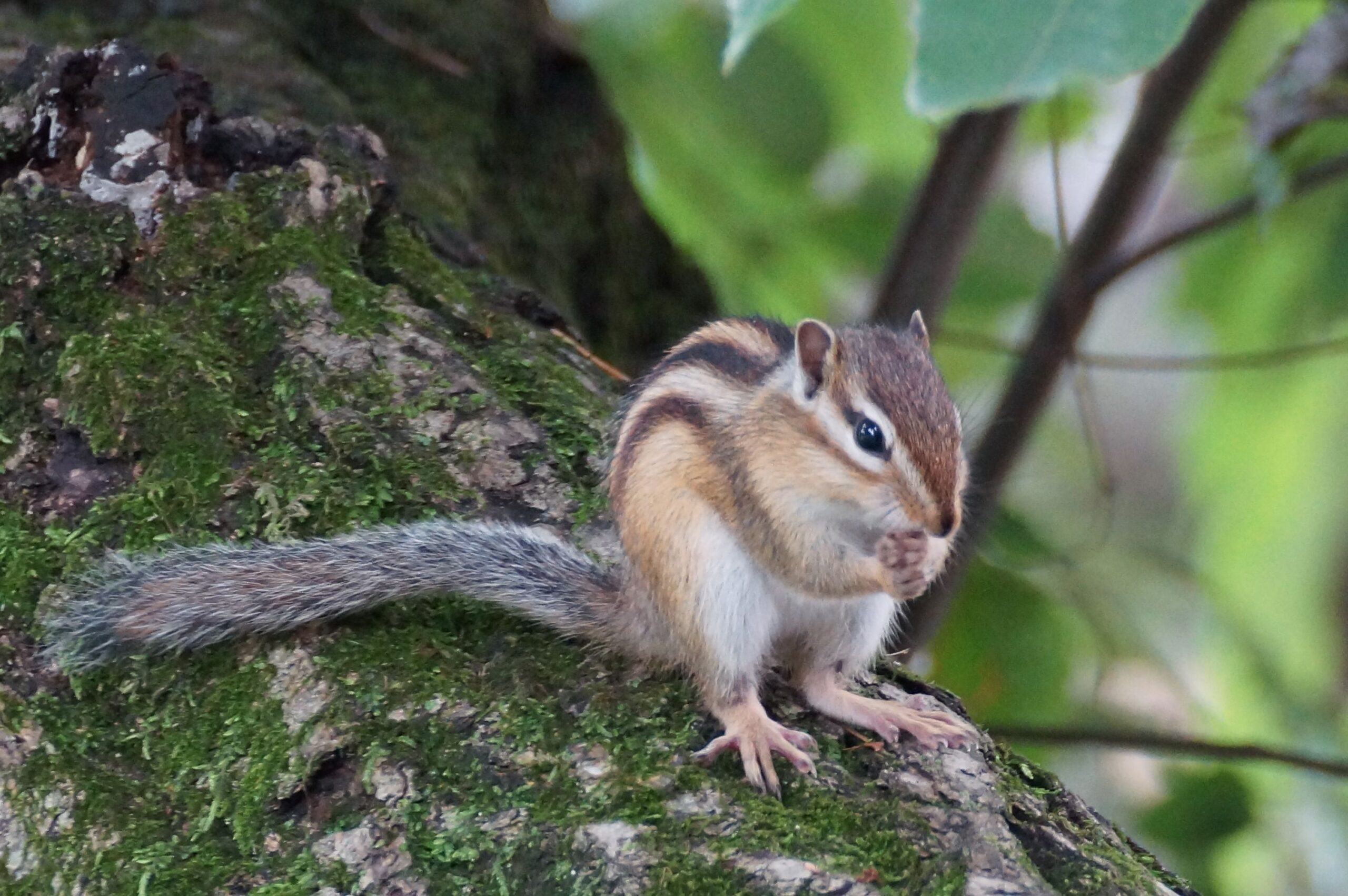
シマリスはどんな動物?特徴、生態、生息地について解説します。基本はイヌやネコのようにペットとなるシマリスは小型哺乳類であり、飼育を始めている方も少なくありません。そんなシマリスはどのような性格を持っており、どんな生態なのかと言うことも含めて、全体について解説をしていきます。


シマリスとは? 基本ステータスについて
シマリスは哺乳綱ネズミ目リス科シマリス属に分類される哺乳類。学名はTamiasで漢字は縞栗鼠。体長は12-19cm、体重は70-120g。尾長8-11.5cm。基本的な情報の一覧は以下の通り。
| Japanese(和名) | シマリス |
| English(英名) | Chipmunk |
| scientific name(学名) | Tamias |
| classification(分類) | Mammalia、Rodent、 Sciuridae、Tamias 哺乳綱、ネズミ目、リス科、シマリス属 |
| IUCN Status(保全状況) | LEAST CONCERN |
| Length(体長) | 12-19cm |
| Weight(体重) | 70-120g |
シマリスのルーツ、起源は?
シマリス(縞栗鼠)は、リス科の中でも地上生活に適応した小型リスの仲間です。日本でよく知られるシマリスは主にシベリアシマリス(Tamias sibiricus)で、ユーラシア北部に広く分布しています。
1. リス類の起源
リス科(Sciuridae)の祖先は、約4000万年前(始新世後期)に登場したと考えられています。
初期のリス類は:
- 小型
- 木登り能力が高い
- 木の実や昆虫を食べる
- 樹上生活中心
という特徴を持っていました。
祖先的なリスは、現在のムササビやリスにつながる共通の祖先から進化しました。
2. シマリス系統の誕生
シマリスの仲間(属:Tamias)が現れたのは、約**800万〜1000万年前(中新世)**頃と考えられています。
この時代:
- 森林から草原環境が広がる
- 地面で活動する小型哺乳類が増える
- 種子や地下巣穴を利用する動物が発達
しました。
そこで一部のリス類が:
- 木の上 → 地上生活
- 単独行動 → 巣穴利用
- 飛び跳ね移動 → 地上走行
へ適応していきました。
3. シマリス最大の特徴「背中の縞模様」の進化
シマリスの象徴である背中の縞は、進化上重要な役割があります。
役割:
① 擬態
森林の:
- 木漏れ日
- 枯れ葉
- 草の影
に紛れる。
② 捕食者から身を守る
天敵:
- キツネ
- タカ類
- ヘビ
- イタチ類
から発見されにくくする。
③ 仲間識別
近縁種間での識別にも役立つ可能性があります。
4. シマリスの世界的な広がり
シマリスの祖先は北アメリカで発展したと考えられています。
進化の流れ:
約4000万年前
原始的なリス類誕生
        ↓
約1000万年前
地上性リス類へ分化
        ↓
約800万年前
シマリス属(Tamias)出現
        ↓
北米で多様化
        ↓
ベーリング陸橋を通ってユーラシアへ進出
        ↓
現在
北米・アジアに分布
分類について
シマリスには以下のような亜種が存在します。以下はWikipediaからの引用です。
- シマリス(シベリアシマリス)Tamias sibiricus
- チョウセンシマリス Tamias sibiricus barberi
- エゾシマリス Tamias sibiricus lineatus
- トウブシマリス Tamias striatus
- タカネシマリス Tamias alpinus
- キマツシマリス Tamias amoenus
- ブラーシマリス Tamias bulleri
- ハイアシシマリス Tamias canipes
- クビワシマリス Tamias cinereicollis
- デュランゴシマリス Tamias durangae
- ガケシマリス Tamias dorsalis
- メリアムシマリス Tamias merriami
- チビシマリス Tamias minimus
- ススイロシマリス Tamias obscures
- レッドウッドシマリス Tamias ochrogenys
- パルマーシマリス Tamias palmeri
- パナミントシマリス Tamias panamintinus
- ミミナガシマリス Tamias quadrimaculatus
- コロラドシマリス Tamias quadrivittatus
- アカオシマリス Tamias ruficaudus
- アカシマリス Tamias rufus
- シエラネバダシマリス Tamias senex
- クレーターレークシマリス Tamias siskiyou
- ソノマシマリス Tamias sonomae
- サンバーナディーノシマリス Tamias speciosus
- タウンゼンドシマリス Tamias townsendii
- ユインタシマリス Tamias umbrinus
生息地について
シマリスはほとんどが北米に生息しておりますが、その他にもユーラシア大陸にも多数が生息しています。
① アジアシマリス(代表的)
- 生息地:
日本(北海道)
ロシア(シベリア)
中国北部
朝鮮半島 - 環境:
落葉広葉樹林・針葉樹林 - 日本で見られる野生のシマリスは北海道のみ
② 北米のシマリス類
※ 厳密には「チップマンク」と呼ばれる近縁種
- 生息地:
アメリカ、カナダ - 環境:
森林、草原、山地、郊外の公園 - 種類数が非常に多い
生息環境の特徴
シマリスは次のような場所を好みます。
- 木が多い森
- 落ち葉が厚く積もる地面
- 隠れ場所が多い環境
- 地面に穴を掘れる土壌
地上性が強いリスで、木より地面で活動することが多いです。
巣の場所
- 地面に複雑な巣穴を掘る
- 巣穴の中に
- 寝床
- 食料貯蔵庫
を作る
- 冬眠(または半冬眠)を行う
特徴は?どんな感じの生物なのか?
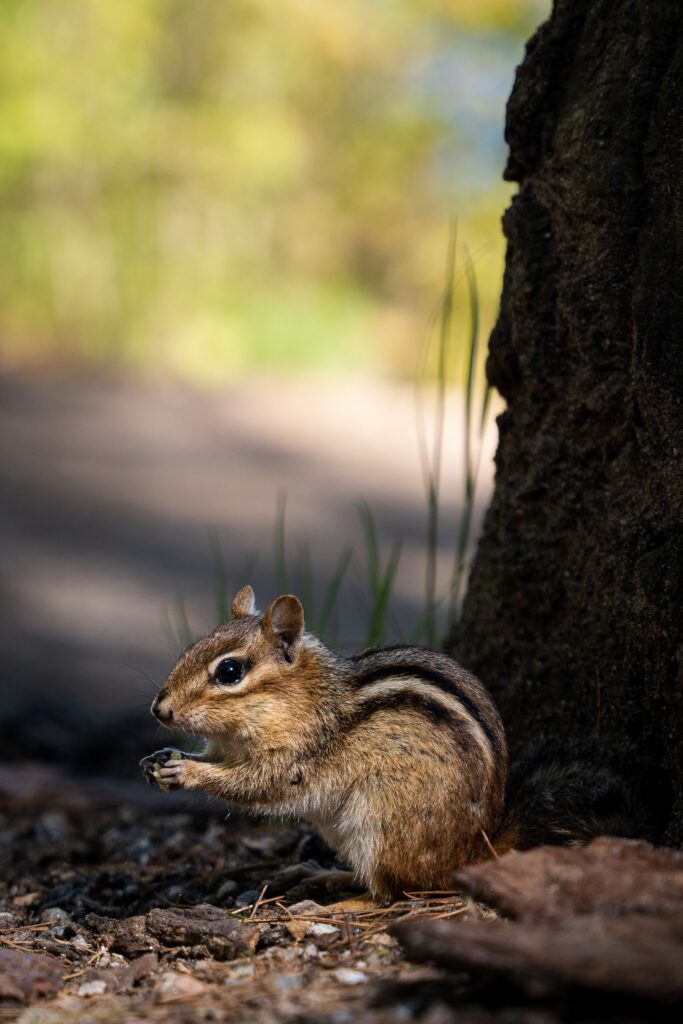
シマリスは体の背側と顔部分に縞があり、頬袋をもつ小型のリス。頬の内側には頬袋があり、木の実などたくさんの食糧を詰めて巣穴に運ぶことで知られています。このリスは昼行性で単独生活を好みます。樹洞や地下に巣を作ることが多くここで生活をします。睡眠時間は1日平均15時間になると言われています。
① 見た目の特徴
- 体長:約15cm前後
- しっぽ:体長と同じくらい
- 背中に5本のはっきりした縦じま
- 目が大きく、頬袋がある
縞模様が最大のトレードマーク。
② 動き・行動
- とにかく動きが素早い
- 地面をピョンピョン走り回る
- 立ち上がって周囲を警戒する姿が多い
落ち着きがなく、常に警戒モード。
③ 性格
- 臆病・警戒心が強い
- 基本は単独行動
- 縄張り意識がある
- 慣れると人の手から餌を取ることもあるが、
懐くというより「慣れる」
ハムスターより野生寄り。
④ 食性(雑食)
- 木の実、種子、ドングリ
- 果実、キノコ
- 昆虫、ミミズなども食べる
見た目に反して意外と肉食寄り。
⑤ 頬袋と貯食
- 頬袋に大量の食べ物を詰め込む
- 巣穴に運んで貯蔵
- 冬に備える本能が非常に強い
「ため込み上手」。
⑥ 生活スタイル
- 昼行性
- 地上性が強いが木登りもする
- 冬は
- 冬眠
- 半冬眠
を行う(種や地域による)
⑦ 人間との距離感
- 野生では人を避ける
- ペット個体でも
抱っこは苦手なことが多い - 無理に触ると噛むことがある
性格はどんな感じ?
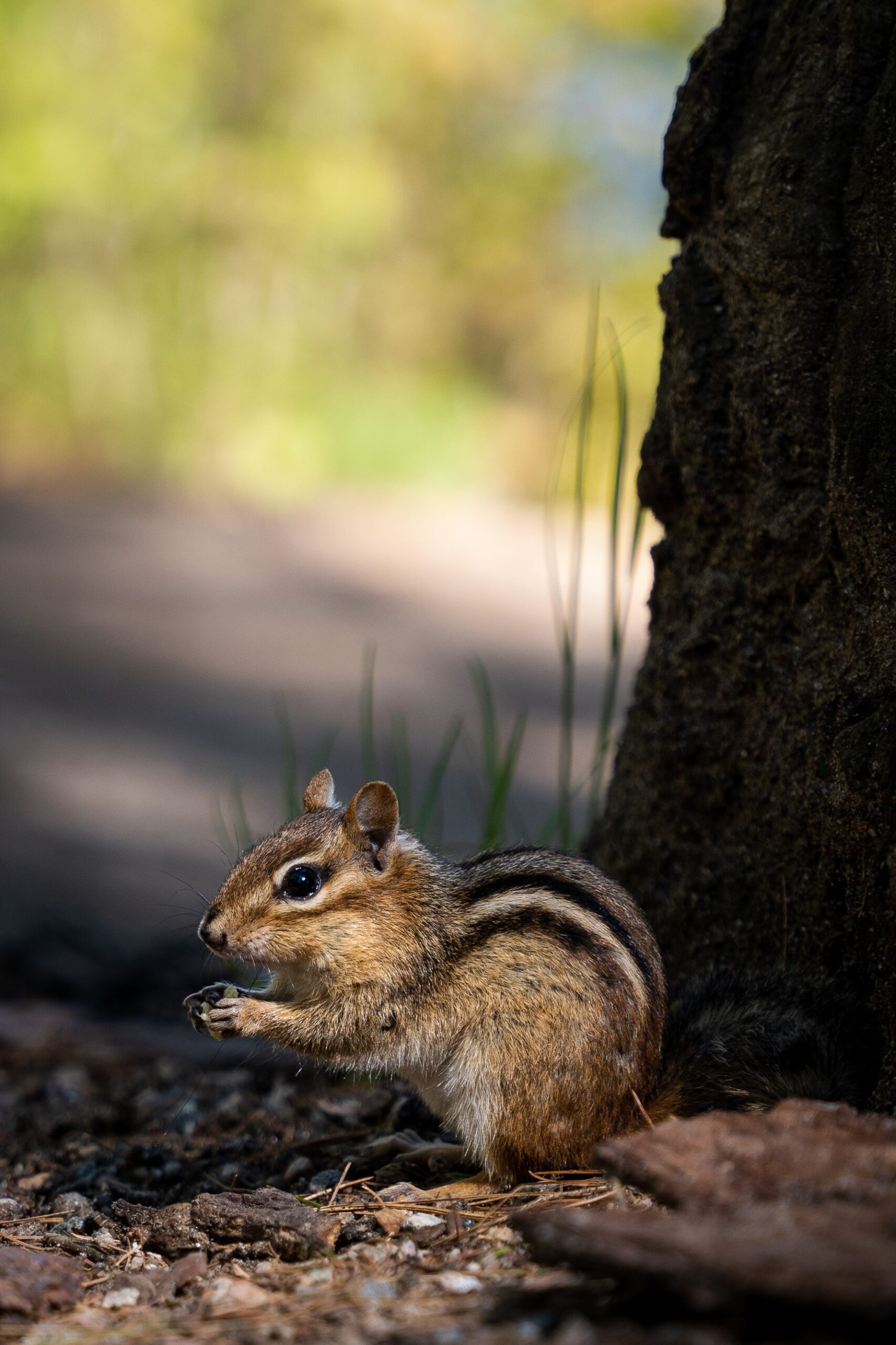
シマリスはとても好奇心が旺盛です。そのため興味のあることには手を出してきます。ただしその一方で外敵も多い動物ですから気性が荒いです。噛んでくることもありますから、扱い方には注意も必要です。
① とても警戒心が強い
- 物音や動きにすぐ反応
- 知らない人・環境が苦手
- 立ち上がって周囲を見張るのが日常
常に「逃げ道」を考えている感じ。
② 基本は単独行動
- 群れは作らない
- 縄張り意識が強い
- 他のシマリスと争うこともある
一人が好きな性格。
③ 好奇心は強い
- 新しいものには興味津々
- 匂いを嗅ぎ、かじって確認
- 探索行動が多い
ビビりだけど、気になる。
④ 人との関係
- 懐くというより慣れる
- 手から餌を取る程度が限界なことも多い
- 抱っこ・撫でられるのは苦手
ハムスターより「距離感あり」。
⑤ 気分屋な一面
- 機嫌が良い時は近づく
- 嫌な時は隠れる・噛む
- 季節(繁殖期)で性格が荒くなることも
⑥ 個体差は大きい
- おっとりタイプ
- 神経質タイプ
- 好奇心全開タイプ
同じシマリスでもかなり違います。
生態はどんな感じ?
シマリスは雑食性で、主に種子、ナッツ、果実、芽を食べることが多いです。木の実を得るために木にも登ることもあり農地や庭の植物も食べるため、害獣にもなりやすいです。シマリスは、年2回、春の初めと夏の初めに繁殖を行います。1回につき1頭産むことができます。寿命は5年~10年。
① 生活場所・行動範囲
- 主に森林の地面で生活
- 木登りもするが、活動の中心は地上
- 巣穴を中心に狭い行動圏で暮らす
「地面派リス」。
② 巣穴での生活
- 地中に複雑な巣穴を掘る
- 巣穴の中には
- 寝室
- 食料庫
- トイレ
を分けて作る
- 出入口は複数
とても几帳面。
③ 1日の生活リズム
- 昼行性
- 朝と夕方が特に活発
- 日中は採食と見張りを繰り返す
- 夜は巣穴で休む
④ 食べ物と貯食
- 雑食性
- 木の実、種子、ドングリ
- 果実、キノコ
- 昆虫、小動物
- 頬袋に詰めて巣へ運ぶ
- 大量に貯食する習性が強い
冬への備えが命。
⑤ 季節による変化
- 秋:
貯食に全力 - 冬:
冬眠または半冬眠
(完全に寝続けるわけではない) - 春〜夏:
活発に活動・繁殖
⑥ 繁殖
- 繁殖期:春(地域によっては年2回)
- 1回の出産:4〜6匹
- 子育ては母親のみ
- 約2か月で独立
天敵はいるのか?
天敵は猛禽類、イタチ類、キツネ、ヘビなどがいます。
換毛について
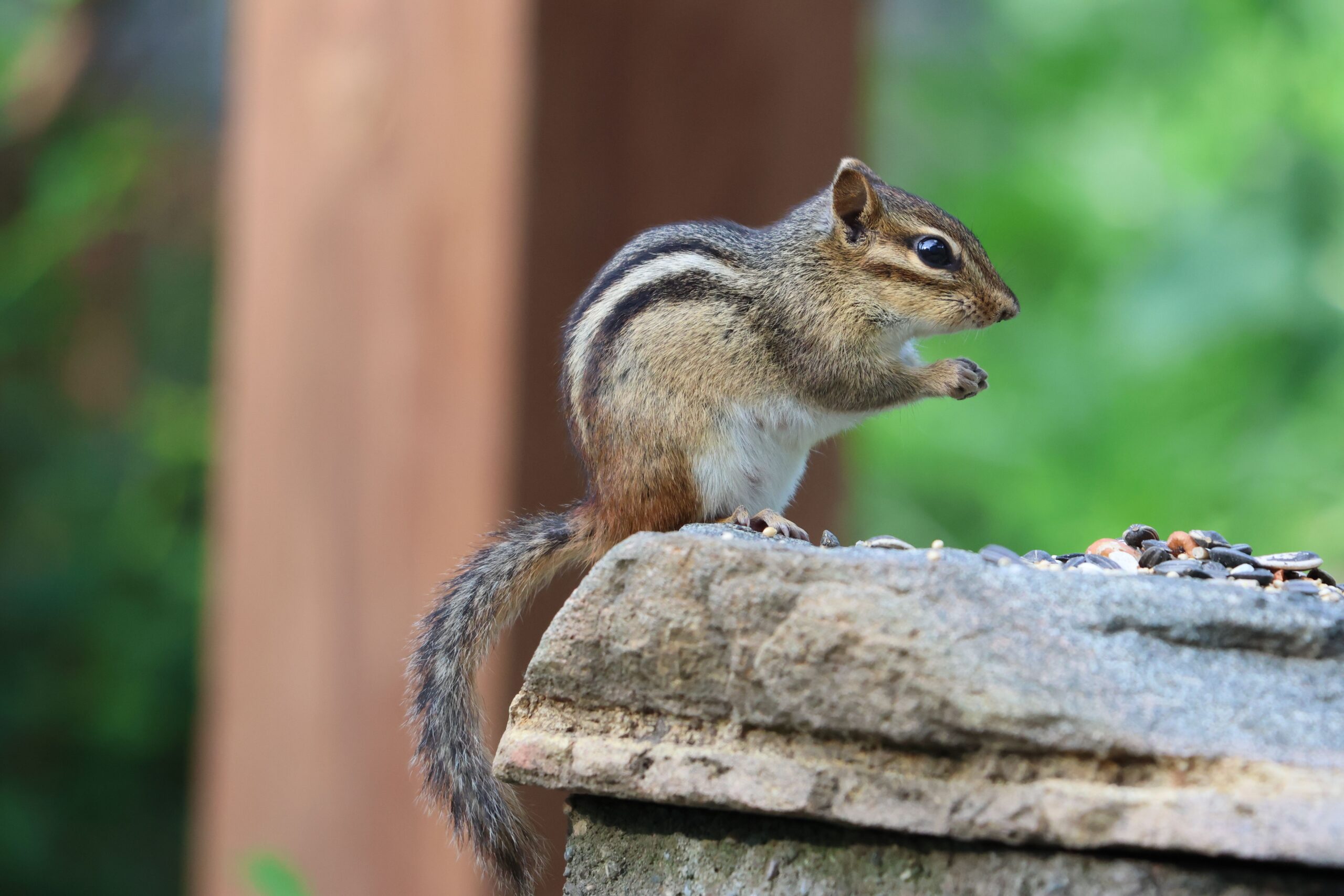
シマリスは、季節の変化に合わせて年に2回ほど換毛(毛の生え替わり)を行います。特に寒冷地に暮らすシベリアシマリスでは、冬を乗り切るために被毛が大きく変化します。
🌸 春の換毛(冬毛 → 夏毛)
時期:
3月〜5月頃
冬眠から目覚める時期と重なります。
変化:
- 厚く密な冬毛が抜ける
- 短く軽い夏毛になる
- 体温を逃がしやすくなる
春になると活動量が増えるため、暑さへの対応が必要になります。
🍂 秋の換毛(夏毛 → 冬毛)
時期:
9月〜11月頃
冬眠前に起こります。
変化:
- 毛が長くなる
- 下毛(アンダーコート)が増える
- 保温能力が高まる
特に北海道やシベリアなど寒冷地の個体では、冬毛の密度が高くなります。
夏毛と冬毛の違い
| 特徴 | 夏毛 | 冬毛 |
|---|---|---|
| 毛量 | 少ない | 多い |
| 長さ | 短め | 長め |
| 密度 | 低い | 高い |
| 役割 | 放熱 | 保温 |
| 色 | やや鮮やか | 灰色・淡色化 |
鳴き声について
シマリスは小さな体からは想像できないほど多様な鳴き声を使って仲間とコミュニケーションする動物です。
ただし、リスの仲間の多くと同じく、犬や鳥のように頻繁に鳴く動物ではなく、主に:
- 危険を知らせる
- 仲間へ合図する
- 繁殖相手との交流
- 子どもとの連絡
などの場面で声を出します。
1. 代表的な鳴き声
「チッチッ」「チッチッチッ」(警戒音)
最もよく聞かれる鳴き声です。
特徴:
- 高く短い音
- 素早く繰り返す
- 周囲を警戒しながら鳴く
意味:
- 「危険が近い」
- 「何か怪しい」
- 「敵を発見した」
という警告です。
2. 捕食者への警戒音
シマリスは小型動物のため、天敵が多くいます。
主な天敵:
- タカ・ワシなどの猛禽類
- キツネ
- イタチ
- ヘビ
- ネコ科動物
危険を感じると:
- 立ち上がる
- 周囲を見る
- 尾を振る
- 高い声で鳴く
という行動をします。
3. 「チャッ」「カカカ」という音
興奮時や警戒が強い時に出す声です。
用途:
- 近くにいる仲間への注意
- 捕食者への警告
- 縄張り主張
特に巣穴周辺でよく見られます。
4. 求愛時の鳴き声
繁殖期には普段より声を使います。
オスは:
- 小さな鳴き声
- 追跡しながらの呼び声
- 接近時の音
を使ってメスに接近します。
春の活動開始後に増える傾向があります。
5. 子どもの鳴き声
幼いシマリスは:
- 高い声
- 小さな鳴き声
- 震えるような声
を出します。
季節別の活動
シマリスは、季節によって生活スタイルが大きく変化する動物です。特に冬眠・食料貯蔵・換毛・繁殖が季節サイクルの中心になります。
🌸 春(活動開始・繁殖の季節)
時期
3月〜5月頃
冬眠から目覚める時期です。
主な活動
① 冬眠から覚醒
- 地中の巣穴から出る
- 体温・代謝が通常状態へ戻る
- 日光浴をする
冬眠直後は体力が低下しているため、
- 木の芽
- 新芽
- 種子
- 昆虫
など消化しやすい食物を探します。
② 繁殖活動
春は繁殖期です。
オスは:
- メスを探す
- 鳴き声を出す
- 追跡する
行動が増えます。
メスは巣穴で子育てを行います。
③ 換毛開始
冬毛から夏毛へ変化。
- 毛が抜ける
- 体が軽くなる
- 活動量が増える
☀️ 夏(最も活発な季節)
時期
6月〜8月頃
シマリスにとって最も活動的な時期です。
主な活動
① 食料探索
食べ物:
- 木の実
- 種子
- 果実
- 昆虫
- キノコ
など。
朝夕に活発になります。
② 子育て
春に生まれた幼獣が成長します。
幼いシマリスは:
- 巣穴から出る
- 採食を覚える
- 単独行動を始める
ようになります。
③ 縄張り活動
シマリスは基本的に単独生活です。
そのため:
- 餌場の確保
- 巣穴周辺の防衛
- 他個体との距離維持
を行います。
🍂 秋(冬眠準備の季節)
時期
9月〜11月頃
シマリスにとって最も重要な季節です。
① 食料貯蔵
最大の仕事は冬眠準備です。
集めるもの:
- ドングリ
- 木の実
- 種子
- 穀類
など。
頬袋に詰め込み、巣穴へ運びます。
1匹が大量の食料を貯蔵します。
② 秋の換毛
夏毛から冬毛へ変化。
変化:
- 毛量増加
- 保温性向上
- 尾がふさふさになる
③ 冬眠用巣穴の整備
巣穴では:
- 枯葉を敷く
- 食料を配置
- 休眠場所を作る
などを行います。
❄️ 冬(冬眠の季節)
時期
11月〜翌3月頃
寒冷地では長期間活動を停止します。
冬眠中の状態
変化:
- 体温低下
- 心拍数低下
- 呼吸減少
- エネルギー消費低下
になります。
ただし、クマのような浅い冬眠とは異なり、シマリスは**本格的な冬眠(深い休眠)**を行います。
冬眠中の行動
完全に眠り続けるわけではありません。
時々:
- 目覚める
- 貯蔵した食料を食べる
- 排泄する
ことがあります。
歩行速度について
シマリスは小型の哺乳類ですが、地上を素早く移動する能力と、短距離での瞬発力に優れた動物です。
ただし、チーターや大型哺乳類のように高速走行を長時間続ける動物ではなく、危険回避・餌探し・巣穴移動のための短距離移動型です。
🚶 通常歩行
約1〜3km/h程度
普段の移動では:
- 地面を歩く
- 周囲を確認する
- 木の実を探す
- 巣穴周辺を移動する
など、ゆっくりした動きをします。
シマリスは警戒心が強いため、歩きながら頻繁に立ち止まり周囲を確認します。
🐾 活発な移動
約4〜8km/h程度
食料を探している時や、巣穴と採食場所を往復するときに見られます。
特徴:
- 小刻みに走る
- 方向転換が速い
- 急停止できる
という小型動物らしい動きをします。
🏃 短距離最高速度
約15〜25km/h程度
※正確な最高速度は種や測定条件で差があります。
シマリスは:
- 長い脚
- 柔軟な背骨
- 強い後ろ脚
によって短距離では非常に速く動けます。
ジャンプ能力
シマリスは走るだけでなく、跳躍も得意です。
能力:
- 数十cm〜1m以上の跳躍
- 岩や倒木を素早く移動
- 木へ瞬時に登る
ことができます。
危険を感じた時は:
- 地面を高速移動
- 木や巣穴へ逃げ込む
- 物陰で停止
という行動を取ります。
シマリスの幼獣について
シマリスの幼獣は、
「とても小さく、未熟で、短期間で一気に成長する野生的な赤ちゃん」です。
見た目の可愛さとは裏腹に、成長スピードがとても速いのが特徴です。
① 生まれた直後
- 体長:約5cmほど
- 体重:数グラム
- 毛はなく、目も閉じている
- 耳もまだ開いていない
- 完全に母親頼り
かなりか弱い状態で生まれます。
② 生後2〜3週間
- 体毛が生え始める
- 目と耳が開く
- 動きが少しずつ活発に
「赤ちゃん感」が薄れ始める時期。
③ 生後1か月前後
- 背中に縞模様が出てくる
- 巣穴の中で歩き回る
- 固形物をかじり始める
シマリスらしい見た目に。
④ 生後5〜6週間
- 巣穴の外に出始める
- 走る・登るなど運動量が急増
- まだ母親の監視下
⑤ 生後7〜8週間(約2か月)
- ほぼ自立
- 母親から離れて単独行動へ
- 自分で巣穴を探す・掘る
とても早い自立。
⑥ 母親との関係
- 子育ては母親のみ
- 父親は関与しない
- 独立後は母子でも距離を取る
野生的でドライ。
⑦ 危険と生存率
- 幼獣期は死亡率が高い
- 天敵・寒さ・食糧不足がリスク
- だからこそ成長が速い
シマリスは絶滅危惧種なのか?
シマリスは絶滅危惧種なのか?と言うと、現在はそうではありません。個体数は安定しており、世界中に分布してます。
① 日本・アジアでよく知られるシマリス
(エゾシマリス/シベリアシマリスなど)
- IUCN分類:
LC(低懸念) - 絶滅の心配は現時点では小さい
- 北海道や大陸で比較的安定
一般にイメージされる「シマリス」はここ。
② 北米のチップマンク類
- 多くの種は LC(低懸念)
- ただし
- 生息地が限定されている種
- 島嶼・山岳限定種
では個体数減少が報告されているものもある
③ 絶滅リスクが高い例(少数)
- 一部の局所分布種は
- 森林破壊
- 都市化
- 気候変動
の影響を強く受け - VU(危急)
- EN(絶滅危惧)
に指定されている種もある
「シマリス=安全」とは言い切れない。
なぜ多くは絶滅していない?
- 繁殖力が比較的高い
- 食性が幅広い(雑食)
- 環境適応力が高い
- 人里近くにも生息できる種が多い
シマリスはペットとして飼育できる?
シマリスはペットとして飼育できる?シマリスは一般的なペットショップ経由で入手できます。
販売価格はどれくらい?
相場は7,000円~1万円です。希少な種類になると価格が数倍になることもあります。オスとメスで価格が異なるショップもあります。
ケージが必須
シマリスは半樹上性で運動量が多いため広いケージが必要です。ケージがないと家から脱走もします。床材も併せて用意してください。木くずや草といった天然素材のものがおすすめ。
トイレ・トイレ砂
トイレ・トイレ砂も必須です。小動物専用の消臭砂が好ましいです。
巣箱
巣箱は必須です。シマリスは巣を作って生活をする傾向があります。安心できる隠れ家が必要です。シマリスは寒くなると冬眠してしまいますから保温グッズも併せて揃えてください。
ペットフード
リスやハムスター専用のフードを与えましょう。給水ボトルも必要です。ケージに固定できるものが使いやすいです。
止まり木
止まり木も必要になります。シマリスは伸び続ける歯を削るために木をかじる習性があるから。市販のかじり木がおすすめです。
飼育されている動物園(日本・世界)
シマリスは小型で飼育しやすく、教育展示向きの動物として多くの動物園・動物園施設で飼育されています。日本で見られるシマリスの多くは、シベリアシマリス(Tamias sibiricus)です。
🇯🇵 日本でシマリスを見られる主な施設
北海道
円山動物園
- 北海道を代表する動物園
- 北方系動物の展示が充実
- シマリスなど北海道の自然に近い小動物展示を行っています
北海道では野生のシマリスも身近な存在で、地域の自然教育にも利用されています。
関東
井の頭自然文化園
- 小動物展示で有名
- リス類の観察施設が充実
- 間近で行動観察ができます
特にリスの活動を見る施設として人気があります。
上野動物園
- 日本最大級の動物園
- 小型哺乳類展示の歴史が長い
- リス類を含む多様な動物を飼育
東海地方
東山動植物園
- 小動物展示が豊富
- 森林性動物の観察に向いています
関西
京都市動物園
- 歴史ある動物園
- 小型哺乳類展示があります
中国・四国
とべ動物園
- 多様な哺乳類を展示
- 小動物観察施設があります
🌍 世界のシマリス飼育施設
シマリスは北半球に広く分布するため、世界各地の動物園で展示されています。
🇺🇸 アメリカ
サンディエゴ動物園
- 世界最大級の動物園の一つ
- 北米の小型哺乳類展示が豊富
ブロンクス動物園
- 北米最大級の動物園
- 野生動物保護・教育展示で有名
🇬🇧 イギリス
ロンドン動物園
- 世界最古級の動物園
- 小型哺乳類展示の歴史があります
🇩🇪 ドイツ
ベルリン動物園
- 世界有数の歴史ある動物園
- 多様な哺乳類を飼育
他の動物を紹介
コメント