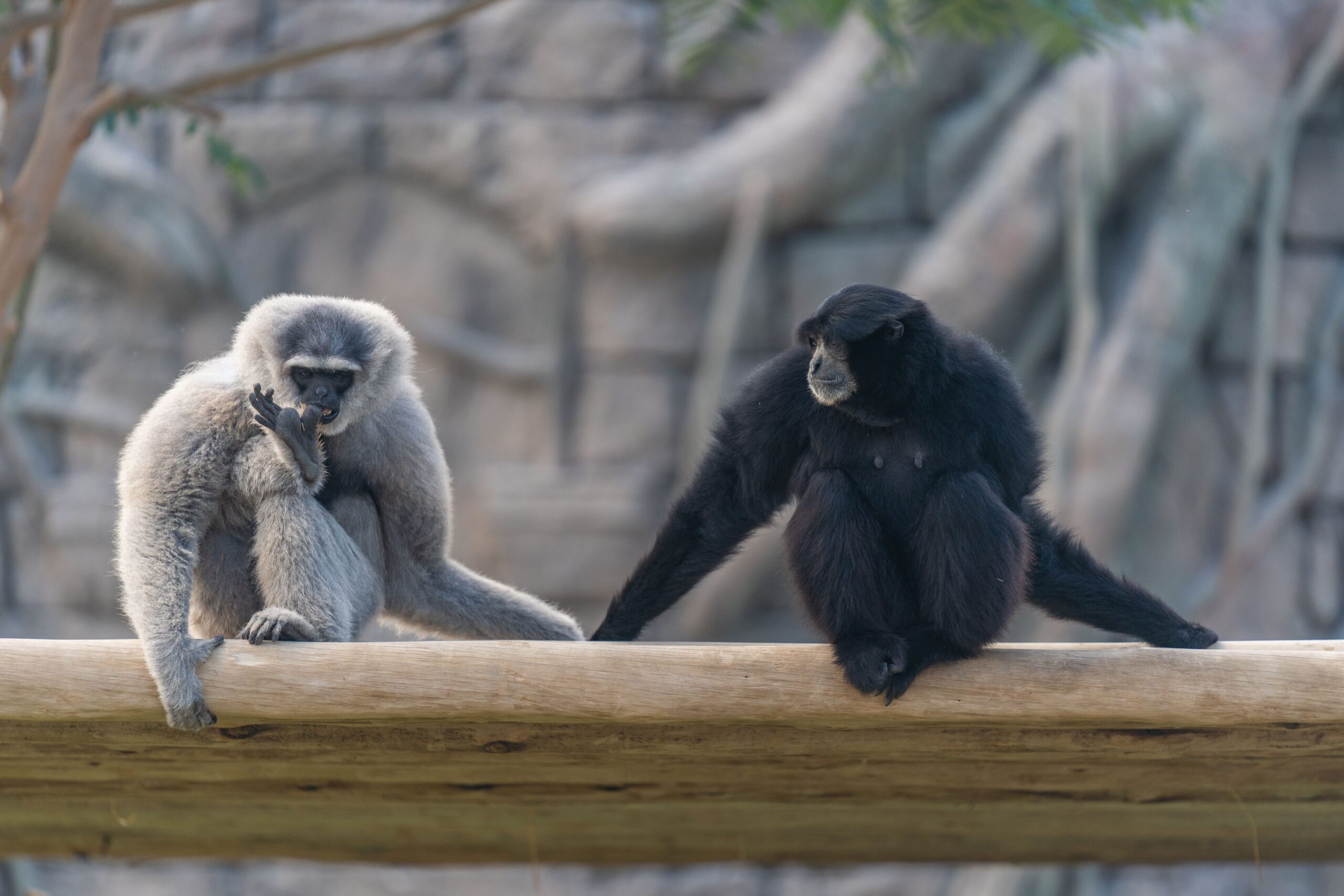
テナガザルはどんな動物?特徴、生態、生息地について解説します。動物公園でシロテテナガザルなど紹介されていますがこの種族は主に東アジアから東南アジアに分布しています。名前の通りですが、前肢の長さが特徴的ですが、実はこの種族の亜種は絶滅危惧種に指定されている動物でもあります。


テナガザルとは? 基本ステータスについて
テナガザルは霊長目テナガザル科に属するサルのなかま。学名はHylobatidae。亜種によって大きさは違いがありますが、全長は40-60cm、体重は4-6kgくらいのものが多いです。情報の一覧は以下の通り。図鑑でも見れる動物ですから時間があれば見てみましょう。
| Japanese(和名) | テナガザル |
| English(英名) | Gibbon |
| scientific name(学名) | Hylobatidae |
| classification(分類) | Mammalia、Primate、 Hylobatidae 哺乳綱、霊長目、テナガザル科 |
| IUCN Status(保全状況) | ENDANGERED |
| Length(体長) | 40~60cm |
| Weight(体重) | 4~6kg |
テナガザルのルーツ、起源は?
テナガザルは、霊長類(サルの仲間)の中でも特に腕が長く、樹上生活に高度に適応した類人猿です。分類上はヒト・チンパンジー・ゴリラ・オランウータンと同じ**類人猿(Hominoidea)**に属します。
1. テナガザルの遠い祖先
テナガザルの祖先は、約2500万〜2000万年前に存在した初期の類人猿にさかのぼります。
進化の流れ:
原始的な霊長類
↓
約2500万年前
初期の類人猿(Hominoidea)
↓
約1800万〜1200万年前
大型類人猿系統とテナガザル系統が分岐
↓
現在のテナガザルへ
2. ヒトや大型類人猿との関係
テナガザルは「サル」ではありますが、分類ではヒトに近いグループです。
類縁関係:
類人猿
│
├── テナガザル類
│
└── 大型類人猿
    ├── オランウータン
    ├── ゴリラ
    ├── チンパンジー
    └── ヒト
テナガザルは大型類人猿とは別系統ですが、共通祖先を持っています。
3. どこで誕生したのか?
テナガザルの祖先は、現在の:
- 中国南部
- ミャンマー
- タイ
- ベトナム
- マレー半島
周辺の森林環境で進化したと考えられています。
現在は主に:
- インドネシア
- マレーシア
- タイ
- ベトナム
- ミャンマー
などの熱帯雨林に分布しています。
4. なぜ腕が長く進化したのか?
テナガザル最大の特徴は名前の通り、
体よりはるかに長い腕
です。
これは「ブラキエーション(腕渡り)」という移動方法への適応です。
ブラキエーション
- 枝にぶら下がる
- 腕を振る
- 次の枝へ飛び移る
- 高速で樹冠を移動する
ことができます。
分類について
テナガザルには多数の亜種が存在します。Wikipediaからの引用です。フーロックテナガザル属 Hoolock、テナガザル属 Hylobates、クロテナガザル属 Nomascus、フクロテナガザル属 Symphalangusから構成されています。シロテテナガザルなど熱帯を好むサルが多いです。
- Hoolock hoolock ニシフーロックテナガザル Western hoolock gibbon
- Hoolock leuconedys ヒガシフーロックテナガザル Eastern hoolock gibbon
- Hylobates agilis アジルテナガザル Agile gibbon
- Hylobates albibarbis ボルネオシロヒゲテナガザル Bornean white-bearded gibbon
- Hylobates klossii クロステナガザル Kloss’s gibbon
- Hylobates lar シロテテナガザル White-handed gibbon
- Hylobates moloch ワウワウテナガザル Silvery gibbon
- Hylobates muelleri ミュラーテナガザル Müller’s Bornean gibbon[2]
- Hylobates pileatus ボウシテナガザル Pileated gibbon
- Nomascus concolor カンムリテナガザル Crested gibbon
- Nomascus gabriellae キホオテナガザル Red-cheeked gibbon
- Nomascus hainanus ハイナンテナガザル Hainan gibbon
- Nomascus leucogenys キタホオジロテナガザル Northern white-cheeked gibbon
- Nomascus nasutus カオヴィットカンムリテナガザル Cao-vit crested gibbon
- Nomascus siki ミナミホオジロテナガザル Southern white-cheeked gibbon
- Symphalangus syndactylus フクロテナガザル Siamang
生息地について
野生の生息地は中国など東アジアから東南アジア(インドネシア、マレー半島、マレーシア、ミャンマー、タイ)のあたりに分布しています。
1. 地理的分布
テナガザルは 東南アジアの熱帯雨林に生息する霊長類です。主な分布地域は以下の通りです:
- インドシナ半島:タイ、ラオス、カンボジア、ベトナム
- マレー半島:マレーシア半島、シンガポール
- インドネシア:スマトラ島、ボルネオ島(カリマンタン)、ジャワ島、スラウェシ島
- その他の島嶼:バリ島やその他小規模の島々
2. 生息環境
- 熱帯雨林の樹冠層(森林の上部)を主な生活域とする
- 密集した木々とつる植物が多い森林を好む
- 樹上で生活するため、地面にはほとんど降りない
- 標高は低地から中山岳地帯まで(おおよそ0〜2000 m程度)
3. 行動と生息地の関係
- 完全な 樹上生活(アカテナガザルなどは特に樹冠層中心)
- 長い腕を使って木々をぶら下がりながら移動(ブラキエーション)
- 果実や葉、花、昆虫を求めて森林内を広く移動する
- 縄張り意識が強く、森の中で縄張りを守るために声や動きでコミュニケーション
特徴は?どんな感じの生物なのか?
テナガザルは最大の持ち味、特徴と言えるのが前肢の長さ。現生ヒト上科の中では小型で前肢は後肢の1.7倍ほど長いと言う特徴があります。テナガザルは熱帯雨林などを好み、木の上で生活をします。テナガザルは歌を歌うことで知られていてカップルのオスとメスが交互に叫びあいながら歌います。他の群れに対してなわばりを主張する意味もあります。
1. 体の特徴
- 体型:細身で軽快、四肢が非常に長い
- 腕の長さ:体長の約 1.5〜2倍 の長さがあり、ぶら下がり移動(ブラキエーション)に最適
- 体重:約 4〜12 kg(種類によって差あり)
- 体長:約 40〜70 cm(尾はない)
- 毛色:種によって異なる
- 白黒、黒、茶色、淡黄色など多様
- 顔は毛が少なく、表情がよくわかる
2. 四肢・移動の特徴
- 長い腕:木の枝につかまりぶら下がるのが得意
- 脚は比較的短く、地面での移動よりも樹上移動に適応
- 尾がない:尾ではなく腕でバランスを取り、ぶら下がって移動
3. 食性
- 主に果実食(フルーツ)
- 葉、花、芽、昆虫も少量摂取
- 果実が豊富な樹冠層を移動して採食
4. 行動・生活
- 完全樹上生活
- 長い腕を使って木々の間をスイング(ブラキエーション)
- 森林の上層部で生活し、地面にはほとんど降りない
- 1夫1婦の家族群で生活することが多い
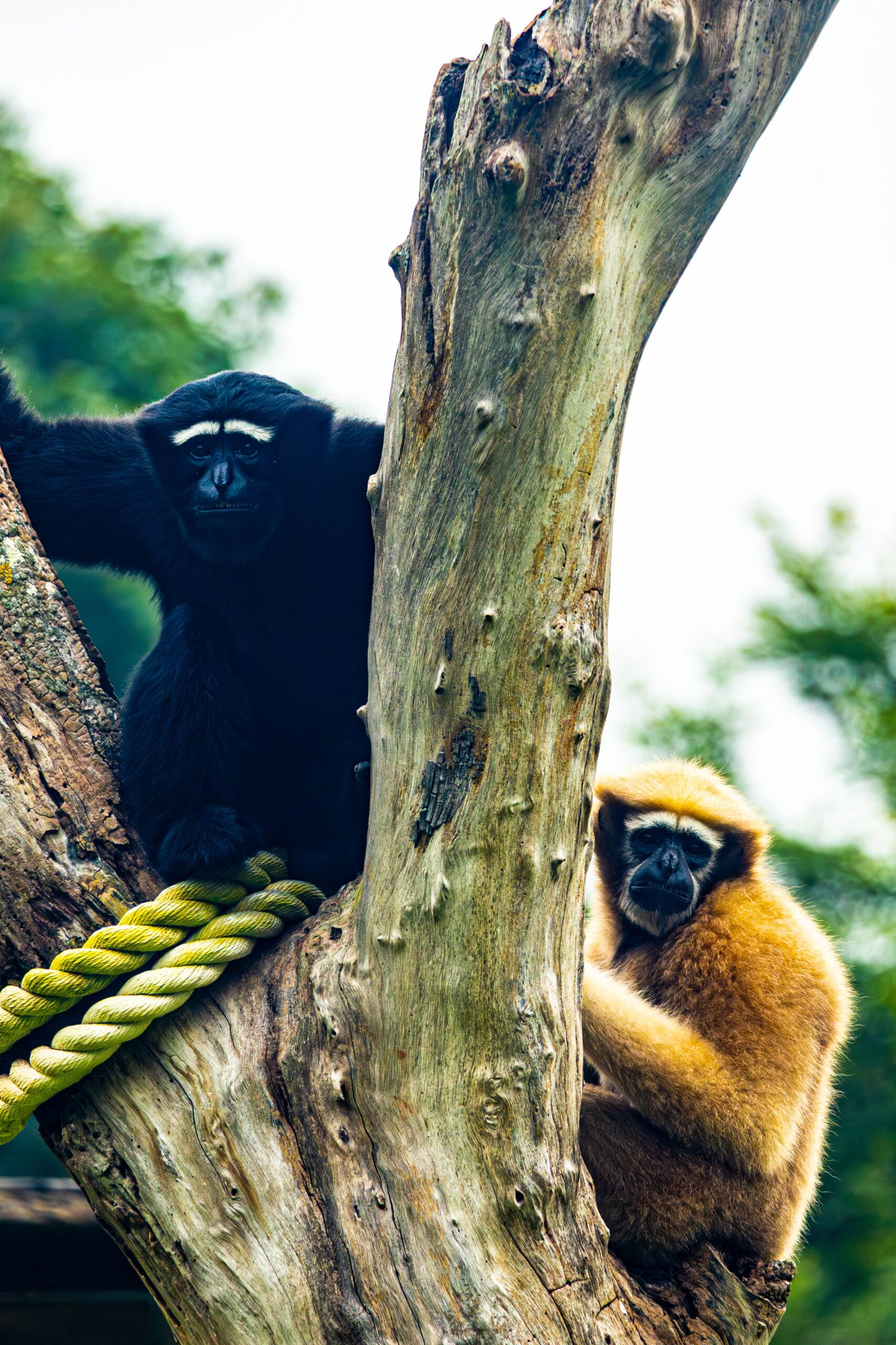
性格はどんな感じなのか?
テナガザルは大人になればなるほど警戒心が強くなります。 また社会性を重んじる動物で規律を重視します。そのため単独よりも家族などグループで生活や移動をします。
1. 活発で器用
- 長い腕を使って木々を自在に移動するため、非常に 運動能力が高い
- 樹上で跳んだりぶら下がったりするのが得意で、遊び好きな一面もある
2. 臆病で警戒心が強い
- 野生では 人間や捕食者に対して非常に警戒心が強い
- 危険を察知するとすぐに木の上や枝に隠れる
3. 社会性・縄張り意識
- 1夫1婦の 家族単位(ペアや親子) で生活することが多い
- 鳴き声や動きで縄張りを主張
- 特に 朝や夕方に「デュエットコール」と呼ばれる鳴き声でコミュニケーション
- 群れの外の個体に対しては攻撃的になることもある
4. 穏やかだが、縄張り意識が強い
- 家族内では 穏やかで協調的
- 縄張りやペア関係に関しては 敏感で攻撃的になる場合もある
生態はどうなっているのか?
テナガザルは主に果実、木の葉や花などの他、昆虫なども食べます。特定の繁殖期は見られず、妊娠期間7ヵ月あります。一夫一婦で、1回につき1頭産むことができます。雄も育児を助け、子どもは2年程度は授乳期間があります。寿命は25年から40年ほどで、飼育下ほど長生きします。
1. 生活環境
- 完全樹上生活(樹冠層)
- 木の枝をつたって移動するブラキエーションが主
- 地面に降りることはほとんどない
- 生息域:東南アジアの熱帯雨林、低地から標高2000 m程度まで
2. 食性
- 主に果実食(フルーツ)
- 葉、芽、花、樹皮、昆虫も少量摂取
- 森林の上層部で食料を探しながら移動
- 餌を探す範囲は比較的広く、1日の行動範囲は 1〜2 km程度
3. 繁殖・子育て
- 繁殖:年に1回程度(地域や種によって異なる)
- 妊娠期間:約 7か月
- 出産数:通常 1頭
- 母親は子どもを1〜2年かけて育て、樹上で移動や食事を学ばせる
- ペアは長期間にわたり生活し、親子関係が強い
4. 社会構造
- 家族単位(ペア+子ども) で生活
- 鳴き声で縄張りやペア関係を維持
- 特に朝や夕方にペアでデュエットすることが多い
- 他の個体との接触は最小限で、縄張りを守る
5. 移動と活動
- 枝をつたってスイングしながら移動(ブラキエーション)
- 活動は 昼行性
- 果実の分布に応じて日々移動範囲を変える
- 森林破壊や人間の活動に敏感で、警戒心が強い
天敵はいるのか?
天敵はテナガザル 天敵トラ、ヒョウ、ウンピョウ、アジアゴールデンキャット、ドールがいるため、敵に常に警戒する必要があります。
換毛について
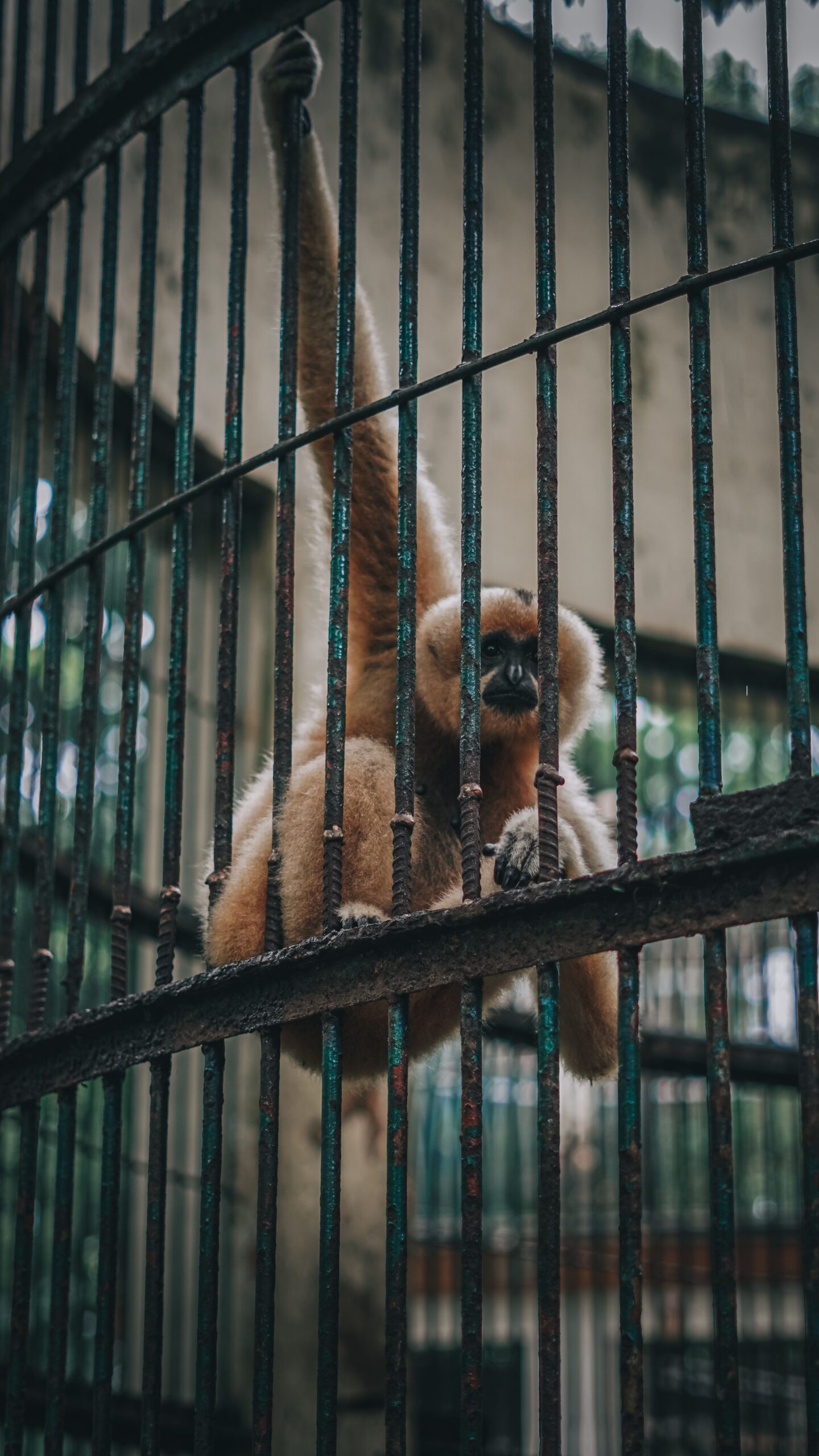
テナガザルは、犬やキツネのように季節によって大量に毛が生え変わる「季節換毛」よりも、少しずつ毛が入れ替わる「継続的換毛」を行う動物です。
1. テナガザルの換毛周期
テナガザルでは一年を通じて少しずつ毛が抜け、新しい毛へ入れ替わります。
特徴:
- 一度に全身の毛が抜けることは少ない
- 常に一定量の毛が生え変わる
- 季節変化の影響は比較的小さい
熱帯地域では、
- 年間の気温差が小さい
- 雪や厳寒がない
- 厚い冬毛が不要
ため、キツネやオオカミのような大きな季節換毛は発達しませんでした。
2. 毛の役割
テナガザルの毛には、主に以下の役割があります。
① 体温調節
熱帯雨林では、
- 強い日差し
- 高い湿度
- 急な雨
があります。
毛は、
- 直射日光を遮る
- 体温変化を緩和する
- 雨から皮膚を守る
役割を持ちます。
② 皮膚の保護
樹上生活では、
- 枝との接触
- 虫刺され
- 雨や湿気
から皮膚を守る必要があります。
密な体毛は、森の中での生活に適しています。
③ 仲間とのコミュニケーション
テナガザルは毛色が重要な役割を持ちます。
例:
シロテテナガザル
- 手足や顔周辺の白い毛
- 黒や茶色の体毛
など、個体識別や仲間同士の認識に役立ちます。
鳴き声について
テナガザルは、霊長類の中でも特に大きく複雑な鳴き声を使う動物です。彼らの鳴き声は単なる「声」ではなく、縄張り・夫婦関係・仲間との連絡を維持するための「歌」として進化しました。
1. テナガザルの代表的な鳴き声「歌」
テナガザルの鳴き声は研究者からも「gibbon song(テナガザルの歌)」と呼ばれます。
特徴:
- 一定のリズムがある
- 種ごとに特徴的なパターンがある
- オスとメスで異なる声を出す
- 毎日決まった時間帯に鳴くことが多い
特に朝方に活発になります。
2. なぜそんなに大声で鳴くのか?
テナガザルが暮らす熱帯雨林では、
- 木が密集している
- 視界が悪い
- 仲間を見つけにくい
という問題があります。
そのため、
「姿ではなく声で存在を知らせる」
能力が発達しました。
主な目的:
- 縄張りの宣言
- つがいの結束
- 他の群れへの警告
- 仲間の位置確認
3. 朝の歌(デュエット)
特に有名なのが、オスとメスによる**デュエット(合唱)**です。
流れ:
① メスが開始
↓
② オスが応答
↓
③ 2匹で複雑な歌を作る
この歌は、
- 夫婦関係の確認
- 他の個体への縄張りアピール
として機能します。
季節別の活動
テナガザルは主に東南アジアの熱帯雨林に暮らすため、日本の動物のような「冬眠」「冬毛への変化」などはありません。
一年を通じて活動しますが、雨季・乾季の変化、食べ物の量、繁殖、子育てによって行動が変化します。
🌸 春(雨季入り前後・3〜5月頃)
繁殖・子育てが中心の時期
熱帯地域では明確な春はありませんが、多くの地域で植物が活発になる時期です。
主な活動
- 果実を探して樹冠を移動
- 群れで採食
- 子育て
- 縄張り確認
子どもの成長
テナガザルは基本的に、
- 1回の出産で1頭
- 妊娠期間:約7か月
- 長期間の子育て
を行います。
母親は子どもを抱きながら移動し、数年間かけて育てます。
☀️ 夏(雨季・6〜8月頃)
食物が豊富で活動量が増える時期
熱帯雨林では雨が多く、植物が成長します。
主な活動
- 果実を探す
- 樹冠を長距離移動
- 葉や花を食べる
- 群れで休息
採食行動
テナガザルは主に果実食です。
食べるもの:
- イチジク類
- 果実
- 若葉
- 花
- 昆虫
食料が豊富な時期は、広い範囲を移動する必要が少なくなります。
🍂 秋(乾季への移行期・9〜11月頃)
食料探索と縄張り維持
雨が減少する地域では、植物の変化が始まります。
主な活動
- 果実の多い場所へ移動
- 縄張りパトロール
- 朝の歌によるコミュニケーション
若い個体の成長
若いテナガザルは、
- 枝渡りの練習
- 食べ物の学習
- 群れ内での社会経験
を積みます。
❄️ 冬(乾季・12〜2月頃)
食料を探す移動の季節
熱帯では寒さへの対応ではなく、乾燥への対応が重要になります。
主な活動
- 食料探索範囲の拡大
- 長距離移動
- 水分補給
- 縄張り争い
乾季の特徴
雨が少ない地域では:
- 果実が減る
- 葉を食べる割合が増える
- 移動距離が増える
ことがあります。
歩行速度について
テナガザルは基本的に樹上生活に特化した類人猿であり、地上を長距離歩く動物ではありません。
そのため、歩行速度よりも腕を使った移動(ブラキエーション)や樹上でのバランス能力が発達しています。
1. 通常の歩行速度
地上を歩く場合の速度は、
約3〜5km/h程度
と考えられています。
人間のゆっくりした歩行に近い速度ですが、テナガザルは地上移動を頻繁には行いません。
特徴:
- ゆっくり慎重に歩く
- 周囲を警戒する
- 腕を広げてバランスを取る
2. 地上での歩き方
テナガザルの歩行は、他の類人猿とは少し異なります。
二足歩行
テナガザルは地上では、
二足歩行をすることがあります。
特徴:
- 両腕を頭上や横に広げる
- バランスを取りながら歩く
- 体を直立させる
これは長い腕が地面に触れやすいため、バランス調整として発達したと考えられています。
3. 樹上移動速度(ブラキエーション)
テナガザルの本領は地上ではなく樹上です。
腕渡りでは、
時速30〜40km/h近い速度で移動することが可能
とされています。
特徴:
- 片腕で体を支える
- 大きな振り子運動で移動
- 数m〜10m以上の距離を飛び移る
- ほぼ連続的に枝から枝へ移動
4. ジャンプ能力
テナガザルは非常に優れた跳躍能力を持っています。
能力:
- 数m以上の枝間移動
- 腕と脚を同時に利用
- 落下を防ぐ高い空間認識能力
体重が軽く、腕が長いため、樹冠移動に有利です。
テナガザルの幼獣について
テナガザル(Hylobatidae)の 幼獣(赤ちゃん・子ども)について 詳しく整理します。
1. 出生と体の大きさ
- 出産数:通常 1頭
- 体重:出生時は約 400〜600 g(種によって差あり)
- 体長:出生時は約 30〜40 cm
- 毛は薄く、色は淡い茶色や灰色で成獣ほどの色彩はまだない
- 目は大きく、母親にしっかり抱きつくように発達
2. 成長
- 授乳期間:母乳で約 6〜12か月
- 幼獣は母親の背中や胸に抱かれ、樹上での移動や生活を学ぶ
- 自立:1歳前後で枝渡りや食事をある程度自分で行える
- 性成熟:3〜5年で成熟、種類や環境によって異なる
3. 行動
- 母親や家族のペアに密着して生活
- 樹上での移動方法(ブラキエーション)を学ぶ
- 果実や葉の採食も母親の真似をして覚える
- 遊び好きで、枝から枝へジャンプする練習をする
4. 性格・習性
- 幼獣は 好奇心旺盛で遊び好き
- しかし、警戒心も強く危険を感じるとすぐ母親に抱きつく
- 母親やペアとの信頼関係を通して社会性を学ぶ
5. 注意点(野生での幼獣の危険)
- 落下事故や捕食者(大型猛禽類など)のリスクがある
- 森林破壊や人間の接近により生存率が低下することもある
テナガザルは絶滅危惧種なのか?
テナガザルは亜種の中にはすでに絶滅危惧種に指定されている種族がいます。大規模な森林伐採のため、生息地は急激に減少している個体が多いです。とくに東南アジアは開発が急激に進んでいるため、生息地の破壊はかなり深刻です。ワシントン条約でも掲載されている種がいます。
1. 保全状況(IUCNレッドリスト)
- テナガザル科の各種は 多くが絶滅危惧種(Endangered: EN)や準絶滅危惧(Vulnerable: VU) に分類
- 例:
- アカテナガザル(Hylobates agilis):VU(準絶滅危惧)
- クロテナガザル(Hylobates klossii):EN(絶滅危惧)
- シロテテナガザル(Hylobates lar):EN(絶滅危惧)
2. 絶滅危機の原因
- 森林破壊
- 熱帯雨林の伐採、農地開発、プランテーション化
- 生息地が細切れになり個体群が孤立
- 密猟・ペット取引
- 幼獣がペットや観賞用に捕獲されることがある
- 人間活動との衝突
- 道路建設や人の接近によるストレス
- 食料不足や天敵リスクの増加
3. 保護活動
- 国立公園・保護区での生息地保護
- 森林再生プロジェクト
- 違法捕獲やペット取引の規制
テナガザルはペットとして飼育できる?
テナガザルは亜種の中には絶滅危惧種に指定されているため、かなり飼育が厳しい状態にあります。動物園やイベントなどの案内で鑑賞することをおすすめします。
1. 法律的に不可
国際的規制
- テナガザルは ワシントン条約(CITES)附属書IまたはII に掲載
→ 国際取引は原則禁止または厳重管理
日本の場合
- 種の保存法・動物愛護管理法の対象
- 個人がペット目的で飼育することは 事実上不可能
- 動物園・研究機関など、特別な許可を受けた施設のみ 飼育可能
➡ 違法に飼育・取引すると 罰則の対象 になります。
2. 生態的にペット飼育は不可能
- 完全な樹上生活で、広大な立体空間が必要
- 1日に長距離を移動し、強い運動欲求がある
- 高度に発達した知能と社会性を持つ
- 狭い環境では 強いストレス・自傷行為・攻撃性 が出やすい
3. 性格・行動面の問題
- 成獣になると 力が非常に強い
- 縄張り意識が強く、噛みつき事故の危険あり
- 大きな鳴き声(デュエットコール)は住宅環境では深刻な問題
4. 倫理的問題
- ペット目的の取引では
- 親が殺され、幼獣だけが捕獲される ことが多い
- 絶滅危惧種の個体数減少に直結するため、国際的に問題視されている
飼育されている動物園(日本・世界)
テナガザルは、森林伐採などによって野生個体が減少している種類が多く、動物園では教育・研究・繁殖による保全を目的として飼育されています。
🇯🇵 日本でテナガザルを見られる動物園
1. 多摩動物公園
代表的なテナガザル飼育施設です。
飼育種:
- シロテテナガザル
特徴:
- 樹上生活に合わせた高い放飼場
- ブラキエーション(腕渡り)が観察できる
- 鳴き声「歌」を聞けることがある
現在もシロテテナガザルの家族が飼育されています。
2. 札幌市円山動物園
飼育種:
- ワウワウテナガザル(シルバーテナガザル)
特徴:
- ジャワ島原産のテナガザル
- 大きな声で「歌う」行動が特徴
- 樹上を移動する姿を観察できる
ワウワウテナガザルは、ブラキエーションによる樹冠移動や、縄張りを示す歌声が特徴として紹介されています。
3. 市川市動植物園
飼育種:
- シロテテナガザル
特徴:
- 夫婦単位で飼育
- 遊具を使った運動行動が見られる
- 長い腕を使った移動が特徴
同園ではシロテテナガザルの飼育記録があります。
4. 東山動植物園
飼育例:
- フクロテナガザル
特徴:
- 喉の袋(鳴嚢)を使った大きな鳴き声
- テナガザル類でも特に迫力ある歌声
5. 高知県立のいち動物公園
飼育例:
- シロテテナガザル
特徴:
- 繁殖実績がある施設
- 樹上生活を再現した展示
🌍 世界のテナガザル飼育施設
1. シンガポール動物園
飼育種:
- シロテテナガザル
- フクロテナガザル
特徴:
- 熱帯環境を再現
- 樹上での移動を観察しやすい
2. サンディエゴ動物園
飼育種:
- テナガザル類
特徴:
- 類人猿展示が充実
- 保全研究にも力を入れている
3. スミソニアン国立動物園
飼育種:
- テナガザル類
特徴:
- 絶滅危惧種保全
- 霊長類研究
4. ロンドン動物園
飼育種:
- テナガザル類
特徴:
- 長い歴史を持つ動物園
- 霊長類展示が有名
5. シェーンブルン動物園
飼育種:
- テナガザル類
特徴:
- ヨーロッパ有数の歴史ある動物園
- 絶滅危惧霊長類の繁殖に取り組む

他の動物を紹介
コメント