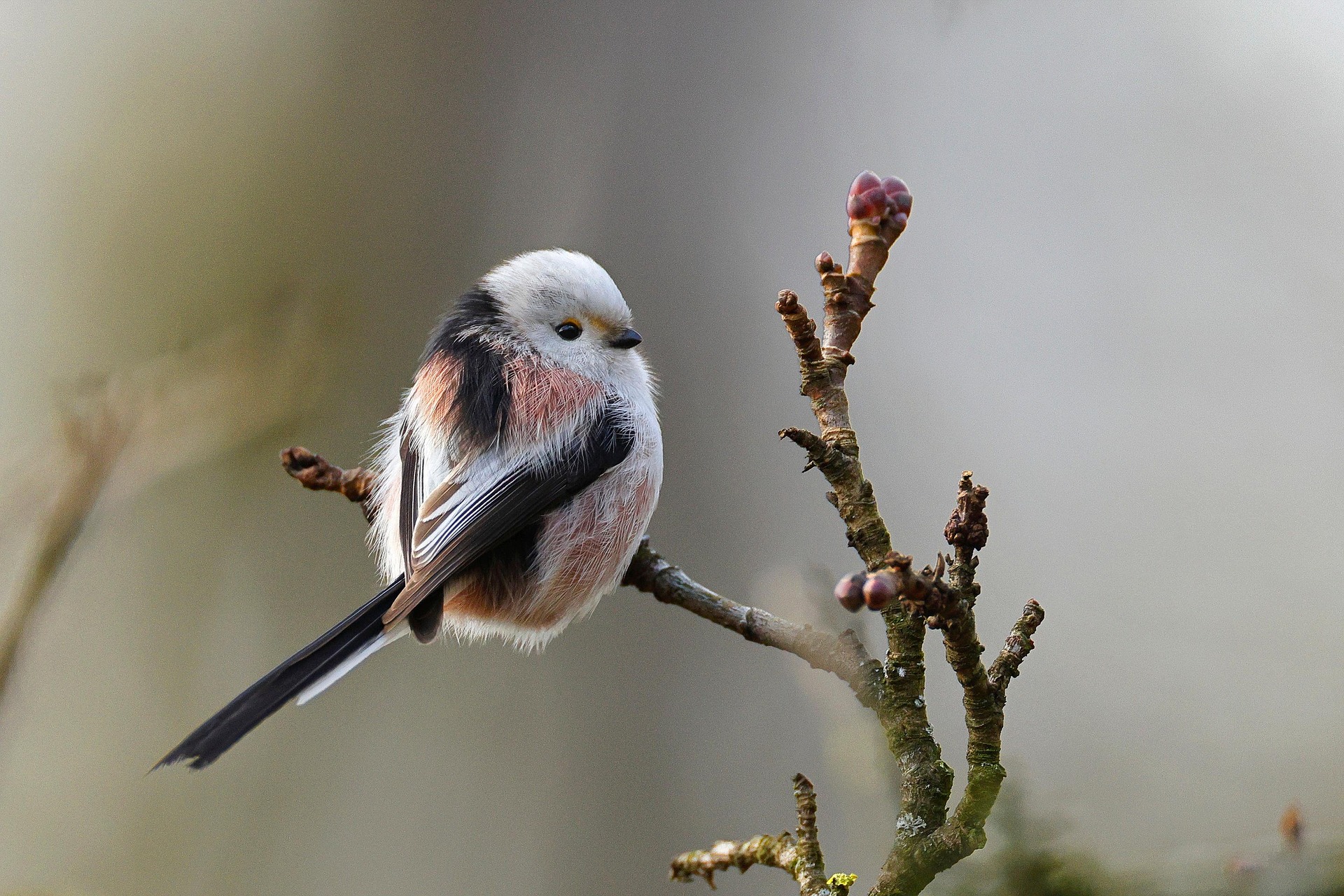
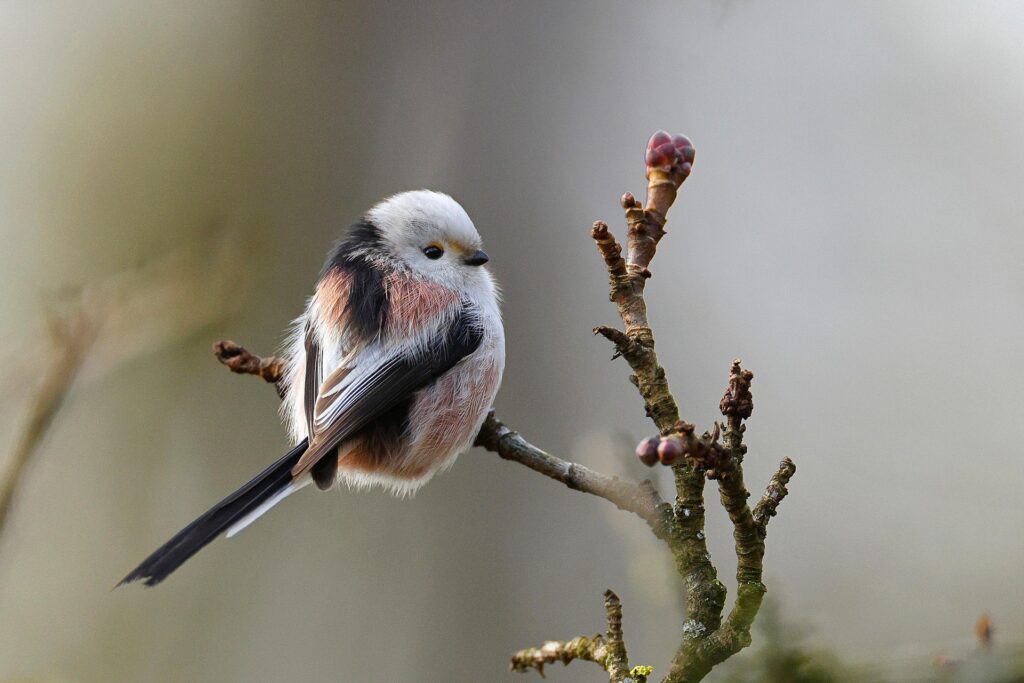
人気の愛らしい魅力のシマエナガはどんな鳥?可愛らしい特徴、生態、生息地について解説 雪の妖精と呼ばれるこの鳥は日本の北海道で見ることができます。エナガの中でも亜種の一つと言われており、エナガ科エナガ属に分類される鳥で全身が真っ白であることからとても可愛い鳥としても有名です。


シマエナガとは? 基本ステータスについて
シマエナガはエナガ科エナガ属に分類される鳥類です。学名はAegithalos caudatus trivirgatus。英名はLong-tailed Tit。体長は約10~14cm、体重は10gほどでスズメと同じくらいの大きさしかありません。愛らしい姿から「雪の妖精」と呼ばれる人気の鳥です。日本ではグッズやイラストのデザインの画像や商品にもなっていて販売されています。情報の一覧は以下です。SNSなどでぬいぐるみを購入してアップしている方も多いです。
| Japanese(和名) | シマエナガ |
| English(英名) | Long-tailed Tit |
| scientific name(学名) | Aegithalos caudatus trivirgatus |
| classification(分類) | Ave、 Passeriformes、 Aegithalidae、Aegithalos 鳥綱、スズメ目、エナガ科、エナガ属 |
| IUCN Status(保全状況) | LEAST CONCERN |
| Length(体長) | 10~14cm |
| Weight(体重) | 10g |
シマエナガのルーツ、起源は?
シマエナガ(島柄長)のルーツは、北海道に進化した「エナガ」の仲間です。
見た目は北海道固有の小鳥のように思われますが、起源をたどるとユーラシア大陸に広く分布する「エナガ(Long-tailed Tit)」の系統につながります
1. 祖先はユーラシア大陸の「エナガ」
シマエナガの分類上の祖先は、スズメ目エナガ科の鳥である エナガ(Aegithalos caudatus) です。
エナガの仲間はヨーロッパからアジアまで広く分布しており、長い尾が特徴です。
名前の由来は、
- 柄長(えなが)=柄の長いひしゃくのような姿
- 長い尾を「柄」に見立てた
という説が有力です。
2. なぜ北海道のシマエナガだけ真っ白なのか?
現在のシマエナガは、エナガの北海道に住む亜種です。
北海道の寒冷な環境の中で暮らすうちに、頭部の黒い模様が消え、顔全体が白い姿へ変化しました。
一般的なエナガ:
- 目の周囲に黒いラインがある
- 顔に模様がある
シマエナガ:
- 顔が真っ白
- 丸く見える
- 雪景色に溶け込む外見
という違いがあります。
3. 「島(シマ)」の意味
シマエナガの「シマ」は、北海道が日本列島の北の「島」であることに由来すると考えられています。
つまり、
シマエナガ=北海道という島にいるエナガ
という意味です。
分類について
かわいいシマエナガはエナガ科に分類されています。近隣には・エナガ(本州など)・キュウシュウエナガ(四国および九州)・チョウセンエナガ(対馬など)4亜種が生息しております。シマエナガを除き、いずれも南方系の亜種なのでシマエナガは特殊な存在と言えるでしょう。まるでぬいぐるみのような風貌をしており、本や写真でもピックアップされ、魅力があります。
シマエナガの分類学
- 界(Kingdom):動物界 (Animalia)
- 門(Phylum):脊索動物門 (Chordata)
- 綱(Class):鳥綱 (Aves)
- 目(Order):スズメ目 (Passeriformes)
- 科(Family):エナガ科 (Aegithalidae)
- 属(Genus):Aegithalos
- 種(Species):Aegithalos caudatus
- 亜種(日本産):Aegithalos caudatus japonicus
生息地について
シマエナガは主に日本の北海道に生息、分布しています。札幌のような都市部でも鳴き声がよく聞こえて、群れが店舗に訪れることがあり、話題にもなります。
1. 日本国内での生息地
- 分布:北海道、本州、四国、九州
- 生息環境:
- 針葉樹林、混交林(針葉樹+広葉樹)の林内
- 冬季でも雪のある地域で生息可能
- 樹木が密集している森を好み、枝先や葉の間で昆虫を捕食
2. 森林環境との関係
- 森林の中層~上層に多く生息
- 樹木の葉や枝に潜む昆虫を捕食するため、豊かな森林が必要
- 市街地や開発された地域にはほとんど生息しない
3. 世界的分布
- ユーラシア大陸北部にも近縁種が分布(ロシア・中国・朝鮮半島など)
- 日本産亜種は、特に積雪のある寒冷地域にも適応している
特徴は?どんな感じの生物なのか?
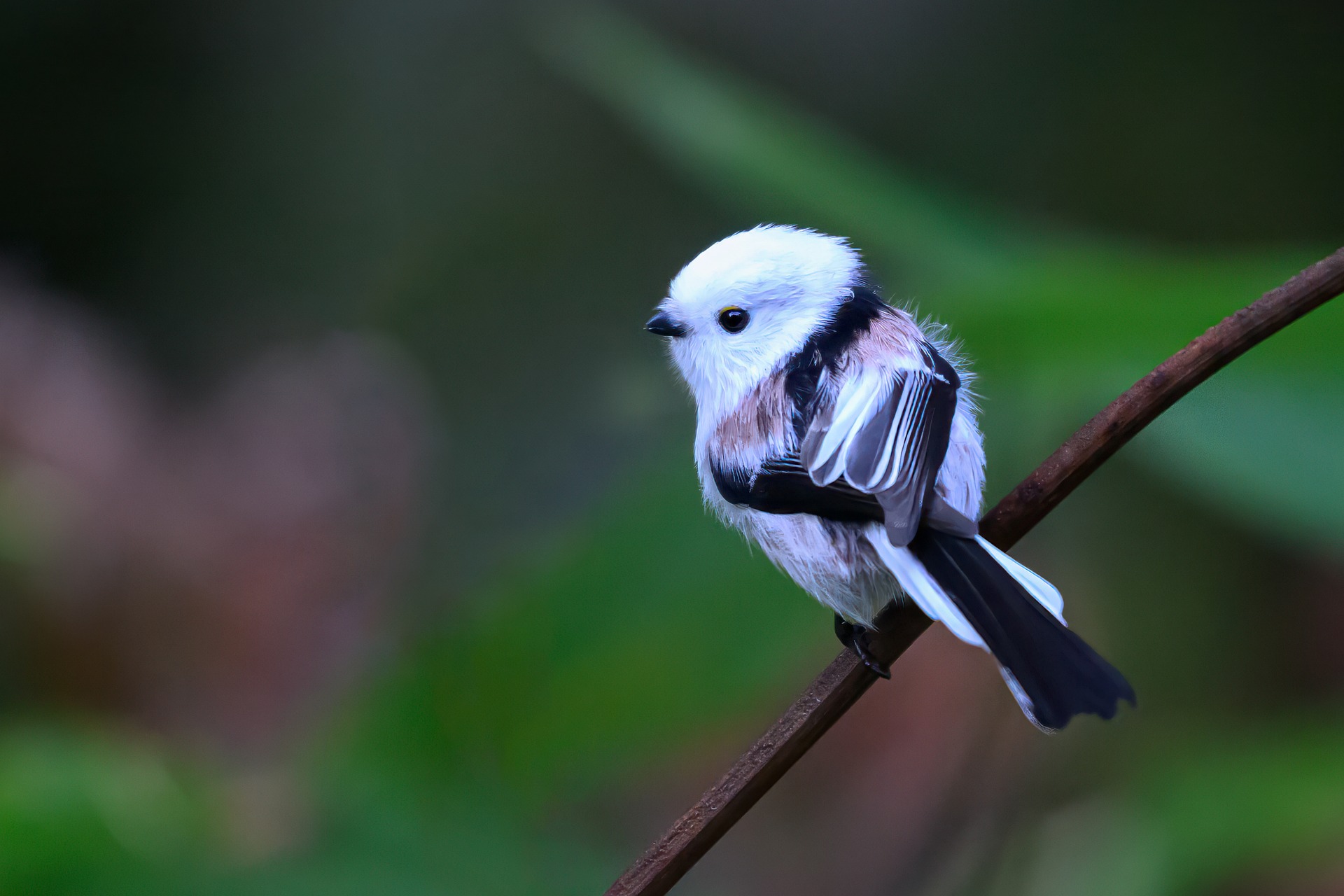
シマエナガは寒い地域に生息する鳥で日本の北海道を筆頭にヨーロッパ~シベリアにかけて広範囲に分布しています。主にこの鳥は林や森を中心に平地や山地で見ることができます。北海道では全域に分布しており、公園や緑地などでも見ることが可能です。全身が真っ白で黒が多少混ざっているところが特徴と言えるでしょう。もふもふやふわふわな羽や羽毛が見ると目立ちます。冬と夏で色が変わります。
1. 体の大きさ・外見
- 全長:約13cm(尾を含む)
- 体重:約5〜9g
- 体型:小型で丸い体、長くて細い尾(全長の約半分を占める)
- 羽色:
- 頭部は白く丸い
- 背中は黒と灰色、翼は黒と白の模様
- 腹部は白っぽい
- 目:黒く丸い、表情が可愛らしい印象
2. 行動・性格
- 活発で好奇心旺盛
- 群れで行動することが多く、冬でも数十羽単位の群れで行動
- 小枝を飛び回りながら昆虫やクモを捕食
- 鳴き声は「チィチィ」と高く可愛らしい
3. 食性
- 主に昆虫食(冬は木の実や種子も食べる)
- 木の葉や枝を丁寧に探し、昆虫を捕まえる
4. その他の特徴
- 雪の多い地域でも生息できる寒さに強い小型鳥
- 見た目の可愛らしさから「雪の妖精」と呼ばれることもある
性格はどんな感じなのか?
シマエナガはとても活発。基本的に子どものようにたくさんよく動き回るので、子供のようによく動きます。シマエナガが活発に動き回るのには理由があります。これはとても小さな体であることから、ヘビやカラス、イタチなどの敵から身を守るためでもあります。ちょっと白い姿がとても愛らしいです。
シマエナガの性格・行動特性
- 活発で好奇心旺盛
- 森林の枝や葉の間を飛び回り、昆虫や小さなものを探す
- 群れでの活動中も常に動き回り、周囲を観察
- 社交的
- 冬でも数十羽単位で群れを作る
- 群れの中でお互いに鳴き声でコミュニケーションを取り合う
- 臆病だが警戒心はほどほど
- 天敵(猛禽類や猫など)には敏感に反応
- 人間が近づくと逃げることが多いが、群れで行動するため安心感もある
- 協調性がある
- 食べ物を探すときや枝の間を移動するときに、仲間の行動をよく観察
- 冬の厳しい環境では体を寄せ合って寒さをしのぐこともある
生態はどうなっているのか?
シマエナガは雑食。主食は樹液や小さな木の実、昆虫などです。大好物はアブラムシでよく食べます。渡り鳥ではなく留鳥なので、一年を通して北海道で見ることが出来ます。繁殖期は4~6月で巣作りをします。 一夫一妻で繁殖することになります。1日に約1個の卵を産み、1~2週間かけて約10個の卵を産みます。寿命は残念ながら長くても5年程度でとても短命の鳥です。
1. 生活リズム
- 昼行性:日中活動して餌を探す
- 夜は枝や葉の間で休む
- 冬でも活動するが、寒さに耐えつつ群れで移動
2. 食性・採食
- 主な食べ物:
- 昆虫、クモなどの小型節足動物
- 冬季は木の実や種子も食べる
- 採食方法:
- 小枝や葉の間を飛び回りながら、獲物を見つける
- 採食は群れで協力的に行うこともある
3. 繁殖
- 繁殖期:4〜7月(日本の亜種の場合)
- 巣作り:
- 樹木の枝先に、苔やクモの巣糸、羽毛などでボール状の巣を作る
- 丸くて小さい巣は隠れやすい位置に置かれる
- 産卵数:5〜10個程度
- 育雛:
- 両親が交互に抱卵・給餌
- ヒナは約2週間で孵化、さらに2週間ほどで巣立ち
4. 社会性
- 冬は群れで行動することが多く、数十羽単位になることもある
- 群れでの行動により、寒さ対策や捕食者からの警戒が容易になる
- 群れ内で鳴き声や行動でコミュニケーション
5. 生息環境との関係
- 森林性:針葉樹林や混交林に依存
- 森林の中層〜上層で活動
- 樹木や枝の間を飛び回るため、開発や森林伐採で生息環境が減ると影響を受けやすい
天敵はいるのか?
シマエナガはとても小さな鳥なので残念ながら天敵はとても多いです。イタチ、カラスはもちろん、犬や猫などにも捕食されてしまいます。
シマエナガの換羽
シマエナガの換羽(かんう)とは、古い羽が抜けて新しい羽に生え替わる現象です。
シマエナガは一年を通して羽を入れ替えますが、特に重要なのが夏から秋にかけて行われる「完全換羽」です。
① 春(繁殖期)
3〜6月頃
- 巣作り・繁殖の時期
- 羽の状態は冬に整えたものを維持
- 繁殖中は大規模な換羽は行わない
この時期は、羽を新しくするよりも繁殖を優先します。
② 夏〜秋(最大の換羽)
7〜10月頃
シマエナガにとって最も大きな換羽期です。
抜け替わる主な羽:
- 体羽
- 頭部の羽
- 翼の羽
- 尾羽
など、ほぼ全身の羽が更新されます。
この時期は、
- 羽がボサボサに見える
- 顔つきが少し変わる
- 尾が短く見えることがある
- 飛び方が不安定に感じる
ことがあります。
③ 冬(雪の妖精の姿へ)
11月〜翌年2月頃
換羽を終えると、冬用の新しい羽になります。
特徴:
- 羽毛が密になる
- 体がふっくら見える
- 保温性が高まる
- 白い顔がより目立つ
北海道の厳しい寒さでは、羽毛は単なる「服」ではなく、生命維持のための断熱材です。
なぜシマエナガは冬に丸くなる?
冬のシマエナガが「雪玉」のように見える理由は、換羽後の羽だけではありません。
寒い時には、
羽毛を膨らませる → 空気の層を作る → 体温を逃がさない
という仕組みを使います。
そのため、
夏:
- 細身
- 尾が長く見える
- 活発な印象
冬:
- 丸い
- 顔が埋もれる
- ぬいぐるみのように見える
という変化があります。
鳴き声
シマエナガの鳴き声は、小さく高い「チーチー」「ジュリジュリ」「チュリリ」というような声が特徴です。
体が小さいため声量は大きくありませんが、群れで行動するため、森の中では意外とよく聞こえます。
① 仲間同士の呼び声
「チーチー」「チュリチュリ」
最もよく聞く声です。
用途:
- 群れの仲間を確認する
- 移動中に位置を知らせる
- はぐれないようにする
シマエナガは冬になると小さな群れで行動するため、木々の間から連続して聞こえることがあります。
② 警戒時の声
「ジュリジュリ」「ジリジリ」
危険を感じた時に出す声です。
例えば:
- 猛禽類(ハイタカなど)が近づいた時
- 人や動物が近づいた時
- 巣に危険が迫った時
などに、少し強めの声になります。
③ 繁殖期の鳴き声
春の繁殖期には、
- オスとメスの呼び交わし
- 巣の近くでの短い声
- 仲間への合図
など、普段より多様な鳴き方をします。
季節別の活動
シマエナガは北海道の森林に一年中暮らす留鳥です。季節によって生活スタイルが大きく変化します。
特に「繁殖期の春」と「群れで行動する冬」では、姿や行動がかなり違います。
🌸 春(3〜6月)|繁殖と子育ての季節
主な活動
- ペア形成
- 巣作り
- 産卵・子育て
春になると冬の群れを離れ、つがいで行動するようになります。
巣作り
シマエナガは非常に手の込んだ巣を作ります。
材料:
- コケ
- クモの糸
- 樹皮
- 羽毛
などを使い、袋状の丸い巣を作ります。
クモの糸を使うことで巣が伸縮し、成長するヒナを包める構造になります。
子育て
- 1回に多数の卵を産む
- オス・メス両方で育雛する
- 仲間の成鳥が子育てを手伝うこともある
シマエナガは社会性が強い鳥として知られています。
☀️ 夏(7〜8月)|子育て後と換羽の季節
主な活動
- 幼鳥の独立
- 採食
- 換羽開始
春に生まれた幼鳥は成長し、親から離れて行動するようになります。
この時期は昆虫が豊富なので、
食べるもの:
- 小型昆虫
- クモ
- 幼虫
- 木の樹皮にいる小さな生物
などを探します。
換羽
夏後半から秋にかけて全身の羽を交換します。
見た目:
- 羽が乱れる
- ふっくら感が減る
- 顔の白さが弱く見える
ことがあります。
🍂 秋(9〜11月)|冬への準備期間
主な活動
- 換羽完了
- 群れ形成
- 冬の食料探し
秋になると、シマエナガは再び群れで行動するようになります。
群れには、
- シマエナガ
- ハシブトガラ
- ヒガラ
- ゴジュウカラ
など、他の小鳥が混ざることもあります。
これは「混群」と呼ばれる行動で、互いに警戒能力を高めるメリットがあります。
❄️ 冬(12〜2月)|群れ生活と寒さとの戦い
主な活動
- 群れで移動
- 食料探索
- 体温維持
冬のシマエナガは最も有名な姿になります。
特徴:
- 真っ白な顔
- 丸く膨らんだ体
- 長い尾
食べ物
冬は昆虫が少ないため、
- 木の芽
- 樹皮の隙間の卵や幼虫
- 小さなクモ類
などを探します。
寒さ対策
北海道では氷点下になるため、
- 羽毛を膨らませる
- 群れで休む
- 体を寄せ合う
などで体温を守ります。
飛行速度
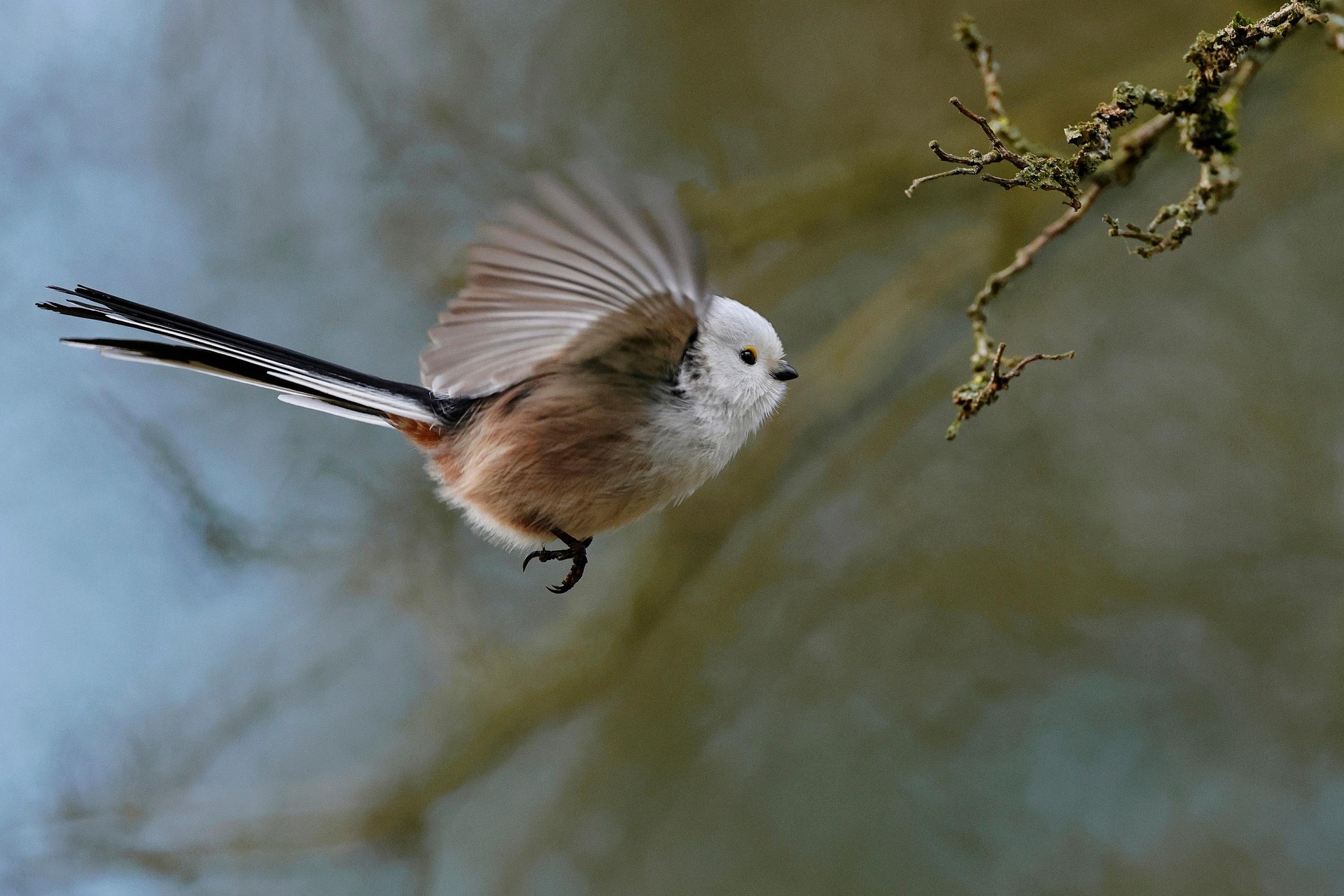
シマエナガの正確な最高飛行速度は科学的に詳しく測定されたデータが少ないですが、体の大きさや飛び方から推定すると、通常飛行では時速20〜30km前後と考えられています。
① 直線飛行より「波状飛行」
シマエナガは、ツバメのように高速で一直線に飛ぶ鳥ではありません。
特徴:
- 羽ばたく
- 少し滑空する
- また羽ばたく
という波打つような飛び方をします。
これは小型の森林性の鳥によく見られる飛び方です。
② 短距離移動が得意
シマエナガは長距離を飛び続けるより、
- 木から木へ移動
- 枝先から枝先へ飛ぶ
- 群れで森を移動する
ことに適した体をしています。
一度の飛行距離は数m〜数十m程度が多く、素早く方向転換できます。
飛行能力の特徴
| 項目 | 特徴 |
|---|---|
| 推定速度 | 約20〜30km/h程度 |
| 飛行距離 | 短距離中心 |
| 飛び方 | 波状飛行 |
| 得意分野 | 細い枝間の移動・急旋回 |
| 翼 | 小型で機動性重視 |
なぜ速く飛ぶ必要がないのか?
シマエナガの生活場所は主に森林です。
森林では、
- 木の間をすり抜ける能力
- 急な方向転換
- 枝に素早く止まる能力
の方が、単純な最高速度より重要です。
そのためシマエナガは、
「速く遠くへ飛ぶ鳥」ではなく、「森の中を自在に動く鳥」
として進化しています。
シマエナガのヒナについて
シマエナガ(Aegithalos caudatus japonicus)のヒナについて整理すると、孵化から巣立ちまでの成長段階や行動、親との関係がわかります。
1. 孵化・巣
- 巣作り:樹木の枝先に丸くて小さな巣を作る
- 産卵数:5〜10個
- 卵の大きさ:約1.5cm前後
- 孵化期間:約14日
2. ヒナの特徴
- 体重:孵化時は約1〜2g
- 羽毛:初めは産毛で柔らかく、白っぽい
- 目:孵化直後は閉じているが、数日で開く
- 行動:
- 最初は巣の中でじっとして過ごす
- 親鳥が交互に抱卵や給餌を行う
3. 成長段階
| 月齢/週齢 | 発育・行動 |
|---|---|
| 0〜2週 | 産毛で巣内でじっと過ごす。親鳥が餌を与える |
| 2〜3週 | 羽毛が整い始める。兄弟とじゃれ合いながら筋力を養う |
| 3〜4週 | 羽ばたきや枝の間を移動する練習開始 |
| 4〜5週 | 飛行能力が向上。巣立ちに向けて親鳥と一緒に練習 |
| 5週頃 | 巣立ち。独立行動を始めるが、親の近くで補助を受けることもある |
4. 生存上の注意点
- 天敵(猛禽類や小型哺乳類など)による被害がある
- 天候や餌の確保が不十分だと生存率が低下
シマエナガは絶滅危惧種なのか?
シマエナガは低懸念に分類されており、全国で現在のところ絶滅の可能性はありません。そのため安定はしているのですが、徐々に推定個体数は減っていると言われています。原因は人間による土地開発です。
1. 日本国内での保護状況
- 日本の法律(天然記念物や鳥獣保護法)では特別な保護対象には指定されていません
- 森林の開発や伐採で局所的に減少することはあるが、全国的には安定して生息
2. IUCNレッドリストでの評価
- **IUCN(国際自然保護連合)**では、シマエナガを含むエナガ属(Aegithalos caudatus)は
- **Least Concern(軽度懸念)**に分類されている
- 生息数は安定しており、絶滅の危険は低いと評価されている
3. 生息環境の影響
- 森林伐採や都市化によって局所的に減少することはある
- しかし、広範囲にわたる森林環境が残っているため、種全体としては安定している
シマエナガとほかのエナガの違い
シマエナガとほかのエナガの違いは何か?見分けるポイント、それは顔のシマの模様です。シマエナガの顔の見た目はまっ白。しかしながらエナガの他の種族は大きなまゆげのような形の黒い部分がありますからここで見つけて判別が可能です。
シマエナガを飼うことはできる?
生息数は安定しているシマエナガは野鳥にあたります。野鳥の飼育は「鳥獣保護管理法」という法律で厳しく制限されています。野鳥を許可なく保護することも違法となり罰則、処罰の対象となりますので動物園でガイドのもとでオリジナルを鑑賞するしかありません。観察して会える時期に撮影がおすすめです。またメディアのニュースやサービスでもよく特集が組まれます。
1. 法律面
- 日本では鳥獣保護法により、野生のシマエナガを捕獲して飼育することは禁止されています。
- 野生個体を捕まえて持ち帰ったり、輸入したりすることも違法です。
- 飼育や研究目的の場合でも、都道府県や環境省の特別許可が必要です。
2. 飼育の難しさ
- 飛翔スペースが必要:森の中で枝を飛び回る習性があり、狭いケージではストレスが大きい
- 食性の問題:
- 昆虫やクモなどの小動物を主に食べる
- 冬は種子や木の実も食べるため、自然に近い餌環境が必要
- 社会性の高さ:
- 群れで生活する鳥のため、単独で飼育すると孤独ストレスが大きい
3. 飼育可能なケース
- 動物園や鳥類展示施設など、法律に基づいた許可を持つ専門施設のみ
- 施設では、群れでの生活環境や自然に近い餌、飛翔用スペースを確保して飼育している
飼育されている動物園(日本・世界)
結論から言うと、現在、シマエナガを常設展示している動物園は非常に少なく、一般公開された飼育例はほぼありません。
シマエナガは北海道の森林に生息する野鳥で、飛翔能力が高く、群れで広い範囲を移動するため、動物園での長期飼育・展示が難しい種類です。
海外での飼育
シマエナガ(Aegithalos caudatus japonicus)は北海道固有の亜種として知られていますが、海外の動物園で公開飼育されている例は確認が非常に困難です。
他の動物を紹介
コメント