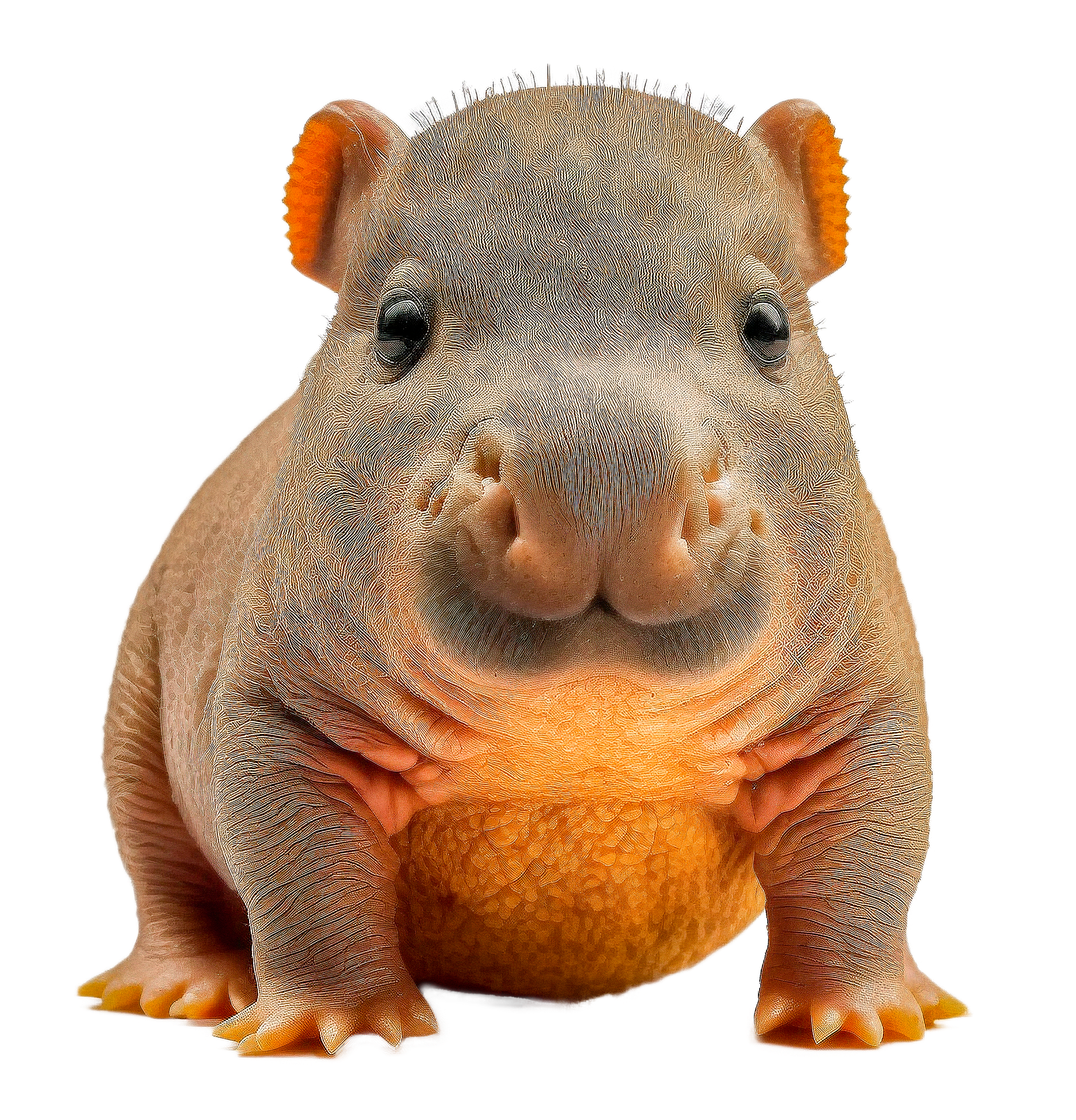
コビトカバはどんな動物?特徴、生態、生息地について解説します。名前の通りとても小さいカバになり、コガタカバ、ミニカバとも呼ばれている可愛らしい動物になります。しかし残念ながら、絶滅危惧種に指定されている動物になります。


コビトカバとは? 基本ステータスについて
コビトカバはカバ科コビトカバ属に分類される鯨偶蹄類。コガタカバ、ミニカバとも呼ばれます。英語はPygmy hippopotamus、学名はChoeropsis liberiensis、漢字は小人河馬。体長は150-175cm、体重は180-275kg、肩高75-100cm。情報の一覧は以下の通り。
| Japanese(和名) | コビトカバ |
| English(英名) | Pygmy hippopotamus |
| scientific name(学名) | Choeropsis liberiensis |
| classification(分類) | Mammalia、Artiodactylca、 Hippopotamidae、Choeropsis 哺乳綱、偶蹄目、カバ科、コビトカバ属 |
| IUCN Status(保全状況) | ENDANGERED |
| Length(体長) | 150-175cm |
| Weight(体重) | 180-275kg |
コビトカバの分類学
- 界 (Kingdom): 動物界 (Animalia)
- 門 (Phylum): 脊索動物門 (Chordata)
- 綱 (Class): 哺乳綱 (Mammalia)
- 目 (Order): 偶蹄目 (Artiodactyla)
- 科 (Family): カバ科 (Hippopotamidae)
- 属 (Genus): Choeropsis または一部では Hexaprotodon
- 種 (Species): Choeropsis liberiensis
コビトカバのルーツ、起源は?
コビトカバ(Choeropsis liberiensis)は、現在では西アフリカの森林・湿地に生息する小型のカバです。主な分布域はリベリアを中心に、シエラレオネ、ギニア、コートジボワールに及びます。
🌍 そもそもカバの祖先は?
カバの仲間(カバ科)は、実はかなり古いアフリカの動物です。
化石記録からは、カバ科の最初期の仲間が**約2,100万年前(中新世初期)**まで遡るとされています。
そして意外なのが、
カバ 🦛 ←→ クジラ・イルカ 🐋🐬
という非常に近い親戚関係です。
現在の系統学では、カバ科とクジラ類は姉妹群とされています。つまり、カバはブタに近い動物というより、進化系統上はクジラ・イルカに最も近い現生の陸上哺乳類です。
🦛 コビトカバはいつ分かれた?
ここはまだ研究途上です。
かつては、コビトカバと普通のカバが約1,000万年以上前に分岐したという説もありました。
しかし、2023年の核DNAを使った研究では、
- 約404万年前という推定
- 別の解析では約240万年前
という、より新しい分岐時期が推定されています。研究者自身も、化石研究と遺伝学研究を組み合わせたさらなる検証が必要としています。
🌳 なぜ小さくなった?
普通のカバが大型化して水辺中心の生活をする一方、コビトカバは西アフリカの密林の中で暮らす方向に進化しました。
その結果、
大型・水辺中心のカバ
↓
森林環境に適応した小型の系統
↓
🦛 現在のコビトカバ
という異なる進化を遂げたと考えられます。
コビトカバは普通のカバよりずっと小さく、体重はおよそ160〜270kg。また、普通のカバほど水中生活に依存せず、森林を歩き回る生活に適応しています。
生息地について
コビトカバはギニア、コートジボワール、シエラレオネなどの西アフリカに住んでいます。
1. 自然分布
- 地域:西アフリカ
- リベリア
- シエラレオネ
- ギニア
- コートジボワール
- 標高:低地の熱帯雨林や湿地帯に生息
2. 生息環境の特徴
- 森林内の湿地や川沿いを好む
- 河川や湖に完全依存せず、密林内の湿った場所で生活
- 水との関係:
- 小型でカバより陸上生活に適応
- 水浴びや体温調節のために小川や水たまりを利用
- 夜行性で日中は茂みや倒木の陰で休むことが多い
3. 人間活動の影響
- 森林伐採や農地開発で生息地が減少
- 密猟も生息数減少の一因
特徴は?どんな感じの生物なのか?
コビトカバは基本的に夜行性で、夕方から深夜にかけて活動します。頭部は小型で丸みを帯び、眼は突出せず前肢の2本の指の間には水掻きがあります。泳ぎもうまく、長い時間を水の中で過ごすこともでき、陸上も好みます。カバと同じで体が被毛に覆われていないため水浴びや泥浴びで乾燥から守ります。コビトカバは森の中で生活が好きです。
1. 外見・身体的特徴
- 体長:約1.5〜1.75 m
- 肩高:約75〜100 cm
- 体重:オス・メス共に約180〜275 kg
- 体色:濃い茶色〜黒褐色
- 皮膚:厚く滑らかで、湿った環境で乾燥を防ぐ
- 頭部:丸く小さめ、目と耳は頭の上部に位置
- 鼻:短く、カバよりも小さい
- 四肢:がっしりしており、森林での移動や水中歩行に適応
2. 生態的特徴
- 森林性・夜行性:日中は茂みや倒木の陰で休み、夜間に活動
- 食性:草食性
- 葉、果実、草、根などを食べる
- 運動能力:カバより小型で、森林内を俊敏に移動できる
- 水との関係:水浴びや体温調節のため小川や水たまりを利用
3. 行動・性格
- おとなしい性格だが臆病
- 単独またはつがいで生活することが多く、群れは形成しない
- 人間や捕食者を察知すると素早く茂みに隠れる
4. 特徴的な印象
- 「森林性・小型のカバで、濃い茶色の滑らかな皮膚を持ち、夜行性でひっそりと生きる動物」というイメージ
- カバよりも陸上生活に適応し、森林内を器用に歩く

性格はどんな感じなのか?
コビトカバはペアもしくはその幼獣からなる家族群で生活することもありますが単独で生活をすることもあります。
1. 基本的な性格
- 臆病で警戒心が強い
- 捕食者や人間を察知すると素早く茂みや水辺に隠れる
- おとなしい性格
- 攻撃的ではなく、争いを避ける傾向
- 単独行動やつがいでの生活が中心
- 群れを形成せず、縄張り意識を持つことが多い
2. 社会性
- 単独またはつがい中心
- オスは自分の縄張りを守る
- メスは子どもを育てながら縄張り内で活動
- コミュニケーションは控えめ
- 鼻や体の動き、低い声で仲間や子どもと意思疎通
3. 行動の特徴
- 夜行性で活動するため、日中は茂みで静かに休む
- 好奇心はあるが警戒心が勝る
- 新しい物や環境には慎重に近づく
- 水浴びや泥浴びをして体温調節や皮膚保護を行う
生態はどうなっているのか?
コビトカバは食性は植物食で、草、地下茎、木の葉、果実などを食べて生活をしています。繁殖形態は胎生。繁殖は一夫一婦で妊娠期間は180-210日あります。1回に1頭の幼獣を産むことができ寿命は10年から20年となります。
1. 行動パターン
- 夜行性:主に夜間に活動し、日中は茂みや倒木の陰で休む
- 森林性・地上生活が中心
- 河川や水場には依存せず、森林内の湿地や小川で活動
- 単独またはつがいで生活
- 群れを作らず、縄張りを持って行動
2. 食性
- 草食性(Herbivorous)
- 主な食物:
- 葉、芽、草、果実
- 小枝や根も補助的に摂取
- 食物を探して森林内を移動
- 水浴びや泥浴びを行い、皮膚を保護・体温調節
3. 繁殖
- 発情期・繁殖:特定の季節に依存せず年中繁殖可能
- 妊娠期間:約6〜7か月
- 出産数:通常1頭
- 子育て:
- 母親が中心で授乳・保護
- 幼獣は母親の行動を観察し、食物の採取や移動技術を学ぶ
- 性成熟:
- メス:3〜4歳
- オス:4〜5歳
4. 社会構造
- 単独またはつがいで生活
- オスは縄張りを守り、メスと子どもを中心に生活
- 他個体との接触は限定的で、衝突を避ける
5. 適応・生存戦略
- 森林内での俊敏な移動能力
- 夜行性により捕食者(大型ネコ科動物、イヌ科動物)を避ける
- 水や湿地に依存せず、森林内で生活できる陸上適応型カバ
天敵はいるのか?
コビトカバの天敵はヒョウと人間です。

コビトカバの幼獣について
コビトカバ(Choeropsis liberiensis)の幼獣について、誕生から成長までをわかりやすくまとめます。
1. 誕生時の特徴
- 妊娠期間:約6〜7か月
- 出産数:通常1頭(双子は非常にまれ)
- 出生時体重:約4〜6kg
- 体長:約40〜50cm
- 見た目:
- 大人より丸みが強く、ずんぐりした体型
- 皮膚は滑らかで、色はやや明るい茶褐色
- 目が大きく、全体的に「ぬいぐるみのよう」な印象
2. 生後すぐの行動
- 生まれて数時間以内に立って歩くことができる
- 母親のそばを離れず、密林の中で静かに過ごす
- 危険を感じると、母親の後ろや茂みにすぐ隠れる
3. 授乳と食事の変化
- 授乳期間:約6〜8か月
- 母乳が主な栄養源
- 生後数か月から:
- 葉や果実をかじり始める
- 食べ物の選び方は母親の行動を見て学習
4. 成長と学習
- 幼獣は母親について歩きながら:
- 森林内の移動ルート
- 水場の場所
- 危険な場所・安全な隠れ家
を覚えていく
- 遊びは少なめだが、歩き回ることで脚力と体力を発達させる
5. 社会性と独立
- 基本的に母子生活
- 群れを作らないため、他個体との接触は少ない
- 独立時期:およそ2〜3歳
- それまでは母親の縄張り内で生活
6. 幼獣の性格
- 非常に臆病で静か
- 好奇心はあるが、すぐ母親の近くに戻る
- 危険回避能力は早い段階で身につく
コビトカバは絶滅危惧種なのか?
コビトカバは絶滅危惧種に指定されている動物です。ワシントン条約附属書Iに掲載されていますので国際取引が厳しく制限されています。コビトカバは生息数が少なく世界的にも珍しい動物で、ジャイアントパンダ、オカピと共に三大珍獣の一つとされています。それがゆえに開発による生息地の破壊、水質汚染、乱獲が進んでいる状況は危機的と言えます。ナイジェリアではすでに絶滅。
現状と背景
- 国際自然保護連合(IUCN)は、コビトカバを絶滅危惧(Endangered, EN)として評価しています(リスト上で高い危機度)。
- 推定される野生個体数は非常に少なく、西アフリカ(主にリベリアやシエラレオネ、ギニア、コートジボワールなど)に限られています。
- 生息地の森林破壊や狩猟(食用など)の影響で個体数が減少し続けていると考えられています。
主な脅威
- 森林伐採・土地開発
- 野生捕獲・狩猟
- 生息地分断による遺伝的多様性の低下
これらが野生のコビトカバに重大な影響を与えています。
コビトカバはペットとして飼育可能?
コビトカバは以上のように絶滅危惧種に指定されているうえにワシントン条約にも掲載されているため国際取引が厳しく制限されています。そのため、飼育することは極めて難しいです。
① 法律的に可能か?
❌ ほぼ不可能
- コビトカバはIUCN絶滅危惧種(EN)
- ワシントン条約(CITES)附属書Ⅰに掲載
→ 商業目的の国際取引は禁止 - 日本では:
- 輸入に極めて厳しい許可
- 動物園・研究機関レベルでのみ例外的に認可
個人がペット目的で輸入・購入することは認められていません
② 飼育の現実性
❌ 一般家庭では不可能
コビトカバは小型とはいえ…
- 体重:200kg前後
- 強い顎と牙を持つ大型草食獣
- 夜行性で活動量が多い
- 専用の:
- 広大な敷地
- 水場(常時清潔な水)
- 高湿度環境
- 獣医管理
が必要
➡️ これらは動物園レベルの設備が必要
③ 性格面の問題
- 基本的におとなしいが
驚くと非常に危険 - 臆病ゆえに:
- ストレスで攻撃的になる
- 突進や噛みつきの危険あり
- 完全な家畜化動物ではない
④ 動物福祉・倫理の観点
- 野生個体数が少ない
- 繁殖も難しい
- ペット目的の飼育は保全上も強く否定される
現在の飼育は:
- 動物園
- 保護施設
- 繁殖プログラム
に限定されています
飼育されている動物園(日本・世界)
日本では7園館で飼育されています。上野動物園の公式発表でも、2026年4月時点で国内7園館・16頭とされています。
🇯🇵 日本
| 施設 | 所在地 | 飼育状況 |
|---|---|---|
| 恩賜上野動物園 | 東京 | 4頭 |
| 東山動植物園 | 愛知 | 2頭 |
| いしかわ動物園 | 石川 | 3頭 |
| ニフレル | 大阪 | 2頭 |
| 神戸どうぶつ王国 | 兵庫 | 3頭 |
| アドベンチャーワールド | 和歌山 | 1頭 |
| 沖縄こどもの国 | 沖縄 | 1頭 |
※個体の移動・繁殖によって頭数は変動します。2026年には上野動物園から「モトモト」がニフレルへ戻るなど、繁殖目的の移動も行われています。
特に上野動物園では2025年に2頭の子どもが誕生し、2026年6月から赤ちゃんの一般公開が始まっています。
🌍 世界
海外でもコビトカバは飼育されていますが、日本以上に繁殖計画による個体移動が多い動物です。
代表的な飼育施設として、
- 🇺🇸 サンディエゴ動物園
- 🇺🇸 シンシナティ動物園
- 🇺🇸 セントルイス動物園
- 🇺🇸 ブロンクス動物園
- 🇬🇧 ロンドン動物園
- 🇧🇪 アントワープ動物園
- 🇩🇪 ベルリン動物園
- 🇩🇪 ライプツィヒ動物園
- 🇨🇭 バーゼル動物園
- 🇫🇷 ボーヴァル動物園
など、欧米の動物園で飼育・繁殖されています。
他の記事もおすすめ

コメント