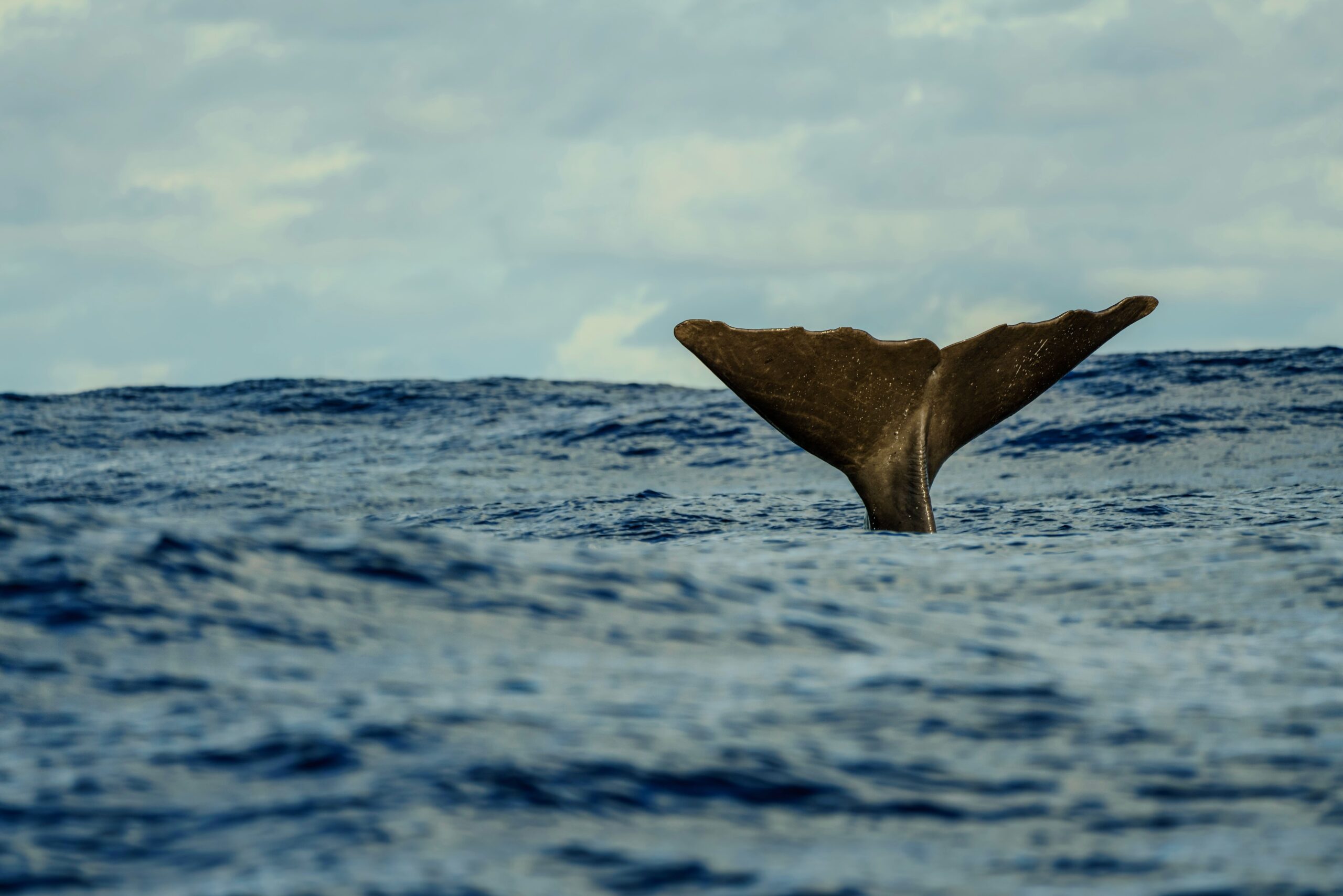
マッコウクジラはどんなクジラ? 特徴、生態、生息地について解説します。このクジラは北極から南極まで世界中に分布しており、どこの海域でも見ることができるクジラの仲間になるのですが、そうでもあるにもかかわらず、絶滅危惧種に指定されています。


マッコウクジラとは? 基本ステータスについて
マッコウクジラはマッコウクジラ科マッコウクジラ属に分類されるクジラ。学名はPhyseter macrocephalus。大きさは16 – 18mにもなり、重さは50tにも及びます。基本の情報の一覧は以下の通りです。海では巨大なクジラのなかまで歯も鋭く、潜水に特化しています。謎も多く研究がまだまだ必要です。
| Japanese(和名) | マッコウクジラ |
| English(英名) | Sperm whale |
| scientific name(学名) | Physeter macrocephalus |
| classification(分類) | Mammalia、Artiodactyla/Cetartiodactyla、 Physeteroidea、Physeter 哺乳綱、偶蹄目、マッコウクジラ科、マッコウクジラ属 |
| IUCN Status(保全状況) | VULNERABLE |
| Length(体長) | 16-18m |
| Weight(体重) | 20-50t |
マッコウクジラのルーツ、起源は?
マッコウクジラ(学名:Physeter macrocephalus)は、現在生きているハクジラ類の中でも非常に古い進化系統を持つクジラです。祖先をたどると、約5000万年前に陸上で暮らしていた哺乳類から進化したクジラ類に行き着きます。
1. 祖先は「陸を歩く哺乳類」だった
クジラの祖先は、現在のカバに近い系統の偶蹄類(鯨偶蹄類)に属する陸上哺乳類でした。
進化の流れはおおよそ:
陸上哺乳類
↓ 約5000万年前
パキケトゥス(Pakicetus)
↓
アンブロケトゥス(Ambulocetus)
↓
ロドケトゥス(Rodhocetus)
↓
原始的な海生クジラ
↓
ハクジラ類(約3500万年前以降)
↓
マッコウクジラ系統
という流れです。
初期のクジラは、犬やオオカミほどの大きさで、陸上を歩きながら浅瀬で魚を捕る生活をしていました。
2. マッコウクジラの直接の祖先
マッコウクジラの仲間(マッコウクジラ上科:Physeteroidea)が現れるのは、約2500万年前の漸新世後期(オリゴセン)です。
最古級の化石として知られるものに:
Ferecetotherium
があります。
特徴:
- 現代のマッコウクジラに似た頭骨構造
- 左右非対称の鼻孔配置
- 大きな頭部への進化途中
など、すでにマッコウクジラらしい特徴を持っていました。
3. 巨大な頭はどう進化したのか?
マッコウクジラ最大の特徴は、
- 全長15〜18m
- 頭部が体長の約3分の1
- 巨大な「脳油器官(ジャンク)」を持つ
ことです。
祖先のマッコウクジラ類は、最初から巨大な頭だったわけではありません。
進化の過程:
小型のハクジラ
↓
頭部が大型化
↓
深海で大型獲物を捕食
↓
現在のマッコウクジラへ
という変化をしました。
4. なぜ深海ハンターになったのか?
マッコウクジラは、クジラ類でも特殊な進化をしました。
主な獲物:
- ダイオウイカ
- 大型イカ類
- 深海魚
そのため、
進化した能力:
✅ 最大3000m級まで潜水
✅ 超音波(クリック音)によるエコーロケーション
✅ 巨大な頭部による音響システム
✅ 酸素を大量に貯蔵する筋肉
を獲得しました。
分類について
マッコウクジラはクジラの仲間になります。本種のみでマッコウクジラ属を構成します。
生物分類(タクソノミー)
| 階級 | 分類 |
|---|---|
| 界 | 動物界(Animalia) |
| 門 | 脊索動物門(Chordata) |
| 亜門 | 脊椎動物亜門(Vertebrata) |
| 綱 | 哺乳綱(Mammalia) |
| 目 | クジラ目(Cetacea) |
| 亜目 | ハクジラ亜目(Odontoceti) |
| 上科 | マッコウクジラ上科(Physeteroidea) |
| 科 | マッコウクジラ科(Physeteridae) |
| 属 | マッコウクジラ属(Physeter) |
| 種 | マッコウクジラ(P. macrocephalus) |
生息地について
マッコウクジラは北極から南極まで世界中の海洋に分布しています。
① 世界的な分布
- ほぼ全世界の海に分布
- 太平洋
- 大西洋
- インド洋
- 赤道付近〜寒帯近くまで幅広く生息
クジラの中でも分布域が非常に広い種類です。
② よく見られる海域の特徴
マッコウクジラは、次のような場所を好みます。
- 水深1,000m以上の深海
- 大陸棚の外側(大陸斜面)
- 海底が急に深くなる海域
- 深海性のイカが多い場所
餌(ダイオウイカなど)がいる海が重要。
③ 緯度による違い(オスとメス)
生息地には性別による違いがあります。
メス・子ども
- 温暖〜熱帯海域に定住
- 群れで生活(家族単位)
成熟したオス
- 単独または小グループで
高緯度(寒い海)まで回遊 - 南極海・北太平洋の冷水域にも出現
オスの方が行動範囲が広い。
④ 日本周辺での生息
日本近海でも見られます。
- 太平洋側(特に深海が近い海域)
- 小笠原諸島周辺
- 房総沖
- 三陸沖
- 日本海側でもまれに確認
日本は重要な回遊ルートの一部。
⑤ 水面と深海の使い分け
- 普段は水面で休息・呼吸
- 採餌時は
水深1,000〜2,000mまで潜水 - 潜水時間:30分〜1時間以上
生息地は「海面」ではなく
海の縦方向(深さ)」が重要。
特徴は?どんな感じの生物なのか?
マッコウクジラは基本的には深海性。噴気孔(呼吸孔、鼻孔)の位置は頭部正面に集中。尾は三角形で非常に厚い。現生のハクジラ類の中で最も大きく、ナガスクジラ科とセミクジラ科に次ぐ大きさを持ちます。著しく肥大化した頭部が最も大きな特徴で、全ての動物の中でも最大・最重量の脳を持っています。そのため知力もとても高いクジラと言えるでしょう。生涯の3分の2を深海で過ごすことが可能で、2,000M以上潜れます。
① 圧倒的な見た目の特徴
- 体長:
オス約15〜18m、メス約10〜12m - 体重:
オスで50トン以上 - 頭が異常に大きい
→ 体の約3分の1が頭 - 四角く切り立ったような頭部
- 噴気孔が左前方に1つ(かなり特殊)
初めて見ると「クジラっぽくない」印象。
② 巨大な頭の中身(最大の特徴)
頭の中には
**スぺルマセチ器官(マッコウ油)**があります。
役割は:
- 強力なエコーロケーション(音波探査)
- 深海での獲物探知
- 音の増幅・方向制御
マッコウクジラは
地球上で最も強力な音を出す動物。
③ 深海ダイバー
- 潜水深度:1,000〜2,000m以上
- 潜水時間:30分〜1時間超
- 主な獲物:
- ダイオウイカ
- 深海性の大型イカ・魚
人間の潜水艦レベルの能力。
④ 食性・狩りのスタイル
- 完全な肉食
- 鋭い歯を下あごにのみ持つ
- 音波で獲物を探し、丸飲みに近い形で捕食
噛み砕くより「捕まえて飲む」。
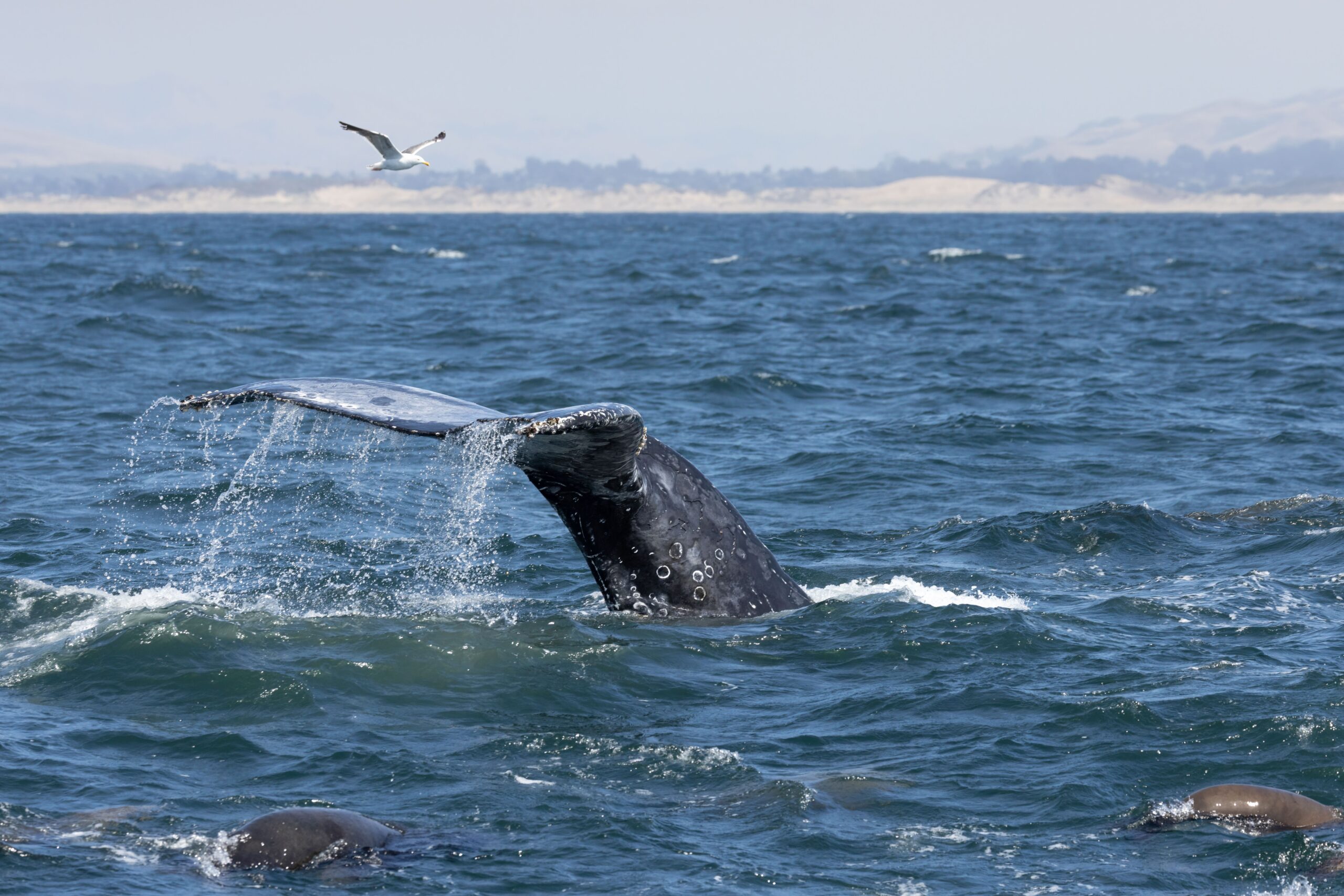
性格はどんな感じ?
マッコウクジラは単独行動、もしくは群れを形成する習性があります。大型の熟したマッコウクジラの体表には多くの傷があります。これは繁殖期で雌をめぐって雄同士争う後によくついてしまいます。
① 基本は穏やか・マイペース
- 普段はゆっくり泳ぎ、騒がない
- 人や船に対しても攻撃的になりにくい
- 無駄な争いをしない
海の中の静かな巨人タイプ。
② 知能が高く、仲間思い
- 仲間同士で音(クリック音)による会話
- メスと子どもは強い絆でつながる
- ケガをした仲間や子どもを守る行動が報告されている
家族愛がとても強い。
③ 危険時は冷静に対応
- 脅威を感じると
- 群れで**円陣(ロゼット)**を組む
- 子どもを中央に守る
- むやみに逃げ回らない
パニックにならないタイプ。
④ オスは単独行動が多い
- 成熟オスは一匹狼気質
- ただし繁殖期には群れに戻る
- 攻撃的というより孤高
⑤ 人間への態度
- 基本的に人を襲うことはほぼない
- 好奇心から船に近づくことはある
- 過去の捕鯨時代でも
無差別に人を襲う動物ではなかった
生態はどんな感じ?
マッコウクジラは食性はダイオウイカなどイカ類や魚になります。メスの妊娠期間は少なくとも12か月。子育ては数年続きます。マッコウクジラは70年-80年程度生きることが可能です。
① 深海で狩る生活
- 主な生活の舞台は水深1,000〜2,000mの深海
- 獲物は
- ダイオウイカ
- 大型の深海性イカ
- 深海魚
- **エコーロケーション(反響定位)**で獲物を探す
👉 目よりも「音」に頼る狩人。
② 潜水能力が桁違い
- 潜水時間:30分〜1時間以上
- 潜水深度:2,000m超の記録も
- 潜る → 狩る → 浮上して休む、を繰り返す
👉 哺乳類の中でも最強クラスの潜水能力。
③ 群れ構造(性別で違う)
メスと子ども
- 10〜20頭ほどの家族群
- 協力して子育て(保育行動)
- 一生を温暖な海域で過ごすことが多い
成熟オス
- 基本は単独行動
- 高緯度(寒い海)まで長距離回遊
- 繁殖期にだけ群れに合流
👉 社会構造がはっきり分かれる。
④ 1日のリズム
- 水面で呼吸・休憩
- 深海へ潜水して採餌
- 水面で再び休息
このサイクルを1日に何度も繰り返す。
⑤ 繁殖・子育て
- 妊娠期間:約 15〜16か月
- 出産:1頭
- 授乳期間:数年
- 子どもは長期間、母親や群れに守られる
👉 成長はとてもゆっくり。
⑥ 寿命・成長
- 寿命:60〜70年(それ以上とも)
- 成熟までに10年以上
- 長寿で、世代交代が遅い
👉 個体数が回復しにくい生態。
天敵はいるのか?
天敵はシャチやサメになります。それ以外は人間が挙げられます。
潜水について
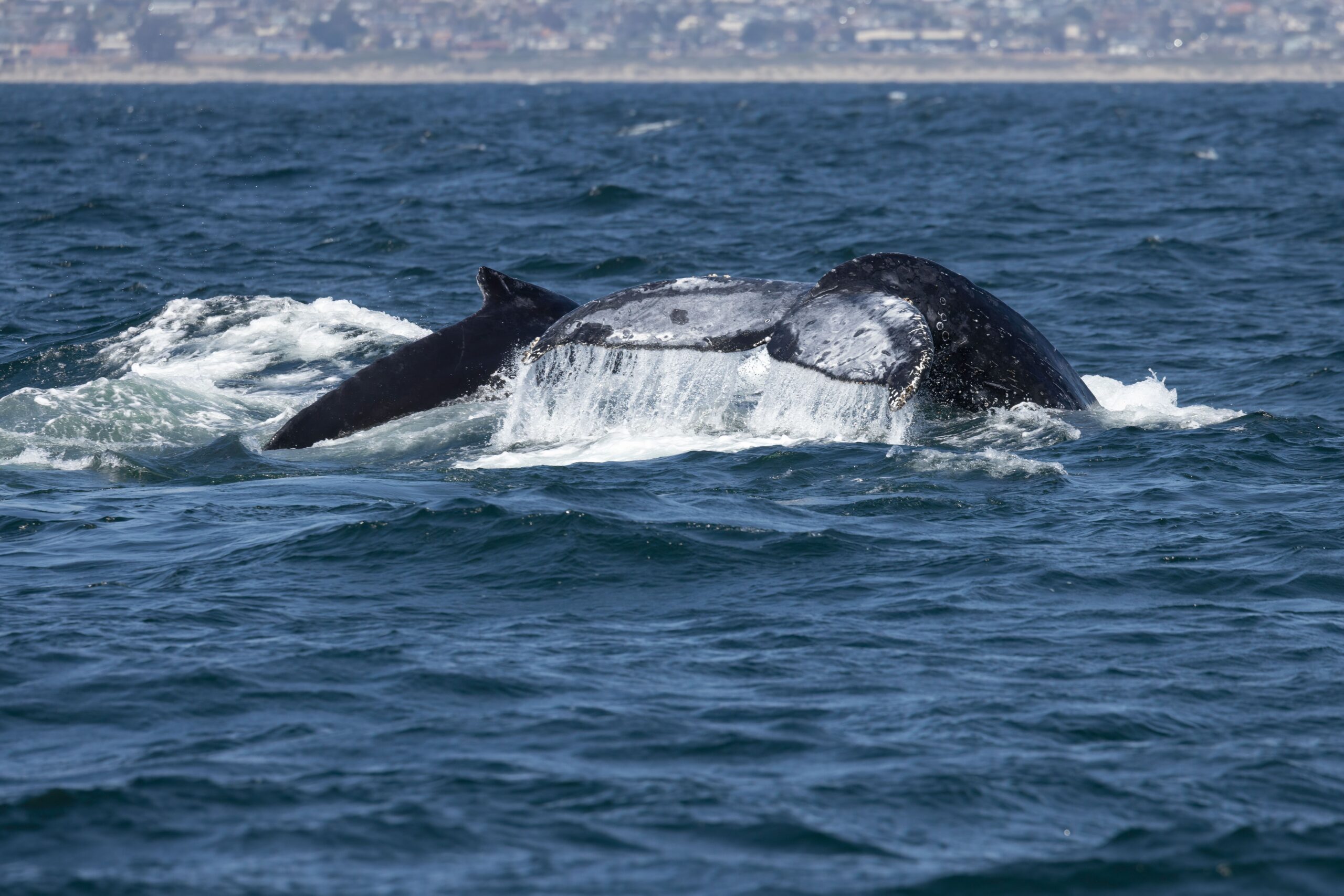
マッコウクジラは、地球上でもっとも優れた深海潜水能力を持つ哺乳類の一つです。主な獲物であるダイオウイカなどを追うため、数千メートルの深海まで潜ることができます。
1. 潜水深度
平均的な潜水
- 400〜1,000m程度
深い潜水
- 1,500〜2,000m級
記録級
- 約2,250m以上
まで潜った記録があります。
これは、体長数mの潜水哺乳類としては驚異的な能力です。
2. 潜水時間
マッコウクジラは非常に長時間、息を止められます。
| 種類 | 潜水時間 |
|---|---|
| 通常の採餌潜水 | 30〜45分 |
| 深海狩り | 45〜60分 |
| 最大級 | 90分以上 |
人間のフリーダイバー記録が数分〜十数分程度であることを考えると、桁違いです。
3. なぜ長く潜れるのか?
① 大量の酸素を筋肉に蓄える
マッコウクジラの筋肉には、
ミオグロビン
という酸素を貯めるタンパク質が大量にあります。
その量は陸上哺乳類よりはるかに多く、
- 筋肉が黒っぽく見えるほど高濃度
- 潜水中でも筋肉へ酸素供給可能
という特徴があります。
② 心拍数を下げる
潜水すると、
潜水反射(ダイビングリフレックス)
が働きます。
変化:
通常時
↓
心拍数低下
↓
血液を脳・心臓へ優先配分
↓
酸素消費を節約
になります。
③ 肺を潰して窒素中毒を防ぐ
深海では水圧が非常に高くなります。
1000mでは約100気圧。
しかしマッコウクジラは、
- 肋骨が柔軟
- 肺が圧力に合わせて縮む
- 肺胞を閉じる
ことで耐えます。
これにより、人間のダイバーのような減圧症(潜水病)のリスクを避けています。
鳴き声について
マッコウクジラは、地球上でもっとも大きな音を出す動物の一つです。
ただし、一般的な「クジラの歌」のような低い声で鳴くというより、高速なクリック音(カチカチ音)を使って会話や狩りを行う動物です。
1. 主な鳴き声は「クリック音」
マッコウクジラの代表的な音:
● クリック音(Click)
音の特徴:
- 「カチッ、カチッ」という連続音
- 非常に短いパルス音
- 水中で遠くまで届く
用途:
✅ エコーロケーション(獲物探知)
✅ 仲間とのコミュニケーション
✅ 周囲の状況確認
に使われます。
2. 世界最大級の音量
マッコウクジラのクリック音は非常に強力です。
- 音圧:約230デシベル以上に達するとされる
- 人間のジェットエンジンより大きいレベル
特に頭部にある巨大な器官:
脳油器官(ジャンク)
が音を発生・集中させる役割を持っています。
3. 深海狩りで使う「探知音」
深海は完全な暗闇です。
マッコウクジラは目ではなく、
音で見る
能力を使います。
流れ:
クリック音を発射
↓
音波がイカや魚に当たる
↓
反射音を受け取る
↓
獲物の距離・大きさ・位置を判断
最大数百m先の対象を探知できると考えられています。
4. 「コーダ」と呼ばれる仲間への合図
マッコウクジラには独特なコミュニケーションがあります。
コーダ(Codas)
一定のリズムで鳴らすクリック音のパターンです。
例:
「カチ・カチ・カチ・カチ」
のような規則的なクリック。
役割:
- 仲間識別
- 群れの結束
- 母子間の連絡
- 社会的交流
に使われます。
季節別の活動
マッコウクジラは、シロナガスクジラのような「夏は高緯度で餌を食べ、冬は低緯度で繁殖する」という明確な季節移動をする種ではありません。
しかし、性別・年齢・海域によって季節的な行動変化があります。
春(3〜5月)
活動
- 冬の繁殖期後の回復
- 深海での採餌活動が増加
- 群れの移動が始まる
メス・子ども
- 母系群で生活
- 暖かい海域で子育てを継続
- 浅めの海域で休息することも多い
オス
- 単独または小規模な群れで移動
- より高緯度の餌場へ向かう個体もいる
夏(6〜8月)
活動が最も活発になる時期
夏は餌となる深海生物が豊富になる海域が多く、特に大型オスでは、
- 北極・南極に近い高緯度海域へ移動
- 深海イカを大量に捕食
- 1日に数百kgの餌を食べる
ことがあります。
潜水活動
夏の採餌期:
- 1日数十回の潜水
- 700〜1500m級の潜水
- ダイオウイカなどを探索
を繰り返します。
秋(9〜11月)
繁殖準備の季節
秋になると、
- オスが暖かい海域へ移動
- メスの群れへ接近
する行動が増えます。
特に成熟したオスは、
- 数千km規模の移動
- 繁殖海域への移動
- 他のオスとの競争
を行います。
冬(12〜2月)
繁殖期
熱帯〜亜熱帯の暖かい海域では、繁殖活動が盛んになります。
オス
大型オス:
- メスの群れを訪問
- 繁殖競争
- クリック音による威嚇・交流
を行います。
メス
- 群れで生活
- 子育て
- 社会的な交流
を続けます。
遊泳速度について
マッコウクジラは巨大な体を持つため、イルカのような高速遊泳をする動物ではありません。しかし、長距離移動・深海潜水・獲物追跡に適した効率的な泳ぎを進化させています。
1. 通常の遊泳速度
巡航速度
約5〜10km/h
この速度で長時間泳ぎ続けることができます。
用途:
- 海域間の移動
- 群れの移動
- 餌場探索
- 休息時の遊泳
2. 最大速度
マッコウクジラの最高速度は、
約20〜25km/h程度
と考えられています。
ただし、これは短時間の加速です。
用途:
- 危険から逃げる
- 獲物を追う
- オス同士の競争
- 船などへの反応
などで使われます。
3. 深海潜水時の速度
深く潜るときは、高速ではなく省エネルギー型になります。
潜降時
- 約3〜5km/h程度
深海探索時
- ゆっくり泳ぎながらクリック音を発射
- 獲物を探す
浮上時
- 尾びれを強く動かして上昇
というパターンです。
4. 巨大な体をどう動かすのか?
マッコウクジラの特徴は、魚のように尾を左右に振るのではなく、
尾びれを上下に動かす
ことです。
進化の違い:
魚類
→ 背骨を左右に振る
クジラ類
→ 背骨を上下に動かす
これは陸上哺乳類が走る時の背骨の動きに近いものです。
マッコウクジラの幼獣について
マッコウクジラの幼獣は、
「とても長く母親と群れに守られて育つ、甘えん坊で賢い赤ちゃんクジラ」です。
巨大な成獣とは対照的に、社会的で繊細な成長段階をたどります。
① 生まれた直後
- 体長:約3.5〜4m
- 体重:約1トン
- 生まれてすぐ泳げる(哺乳類としては例外的)
- 母親の体の横や腹の下を泳ぐ
👉 すでに人間よりはるかに大きい赤ちゃん。
② 授乳と成長
- 母乳は脂肪分が非常に高い
- 授乳期間:2年以上(数年続くことも)
- 成長はゆっくりだが着実
👉 長期授乳は、脳と潜水能力を育てるため。
③ 群れで育つ
- メスと幼獣中心の家族群で生活
- 母親以外のメスも
交代で見守る(保育行動) - 危険時は幼獣を中心に守る
👉 海の中の「共同子育て」。
④ 行動の特徴
- 水面近くで遊ぶことが多い
- 泳ぎや潜水を遊びながら練習
- クリック音を出して
コミュニケーションを学ぶ
👉 遊び=学習。
⑤ 潜水能力の発達
- 幼獣は浅い潜水からスタート
- 徐々に深く・長く潜れるようになる
- 成獣レベルまでは10年以上
👉 深海ハンターになるまで長い訓練期間。
⑥ 危険と保護
- 幼獣の天敵:シャチ
- 群れで円陣を組み、幼獣を中央に守る
- 迷子になると生存率が下がる
⑦ 成長後
- メス:一生群れに残ることが多い
- オス:10〜15歳頃に群れを離れ単独行動へ
- 成熟オスになるまで20年以上
マッコウクジラは絶滅危惧種なのか?
マッコウクジラは絶滅危惧種に指定されています。ワシントン条約附属書Iにも掲載されており、国際取引が制限されています。個体数が大きく減っている理由は捕鯨問題と海洋汚染でしょう。現在ではある程度制限されているものの、昔はとても好き放題でしたので個体数が激減しました。
✅ IUCN(国際自然保護連合)のレッドリスト
- カテゴリー:Vulnerable(危急・絶滅危惧Ⅱ類)
→ 将来、絶滅のリスクが高いとされる状態です(絶滅危惧より一段軽い区分)。
👉 IUCNは世界で最も権威ある評価機関で、**マッコウクジラは「Vulnerable(危急)」**に分類されています。
🐋 その他の保護評価
- アメリカの法律(Endangered Species Act) では
マッコウクジラは “Endangered(絶滅危惧種)” とされています。 - ワシントン条約(CITES附属書) にも載っていて
国際取引などが厳しく制限されています。
主な理由
- かつての大規模な捕鯨
長い間、人間に大量に捕られた歴史があり、個体数が減少しました。 - 漁業との絡み・事故
網に絡むことで死亡したり、船舶との衝突が起きます。 - 海洋汚染・騒音
深海でも化学汚染や船舶の音が影響すると考えられています。
🐋 個体数はどうなの?
世界の総個体数は正確には不明ですが、数十万~百万頭規模と考えられるとの推計もあります(他のクジラに比べれば多い方)。
しかし、ゆっくりと成熟・繁殖するため、個体数の回復は遅いです。
マッコウクジラはペットとして飼育可能?
マッコウクジラは飼育はできません。そもそも体が大きすぎるため、とても飼育できる生き物ではありません。
① 法律的に完全に不可
- マッコウクジラは
国際的な保護対象(IWC・CITES) - 日本を含むほぼすべての国で
個人による飼育・所有・取引は禁止 - 捕獲・移動自体が違法
👉 「買う」「飼う」という選択肢が存在しません。
② 生態的に飼育不可能
マッコウクジラは:
- 体長15〜18m、体重50トン以上
- 水深1,000〜2,000mに潜る深海性
- 1日に何十kmも移動する回遊性動物
👉
❌ 水族館の水槽
❌ 海のいけす
❌ 私設プール
どれも環境として成立しません。
③ 高度すぎる知能と社会性
- 非常に知能が高い
- 音で会話し、家族群で暮らす
- 長期間の子育てと学習が必要
👉 単独・人工環境での飼育は
**深刻な精神的苦痛(動物福祉上の問題)**になります。
④ 安全面でも危険
- 尾びれ一振りで船を破壊できる力
- 意図せず事故が起きる可能性が極めて高い
- 人に懐く=安全、ではない
「穏やか」でも制御不能な巨大動物。
飼育されている動物園(日本・世界)
結論から言うと、現在、マッコウクジラを飼育している動物園・水族館は世界に存在しません。
日本でも、世界でも生きたマッコウクジラの長期飼育例はありません。
マッコウクジラが一時的に人間の管理下に置かれた例はあります。
例:
- 海岸に迷入した個体
- 座礁個体
- 救護対象
など。
しかし、これは動物園での飼育ではなく、一時的な救護活動です。

他の動物を紹介
コメント