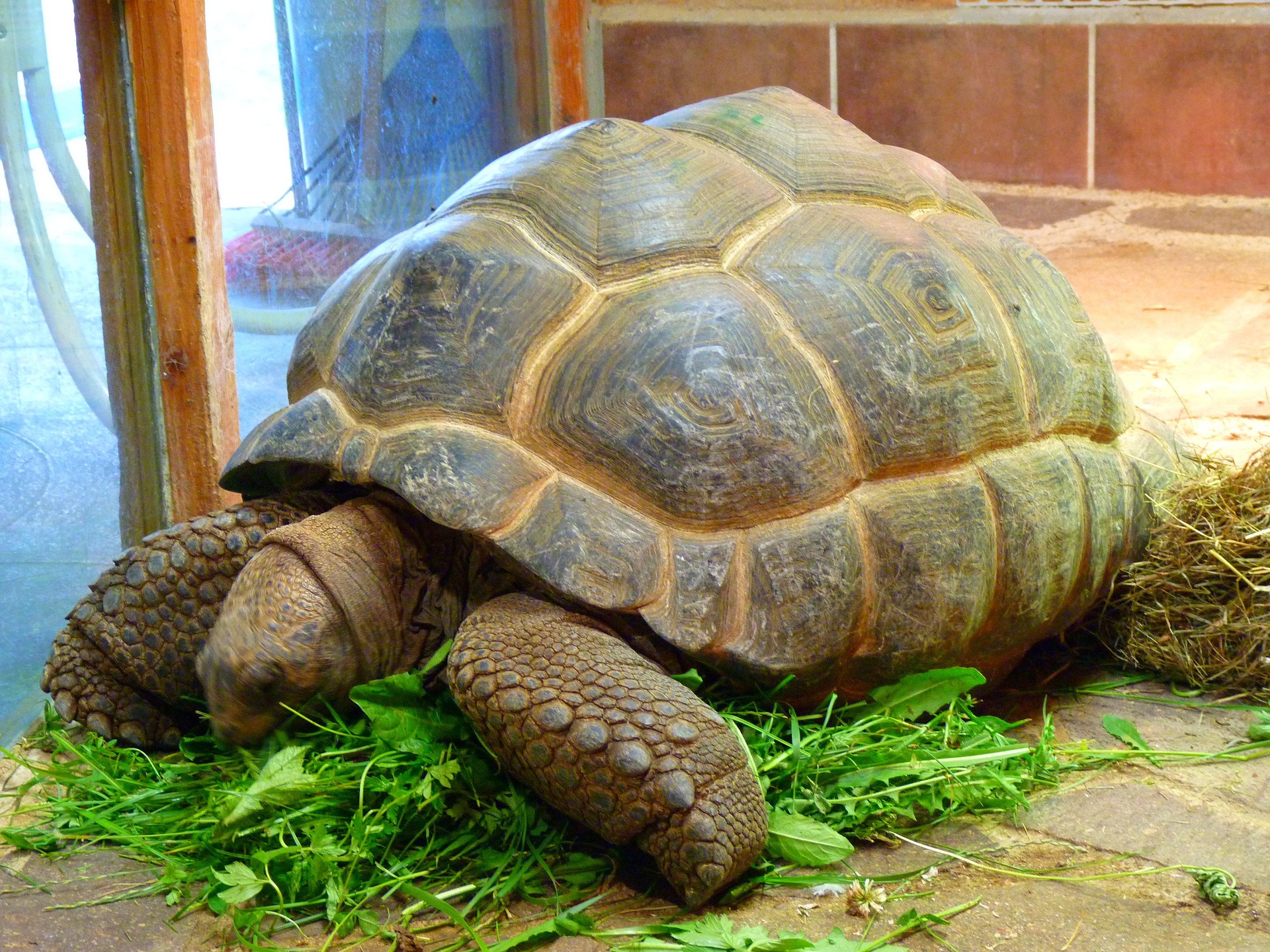
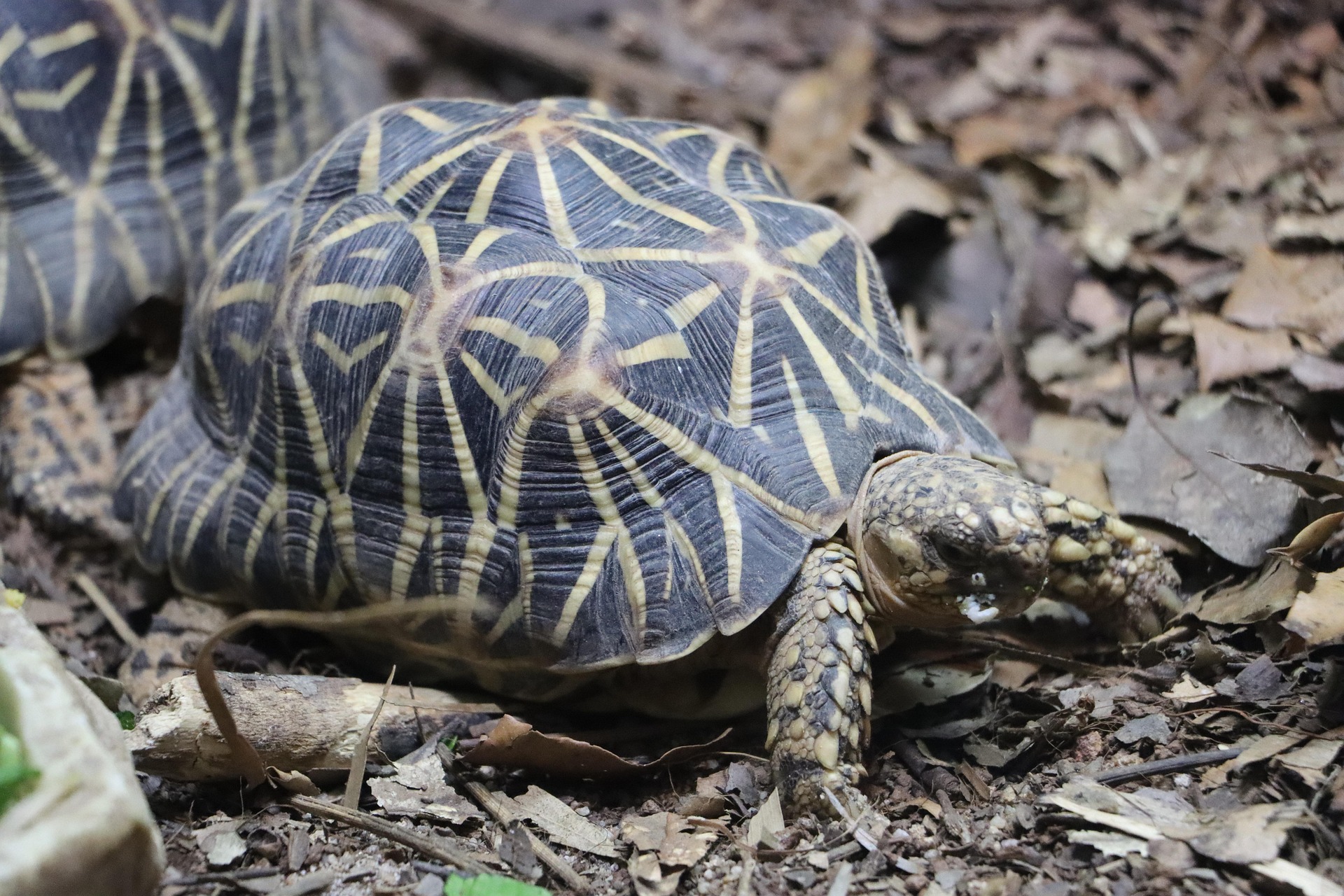
リクガメはどんな動物?特徴、生態、生息地について解説します。リクガメはとてもおとなしく、人によく慣れるため、ペットとしての需要もとても高い動物の一つで、初心者向けの動物とも言えるでしょう。これから飼育を検討している方は実際に飼ってみると良いでしょう。


リクガメとは? 基本ステータスについて
リクガメは、爬虫綱カメ目に分類される科。学名はTestudinidae、英語名はTortoise。甲長約20~30cmで全長は20cm、体重は2-3kgくらいのサイズのものがとても多いです。情報の一覧は以下の通りです。
| Japanese(和名) | リクガメ |
| English(英名) | Tortoise |
| scientific name(学名) | Testudinidae |
| classification(分類) | Reptilia、Testudines、 Testudinidae 爬虫綱、カメ目、リクガメ科 |
| IUCN Status(保全状況) | VULNERABLE |
| Length(体長) | 20cm |
| Weight(体重) | 2-3kg |
分類について
リクガメはアカアシガメ、ロシアリクガメ、インドホシガメ、ヒョウモンガメ、ホルスフィールドリクガメ、ヘルマンリクガメ、アカアシガメ、ケヅメリクガメ、ヘルマンリクガメ、ギリシャリクガメやゾウガメなど極めて多くの種族がいます。紹介しきれないほどいますので、ここでは割愛します。
リクガメのルーツ、起源は?
「リクガメ」は1つの系統ではなく、陸上生活に適応したカメ類の総称です。したがって、リクガメの起源をたどるには、まずカメそのものの起源を見る必要があります。
大まかな進化は、
初期の爬虫類
↓
初期のカメ類
↓
カメ目(Testudines)
↓
陸上生活に適応したカメ類
↓
現生のリクガメ科(Testudinidae)など
という流れです。
🦴 カメの祖先は約2億年以上前
カメ類の起源は非常に古く、約2億5000万年前~2億2000万年前の三畳紀までさかのぼります。
初期のカメ類として有名なのが、
Pappochelys(パポケリス)
→ 約2億4000万年前
Proganochelys(プロガノケリス)
→ 約2億1000万年前
などです。
ただし、これらがそのまま現在のリクガメになったわけではありません。
🌍 「リクガメ」はいつ登場した?
現在のリクガメ科(Testudinidae)につながる系統は、カメ類の歴史の中ではかなり後に登場します。
現生のリクガメ科には、
- 🐢 ゾウガメ類
- 🐢 ヨツユビリクガメ
- 🐢 ギリシャリクガメ
- 🐢 インドホシガメ
- 🐢 ヘルマンリクガメ
- 🐢 ガラパゴスゾウガメ
などが含まれます。
そして面白いのが、「巨大なゾウガメ」と「小型のリクガメ」が同じ大きな系統に属することです。
🐢 なぜ陸上生活になった?
祖先的なカメ類の中から、陸上で生活する方向へ適応した系統が現れました。
リクガメでは特に、
頑丈な甲羅
+
太く柱状になった脚
+
植物を中心とした食性
+
乾燥に耐える能力
が発達しています。
水中を泳ぐ必要がないため、ウミガメや淡水ガメとは異なる体つきになりました。
生息地について
リクガメはオーストラリアと南極大陸をのぞいてすべての大陸に分布します。
1. 地理的分布
リクガメは世界中に広く分布していますが、種類によって生息地が異なります。
- アフリカ大陸
- ギガンテア系(アルダブラゾウガメなど)やアフリカリクガメ(スッポンモドキガメ類)
- サバンナ、草原、乾燥地帯などに生息
- 南米
- リクガメ類の一部(ガラパゴスゾウガメの仲間を除く)
- 草原や乾燥林に適応
- マダガスカルやインド洋の島嶼
- アルダブラ環礁やマダガスカル固有種など
- 島ごとに独自の亜種が存在
- ガラパゴス諸島(エクアドル)
- ガラパゴスゾウガメ(Chelonoidis nigra)の固有種
2. 生息環境のタイプ
リクガメは温暖で乾燥した環境を好む種類が多いですが、湿潤地に適応した種類も存在します。
- 乾燥地・サバンナ
- 草や低木、サボテンなどの植生を食べる
- 岩陰や土の穴に隠れたり休息
- 低木林・草原
- 草や葉を中心に採食
- 日陰や湿った場所で体温調節
- 島嶼環境
- 島ごとに生態や食性に適応
- 高地や低地に応じて甲羅形状や行動が変化
- 水源の近く
- 水分補給や体温調節のため、泉や水たまりの近くに生息することが多い
3. 生息条件の特徴
- 温暖な気候を好む(寒冷地は苦手)
- 水源と食料のある場所を中心に生活
- 単独または小集団で行動
- 天敵が少ない環境ではゆったり行動する
特徴は?どんな感じの生物なのか?
リクガメは世界中に約60種類ほどいるとされ、ゾウガメを含むカメの仲間を指します。現生の最大種はアルダブラゾウガメで最小種はシモフリヒラセリクガメ。サイズも色もバラバラであり、それぞれ特徴まで全く異なります。種によっては嘴に突起があり、頸部はやや短い。四肢は太くて短く、指趾は退化して短い。リクガメは北アメリカやヨーロッパで出現したと考えられています。
1. 体の大きさ・形態
- 体長:
- 小型種:10〜30 cm(例:ヒガシリクガメ)
- 中型種:30〜60 cm
- 大型種:1 m以上(例:ガラパゴスゾウガメ、アルダブラゾウガメ)
- 体重:
- 小型種:1〜3 kg
- 大型種:100〜300 kg
- 甲羅(背甲):
- 丸いドーム型ややや平らな形状
- 種類によっては前方が高く、首を伸ばして高い葉を食べやすい形もある
- 頭・首:
- 首は長く伸ばせる種類もあり、採食範囲を広げる
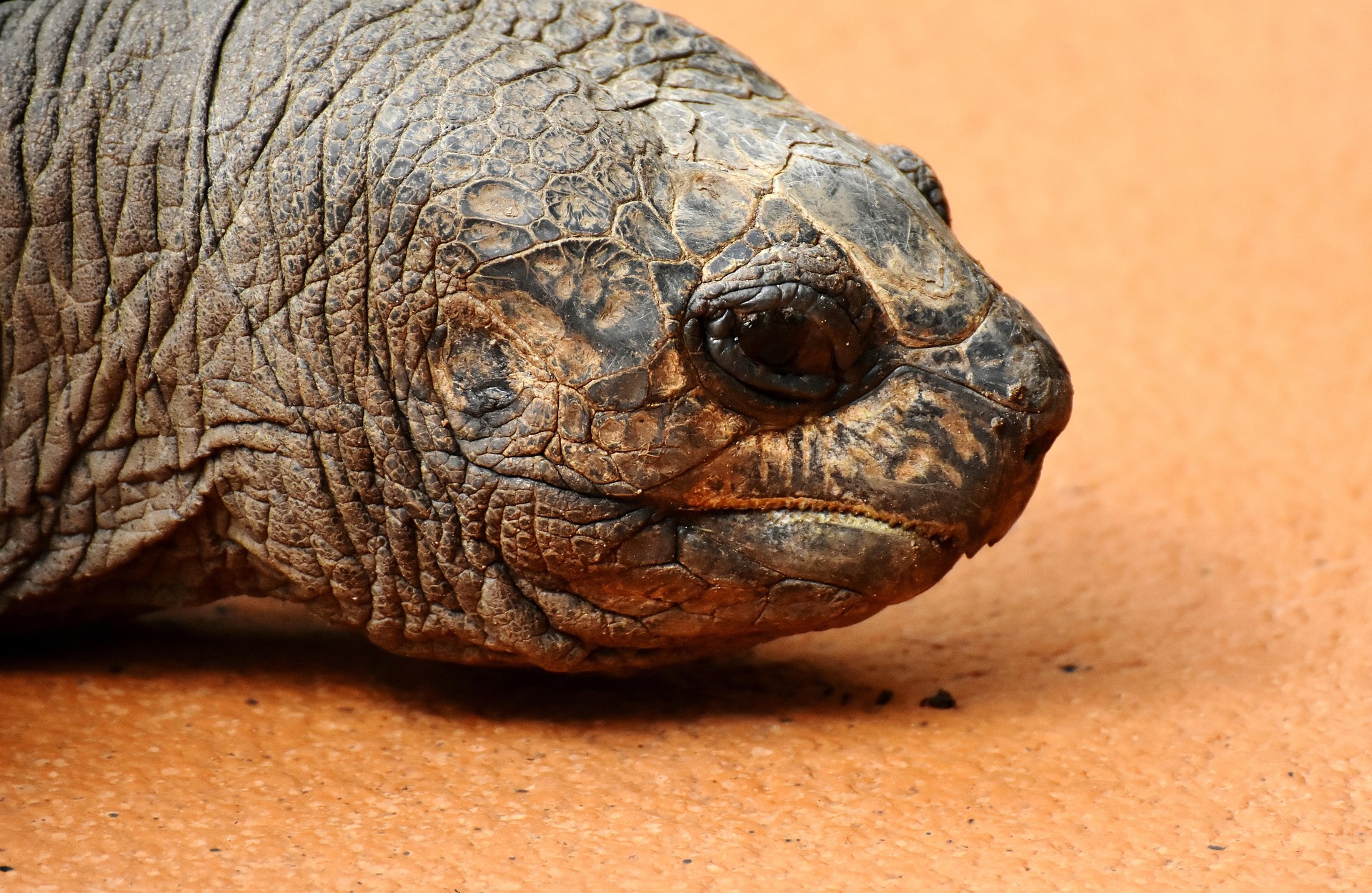
- 口は切れ込みのある「くちばし状」で草や葉を切り取るのに適する
2. 行動・性格
- 動きは遅く、のんびりしている
- 攻撃性はほとんどなく、臆病で警戒心はある
- 社会性は低く、基本的に単独行動や小集団行動
- 長寿で、野生個体は50〜100年以上生きる種類もある
3. 食性
- 完全草食性が基本
- 食べるもの:
- 草、低木、葉、果実、サボテンなど
- 首を伸ばして木の葉や枝を採取することもある
- ゆっくり時間をかけて食べ、消化もゆっくり
4. 生態的印象
- 非常にのんびりした巨体の陸生爬虫類
- 長寿で穏やか、捕食者が少ない環境ではほとんど天敵なし
- 島嶼や乾燥地に適応しており、食料や水源に応じてゆっくり移動する

性格はどんな感じなのか?
リクガメは臆病ですがとてもおとなしく、人によく慣れる性質があり、知能も良く学習能力がしっかり高いです。これもあってか、人間によって飼育されることも多くあります。野生でも性別問わず、元気で懐くのでかわいいです。基本的に個体は比較的少し飼いやすいため初心者におすすめ。
1. 穏やかでおとなしい
- 基本的にのんびりしていて攻撃性はほとんどない
- 他の動物や人間に対しても、臆病で逃げる傾向が強い
- 大型種でも性格は穏やかで、単独行動が多い
2. 臆病で警戒心はある
- 危険を察知すると首や手足を甲羅に引っ込めて身を守る
- 捕食者や環境の変化に敏感で、必要以上に動き回らない
3. 社会性は低め
- 基本的に単独または小集団で行動
- 水場や食事場では他個体と接触することはあるが、群れを作るわけではない
4. 忍耐力が高く安定志向
- 移動距離が長くなくても長時間じっとして耐えることができる
- 長寿で穏やかなので、環境に合わせて無理なく生活する
5. 知能・学習能力
- 複雑な社会行動は少ないが、食べ物や水の位置を覚える能力が高い
- 季節や環境の変化に応じて行動パターンを変えられる
生態はどんな感じ?
リクガメは食性は植物食で昆虫、陸棲の貝類、カエルやトカゲなど動物の死骸などを食べることもあります。繁殖は卵生で、大量の卵を産むことが多いです。孵化は100日くらいかかることが多いです。寿命は種によりますが、30年~40年くらい生きることができるため、長寿の動物です。
1. 生活スタイル
- 昼行性(昼間に活動)
- 移動はゆっくりだが、食料や水を求めて1日数百メートル〜数キロ移動することもある
- 休息は日陰や岩陰、低木の下で長時間行う
2. 食性
- 草食性が基本(種類によっては多少果実を食べる)
- 食べるもの:
- 草、葉、低木の枝、果実、サボテン
- 採食方法:
- 首を伸ばして高い葉も届く
- ゆっくりかみ砕き、消化にも時間がかかる
3. 繁殖・子育て
- 繁殖期は種類や気候によって異なる
- 卵生で、メスは土を掘って巣穴に卵を産む
- 卵の数:
- 小型種:数個
- 大型種(ゾウガメ類):10〜20個
- 幼獣の自立性:
- 孵化直後から自力で生活
- 捕食者から身を守るため甲羅に隠れる
4. 行動・社会性
- 基本的に単独または小集団で生活
- 他個体との接触は水場や食事場で見られる
- 移動や採食は季節や水源の分布に応じて柔軟に変化
5. 生息環境との関係
- 温暖で乾燥した地域を中心に、低木林や草原などに適応
- 水源や食料がある場所を中心に生活
- 天敵が少ない環境では、行動はゆったりしている
天敵はいるのか?
リクガメはワシやタカなどが天敵に当たります。

リクガメの幼獣について
リクガメの幼獣(子ども)の特徴や生態について詳しく整理します。
1. 誕生・孵化
- 卵で生まれる(卵生)
- メスは土を掘って巣穴に卵を産む
- 卵の数は種類によるが、小型種で数個、大型種(ゾウガメ類)で10〜20個程度
- 孵化期間:
- 数か月(種類・温度により変動)
- 孵化時の大きさ・体重:
- 体長:約5〜10 cm
- 体重:0.1〜0.5 kg程度
- 外見:
- 甲羅はまだ柔らかく、頭部は丸く目が大きい
- 成体に比べて色が薄く柔らかい印象
2. 成長段階
- 孵化直後
- 巣穴から自力で出て行動開始
- 捕食者から身を守るため、甲羅に隠れたり低木の陰で過ごす
- 少量の草や葉を食べ始める
- 幼体期(数か月〜1年)
- 甲羅が徐々に硬くなる
- 食欲が増し、採食量が増える
- 水源や安全な場所への移動が可能
- 若齢期(1〜5年)
- 体が大きくなり、移動範囲も広がる
- 捕食者の少ない環境では生存率が上がる
3. 幼獣の行動・性格
- 臆病で警戒心が強い:危険を察知すると甲羅に隠れる
- 好奇心はあるが慎重:周囲を観察しながら少しずつ採食
- 独立性が高い:孵化直後から母親に依存せず、自力で生きる
- 社会性は低い:基本的に単独行動
4. 生息地との関係
- 幼獣は低木や草の陰、岩陰など安全な隠れ場所を中心に行動
- 水分補給も自力で行うが、小さな水たまりや湿った場所を好む
- 捕食者が少ない環境では生存率が高く、ゆっくり成長していく
リクガメは絶滅危惧種なのか?
リクガメは絶滅してしまった者もあり、生息地の破壊などにより危機的な状況にある種も多いです。そのため一部では飼育が許可されていないもの藻ありますので注意が必要です。
1. IUCNの評価
- リクガメは世界中に多くの種類がいますが、多くの種類は**絶滅危惧種(EN, VU, CR)**に指定されています。
- 例:
- ガラパゴスゾウガメ(Chelonoidis nigra):EN〜CR(絶滅危惧ⅠB〜ⅠA類)
- アルダブラゾウガメ(Aldabrachelys gigantea):VU(絶滅危惧Ⅱ類)
- アフリカリクガメ(例:ケヅメリクガメなど):VU〜ENに分類される種が多い
2. 減少の原因
- 外来種による幼獣や卵の捕食
- ネズミ、ヤギ、ブタなどが孵化前後の幼獣を食べる
- 生息地の破壊
- 農地開発、都市化、観光地開発
- 乱獲
- 食用やペット目的で捕獲される歴史がある
- 気候変動
- 干ばつや水源不足が個体群に影響
3. 保護の取り組み
- 国立公園や保護区での生息地保護
- 幼獣や卵を人工孵化させる保護プログラム
- 外来種の駆除や移植・再導入で個体群復元
リクガメは飼育可能?
リクガメは飼育が可能です。リクガメを飼うにあたって必要なものは、以下の通りです。小さい個体が新着で登録されて販売されていたり、里親の募集も多いのでチェックです。餌の種類やケージなどに注意しましょう。また寿命も長いのでそこも考慮しましょう。餌や保温の方法など確認しましょう。ショップではいろいろ商品が商品されておりエサやケース、ライトなど用品の購入が簡単です。
ケージ
甲羅のサイズや成長の具合によりますが、ショップでは60㎝くらいの幅が広いケージが必要になります。ガラス製やアクリル製、プラスチック製など爬虫類用ケージを使用がおすすめです。
床材
床材のカテゴリーは大型から小型まで様々な種類があります。赤玉土、ヤシガラ、人工芝などさまざまです。キャンペーンだと安い価格で販売されていることもあります。
ヒーター
必要に応じてエアコンや暖房器具を用意して、リクガメが快適に過ごせるように気をつけてあげてください。パネルヒーターや照射スポットランプ、バスキングライトなどがあります。
温湿度計
両生類のリクガメを飼育するにあたって温度と湿度の管理はとても重要。保温は30度くらいで調節すると良いです。
照明
リクガメは1日で強い紫外線を浴びることで、カルシウムの吸収を促進させるビタミンD3を体の中で作り健康を維持する動物です。そのため照明は必須。電球タイプや蛍光管タイプがあり、ケージに合わせて選ぶと良いでしょう。日照時間を目安として照射してください。
シェルター
リクガメも生き物ですから室内で個体が逃げられる場所を作るため、ポイントとしてシェルターがあると良いです。ちゃんと全体で設置して大きくストレスを与えないようにしましょう。
水飲み皿
水飲み皿も必須。水入れは毎日洗浄して、新鮮な水を用意してください。
ペットフード
リクガメなどは草食性で、必ずフードは小さい野菜や果物が主食で、小松菜やキノコも一緒に食べます。野草を野菜の代わりに食べているリクガメもいます。おやつにバナナ、スイカ、リンゴ、イチゴ、キウイ、マンゴーなどの果物も与えてあげてください。参考にサプリメントを与える方もいます。最初は販売されているものを提供すると良いでしょう。完全に生き物に必要な栄養が入っています。
飼育されている動物園(日本・世界)
「リクガメ」は複数の種を含むため、リクガメ科(Testudinidae)全体として見ると、日本ではかなり多くの動物園で飼育されています。日本動物園水族館協会(JAZA)の検索でも、リクガメ科の飼育施設を確認できます。
🇯🇵 日本
代表的な施設は以下です。
| 施設 | 主なリクガメ |
|---|---|
| いしかわ動物園 | ケヅメリクガメなど |
| よこはま動物園ズーラシア | 各種リクガメ |
| アドベンチャーワールド | リクガメ類 |
| 天王寺動物園 | アルダブラゾウガメ |
| 東武動物公園 | リクガメ類 |
| 円山動物園 | リクガメ類 |
| とべ動物園 | リクガメ類 |
| 鹿児島市平川動物公園 | リクガメ類 |
| 宮崎市フェニックス自然動物園 | リクガメ類 |
| 日本平動物園 | リクガメ類 |
| 王子動物園 | リクガメ類 |
| 埼玉県こども動物自然公園 | リクガメ類 |
| 那須どうぶつ王国 | リクガメ類 |
| 宇都宮動物園 | リクガメ類 |
国内では68施設でリクガメ科の飼育が確認されており、上記はその一部です。
特にいしかわ動物園は「カメたちの広場」を設け、現在3頭のゾウガメを展示しています。ケヅメリクガメも飼育されています。
また、天王寺動物園ではアルダブラゾウガメを公開しています。
🌎 世界
海外ではさらに多く、特にアルダブラゾウガメとガラパゴスゾウガメは世界各地の大型動物園で飼育されています。
代表例:
- 🇨🇿 プラハ動物園
- 🇩🇪 ベルリン動物園
- 🇩🇪 ライプツィヒ動物園
- 🇩🇪 シュトゥットガルト・ヴィルヘルマ
- 🇬🇧 ロンドン動物園
- 🇨🇭 チューリッヒ動物園
- 🇧🇪 Pairi Daiza
- 🇺🇸 サンディエゴ動物園
- 🇺🇸 サンフランシスコ動物園
- 🇺🇸 ヒューストン動物園
- 🇺🇸 フィラデルフィア動物園
- 🇺🇸 スミソニアン国立動物園
- 🇺🇸 ロサンゼルス動物園
例えばアルダブラゾウガメだけでも、Zootierlisteではドイツ、ベルギー、デンマークなど多数の施設が現在の飼育施設として掲載されています。

他の記事もおすすめ

コメント