
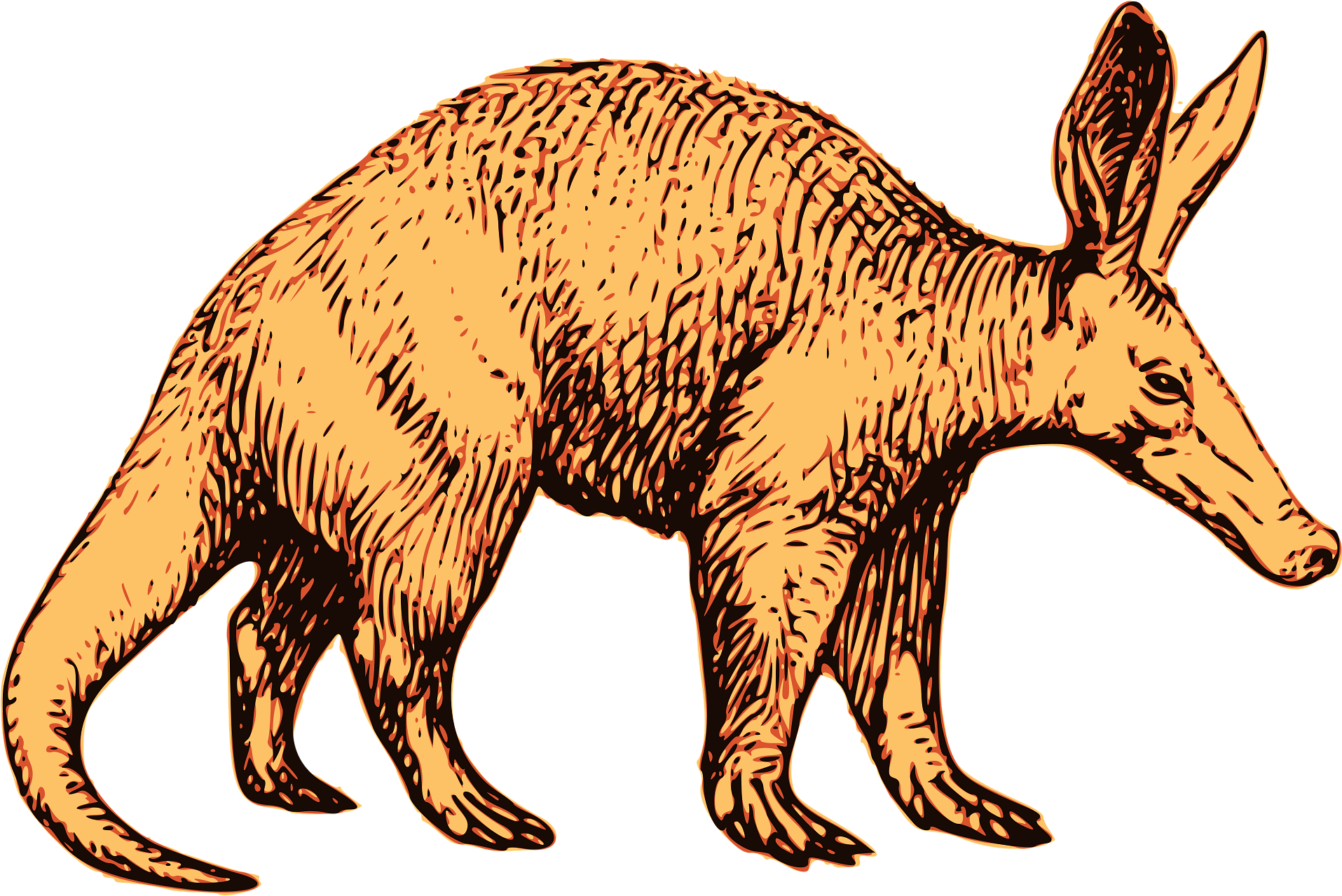
ツチブタはどんな動物?特徴、生態、生息地について解説します。この動物はアフリカ大陸のかなり広い範囲で生息が確認されており、動物園などでも見ることができる動物です。哺乳類のなかでも生態がいちばんよくわかっていない動物で謎も多い動物です。


ツチブタとは? 基本ステータスについて
ツチブタは管歯目ツチブタ科ツチブタ属に分類される哺乳類で原始的な有蹄類である管歯目に属する唯一の動物です。学名はOrycteropus aferで漢字は土豚。体長は140-220cmで体重は40-100kgです。名前はブタですがブタとは関係ありません。情報の一覧は以下の通り。
| Japanese(和名) | ツチブタ |
| English(英名) | Aardvark |
| scientific name(学名) | Orycteropus afer |
| classification(分類) | Mammalia、Tubulidentata、 Orycteropodidae、Orycteropus 哺乳綱、管歯目、ツチブタ科、ツチブタ属 |
| IUCN Status(保全状況) | LEAST CONCERN |
| Length(体長) | 140-220cm |
| Weight(体重) | 40-100kg |
ツチブタのルーツ、起源は?
ツチブタ(学名:Orycteropus afer)は、見た目はブタに似ていますが、ブタとはまったく別の進化をたどった哺乳類です。実は、現生(現在生きている)ではツチブタ目(Tubulidentata)に属する唯一の種であり、非常に特異な進化の歴史を持っています。
起源・ルーツ
ツチブタの祖先は約5,500万~6,000万年前(古第三紀初期)にアフリカで出現したと考えられています。
当時のアフリカ大陸は他の大陸から長く孤立していたため、ゾウやハイラックス、マナティーなどと同じく、アフリカ独自の系統として進化しました。
ブタとは無関係
「ツチブタ」という名前からブタの仲間と思われがちですが、実際にはブタ(偶蹄目)とは近縁ではありません。
むしろ、分子系統解析では次のグループに属します。
- ゾウ
- ハイラックス
- ジュゴン・マナティー
- ハネジネズミ
- テンレック
- ツチブタ
これらはまとめてアフロテリアと呼ばれ、アフリカで共通祖先から進化した哺乳類の一群です。
アリ・シロアリ食への適応
約2,000万~3,000万年前には、現在のような食生活へ適応しました。
進化した特徴は、
- 細長い吻(ふん)
- 最大30cmほどまで伸びる粘着質の舌
- 強力な前足の爪
- 厚い皮膚
- 歯のエナメル質を持たない特殊な管状の歯(ツチブタ目の名前の由来)
これらは、アリやシロアリを効率よく食べるための適応です。
「収斂進化」の代表例
ツチブタは、
- アリクイ(南アメリカ)
- センザンコウ(アジア・アフリカ)
とよく似ていますが、これらは近縁ではありません。
それぞれ別々の祖先から進化したにもかかわらず、同じようにアリやシロアリを食べる生活に適応した結果、似た姿になりました。これを収斂進化(しゅうれんしんか)といいます。
分類について
ツチブタはツチブタ属に分類される哺乳類で原始的な有蹄類である管歯目に属する唯一の動物です。
ツチブタの分類学
| 分類階級 | 分類名 |
|---|---|
| 界 | 動物界(Animalia) |
| 門 | 脊索動物門(Chordata) |
| 亜門 | 脊椎動物亜門(Vertebrata) |
| 綱 | 哺乳綱(Mammalia) |
| 目 | ツチブタ目(Tubulidentata) |
| 科 | ツチブタ科(Orycteropodidae) |
| 属 | ツチブタ属(Orycteropus) |
| 種 | ツチブタ(Orycteropus afer) |
生息地について
ツチブタはアフリカ大陸に広く分布しています。サハラ砂漠の以南に住んでいます。
1. 地域
- 主にサハラ以南のアフリカ全域に分布。
- 代表的な国:
- 南アフリカ、ナミビア、ボツワナ
- ケニア、ウガンダ、タンザニア
- 西アフリカ(ガーナ、ナイジェリアなど)
2. 生息環境
- 乾燥地帯・サバンナ・草原を好む
- 砂地や柔らかい土壌があり、巣穴を掘れる環境が必須
- 森林地帯や湿潤地域にも生息することはあるが、掘る場所が確保できる場所が必要
- 水辺から離れた乾燥地でも生きられるが、植生が少ない砂漠は避ける
3. 巣穴・生活空間
- 自ら長い巣穴(最大10m程度)を掘って生活
- 巣穴は昼間の休息場所で、夜に活動してシロアリやアリを食べる
- 巣穴は単独で使うことが多いが、場合によっては複数のツチブタが近くに穴を掘ることもある
4. 地理的分布のポイント
- アフリカ中・南部を中心に、比較的広範囲に生息
- ただし、人間の農地化や都市化により局所的に減少している場所もある
特徴は?どんな感じの生物なのか?
ツチブタは長い鼻が特徴。主に森林や草原などを好んで生息しています。単独で生活する傾向があり、夜行性の動物になります。スコップのような爪で行動圏内には臨時の際に避難場所となる巣穴をいくつも掘る傾向があり、ピンチになると穴の中に逃げ込みます。歯も犬歯もなく、臼歯は管状のものが集まってできており、一生伸び続けます。
1. 外見の特徴
- 体型
- 丸みを帯びた胴体で、がっしりしているが動きは意外に素早い
- 前脚は掘削に適した太くて力強い爪を持つ
- 大きさ・体重
- 体長:約1〜1.3m
- 尾長:約60cm
- 体重:約40〜65kg
- 頭部
- 鼻が長く、筒状で先端が柔軟
- 鼻を使ってシロアリやアリの巣を探す
- 歯
- 前歯はほとんどなく、奥歯は筒状の歯が無数に並ぶ
- 歯は虫をすり潰すために進化している
2. 毛色・皮膚
- 毛色は灰色〜茶色で、体毛は短い
- 頑丈な皮膚で、掘る際の摩耗やアリ・シロアリの刺咬から身を守る
3. 性格・行動
- 夜行性で昼間は巣穴で休む
- 基本的におとなしく単独行動
- 臆病で、人間や捕食者を避ける習性がある
- 掘削力に優れ、巣穴は最大10m近く掘ることもある
4. 食性
- 完全な昆虫食(特にアリやシロアリ)
- 長い鼻と粘着性の舌を使って巣から虫を舐め取る
- 水はほとんど必要とせず、食べ物から水分を補給
5. 特殊能力
- 掘削能力が非常に高い
- 地中に巣穴を作り、敵から身を守る
- 地面に潜む昆虫を探すために土を掘る
- 夜行性で優れた嗅覚
- 暗闇でもアリやシロアリを探し出す

性格はどんな感じなのか?
ツチブタはとても温厚な動物ですが怖がりでもあります。人に懐くまではとても時間がかかってしまうと言われています。
ツチブタの性格の特徴
- おとなしくて臆病
- 捕食者や人間に対して非常に警戒心が強い
- 危険を感じるとすぐ巣穴に逃げ込む
- 単独行動を好む
- 基本的に単独で行動
- 群れで生活することはほとんどなく、子育ても母親単独で行う
- 夜行性で慎重
- 昼間は巣穴で休み、夜になると活動開始
- 活動中も周囲に注意を払いながら餌を探す
- 忍耐強く観察力がある
- 掘る作業や餌探しに集中する
- 小さな動きや匂いから危険を察知できる
- 好奇心はあるが用心深い
- 興味を持つ対象には近づくが、少しでも危険を感じるとすぐ撤退
- 人間の目にはおとなしく見えるが、野生では非常に用心深い
生態はどうなっているのか?
ツチブタは長い舌を使ってシロアリを食べて生活をしています。一夫多妻と考えられていて、決まった繁殖期は知られていない。 妊娠期間は7ヵ月あります。1回につき1頭産むことができます。寿命は10年から15年です。
1. 生活環境
- 主にサハラ以南のアフリカに分布
- サバンナ、乾燥草原、半乾燥地帯を好む
- 柔らかい土壌がある場所で巣穴を掘り、昼間は巣穴で休息
2. 行動パターン
- 夜行性:昼は巣穴で休み、夜になると活動
- 掘削力に優れ、地面を掘ってシロアリやアリを探す
- 単独行動が基本で、同種と出会うことは稀
3. 食性
- 完全な昆虫食(シロアリ・アリ中心)
- 長い鼻と粘着性の舌で巣穴の虫を舐め取る
- 水はほとんど必要なく、食べ物から水分を補給
4. 巣穴・住居
- 巣穴を掘る能力に長ける
- 長さは最大10mに達することもある
- 深さは2〜3m程度で、昼間の休息や安全確保に使う
- 巣穴は独立して使い、複数のツチブタが共有することは少ない
5. 繁殖・子育て
- 一度に1頭の子どもを出産
- 出産後、母親は巣穴で子を保護
- 幼獣は数週間母乳で育ち、その後自分で餌を探す能力を身につける
- 成長は比較的ゆっくりで、生後2〜3年で完全に自立
天敵はいるのか?
ツチブタはハイエナやジャッカルなどの肉食動物が天敵となります。敵を見つけたら巣穴へ逃げ込むわけです。
鳴き声について
ツチブタはとても静かな動物で、普段はほとんど鳴きません。夜行性で単独生活を送るため、視覚や鳴き声よりも優れた嗅覚を使って生活しています。
「ブーブー」「ブフッ」
- 鼻を鳴らすような低い声。
- 落ち着いているときや、周囲を探索しているときに聞かれることがあります。
「グルルル…」
- 低いうなり声。
- 驚いたときや威嚇するときに発します。
- 巣穴の中で警戒している際にも聞かれることがあります。
「キーッ」「キュー」
- 高い声。
- 子どもが母親を呼ぶときや、不安・苦痛を感じたときに出すことがあります。
「フーッ」
- 鼻から勢いよく息を出す音。
- 危険を感じた際の警戒や威嚇のサインです。
季節別の活動
ツチブタは一年中活動する夜行性の動物で、冬眠はしません。ただし、アフリカには日本のような四季がないため、「雨季」と「乾季」によって活動パターンが大きく変わります。また、気温やシロアリ・アリの活動状況にも影響を受けます。
🌱 雨季(地域によっておおむね10~3月)
雨が降るとアリやシロアリが活発になり、ツチブタにとっては最も餌が豊富な時期です。
主な活動
- 日没後すぐに採食を開始
- アリやシロアリの巣を次々と探す
- 行動範囲が広がる
- 繁殖が見られる地域もある
特徴
- 1晩で10~30kmほど移動することがあります。
- 土が柔らかくなるため、巣穴の掘削や補修もしやすくなります。
☀️ 乾季(おおむね4~9月)
乾燥すると昆虫の活動が減るため、餌探しに時間がかかります。
主な活動
- より広い範囲を移動して採食
- 巣穴で休む時間が長くなる
- 水分は餌から補給するため、水場へ行く頻度は少ない
特徴
- 非常に暑い地域では、夜だけではなく早朝や夕方に活動することもあります。
🌡️ 気温による活動の変化
暑い日
- 地下の巣穴で体温上昇を防ぐ
- 日没後に活動開始
寒い夜
- 日中の暖かい時間帯に活動することもあります。
- 特に南アフリカなど冬の冷え込みが厳しい地域では、このような行動が観察されています。
歩行速度について
ツチブタは体が大きく、ずんぐりした体型をしていますが、実際にはかなり機敏に動ける動物です。普段はゆっくり歩いていますが、危険を感じると驚くほど速く走ることができます。
通常の歩行速度
- 約3~5 km/h程度
- 夜間に餌を探すときは、鼻を地面につけながらゆっくり移動します。
ツチブタの歩き方は特徴的で、
- 背中を丸める
- 鼻を地面に近づける
- 前足で土の匂いを確認する
という「探索しながら歩く」スタイルです。
走行速度
危険を感じた場合や巣穴へ逃げるときは、
- 約30~40 km/h程度
まで加速できるとされています。
見た目からは想像しにくいですが、強力な後ろ足と発達した筋肉によって短距離ではかなり速く走れます。
掘削速度も驚異的
ツチブタ最大の能力は走ることよりも穴掘り能力です。
- 数分以内に自分の体が隠れるほどの穴を掘る
- 強い前足の爪で硬い地面も掘り進む
- 危険時には走るより「掘って逃げる」こともある
前足の爪はシャベルのように発達しており、体重をかけて土を後方へ飛ばします。

ツチブタの幼獣について
ツチブタの幼獣について詳しくまとめます。
1. 外見・特徴
- 生まれたときの体重:約2〜3kg
- 体長:約30〜40cm前後
- 毛色は薄い灰色〜茶色で、体毛は柔らかく短い
- 鼻はまだ小さく、前脚の爪も発達途上
- 奥歯は生まれたときは小さく、成長とともに虫をすり潰せるようになる
2. 行動能力
- 生まれてすぐに立ち上がり、歩き出すことができる
- 捕食者から逃げるための生存能力
- 生後数日で母親に付き従い、巣穴の外で活動することもある
- 掘る能力や鼻の使い方は未熟で、母親に教わりながら徐々に覚える
3. 防衛・隠れ方
- 母親は子を巣穴の奥に隠す習性がある
- 幼獣はほとんど動かず、巣穴の中で安全を保つ
- 捕食者から身を守るため、母親の行動に依存している
4. 食性・成長
- 生まれてから最初の数週間は母乳を飲む
- 生後数週間で少しずつ巣穴内のアリやシロアリを食べ始める
- 成長速度はゆっくりで、自立して独りで餌を取れるようになるのは生後6〜12ヶ月頃
5. 社会性
- 幼獣は基本的に単独で母親の近くにいる
- 他のツチブタと接触することは少ない
- 狩猟や環境の危険を学びながら成長する
ツチブタは絶滅危惧種なのか?
ツチブタは現在のところ、絶滅危惧種ではなく、低懸念に分類されています。ただし今後は個体数が減ることが懸念されています。アフリカでは干ばつが良く起こり、干ばつにより死亡したツチブタは良く発見されています。
1. 現状の分類
- 国際自然保護連合(IUCN)のレッドリストによると、**ツチブタは「軽度懸念(Least Concern, LC)」**に分類されています。
- つまり、現在は絶滅危惧種ではないものの、地域によっては個体数が減少している場合があります。
2. 個体数の状況
- アフリカの広範囲に分布しているため、全体的な個体数は比較的安定
- ただし、農地開発や都市化、道路建設などによって生息地が局所的に減少している地域もあります
3. 脅威となる要因
- 生息地の破壊
- サバンナや草原の開発、農地化、道路建設
- 捕食者
- ライオン、ヒョウ、ハイエナなどが幼獣を捕食
- 人間との衝突
- 巣穴が農地に近いと害獣扱いされる場合がある
4. 保護状況
- 絶滅危惧種ではないため大規模な保護活動は少ない
- しかし、生息地保全や農地との衝突回避が重要とされている
ツチブタはペットとして飼育可能?
ツチブタはとても強烈なにおいを放つ生き物です。さらに爪を使って常に掘ると言う習性を持っているため、あまり飼育には適していません。動物園などイベントの案内で鑑賞することをおすすめします。
1. 法律面の問題
- ツチブタは野生動物で、ほとんどの国で特別な許可なしに飼うことは違法。
- 日本でも「特定動物」または野生動物に該当する場合があり、飼育には都道府県知事の許可が必要。
- 国際的にはCITES(ワシントン条約)で輸出入規制がある場合もある。
2. 生態的・行動的な問題
- 夜行性:昼間は巣穴で休むため、飼育環境では昼間ずっと隠れてしまい観察が難しい
- 掘削能力が非常に高い:飼育環境では床や庭を掘り返してしまい、管理が困難
- 単独行動を好む:社会性が低いため、群れで飼育することも難しい
- 敏感で臆病:環境の変化や人間に非常にストレスを感じやすい
3. 飼育に必要な条件(理論上)
仮に合法的に飼う場合でも、次の条件が必要です:
- 広大な運動場や掘れる土壌
- 夜間に活動できる環境(照明や騒音を制御)
- 昆虫食(シロアリ・アリ)を常時確保できる餌環境
- 野生動物に詳しい獣医の管理
4. ペットとしての現実的代替
- ツチブタそのものは飼えませんが、似た生態を持つ小型の草食・昆虫食動物なら飼育可能
- 例:ミニチュアウサギ、ハリネズミなど
飼育されている動物園(日本・世界)
ツチブタは世界的にも飼育が難しい希少な動物で、展示している動物園は多くありません。特に夜行性で、特殊な食性(アリ・シロアリ食)を持つため、飼育には専門的な設備と知識が必要です。
🇯🇵 日本でツチブタを飼育している動物園
多摩動物公園
- 日本でツチブタを見ることができる代表的な施設です。
- 夜行性動物の展示に力を入れており、ツチブタの生態に合わせた環境づくりがされています。
- 以前からツチブタの飼育・繁殖実績があります。
展示の特徴
- 昼間は寝ていることが多い
- 夕方以降に動き出す姿が見られる場合がある
- 地面を掘る行動など、本来の習性を観察できます
東山動植物園
- ツチブタの飼育歴がある国内施設の一つです。
- 夜行性動物として展示されていました。
※現在の展示状況は変更される場合があります。
🌍 世界でツチブタを飼育している主な動物園
Smithsonian’s National Zoo(アメリカ)
- ツチブタ飼育で世界的に有名な施設の一つ。
- 長年にわたり研究・繁殖に取り組んでいます。
- 夜行性動物展示(Nocturnal House)で知られています。
San Diego Zoo(アメリカ)
- 希少動物の繁殖・保全活動で有名。
- ツチブタの飼育・繁殖例があります。
Zoo Miami(アメリカ)
- 温暖な気候を活かしたアフリカ系動物展示が多い動物園。
- ツチブタを飼育してきた実績があります。
Cologne Zoo(ドイツ)
- ヨーロッパでもツチブタ飼育の歴史がある動物園。
- 繁殖研究にも関わっています。
London Zoo(イギリス)
- 過去にツチブタの飼育例があります。
- 現在の展示状況は変動があります。
他の動物を紹介
コメント