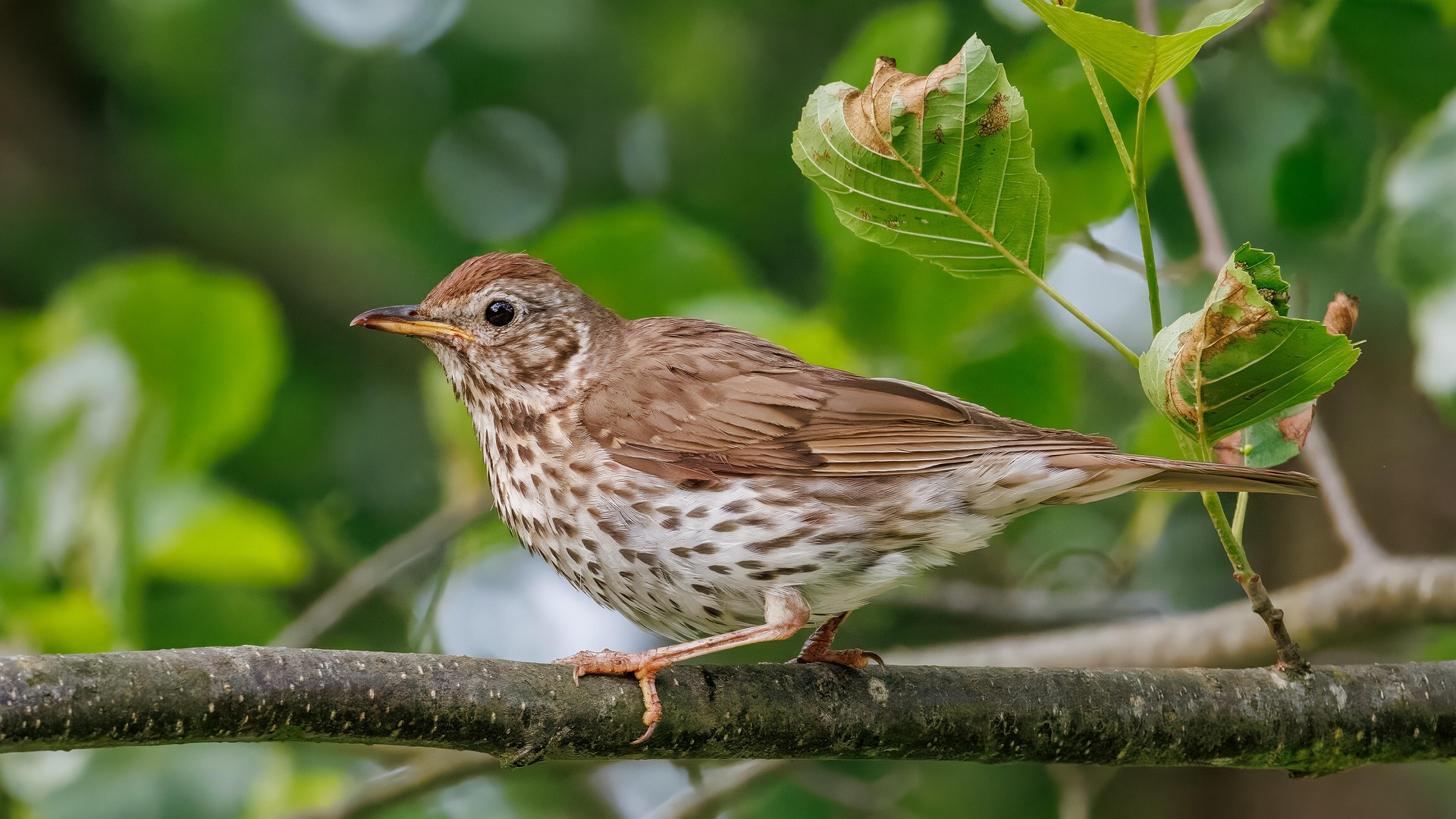
日本全国で見れる野鳥のツグミはどんな鳥?特徴、生態、生息地について解説します。この鳥は渡り鳥としてとても知られており、ロシアから東南アジアのあたりまで移動します。身近な鳥のひとつであまり知らない方もいないと思われる鳥でしょう。


ツグミとは? 基本ステータスについて
ツグミはスズメ目ツグミ科ツグミ属に分類される鳥類。学名はTurdus eunomus、英語名はDusky Thrushで漢字は鶇。全長は24cm、翼開長は38~39cm、体重は65~90g。情報の一覧は以下の通り。
| Japanese(和名) | ツグミ |
| English(英名) | Dusky thrush |
| scientific name(学名) | Turdus eunomus |
| classification(分類) | Aves、 Passeriformes、 Turdidae、Turdus 鳥綱、スズメ目、ツグミ科、ツグミ属 |
| IUCN Status(保全状況) | LEAST CONCERN |
| Length(体長) | 24cm |
| Weight(体重) | 65~90g |
ツグミの分類学
- 界(Kingdom):動物界 (Animalia)
- 門(Phylum):脊索動物門 (Chordata)
- 綱(Class):鳥綱 (Aves)
- 目(Order):スズメ目 (Passeriformes)
- 科(Family):ヒタキ科 (Turdidae)
- 属(Genus):ツグミ属 (Turdus)
- 種(Species):ツグミ (Turdus eunomus)
ツグミのルーツ、起源は?
ここでいう日本で普通に「ツグミ」と呼ばれる鳥は、現在の分類では ツグミ Turdus eunomus とされることが多い種です。英名は Dusky Thrush です。日本には冬鳥として渡来します。
🌏 祖先をたどると?
面白いことに、ツグミが属する ツグミ属(Turdus)そのものの起源は、東部旧北区(東アジア)だった可能性が高いとする系統地理学研究があります。
2019年の大規模な研究では、72種の Turdus を解析し、**属全体の最も可能性の高い祖先地域として東部旧北区(East Palearctic)**が示されました。つまり、現在世界各地にいるツグミ属の遠い祖先をたどると、アジア方面が重要な起源地域だった可能性が高いということです。
ただし、ツグミ属の古い系統関係には研究間で違いもあり、起源についてはまだ完全に決着していません。ゲノム規模の研究でも、初期の分岐や地理的拡散には不確実性が残っています。
🧬 ツグミ自身は?
ツグミ Turdus eunomus は、シベリア中部からカムチャツカ方面で繁殖し、冬になると
シベリア
↓
中国・朝鮮半島
↓
日本
などへ南下します。
そして非常に近縁なのが ハチジョウツグミ/ナウマンツグミ Turdus naumanni です。
この2つはかつて同一種として扱われることも多く、現在も分類上の関係が研究されています。
🌳 進化のイメージ
古いツグミ類(Turdinae)
        ↓
  ツグミ属 Turdus
        ↓
東アジアを中心に多様化
        ↓
 ┌─────────────┐
 │                         │
各種ツグミ類          ツグミ系統
                         ↓
                 T. eunomus
                  ツグミ
                         ↓
          シベリア~極東で繁殖
                         ↓
日本・中国・朝鮮半島へ渡来さらに遡ると、ツグミ属を含むツグミ亜科(Turdinae)は中新世(約2300万~530万年前)に成立した古い鳥類系統と考えられています。
🇯🇵 つまり日本のツグミは?
「日本生まれの鳥」というより、シベリア・極東アジアを繁殖地とする渡り鳥です。
そして大きな進化史で見ると、
東アジアを起源の重要地域とする古いツグミ属の系統 → 極東・シベリアでツグミが進化 → 日本へ冬季に渡ってくる
というイメージが最も分かりやすいです。
生息地について
ツグミはロシアのあたりで繁殖し、冬になると日本や中国南部などへ移動します。場合によっては東南アジアまで南下します。日本には冬鳥として渡来します。
ツグミの生息地
1. 繁殖地
- **夏季(繁殖期)**は主に シベリア東部や北東アジア
- 森林の縁、開けた林地、低木の茂みで繁殖
- 地面や低木に巣を作り、卵を産む
2. 越冬地(日本を含む)
- 冬季は南下して 日本、中国東部、朝鮮半島、東南アジアの一部 に渡来
- 森林、公園、農耕地、河川沿いなど、落ち葉や地面に餌が豊富な場所で越冬
- 冬の日本では市街地の公園や神社でもよく観察される
3. 生息環境の特徴
- 地面で昆虫やミミズを探して採餌するため、落ち葉や土のある場所を好む
- 雑木林や公園、河川沿いの林などで安全に休める場所が必要
4. 移動・渡り
- ツグミは渡り鳥で、繁殖地から越冬地へ季節ごとに移動
- 移動中は平地の林や河川敷などで休息しながら飛翔

特徴は?どんな感じの生物なのか?
ツグミは嘴の色彩は黒く、下嘴基部は黄色。頭頂から後頸の羽衣は黒褐色、背の羽衣は褐色で喉から胸部は淡黄色、胸部から腹部の羽衣が白い黒や黒褐色。ツグミは平地から山地にかけての草原や森林などで生息しています。耕作地や市街地の公園などにも姿を見せることから人間にもとても認知されている鳥類です。大きな群れをなしていることが多いです。
ツグミの特徴
1. 体の大きさ
- 全長:約 24cm
- 体重:約 70〜90g
- スズメ目の中では中型の鳥
2. 体の構造
- 羽毛:
- 背中や翼は茶褐色
- 胸や腹に濃い斑点がある
- 目の周りは淡い色で、顔の印象が柔らかい
- 嘴(くちばし):中くらいの長さで黄色がかった色
- 足:やや細く、地面で歩くのに適応
3. 行動・性格
- 地面で昆虫、ミミズ、果実などを探して採餌
- 警戒心はあるが、人間の近くに現れることもある
- 単独または小さな群れで行動
- 鳴き声は低めで「チィー」や「ヒー」とさえずる
4. 生態的な特徴
- 渡り鳥で、繁殖期はシベリア、冬は日本や東アジアで越冬
- 地面採餌が得意で、落ち葉や土の中の虫やミミズを探す
- 森林や林縁、公園、農耕地など環境に順応しやすい
生態はどうなっているのか?
ツグミは木の実や昆虫類、クモ、ミミズを食べて生活をしています。繁殖期は5~8月でシベリアあたりで繁殖をします。繁殖形態は卵生。繁殖は一夫一婦で行われ、3~6個ほどの卵を産み、抱卵します。寿命は10年。
ツグミの生態
1. 生活環境
- 森林、公園、林縁、農耕地、河川沿いなど地面採餌ができる場所を中心に生活
- 落ち葉や土の中の虫やミミズを探すことが多い
- 繁殖期は北方(シベリア東部)の森林で、冬は日本や東アジアで越冬
2. 活動パターン
- 昼行性で、日中に採餌
- 地面を歩きながら昆虫やミミズを探す
- 必要に応じて樹上で休むこともある
3. 食性
- 雑食性だが、昆虫食中心
- 昆虫、ミミズ、クモなどの小動物
- 果実や種子も食べる
- 冬には果実や木の実を多く食べることでエネルギーを確保
4. 繁殖
- 繁殖期は夏(5〜7月頃)
- 巣は低木や林床に作る
- 卵の数:3〜5個
- 両親で交代して抱卵・給餌
- 雛は孵化後約2〜3週間で巣立ち、独立まではさらに数週間かかる
5. 社会性
- 基本的に単独または小群で行動
- 冬は越冬地で小規模な群れを作ることがある
- 警戒心があるが、人間や都市環境に順応する個体もいる
6. 渡り
- ツグミは渡り鳥
- 繁殖地(シベリア東部)から冬季に日本や東アジアに南下
- 食物が豊富な場所で越冬し、春に繁殖地へ戻る
天敵はいるのか?
ツグミは猛禽類が天敵になります。

ツグミのヒナについて
ツグミのヒナについて詳しくまとめます。
グミのヒナの特徴
1. 誕生時
- 卵の数:3〜5個が一般的
- 孵化日数:約 12〜14日
- ヒナは無毛ではなく、産毛が少し生えた状態で孵化
- 目はすでに開いており、親から給餌を受けてすぐに動き回ることができる(「遊泳型ヒナ」)
- 体長:約 3〜4cm、体重はごく軽い
2. 成長と発達
- 羽毛の発達:孵化後1週間ほどで産毛から体羽が生え始める
- 給餌:親が昆虫やミミズを口移しで与える
- 巣立ち:孵化後約 12〜14日で巣立ち
- 巣立ち後もしばらく親の近くで餌の取り方を学ぶ
3. 行動・性格
- 誕生直後から親のそばで活発に動く
- 兄弟とじゃれながら体力や採餌技術を習得
- 巣立ち前は巣で休息し、親の給餌を待つ
4. 親子関係
- 両親が交代で給餌・巣の見守りを行う
- 巣立ち後もしばらく親の近くで食べ物の取り方や危険回避を学ぶ
ツグミは絶滅危惧種なのか?
ツグミは低懸念に分類されており、絶滅危惧種ではありません。動物園などでも飼育されておりイベントも開催されているので案内など見て参加してみましょう。活動は河原や農耕地域で、声も良く聞けます。写真や動画などはネットで見てみましょう。
保護状況
- 学名:Turdus eunomus
- IUCNレッドリスト:低危険(LC:Least Concern)
- 世界的に個体数は安定しており、減少傾向は見られない
- 日本国内でも冬鳥として広く渡来しており、個体数は比較的多い
注意点
- 個体数は安定しているものの、繁殖地や越冬地の森林伐採・農地開発・農薬使用などで局所的な影響はありうる
- 渡り鳥であるため、越冬地や渡りルートの環境保全が長期的には重要
ツグミは飼育できるのか?
ツグミは鳥獣保護法でかなり厳重に保護されておりますので一般人が飼育することができません。
1. 法律上の制限
- 日本ではツグミは鳥獣保護法により保護される野生鳥類です。
- 無許可で捕獲・飼育することは違法です。
- 飼育する場合は、研究や教育目的で、環境省や都道府県の特別な許可が必要です。
2. 生態的・行動的理由
- ツグミは渡り鳥で、広い範囲を移動して生活する習性があります。
- 単独または小群で生活するため、狭いケージや単独飼育には適応できない。
- 地面で昆虫やミミズを探す採餌行動が中心で、人工環境では餌の確保が難しい。
3. 飼育の難しさ
- 野生個体は警戒心が強く、人に慣れにくい
- 飛翔能力が必要で、十分な運動スペースがないと健康を維持できない
- 渡りの本能により、季節になると移動したがる
飼育されている動物園(日本・世界)
ここは注意が必要です。ツグミ(Turdus eunomus)は野生では非常に普通に見られますが、動物園で常時展示されている鳥ではありません。
🇯🇵 日本
現時点で確認できた情報では、飼育実績がはっきり確認できる施設として次があります。
| 施設 | 状況 |
|---|---|
| 札幌市円山動物園 | 飼育記録あり |
| 東山動植物園 | 2015年にツグミ1羽を「小鳥とリスの森」で飼育・展示した公式記録あり |
| 周南市徳山動物園 | ツグミの飼育個体を記録した映像あり |
札幌市円山動物園の資料には、飼育鳥類の中に**「ツグミ」**が明記されています。
また、東山動植物園は公式ブログで、2015年にツグミ1羽が「小鳥とリスの森」に仲間入りしたと記録しています。
周南市徳山動物園についても、ツグミを撮影した記録があります。
🌎 世界
海外については、現在も公開展示されているツグミ(Turdus eunomus)の動物園を確実に網羅できる公開飼育リストは確認できませんでした。
これはかなり重要で、
「世界中の動物園でツグミが普通に飼育されている」わけではありません。
ツグミは日本などで毎年多数観察できる一方、動物園では野生鳥類の展示よりも、希少種・大型鳥・繁殖計画の対象種などが優先されるためです。
実際、現在の日本ではツグミそのものは動物園よりも、公園・河川敷・農地などで野生個体を観察する方が圧倒的に容易です。2026年にも日本各地で多数の観察記録があります。
⚠️ 「ツグミ」と「トラツグミ」は別種
動物園情報を調べる際に非常に混同しやすいところです。
- ツグミ → Turdus eunomus
- トラツグミ → Zoothera aurea など
例えば東京ズーネットにはトラツグミの情報がありますが、これは普通のツグミとは別種です。

他の記事もおすすめ



コメント