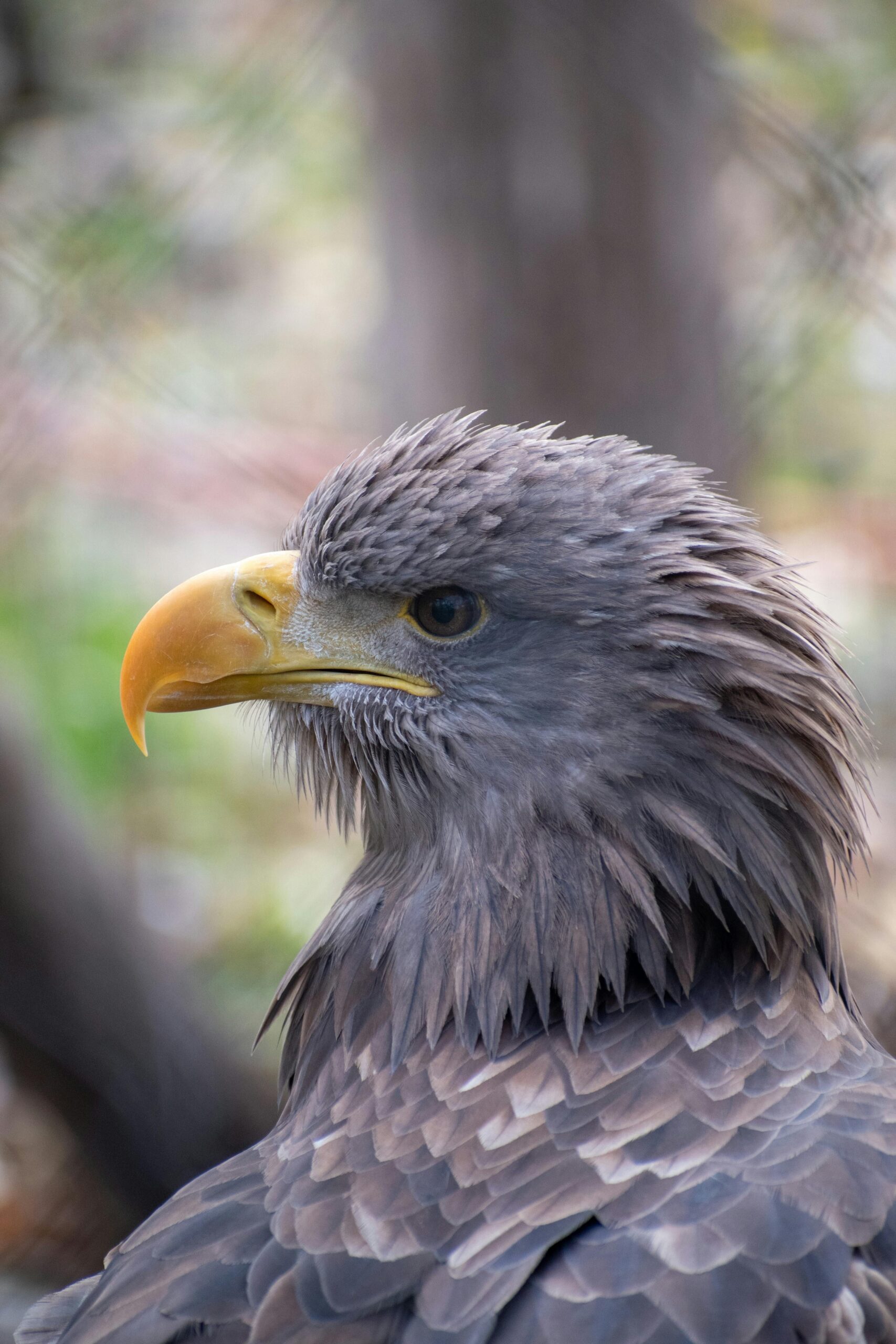
イヌワシとはどんな鳥?特徴、生態、生息地について解説します。イヌワシはとても大きな鳥で捕食をする動物でもあります。体が大きいことからさらに翼を広げると驚異的な大きさにもなります。大型の鳥類の特徴や生態についてまとめています。


イヌワシとは? 基本ステータスについて
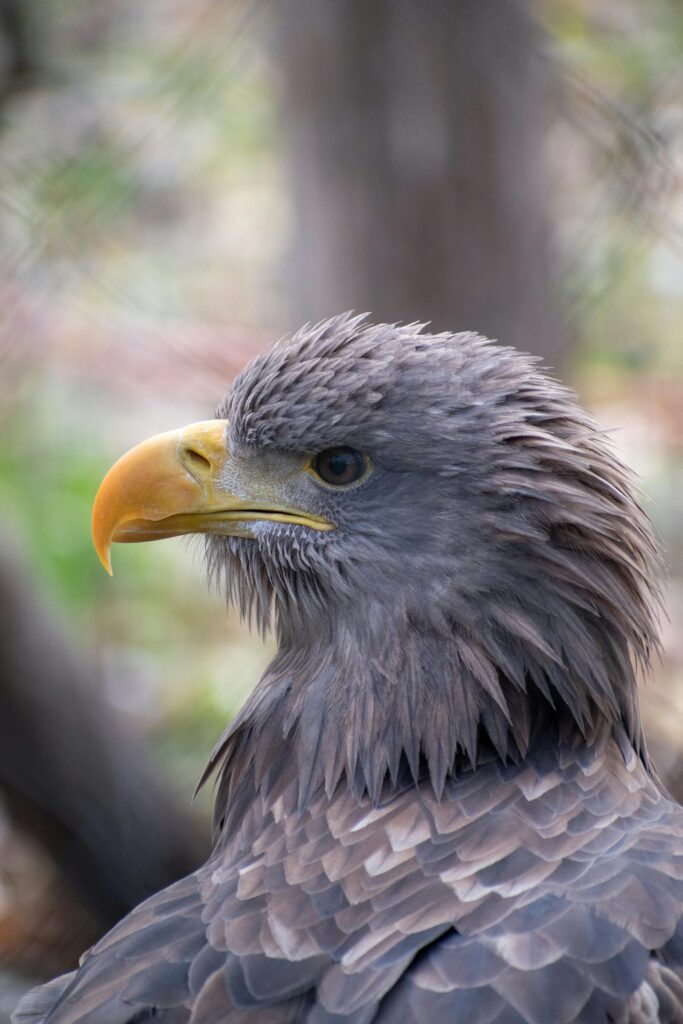
イヌワシ(Golden eagle)はタカ目タカ科イヌワシ属に分類される鳥類。学名はAquila chrysaetos、漢字は犬鷲。体長は75 – 95cm、体重は3 – 5kg。基本的な情報の一覧は以下の通り。現在、ワシは世界でも日本でも北半球において全国で個体が分布して見れます。羽を広げるととても大きいです。
| Japanese(和名) | イヌワシ |
| English(英名) | Golden eagle |
| scientific name(学名) | Aquila chrysaetos |
| classification(分類) | Ave、Accipitriformes、 Accipitridae、Aquila 鳥綱、タカ目、タカ科、イヌワシ属 |
| IUCN Status(保全状況) | LEAST CONCERN |
| Length(体長) | 75 – 95cm |
| Weight(体重) | 3 – 5kg |
イヌワシのルーツ、起源は?
「イヌワシ(犬鷲)」は、正式には Aquila chrysaetos(イヌワシ)(Golden Eagle) という大型猛禽類です。起源をたどると、現在のようなイヌワシになるまでには数千万年単位の進化の歴史があります。
1. 祖先は約数千万年前の猛禽類
イヌワシを含むワシ類は、分類上は タカ科(Accipitridae) に属します。現在のワシ・タカ類の祖先は、恐竜絶滅後(約6600万年前以降)の哺乳類が発展した時代に進化した肉食性の鳥類です。
特にイヌワシが属する Aquila(イーグル属) の古い仲間は、中新世(約2300万〜530万年前)の後半には存在していたとされ、化石記録では約1200万年前頃の「真のAquila属」のワシが知られています。
2. 進化の流れ
大まかな系統は以下です。
恐竜時代の鳥類
        ↓
原始的な猛禽類
(約5000万年以上前)
        ↓
タカ科の祖先
(約3000万〜4000万年前)
        ↓
大型ワシ類(Aquilinae)
        ↓
Aquila属
(約1200万年前頃)
        ↓
イヌワシ
Aquila chrysaetos
3. どこで生まれたのか?
正確な「発祥地」はまだ完全には確定していません。
ただし、イヌワシの仲間は現在、
- ヨーロッパ
- 北アフリカ
- 中東
- 中央アジア
- シベリア
- 日本
- 北アメリカ
まで広く分布しています。
遺伝的研究では、氷河期に複数の避難地域(レフュージア)に分かれ、その後再び広がった歴史が示されています。特にアジア系統と地中海系統の分化が確認されています。
4. なぜ「空の王者」になったのか?
イヌワシが進化で獲得した特徴は、
- 翼を広げると約2m以上
- 強力な足の握力
- 鋭い鉤爪
- 高高度から獲物を発見する視力
- 山岳地帯での滑空能力
です。
祖先のワシ類は「大型動物を狩れる空中捕食者」という方向に進化し、イヌワシはその中でも特に大型哺乳類(ウサギ、キツネ、小型シカなど)を狙える能力を発達させました
分類について
イヌワシは以下のような亜種が存在します。
- Aquila chrysaetos chrysaetos
- Aquila chrysaetos daphanea
- Aquila chrysaetos himeyeri
- Aquila chrysaetos japonica
- Aquila chrysaetos kamtschatica
系統分類
| 階級 | 分類 |
|---|---|
| 界 | 動物界(Animalia) |
| 門 | 脊索動物門(Chordata) |
| 綱 | 鳥綱(Aves) |
| 目 | タカ目(Accipitriformes) |
| 科 | タカ科(Accipitridae) |
| 属 | ワシ属(Aquila) |
| 種 | Aquila chrysaetos |
生息地について
イヌワシはユーラシア大陸、アフリカ、北アメリカ、日本(本州、四国、九州など)、中国、メキシコなどかなり広い地域で分布しています。
1. 世界の生息地
イヌワシは非常に広範囲に生息しており、北半球の山岳地帯や開けた土地を好みます。
- ヨーロッパ
- スコットランド、スペイン北部、ノルウェー、アルプス山脈
- 森林よりも山岳・荒野・草原など開けた場所で見られる
- アジア
- 中央アジア(モンゴル、カザフスタン)
- シベリア、ヒマラヤ山脈、チベット高原
- 北アメリカ
- カナダ、アラスカ、ロッキー山脈
- 広大な草原や山岳地帯で生息
特徴:
- 標高の高い山岳地帯や渓谷を好む
- 森林よりも視界が広く、狩りがしやすい開けた地形を好む
- 氷雪地域や極端に湿った地域は避ける
2. 日本国内の生息地
- 分布: 主に北海道
- 環境: 山岳地帯、渓谷、広大な森林や草原
- 数の目安: 国内では希少で、繁殖個体数は100〜200羽程度(環境省レッドリスト絶滅危惧IB類)
- 特徴:
- 冬季は低地や平野に移動する個体もいる
- 繁殖は標高の高い断崖や樹上で行う
3. 生息環境の条件
- 狩りに適した開けた空間(草原、丘陵、渓谷)
- 大型の巣を作れる樹木や崖
- 餌となる哺乳類や鳥類が豊富な地域
特徴は?どんな感じの生物なのか?
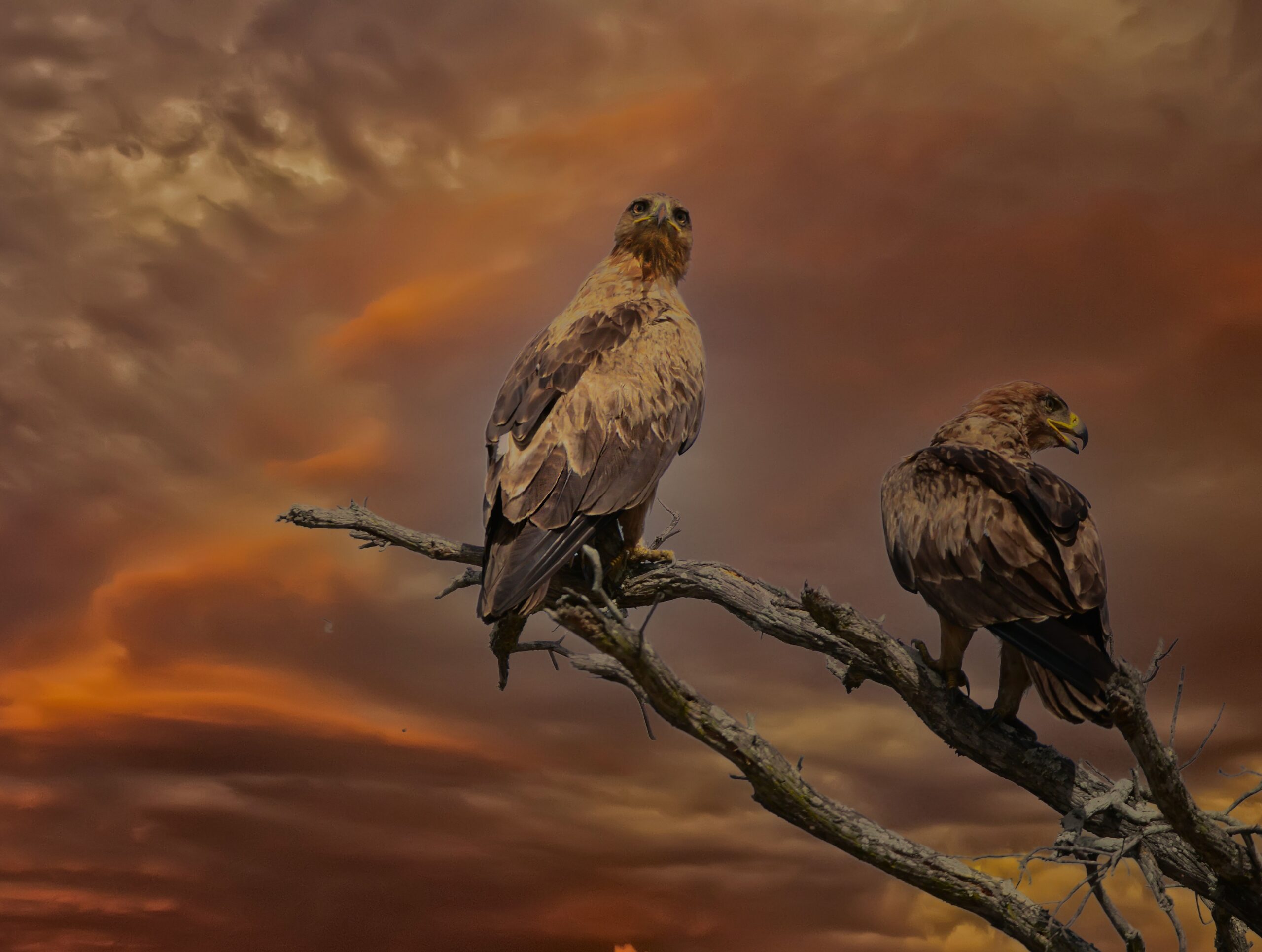
イヌワシは黒褐色や暗褐色で後頭の羽衣は光沢のある黄色。尾羽基部を被う羽毛は淡褐色。幼鳥は後頭から後頸にかけて淡褐色の縦縞が入ります。主な生息地は森林や草原などで常に獲物を探しています。上空から獲物を発見すると、翼をすぼめ急降下して捕らえるため、獲物は気づく前に捕食されてしまうのです。山地などでつがいで生活をしていますので多く観察もされます。
1. 外見の特徴
- 体の大きさ:
- 全長:75〜90 cm
- 翼開長:1.8〜2.3 m(成鳥の翼はとても大きく、飛翔時に迫力がある)
- 体重:3〜6.5 kg
- 羽の色:
- 全体は濃い茶色
- 頭部・首の後ろに金色の羽毛があり、日光で輝く → 「Golden Eagle」の由来
- 尾羽は濃褐色で先端がやや淡色
- くちばし・爪:
- 鋭く曲がったくちばしで獲物を裂く
- 強力な爪(タロン)で獲物を捕まえる
- 目:
- 黄色い瞳で視力は非常に鋭い
- 高空からでも小動物を見つけられる
2. 行動・生態
- 狩り:
- 主に地上の哺乳類(ウサギ・リス・モルモットなど)や鳥類を捕食
- 高空から急降下して獲物を捕まえる「空中狩り」が得意
- 単独またはつがいで行動することが多い
- 巣作り:
- 樹上や断崖に大きな巣(高さ1〜2 m、幅2〜3 m)を作る
- 同じ巣を長年にわたり再利用することがある
- 繁殖:
- 1回の繁殖で1〜3羽の雛を産む
- 両親で交代して雛を育てる
3. 性格・性質
- 知能: 高く、狩りや巣作りで戦略的行動をする
- 警戒心: 非常に鋭敏で、人間や外敵に敏感
- 飛翔: 滑空能力が高く、風を使って長距離を飛ぶ
- 社会性: 基本的に単独行動だが、つがいで生活する
生態はどんな感じ?
イヌワシの餌は動物食で、ノウサギなどの哺乳類、猛禽類、鳥類、ヘビなどの爬虫類、動物の死骸などを食べて生活をします。繁殖形態は卵生。木の上で巣を作ることで卵を産みます。営巣場所が限られるため毎年同じ巣を使うことが多いです、抱卵日数は2か月くらい。寿命は20年~25年と言われています。
1. 行動と活動範囲
- 昼行性:日中に狩りや移動を行う
- 単独またはつがいで生活:社会性は低く、基本的に孤独だが繁殖期はつがいで協力
- 縄張り性:繁殖期には広い縄張りを持ち、他のイヌワシの侵入を避ける
- 飛翔能力:
- 滑空能力が非常に高い
- 上昇気流を使い、長距離をエネルギーを節約して移動
- 狩りの際は急降下で獲物を捕らえる
2. 食性(何を食べるか)
- 主食:中型の哺乳類
- ウサギ、リス、モルモット、カモシカの子供など
- その他:鳥類(カモ、ガチョウ、カラスなど)
- 捕食方法:
- 高空から急降下して獲物を捕らえる
- 地上の小動物を見つけて急襲
- 強力な爪で捕獲し、くちばしで裂いて食べる
3. 繁殖と巣作り
- 巣作り:
- 樹上や断崖に大きな巣を作る
- 長年にわたり同じ巣を使用することがある
- 繁殖期:春〜初夏(地域による差あり)
- 卵の数:1〜3個
- 育雛:
- 両親で協力して雛を育てる
- 雛は巣で1〜2か月ほど親と過ごした後、飛行訓練をして独立
4. 移動と分布
- 季節移動:
- 北方の個体は冬季に低地や平野に移動することがある
- 日本の北海道では、冬季に比較的低地に降りる個体も
- 生活圏:
- 山岳地帯、開けた草原や渓谷
- 森林よりも視界が広く、狩りに適した開けた土地を好む
換羽について
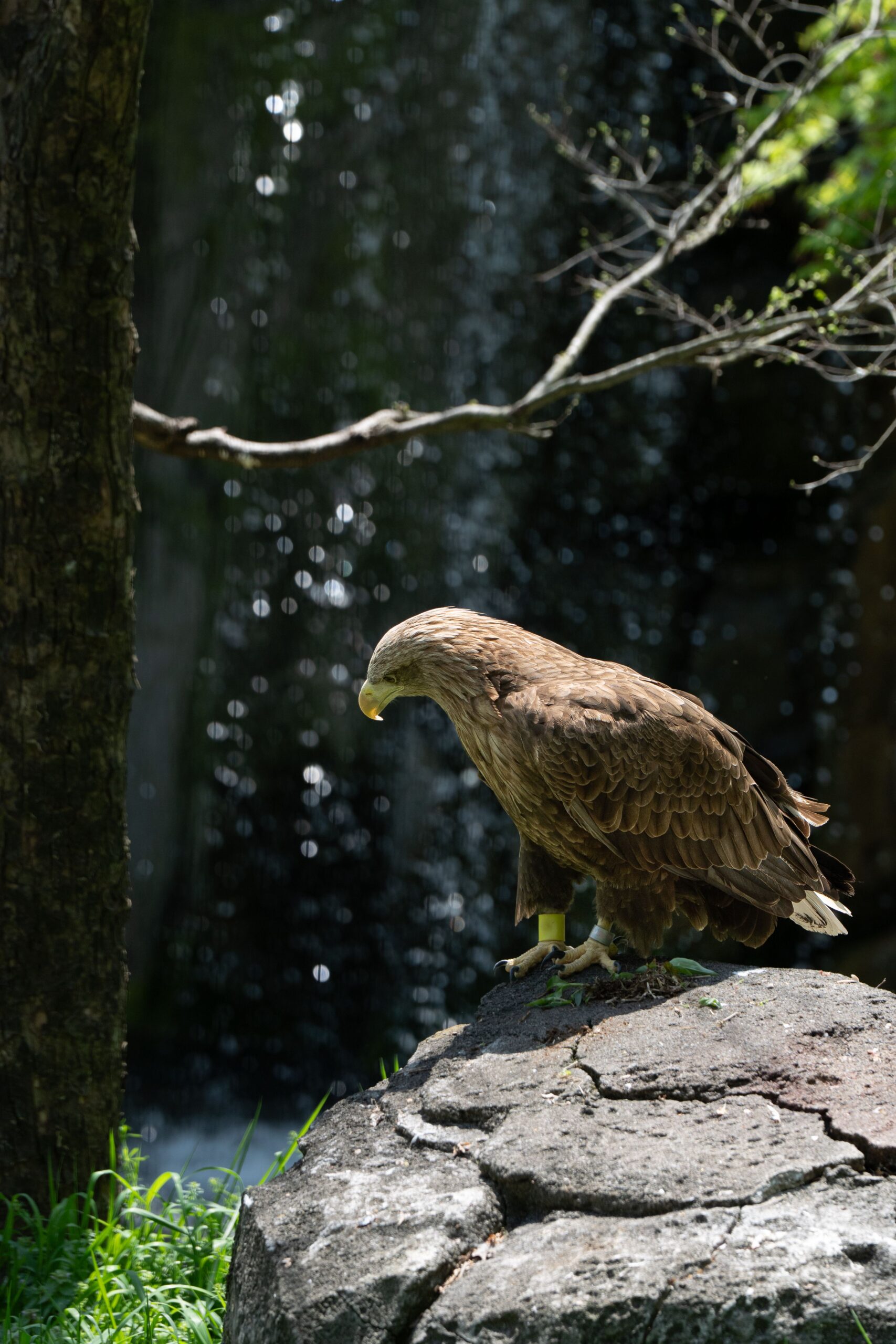
イヌワシ(Aquila chrysaetos)の換羽(かんう)とは、古くなった羽を抜き、新しい羽に生え替える生命活動です。飛翔能力や狩猟能力を維持するために、イヌワシにとって非常に重要な周期的変化です。
1. イヌワシの換羽の時期
成鳥のイヌワシは主に、
春〜秋(おおむね4月〜10月頃)
にかけて換羽します。
理由は、冬の厳しい環境を終え、繁殖期から育雛期にかけてエネルギーを使いながら、同時に羽を更新するためです。
ただし、猛禽類は一度に大量の羽を失うと飛べなくなるため、少しずつ時間をかけて交換します。
2. 換羽の仕組み
羽は以下の順番で交換されます。
① 古い羽が弱る
- 紫外線
- 摩擦
- 雨や雪
- 飛行による負荷
によって羽の構造が劣化します。
↓
② 羽根の根元が緩む
体は新しい羽を作り始め、古い羽を押し出します。
↓
③ 新しい羽(筆毛)が伸びる
最初は血液が通った「筆毛」という状態で、成長すると硬い羽になります。
↓
④ 完全な飛翔羽になる
新しい風切羽が完成すると、飛行性能が回復します。
3. 翼の羽は全部同時に抜けない
イヌワシのような大型猛禽類は、特に重要な羽を順番に交換します。
主な羽:
- 初列風切羽(しょれつかざきり)
- 翼の先端部分
- 高速飛行・急旋回に重要
- 次列風切羽
- 翼の内側
- 滑空能力に関係
- 尾羽
- 方向転換・ブレーキに重要
換羽中でも狩りができるよう、左右の翼をバランスよく少しずつ更新します。
4. 若鳥から成鳥になるまでの換羽
イヌワシは成長過程で何度も羽色が変化します。
0歳(幼鳥)
- 全体的に黒褐色
- 翼に白斑がある
- 尾も白色部分が目立つ
↓
1〜5歳
毎年換羽しながら、
- 白斑が減少
- 頭部が黄金色になる
- 体色が成鳥へ近づく
↓
約5〜7歳
完全な成鳥羽になります。
このため、野外では羽模様を見ることで年齢を推定できます。
鳴き声について
イヌワシ(Aquila chrysaetos)の鳴き声は、見た目の「空の王者」という印象とは少し違い、意外にも高く細い声を出します。大型猛禽類の中では比較的声を出す種類ですが、普段は非常に静かな鳥です。
1. 代表的な鳴き声
イヌワシの声は主に以下のように表現されます。
「ピィー、ピィー」
- 高く澄んだ声
- 短く繰り返す
- 飛行中や仲間との連絡に使う
「キィー、キィー」
- 警戒時
- 縄張りへの侵入者への反応
「クィッ、クィッ」
- つがい間のコミュニケーション
- 親子間の呼びかけ
大型の体からは想像しにくい、猛禽類特有の鋭い笛のような声です。
2. なぜ大型なのに低い声ではないのか?
ライオンやクマのような大型動物は低い声を出しますが、鳥類では事情が違います。
鳥の声は、
- 体の大きさ
- 気管の長さ
- 発声器官(鳴管)の構造
によって決まります。
イヌワシは体長80〜90cm、翼開長2m以上の大型鳥ですが、発声器官は猛禽類としてはシンプルで、遠くまで届く高音域の声を使います。
3. 鳴く場面
① つがいのコミュニケーション
イヌワシは一夫一妻で、同じ縄張りを長期間維持します。
離れて飛ぶとき、
「自分はここにいる」
という合図として鳴き交わします。
② 縄張り防衛
他のイヌワシや大型猛禽が侵入すると、
- 急降下
- 翼を広げる威嚇
- 鳴き声
で追い払います。
特に繁殖期は縄張り意識が強くなります。
③ 幼鳥の要求声
巣のヒナは親鳥に対して、
- 餌を求める声
- 親を呼ぶ声
を出します。
幼鳥の鳴き声は成鳥より頻繁で、親が近づくと活発になります。
季節別の活動
イヌワシ(Aquila chrysaetos)の季節ごとの活動は、繁殖・狩猟・換羽・縄張り維持によって大きく変化します。日本のイヌワシ(亜種 Aquila chrysaetos japonica)では、特に山岳環境の季節変化に合わせた生活サイクルを持っています。
春(3月〜5月)
繁殖開始・縄張り防衛の季節
春はイヌワシにとって一年で最も重要な時期です。
主な活動
- つがいでの飛翔(ディスプレイ飛行)
- 縄張り確認
- 巣の修復
- 産卵・抱卵
求愛飛行(ディスプレイ)
春先には、
- 高高度まで上昇
- 急降下
- 翼を反転させる
- 互いに追いかける
といった「波状飛行」を行います。
これは、
- つがいの絆を確認
- 他個体への縄張り主張
- 繁殖準備
の意味があります。
産卵
日本では一般的に、
2月〜4月頃
に産卵します。
卵は通常1〜2個ですが、多くの場合、育つ幼鳥は1羽が中心です。
夏(6月〜8月)
育雛・狩猟能力が最も求められる季節
夏は親鳥にとって非常に忙しい時期です。
主な活動
- ヒナへの給餌
- 頻繁な狩り
- 巣周辺の警戒
- 換羽開始
親鳥の狩り
獲物として、
- ノウサギ
- ヤマドリ
- ヘビ
- キジ類
- 小型哺乳類
などを捕らえます。
ヒナが成長するにつれ必要な餌量が増えるため、親鳥は一日に何度も狩りに出ることがあります。
幼鳥の成長
夏後半になると、
- 羽ばたき練習
- 巣の周辺飛行
- 狩猟訓練
を始めます。
秋(9月〜11月)
独立・換羽・縄張り調整の季節
秋は若鳥にとって大きな転換期です。
幼鳥
生後約3〜4か月ほどで巣立ち、その後しばらく親から狩りを学びます。
学習内容:
- 獲物の探し方
- 急降下のタイミング
- 風の利用
- 危険回避
数か月後には親の縄張りから離れていきます。
成鳥
秋は換羽が進む時期です。
交換されるもの:
- 翼の風切羽
- 尾羽
- 体羽
新しい羽を作るため、狩りよりも効率的な飛行を選ぶ傾向があります。
冬(12月〜2月)
生存と縄張り維持の季節
冬は繁殖準備へ向かう重要な時期です。
主な活動
- 縄張り巡回
- つがい行動
- 獲物探索
- 求愛準備
雪山では獲物が減るため、イヌワシは視力を最大限利用します。
高空から、
- 雪の上の動き
- 岩場の小動物
- 開けた斜面
を探します。
飛行速度について
イヌワシ(Aquila chrysaetos)の飛行速度は、飛び方によって大きく変わります。普段の滑空では効率を重視し、狩りでは一気に速度を上げる「空のハンター」です。
1. 通常飛行(水平飛行)
約45〜60km/h程度
イヌワシが普段、縄張りを巡回したり移動したりするときの速度です。
特徴:
- 大きな翼でゆっくり羽ばたく
- 上昇気流を利用して滑空する
- 長時間飛び続けることができる
翼開長2mを超える大型鳥なので、小型の鳥のように高速で羽ばたくよりも、風を利用した省エネ飛行を得意とします。
2. 滑空速度
約50〜80km/h程度
イヌワシが最も得意とする飛び方です。
山岳地帯では、
- 斜面上昇気流
- 谷間の風
- 温かい上昇気流
を利用して、ほとんど羽ばたかずに高度を維持します。
この能力により、長時間空中から獲物を探すことができます。
3. 狩猟時の急降下速度
最高速度:約240〜320km/hに達するとされる
狩りでは、上空から獲物を発見すると翼をたたみ、急降下します。
この時、
- 重力による加速
- 翼の形状変化
- 空気抵抗の制御
によって非常に高速になります。
ただし、世界最速の鳥として知られるハヤブサ(急降下で300km/h以上、記録では400km/h超)ほど専門的な高速急降下型ではありません。
イヌワシは、
「最高速度」よりも「大型の体・強力な脚・正確な攻撃力」
を武器にするタイプです。
イヌワシのヒナについて
イヌワシの ヒナ(雛)の生態や成長過程 について詳しくまとめます。
1. 卵と孵化
- 産卵時期: 春〜初夏(日本では4〜5月頃)
- 産卵数: 1〜3個
- 卵の特徴:
- 白〜淡いクリーム色
- 茶色い斑点があることも
- 孵化までの期間: 約40〜45日
2. 雛の成長
- 孵化直後:
- 体は小さく、羽毛は薄い産毛
- 目は半分閉じており、親鳥が温めて守る必要がある
- 2〜3週間:
- 産毛が羽に変わり、体が急速に大きくなる
- まだ飛ぶことはできないが、親から餌をもらう
- 1か月半〜2か月:
- 飛行訓練を始める
- 親鳥の指導のもと、滑空や短距離飛行を練習
- 独立:
- 孵化から約2〜3か月で巣立ち
- 完全に狩りができるようになるまで、親が餌を与える
3. 雛の特徴
- 羽色: 成鳥よりも淡い茶色
- 目: 黄色ではなく灰色っぽい
- 体格: 成長とともに徐々に大きくなり、翼や尾羽が発達
- 性格: 好奇心が強いが、まだ警戒心は低く、巣の外では無防備
4. 親との関係
- 保護: 親は巣の外敵から雛を守る
- 餌やり: 親が狩った獲物を雛に与える
- 訓練: 狩りや飛行のスキルを教える
イヌワシは絶滅危惧種なのか?
イヌワシは絶滅危惧種ではありません。そのかわりにワシントン条約にも掲載されておりますので国際取引で制限を受けています。ワシやクマタカは減少したため、個体群は広く保護されるようになります。自然保護の調査や活動が活発になっております。
1. 世界的な保全状況
- IUCNレッドリスト(国際自然保護連合)
- 分類:Least Concern(LC) → 世界的には絶滅の危険は低い
- 理由:分布域が広く、世界全体では安定している個体数が多い
- ただし、地域によっては個体数が減少していることがあります
2. 日本における保全状況
- 環境省レッドリスト(日本)
- 分類:絶滅危惧IB類(EN)
- 理由:
- 北海道に限られた分布
- 森林伐採や人間活動による生息地の減少
- 獲物の減少や交通事故などの脅威
- 保護策:
- 繁殖地の保護
- 個体数調査と生息地管理
- 人間による干渉の制限(巣の近くでの開発や林業の制限など)
3. 日本での個体数
- 北海道で繁殖する個体数:約100〜200羽程度
- 国内での分布は非常に限られ、希少性が高い
イヌワシはペットとして飼育できる?
イヌワシはペットとして飼育できる?飼えないことはないですが許可を必要とするケースがとても多いです。これは人や家畜などを襲うこともあり、捕食するから。決して簡単ではないので、一般人にはおすすめできません。動物園などイベントの案内で鑑賞がおすすめ。
1. 法律上の規制
- 日本では猛禽類は特別な許可が必要
- イヌワシは野生鳥獣保護法により保護対象
- 無許可での捕獲や飼育は 違法
- 飼育できるのは、特別な目的(研究、教育、飼育施設など)で 都道府県知事の許可 を受けた場合のみ
2. 生態的な理由
- 大型で狩猟本能が強い
- 体重3〜6 kg、翼開長2 m前後
- 鋭い爪とくちばしで獲物を捕まえる
- 家庭環境では危険で制御不能
- 広い縄張りを必要とする
- 自然界では何十平方キロメートルも飛び回る
- ケージや室内では健康やストレス管理が困難
3. 餌や環境の問題
- 食事: 野生動物(ウサギ・鳥類など)が主
- ペット用の餌では栄養が不足しがち
- 環境: 高所の巣や広い滑空スペースが必要
- 屋内飼育や狭い庭では不可能
飼育されている動物園(日本・世界)
イヌワシ(Aquila chrysaetos)は、日本でも世界でも飼育例がある大型猛禽類です。ただし、ライオンやゾウのように一般的な展示動物ではなく、広い飛翔スペース・専門的な飼育技術が必要なため、飼育施設は限られています。
🇯🇵 日本でイヌワシを見られる主な施設
多摩動物公園(東京都)
日本のイヌワシ飼育・繁殖研究の中心的存在です。
特徴:
- ニホンイヌワシの飼育・繁殖実績がある
- 1998年に初めて繁殖に成功
- 約30年にわたり国内飼育下個体群の維持に貢献
- 保護増殖や野生復帰研究にも関与
多摩動物公園では、環境省の保護増殖事業とも関連した取り組みが行われています。
千葉市動物公園(千葉県)
イヌワシを展示している施設の一つです。
展示では、
- 翼開長約2mにもなる体格
- 鋭い爪
- 大型猛禽類特有の姿
を間近で観察できます。
いしかわ動物園(石川県)
「イヌワシの谷」という展示エリアがあり、イヌワシを飼育展示しています。
日本海側の山岳地域に生息するニホンイヌワシを知る場として、保全教育にも力を入れています。
🌎 世界でイヌワシを飼育している代表的施設
San Diego Zoo(アメリカ)
北米最大級の動物園の一つ。
イヌワシを含む猛禽類の保護・教育活動を行っています。
特徴:
- 広い鳥類展示施設
- 野生動物保護研究
- 教育プログラム
The Peregrine Fund World Center for Birds of Prey(アメリカ)
猛禽類専門の保護施設です。
活動:
- ワシ類の保護
- 繁殖研究
- 野生復帰支援
- 猛禽類教育
イヌワシを含む大型猛禽類の保全で世界的に知られています。
Tierpark Berlin(ドイツ)
ヨーロッパでも大型猛禽類の展示・飼育を行う代表的な動物園です。
Cotswold Falconry Centre(イギリス)
猛禽類専門施設。
特徴:
- イヌワシを含む猛禽類展示
- フライトショー
- 飼育下での行動観察

他の動物を紹介
コメント