カワゴンドウはどんな動物?特徴、生態、生息地について解説します。東南アジアのイルカで一部はオーストラリアの北部でも見られるので生息地域はとても広いのですが、実は絶滅危惧種に指定されていると言う実態があります。その詳細について迫ってみましょう。


カワゴンドウとは? 基本ステータスについて
カワゴンドウはクジラ目ハクジラ亜目マイルカ科カワゴンドウ属に属する海棲哺乳類。漢字では河巨頭、英名はIrrawaddy Dolphinで学名はOrcaella brevirostris。情報の一覧は以下の通り。全長は2m以上あり体重は100kgを超えます。
| Japanese(和名) | カワゴンドウ |
| English(英名) | Irrawaddy Dolphin |
| scientific name(学名) | Orcaella brevirostris |
| classification(分類) | Mammalia、Odontoceti、 Delphinidae、Orcaella 哺乳綱、ハクジラ亜目、マイルカ科、カワゴンドウ属 |
| IUCN Status(保全状況) | ENDANGERED |
| Length(体長) | 2m |
| Weight(体重) | 130kg |
カワゴンドウのルーツ、起源は?
カワゴンドウ(イラワジイルカ/学名:Orcaella brevirostris)のルーツは、シロイルカとは大きく異なり、海にいたハクジラの仲間が沿岸や河川環境へ進出して進化したイルカです。見た目はベルーガに少し似ていますが、進化的には近縁ではありません。現在の分類では**マイルカ科(Delphinidae)**に属します。
1. カワゴンドウの進化ルート
大きな流れは、
陸上哺乳類(約5000万年前)
↓
原始クジラ類(海へ進出)
↓
ハクジラ類(約3000万年前以降)
↓
マイルカ科の祖先
↓
沿岸性イルカ類
↓
カワゴンドウ属(Orcaella)
という進化です。
つまりカワゴンドウは、
「川で生まれたイルカ」ではなく、海のイルカが川へ戻っていった存在
です。
2. 祖先はどんなイルカだったのか?
カワゴンドウの祖先は、おそらく中新世(約2300万〜530万年前)の海にいた原始的なマイルカ類です。
当時の海では、
- 魚を追う高速型イルカ
- 沿岸で暮らす小型イルカ
- 浅海に適応するイルカ
などが多様化していました。
その中で一部の系統が、
- 河口
- 湾
- マングローブ地帯
- 大河川の下流域
へ進出しました。
3. なぜ川へ進出したのか?
カワゴンドウが川へ入った理由は、主に環境適応です。
① 餌が豊富だった
河口や大河川には、
- 小魚
- エビ
- カニ
- 貝類
が多くいました。
特に濁った水では、大型の海洋捕食者が少なく、競争相手も少なかったと考えられます。
② 海岸の浅瀬に適応した
カワゴンドウは完全な淡水イルカではありません。
生活場所:
- 海岸
- 河口
- 汽水域
- 一部の大河川
です。
代表的な生息地:
- ミャンマー:イラワジ川
- カンボジア・ラオス:メコン川
- インドネシア:マハカム川
などです。
分類について
カワゴンドウは1866年、リチャード・オーウェンにより新種として報告されたことで認知されました。遺伝子学的にはイルカと言うよりはシャチに近いことがわかっています。オーストラリアにはオーストラリアカワゴンドウがおり、別の種として認知されるようになってきております。
カワゴンドウの分類学
- 界(Kingdom): 動物界 (Animalia)
- 門(Phylum): 脊索動物門 (Chordata)
- 綱(Class): 哺乳綱 (Mammalia)
- 目(Order): 鯨偶蹄目 / 鯨目 (Cetacea)
- 亜目(Suborder): 歯鯨亜目 (Odontoceti)
- 科(Family): ハクジラ科 (Delphinidae)
- 属(Genus): ゴンドウクジラ属 (Orcaella)
- 種(Species):
- カワゴンドウ(淡水系個体群): Orcaella brevirostris
- 近縁種: 海洋性のゴンドウクジラ (Orcaella brevirostris) とは同種だが、生息域が川や沿岸域に限定される。
生息地について
分布は東南アジア(インド,バングラデシュ,ミャンマー,タイ,インドネシア,カンボジア,フィリピン)とオーストラリアの北部になります。カワゴンドウはメコン川やエーヤワディ川などでも出没します。
主な生息地
- アジア大陸の河川
- メコン川(ラオス、カンボジア、タイ、ベトナム)
- 世界でもっとも知られる淡水個体群。絶滅危惧種に指定されており、生息数は数百頭程度と推定されています。
- インダス川(パキスタン)
- 小規模な個体群が生息しているが、数は非常に少ない。
- メコン川(ラオス、カンボジア、タイ、ベトナム)
- インドの河川
- ガンジス川下流域
- 一時期報告があるが、近年では生息数が激減している可能性があります。
- ガンジス川下流域
- 東南アジアの沿岸・汽水域
- マレーシア、インドネシアの河口域やラグーン
- 淡水と海水が混じる汽水域に適応している個体群。
- マレーシア、インドネシアの河口域やラグーン
- 中国
- 長江(Yangtze River)
- 過去には「揚子江カワイルカ」と呼ばれた個体群がいたが、現存個体はほぼ絶滅状態とされる。
- 長江(Yangtze River)
生息環境の特徴
- 淡水域: 河川の中流~下流域で、水流は比較的緩やか。
- 汽水域: 川の河口やラグーンなど、海水と淡水が混ざる場所。
- 水深: 比較的浅く、底が見えるような河川で魚類を捕食。
- 人間活動の影響: ダム建設、船舶の交通、水質汚染によって生息地が狭まっている。
特徴は?どんな感じの生物なのか?
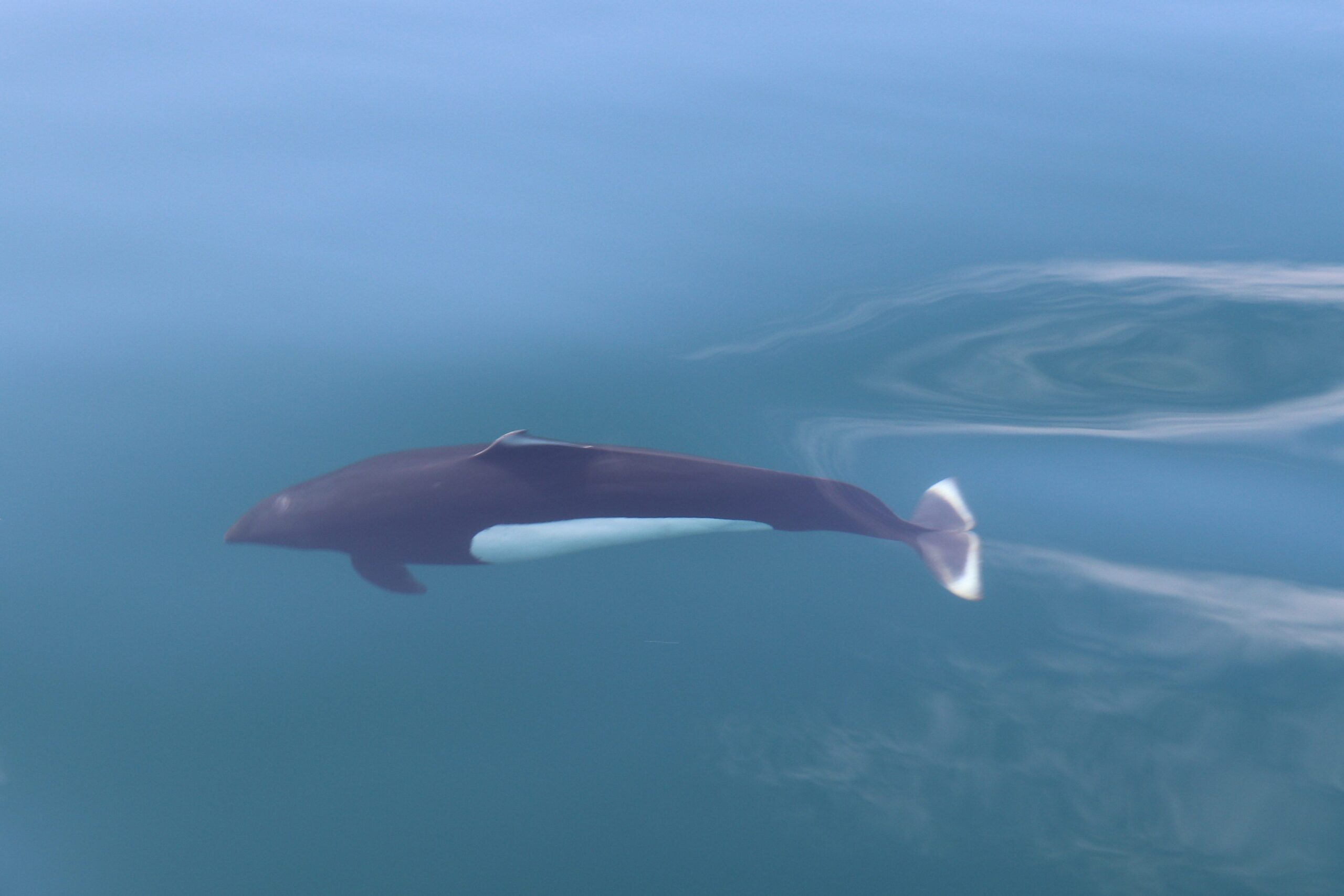
カワゴンドウはクチバシがなく、スナメリやシロイルカに似ています。全身は茶色になっており腹側は明るい色になっています。口唇部が柔軟で口から水を吹き出すことができると言う特徴を持っています。ベンガル湾からオーストラリア北部の暖かい沿岸海域や河を好みこのイルカは生息しています。カワゴンドウは回転するようにして上昇し、潜水する時のみ尾びれを水面上に上げて泳ぐと言う特徴があります。
1. 体の特徴
- 大きさ
- 成体は 体長約2〜2.5 m、体重は 90〜150 kg 前後。
- 体型
- 背びれは小さく丸い(ほとんど三角形ではなく、亀の甲羅のような形)
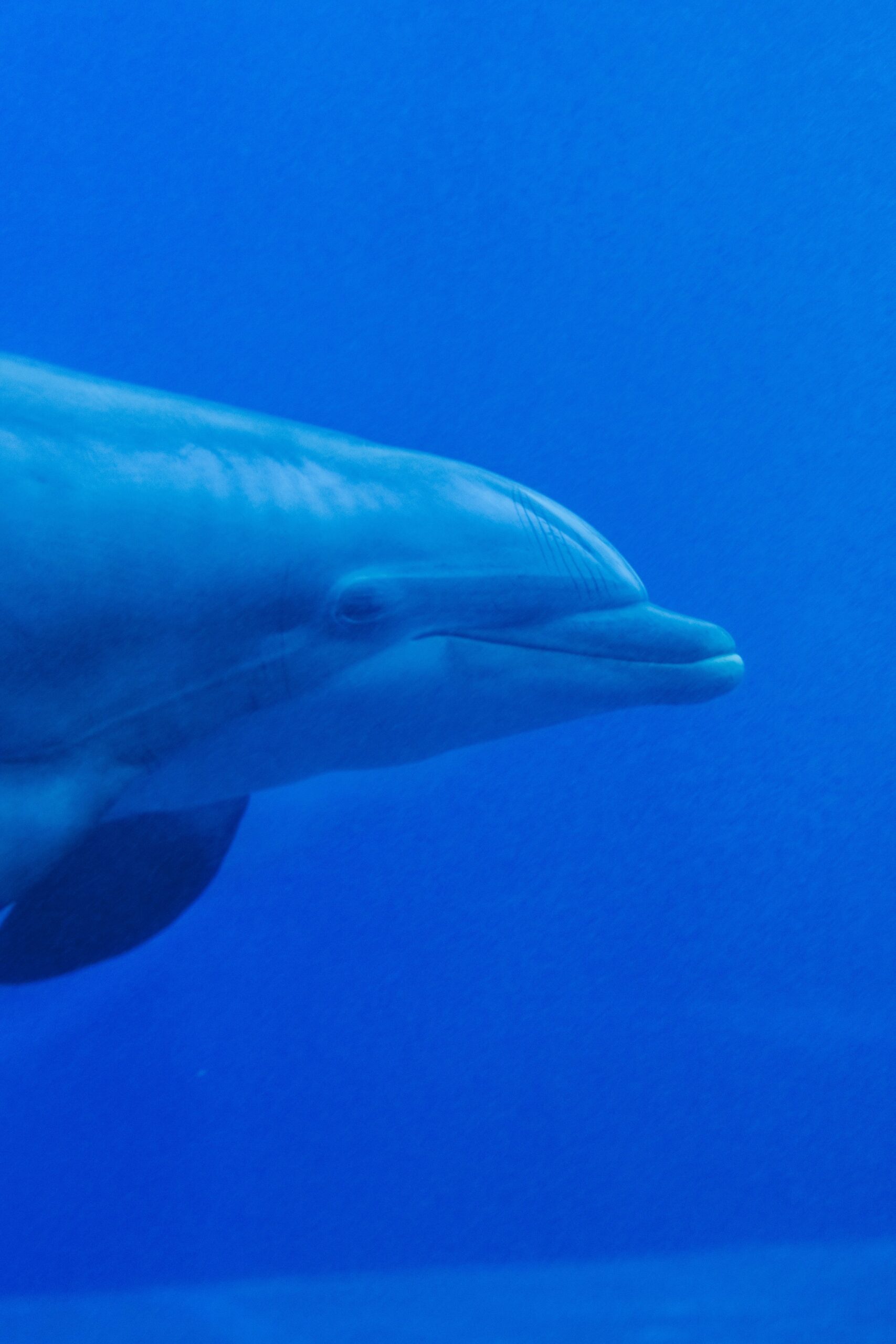
- 頭部は丸く、顔はイルカのようで短い口吻(くちばし)を持つ
- 体色は灰色〜淡い青灰色で、腹側は白っぽい
- ユニークなポイント
- ゴンドウクジラ属のため、普通のイルカより丸っこいフォルム
- 海洋性ゴンドウクジラと似ているが、淡水型は体がやや小さめで細身
2. 行動・生態
- 群れ
- 小規模(5〜20頭ほど)で行動することが多い
- 食性
- 魚類や小型の甲殻類を食べる
- 河川の浅い場所でも器用に魚を捕まえられる
- 遊泳
- 河川では速く泳ぐというより、ゆったりとした動きで生活
- 鳴き声
- 高い音のクリックや鳴き声でコミュニケーションをとる
- 繁殖
- 母親が子どもを長く世話する
- 一度に1頭の子を産む
3. 生態の特徴
- 淡水や汽水域に適応しているため、海洋性イルカには見られない川の流れに対応した体型
- 水深の浅い場所でも泳げるよう、背びれは小さめで流れの抵抗を受けにくい
- 人間の生活圏に近い河川にいるため、船や漁業の影響を強く受ける
性格はどんな感じなのか?
カワゴンドウは他のイルカと同じようにとても温厚で穏やかな性格をしています。
カワゴンドウの性格・行動傾向
- おとなしく穏やか
- 川の中でゆったりと泳ぐことが多く、急に攻撃的になることはほとんどない
- 人間に対しても比較的おとなしく、好奇心から近づいてくることもある(ただし野生個体の場合は接触は危険)
- 好奇心が強い
- 船や釣り人のそばに寄ってくることがあり、周囲の変化に敏感
- 水面に浮かぶ物体や泡に反応して遊ぶこともある
- 社会性がある
- 小規模の家族群や親子群で生活
- 仲間とのコミュニケーション(鳴き声やクリック音)が活発
- 群れの中で子どもを守ったり世話をする協調行動が見られる
- 臆病な面もある
- 強い流れや船の騒音、大規模な漁業活動には敏感に反応
- 危険を感じると群れで急に逃げる
- 遊び好き
- 水面でジャンプしたり、尾びれや体で水をはねるような行動が観察されている
- 河川環境では浅瀬で魚と追いかけっこをするような遊びも
生態はどんな感じなのか?
カワゴンドウは主にイカ、魚。水底の生き物を食べることで生活をしています。寿命は約30年です。
1. 生息環境
- 淡水河川:中流~下流域、浅い場所や湾曲した水路で生活
- 汽水域:河口やラグーンなど、淡水と海水が混ざる場所でも生活
- 水深:浅めの川でも魚を捕ることができる
- 人間活動の影響:船の通行、漁業、水質汚染、ダム建設により生息環境が制限される
2. 食性(何を食べるか)
- 主に魚類(コイ、ナマズ、淡水魚など)
- 小型甲殻類も捕食
- 捕食方法
- 群れで協力して魚を追い込み、捕まえる
- 河川では水深が浅いため、ジャンプや旋回を使って魚を狩る
3. 行動
- 群れで生活:通常は5〜20頭ほどの小規模な群れ
- 遊泳パターン:川ではゆったり泳ぐことが多く、急激な移動は少ない
- 鳴き声・コミュニケーション:
- 高周波のクリック音や笛のような鳴き声で仲間と連絡
- 河川の環境に合わせて音を変えている可能性
4. 繁殖
- 妊娠期間:10〜12か月程度
- 出産:1度に1頭の子ども
- 子育て:母親が中心になって長期間世話する
- 性成熟:雌は約5〜10年で、雄はそれより少し遅い
5. 適応と特徴
- 背びれが小さい → 流れのある浅い河川で泳ぎやすい
- 体が丸く小さめ → 河川での移動や捕食に適応
- 臆病で警戒心が強い → 船や人間の接近に敏感
天敵はいるのか?
カワゴンドウはサメが最大の脅威になります。
潜水について
カワゴンドウ(イラワジイルカ)の潜水能力は、シロイルカやハンドウイルカのような「深海潜水型」ではなく、浅い河川・沿岸域で獲物を探すために発達した潜水能力が特徴です。
潜水時間
- 通常:約1〜3分程度
- 長い場合:5〜6分ほど
カワゴンドウは長時間潜るよりも、
- 水中を細かく探索する
- 短い潜水を繰り返す
タイプです。
河川・沿岸部
通常:
- 数m〜20m程度
深い場所では:
- 数十m程度
まで潜ることがあります。
生息環境が、
- メコン川
- イラワジ川
- 河口域
- マングローブ周辺
などの浅い水域中心なので、数百m級の潜水能力は必要ありません。
なぜ深く潜らないのか?
カワゴンドウの狩場は深海ではなく、
- 川底付近
- 浅い沿岸
- 泥底
- 岩場
です。
獲物も、
- 小魚
- エビ
- カニ
- 軟体動物
などで、深く追跡する必要がありません。
鳴き声について
カワゴンドウ(イラワジイルカ)の鳴き声は、シロイルカのような「歌うような多彩な声」とは少し違い、濁った河川や沿岸で生きるための高性能な音響システムとして発達しています。
① クリック音(パルス音)
最も重要な音です。
用途:
- 魚の位置確認
- 川底や岩の探索
- 仲間との距離確認
- 障害物の検知
仕組み:
音を発射
↓
物体に反射
↓
戻ってきた音を分析
↓
周囲の状況を把握
します。
濁った川では視力より音が重要です。
② パルス状の高周波音
カワゴンドウのクリック音は非常に高い周波数を含みます。
特徴:
- 短い音を高速連続発射
- 狭い範囲を正確に探査
- 小さな魚も検出可能
特に、
- 泥底
- マングローブ
- 流れのある場所
で威力を発揮します。
③ ホイッスル音(口笛音)
イルカ類によく見られる音です。
用途:
- 仲間との連絡
- 群れの維持
- 社会的交流
カワゴンドウは社会性が高く、数頭〜数十頭の群れで行動するため、音による連携が重要です。
どうやって音を出すのか?
人間の声帯とは違います。
カワゴンドウは、
鼻の奥にあるフォニックリップ(発音器官)
を使います。
流れ:
- 鼻から空気を移動
- 発音器官を振動
- 頭部の「メロン」で音を集中
- 水中へ放射
します。
季節別の活動
カワゴンドウ(イラワジイルカ)の季節ごとの活動は、シロイルカのような大規模な「北極の季節移動」ではなく、雨季・乾季による河川環境の変化に強く影響されます。
🌱 春(3〜5月):乾季の終わり・餌探しの季節
※地域によって差があります
主な活動
- 深い場所へ集まる
- 餌を探す時間が増える
- 群れで行動する
乾季の終盤は川の水量が減り、
- 浅瀬が増える
- 魚の移動ルートが変化する
ため、カワゴンドウは水深のある場所や淵(深み)を利用します。
行動特徴
エコーロケーションを多用
水が少なくなると、
- 岩
- 流木
- 川底
などの障害物が増えるため、クリック音による探索が重要になります。
☔ 夏(6〜9月):雨季・活動が活発になる時期
熱帯地域では最も大きな環境変化があります。
河川が増水
雨季になると、
- 川幅が広がる
- 水深が増える
- 餌の種類が増える
ため、活動範囲が広がります。
餌を追って移動
雨季には魚が、
- 支流
- 浅瀬
- 沿岸部
へ移動します。
カワゴンドウもそれを追って、
- 支流へ入る
- 河口へ移動する
- 新しい餌場を利用する
ことがあります。
子育ての時期
多くの地域で、
- 出産
- 子育て
が見られます。
子どもは母親から、
- 泳ぎ方
- エコーロケーション
- 餌の探し方
を学びます。
🍂 秋(10〜11月):水位低下・移動の季節
雨季が終わると、
- 川の水位が下がる
- 魚の分布が変化する
ため、行動範囲も変わります。
主な活動
- 餌場の変更
- 深場への移動
- 群れの再編
魚を効率的に捕る
水位低下により、
魚が限られた場所に集まりやすくなるため、
- 群れで追い込む
- 浅瀬で探索する
行動が増えます。
❄️ 冬(12〜2月):乾季・省エネルギーの季節
熱帯ではありますが、乾季になります。
主な活動
- 決まった深場を利用
- 移動距離を減らす
- 餌場を集中利用
します。
河川個体群では特に重要
メコン川などでは乾季に水位が大きく下がり、
- 生息範囲が狭まる
- 個体が集中する
- 人間活動の影響を受けやすい
という問題があります。
遊泳速度について
カワゴンドウ(イラワジイルカ)の遊泳速度は、ハンドウイルカのような高速遊泳型ではなく、狭く複雑な河川環境で小回りを利かせる低速・高機動型です。
通常速度
約3〜8 km/h
普段はこの程度の速度で泳ぎます。
用途:
- 餌を探す
- 仲間と移動する
- 河川内を巡回する
カワゴンドウは「追いかけて捕まえる」よりも、音で獲物を探して近づく狩りが得意です。
巡航速度(移動時)
約5〜10 km/h程度
河川や沿岸を移動するときは、体力を温存するため一定速度で泳ぎます。
移動範囲は、
- 川の深み
- 河口域
- 沿岸の浅場
など環境条件によって変化します。
最高速度
約20〜25 km/h程度
短時間なら加速できます。
使用場面:
- 魚を追う
- 危険から逃げる
- 仲間へ急接近する
などです。
ただし、長時間高速で泳ぐ能力は発達していません。
カワゴンドウの幼獣について
カワゴンドウの幼獣(子ども)について詳しく整理すると、以下のような特徴があります。川や河口での生活に適応しているため、成獣とは少し異なる行動や生態が見られます。
1. 体の特徴
- 体長:生まれた時は 約80〜100 cm 前後
- 体重:10〜15 kg 程度
- 体色:灰色が薄く、背中側がやや濃く、腹側は白っぽい
- 背びれ:小さく、丸い形は成獣と同じ
2. 行動・性格
- 母親に依存:生まれてから1年ほどは母親のそばで泳ぎ、食べ物や危険から守られる
- 遊び好き:水面でジャンプしたり、母親や兄弟と追いかけっこをする
- 学習行動:
- 魚を追う捕食の仕方を母親から学ぶ
- 河川の流れに慣れる練習もする
- 社交性:群れの仲間とのコミュニケーションを早くから覚える
3. 生態上のポイント
- 食事:生後数か月は母乳で育つ
- 離乳:生後6〜12か月ごろに徐々に魚を食べ始める
- 成長:1〜2年で体長が倍近くになり、成獣に近い動きができるようになる
- 危険:幼獣は水深の浅い川や船舶の通行による事故、漁具への絡まりなどのリスクが高い
カワゴンドウは絶滅危惧種なのか?
カワゴンドウは絶滅危惧種に指定されています。油脂を捕ることを目的とした捕獲が最大の脅威で人間により、個体数が減っています。生息数の減少と生息域の縮小が大きな問題となっており、生息地の分断も起こっていました。2000年代の初頭にはわずか50頭前後まで激減し、完全絶滅が危惧されていました。しかし保護活動が進んでおり個体数は増え始めています。
1. 国際自然保護連合(IUCN)での評価
- 淡水河川の個体群(例:メコン川、長江)
- IUCNレッドリストで 「絶滅危惧種(Endangered, EN)」 または 「極めて危険(Critically Endangered, CR)」 に分類される個体群もあります
- 例:メコン川カワゴンドウは 絶滅危惧(EN)
- 長江カワゴンドウはほぼ絶滅状態とされる
- 海洋性の個体群
- 海沿いに生息するゴンドウクジラは VU(絶滅危惧(Vulnerable)) に分類されることもある
2. 絶滅危惧の理由
- 生息地の破壊
- ダム建設や水路改修で河川環境が分断
- 流れの速さや水深が変わり、餌場が減少
- 漁業との衝突
- 網や釣り具に絡まる事故が多発
- 魚資源の減少で食べ物が少なくなる
- 水質汚染
- 河川の工業排水や農薬による水質悪化
- 船舶の交通
- 河川での船舶通行による衝突事故
- 繁殖率の低さ
- 群れは小規模で子どもを産む頭数が少ない
カワゴンドウはペットとして飼育可能?
カワゴンドウは絶滅危惧種で一般人が飼育することができません。水族館などで鑑賞してイベントなどで案内してもらうことをおすすめします。イルカのショーで見れるのです。
1. 法律・保護の面
- 絶滅危惧種に指定されており、捕獲や販売は国際的に厳しく規制されています(CITES附属書 I または II に該当)
- 日本でも野生のカワゴンドウを捕まえて飼育することは 違法
- 海外でも基本的に 特別な研究施設や水族館のみでの飼育が許可される場合 がある
2. 生態的に飼育が困難
- 淡水や汽水域の広大な環境が必要
- 河川や河口の流れを再現することはほぼ不可能
- 食性が特殊
- 生魚を大量に食べ、捕食行動を学習する必要がある
- 社会性が高い
- 小規模な群れで生活するため、単独での飼育はストレスになる
- 健康管理が難しい
- 野生個体は病気やストレスに敏感で、人工環境で長生きさせる事例はほとんどない
3. 水族館での飼育
- 海洋性ゴンドウクジラや淡水型カワゴンドウは、専門施設で限られた個体のみ飼育
- 日本の水族館では非常に珍しく、ほとんど観察はできない
- 飼育には大規模プールや専門スタッフ、獣医の常駐が必要
飼育されている動物園(日本・世界)
カワゴンドウ(イラワジイルカ)は、シロイルカやハンドウイルカと比べて飼育例が非常に少ないイルカです。理由は、淡水・汽水環境への特殊な適応、個体数減少、国際的な保護規制などにより、現在は「展示目的の飼育」は世界的に縮小傾向にあります。
🇯🇵 日本で見られるか?
現在、日本国内でカワゴンドウを常設展示している施設はありません。
日本の水族館で多く飼育されているのは、
- ハンドウイルカ
- カマイルカ
- シロイルカ
- スナメリ
などで、カワゴンドウの飼育例は非常に珍しいです。
過去には海外から搬入された個体が展示された例がありますが、現在、日本で一般公開されている施設は確認できません。
🌏 世界で飼育例がある主な施設
🇮🇩 インドネシア:マハカム川流域周辺施設
カワゴンドウの生息地の一つであるインドネシアでは、保護・研究目的で扱われることがあります。
生息域:
- マハカム川
- 河口域
- 沿岸部
ただし、野生復帰や保護研究が中心で、一般向け展示施設とは性格が異なります。
🇰🇭 カンボジア:メコン川保護施設
メコン川のカワゴンドウは絶滅危惧状態にあり、現在は、
- 個体数調査
- 生息地保護
- 人間との衝突防止
が中心です。
展示飼育より、野生個体を守る活動が優先されています。
🇲🇲 ミャンマー:イラワジ川
名前の由来となった地域です。
過去には人間との交流展示や捕獲個体の記録がありますが、現在は保護活動が中心です。

他の動物を紹介



コメント