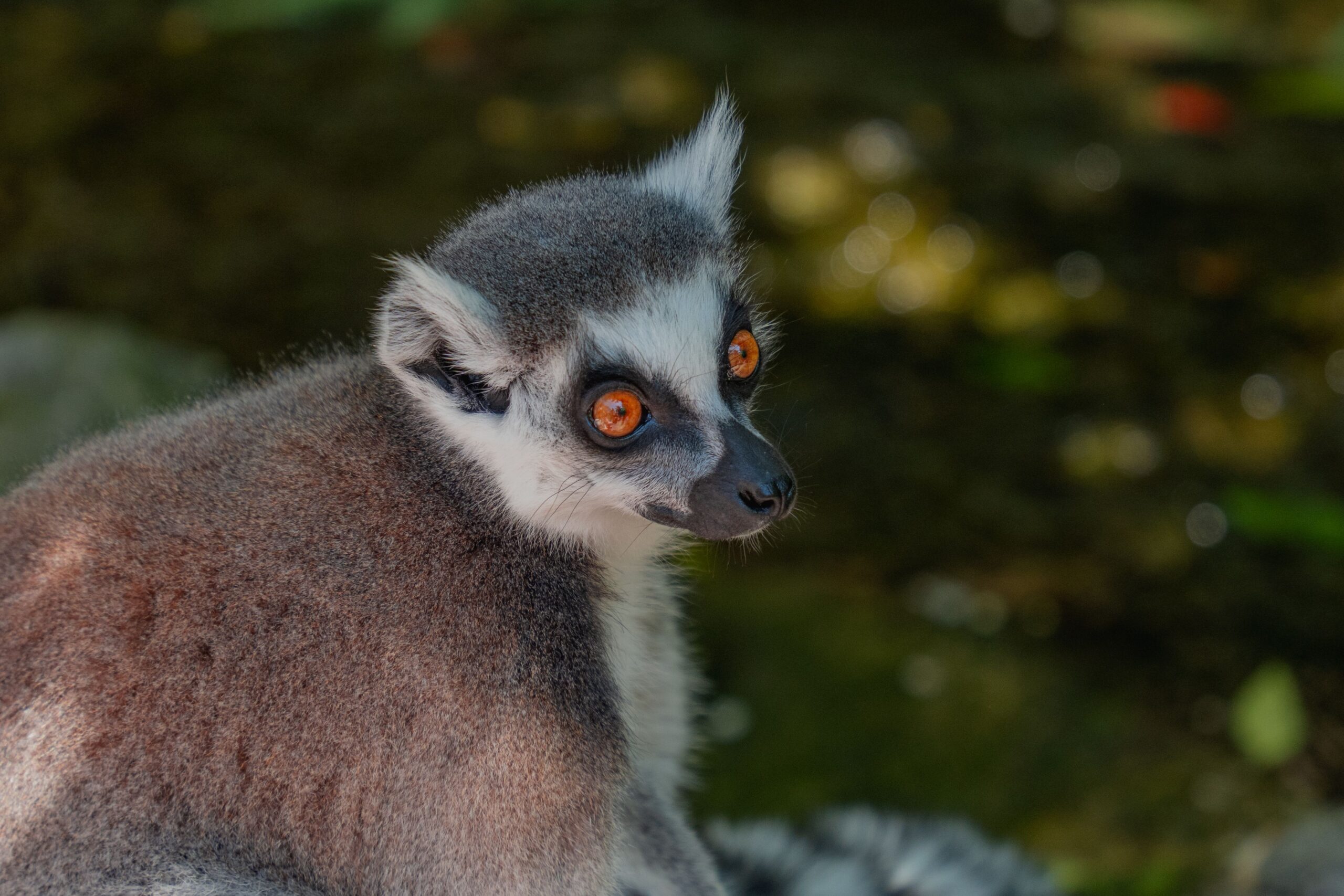
ワオキツネザルはどんな動物?特徴、樹上や地上での生態、生活、群れでの過ごし方、生息地について解説します。このキツネザルはアフリカのマダガスカルに生息していると言うこともあり、とても特殊なサルです。原猿類と呼ばれる原始的な霊長類です。


ワオキツネザルとは? 基本ステータスについて
ワオキツネザルは霊長目キツネザル科に分類される霊長類。学名はLemur cattaで漢字では輪尾狐猿と表記、記載されます。体長は38.5 – 45.5cm、体重は2.3 – 3.5kgとなります。情報の一覧は以下の通り。手足を広げて日光浴をするサルとしても知られるサルです。ワオキツネザルは体温調節機能が発達していないため、寒いときには日光浴で体を温めます。
| Japanese(和名) | ワオキツネザル |
| English(英名) | Ring Tailed Lemur |
| scientific name(学名) | Lemur catta |
| classification(分類) | Mammalia、Primate、 Lemuridae、Lemur 哺乳綱、霊長目、キツネザル科、ワオキツネザル属 |
| IUCN Status(保全状況) | ENDANGERED |
| Length(体長) | 38.5 – 45.5cm |
| Weight(体重) | 2.3 – 3.5kg |
ワオキツネザルのルーツ、起源は
ワオキツネザル(学名:Lemur catta)は、アフリカ東沖の島国マダガスカルで独自進化した霊長類(サルの仲間)です。現在、野生ではほぼマダガスカル南部・南西部だけに生息しています。
1. 祖先はアフリカから来た原始的なキツネザル類
ワオキツネザルを含むキツネザル類(レムール類)の祖先は、もともとアフリカ大陸にいた原始的な霊長類だったと考えられています。
約5000万〜8000万年前(始新世初期〜暁新世後期)、小さな祖先集団がマダガスカルへ渡りました。最も有力な説では、植物の漂流物などに乗って海を渡る「漂流(ラフティング)」によって到達したとされています。
当時のマダガスカルはアフリカから分離した孤立した島で、外敵や競争相手が少なかったため、キツネザル類は急速に多様化しました。
2. ワオキツネザルが誕生するまで
進化の流れは以下のようになります。
原始霊長類(アフリカ)
↓
約6000万年前
マダガスカルへ到達
↓
島で独自進化(適応放散)
↓
約2000万〜3000万年前頃
キツネザル科(Lemuridae)が分化
↓
その後
ワオキツネザル属(Lemur)が誕生
ワオキツネザルは、キツネザル科の中でも比較的古い系統を持つ仲間です。遺伝学的研究では、現生マダガスカルのキツネザル類は単一の祖先から進化したことが支持されています。
3. なぜマダガスカルだけにいるのか?
理由は「島の隔離」です。
マダガスカルは約9000万年以上前から周囲の大陸と隔離されており、そこに渡った少数の祖先が独自の進化を続けました。
その結果、
- ワオキツネザル
- インドリ
- シファカ
- ネズミキツネザル
など、世界でもマダガスカルだけに存在する独特な霊長類群が生まれました。
4. ワオキツネザル独自の進化ポイント
白黒のしま模様の尾
最大の特徴である長いしま模様の尾は、
- 群れの仲間への合図
- 移動時の目印
- 縄張り争いでの威嚇
などに使われます。
地上生活への適応
多くのキツネザルは樹上生活ですが、ワオキツネザルは比較的地上に降りる時間が長い種類です。
そのため、
- 強い後ろ脚
- 地面を歩きやすい体型
- 日光浴をする習性
などが発達しました。
独特な社会性
ワオキツネザルは霊長類では珍しく、
- メス優位の社会
- 10〜30頭ほどの群れ
- 尾を高く上げて移動する習性
を持っています。
分類について
本種のみでワオキツネザル属を構成をしています。属名Lemurは、ラテン語で「幽霊・亡霊」の意があるlemuresに由来しています。
ワオキツネザルの分類学
| 分類階級 | 名称 | 補足 |
|---|---|---|
| 界(Kingdom) | 動物界(Animalia) | 多細胞生物、真核生物 |
| 門(Phylum) | 脊索動物門(Chordata) | 背骨を持つ |
| 綱(Class) | 哺乳綱(Mammalia) | 恒温・乳腺で授乳する |
| 目(Order) | サル目(Primates) | 指先が器用、社会性の高い哺乳類 |
| 亜目(Suborder) | キツネザル亜目(Strepsirrhini) | 鼻が湿っていて嗅覚が発達、原始的なサル |
| 科(Family) | キツネザル科(Lemuridae) | マダガスカル固有種の原始的サル |
| 属(Genus) | ワオキツネザル属(Lemur) | 尾が環状模様のキツネザル |
| 種(Species) | ワオキツネザル(Lemur catta) | 代表的な尾が輪模様の種 |
生息地について
ワオキツネザルはマダガスカルの固有種になります。南部のムルンダヴァからフォール・ドーファンにかけて分布しています。
1. 地理的分布
- マダガスカル島南部~南西部が原産地
- 野生ではマダガスカルの乾燥林・低木林・岩場地帯に限定して生息
- 特に有名な生息地:
- アンツィラベ山地(Andringitra)
- イサロ国立公園(Isalo National Park)
- アンタナナリボ周辺の乾燥林地帯
2. 生息環境の特徴
- 森林タイプ:乾燥林(Dry Deciduous Forest)、低木林(Spiny Forest)、岩場混合林
- 気候:
- 年間降水量が少なく乾燥
- 昼夜の温度差が大きい
- 標高:
- 海抜0〜1,600mの範囲で生活
- 食料資源:
- 果実、葉、花、樹皮、昆虫などを食べるため、食物のある林や低木林が重要
3. 社会的・空間的生息
- 群れで生活:10〜30頭規模の群れが一般的
- 縄張り:群れごとに活動範囲を持ち、木や岩を使って移動
- 昼行性:日中に採食や移動を行い、夜は木陰や岩場で休息
4. 保全状況との関係
- 森林伐採・牧草地化・開発により生息地は縮小傾向
- 野生のワオキツネザルは絶滅危惧(IUCN:EN, Endangered)
- 国立公園や保護区での保護が重要
特徴は?どんな感じの生物なのか?
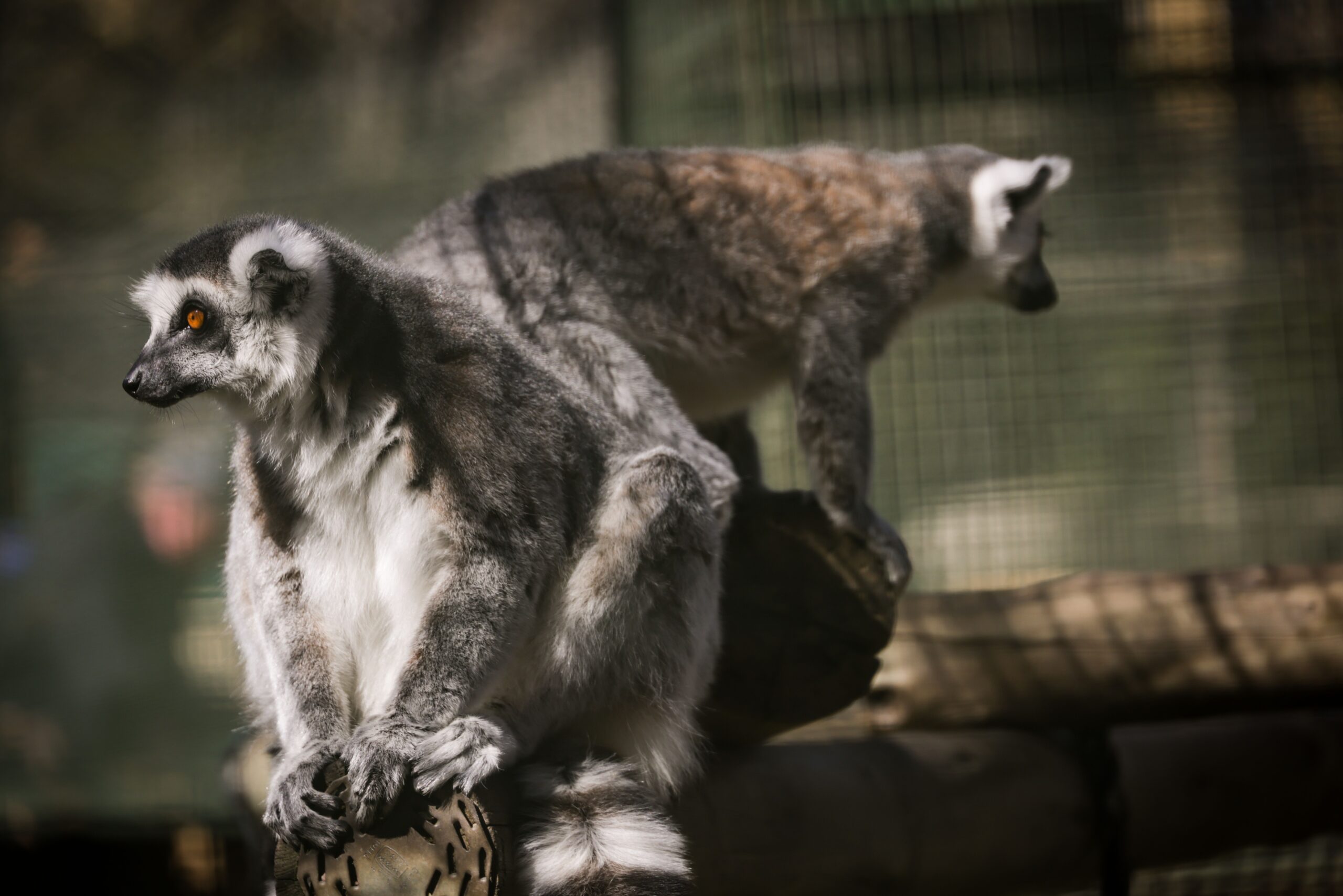
ワオキツネザルは背面は灰色で、腹や四肢(前肢、後肢)は明色で先端は白、頭頂部や眼の周囲、吻は黒、尾に白と黒の輪状の斑紋が入ります。鋭い爪があり彼らはそれらを器用に使いこなします。後肢の第2趾に鉤爪があるのですがグルーミングのためです。ワオキツネザルは落葉樹林など樹上に生息しています。雄は手首を木の枝等に直接擦りつけたり、尾に擦りつけた後にふりまいてマーキングを行います。
1. 外見・体格
- 体長:約40〜45cm(頭胴長)
- 尾の長さ:約50〜60cm
- 体重:2.2〜3.5kg程度
- 毛色:
- 胴体は灰色〜茶色
- 顔は白黒の特徴的な模様
- 尾は**黒白の縞模様(輪模様)**で非常に目立つ
- 手足:
- 指は細長く器用で、木登りや枝の操作が得意
- 尾はバランスを取るために使うが、物を掴むことはできない
2. 性格・行動
- 社会性が高い:
- 群れで生活(10〜30頭程度)
- 群れ内で上下関係があり、女系優位(メス優位)
- 好奇心旺盛・活動的:
- 昼行性で日中に活発に動き回る
- 遊びや追いかけっこをすることが多い
- コミュニケーション:
- 尾を立てたり振ったりして合図
- 鳴き声(ハミング、シャウトなど)で警告や連絡
3. 生態的特徴
- 昼行性:朝・昼に採食活動、夜は休息
- 食性:雑食性(果実、葉、花、樹皮、昆虫など)
- 社会構造:
- 女系優位の群れ(メスがリーダー)
- 群れ内で縄張りを持つ
- 運動能力:
- 木登り・岩場歩行が得意
- 地上でも移動することが多く、尾を高く立ててバランスを取る
4. 視覚・聴覚・嗅覚
- 視覚:昼行性のため色覚が発達
- 聴覚:群れ内のコミュニケーションに重要
- 嗅覚:縄張りマーキングや社会的コミュニケーションで使用
性格はどんな感じなのか?
ワオキツネザルはとてもフレンドリーで懐きやすいお猿さんです。また社会性がとても強い動物で、集団で生活をする傾向があります。群れで移動を行い、とても統制されています。
1. 社会性が非常に高い
- 群れで生活する動物で、1つの群れに10〜30頭ほど
- 群れ内で明確な上下関係がある
- 特に女系優位(メスがリーダー)
- 仲間同士で体を寄せ合ったり、尾を立てて合図したりする
2. 好奇心旺盛で活動的
- 昼行性で日中は活発に動き回る
- 木登りや岩場をジャンプして移動するなど、運動能力が高い
- 若い個体は特に遊び好き・追いかけっこ好き
3. 警戒心と防衛本能
- 外敵や危険に敏感で、鳴き声や尾の動きで警告
- 危険を感じると:
- 尾を高く立ててアピール
- 唾を吐くこともある(主に威嚇)
- 素早く逃げる
4. 知能と学習能力
- 知能が高く、群れ内での社会ルールを学ぶ
- 飼育下では人や環境に慣れやすい
- 道具は使わないが、群れで協力して食物や縄張りを管理
生態はどうなっているのか?
ワオキツネザルは木の葉、果実、花、葉、草本、昆虫、カメレオンなどを食べて生活をしています。繫殖形態は胎生。毎年4月から5月にかけて繁殖をします。妊娠期間は4カ月くらいあり、8-9月に1回に1-3匹の幼獣を生みます。寿命は16年から19年程度です。
1. 生息環境
- 地域:マダガスカル南部~南西部
- 環境:
- 乾燥林(Dry Deciduous Forest)
- 低木林(Spiny Forest)
- 岩場や開けた草地との混在地域
- 標高:0〜1,600m
- 気候:乾燥、昼夜の温度差が大きい
2. 食性
- 雑食性(Omnivorous)
- 主な食べ物:
- 果実、葉、花、樹皮
- 時には昆虫や小動物も食べる
- 採食行動:
- 日中に群れで移動しながら採食
- 尾や手を使って食物を操作
3. 社会構造
- 群れで生活(10〜30頭程度)
- 女系優位(メスリーダー)
- 群れ内での上下関係が明確で、争いは少ない
- 尾の動き、鳴き声、体の接触などでコミュニケーション
4. 行動パターン
- 昼行性(Diurnal):日中に活動、夜は休息
- 運動能力:
- 木登り・ジャンプ・岩場移動が得意
- 地上でも活発に移動
- 防衛行動:
- 外敵に対して鳴き声で警告
- 尾を高く立てて威嚇
- 必要に応じて逃げる
5. 繁殖
- 性成熟:
- メス:約3歳
- オス:約4歳
- 繁殖期:主に乾季(4月〜6月)
- 妊娠期間:約4〜5か月
- 出産:
- 通常1頭(双子はまれ)
- 母乳で育ち、生後2か月頃から固形物を摂取
- 子育て:
- 群れで子どもを見守る
- 社会的学習として、群れの上下関係や危険回避を覚える
6. 寿命
- 野生:約16〜19年
- 飼育下:20年以上生きることもある
天敵はいるのか?
近隣には大型の肉食獣は生息していませんのでこれといった天敵がいません。
換毛について
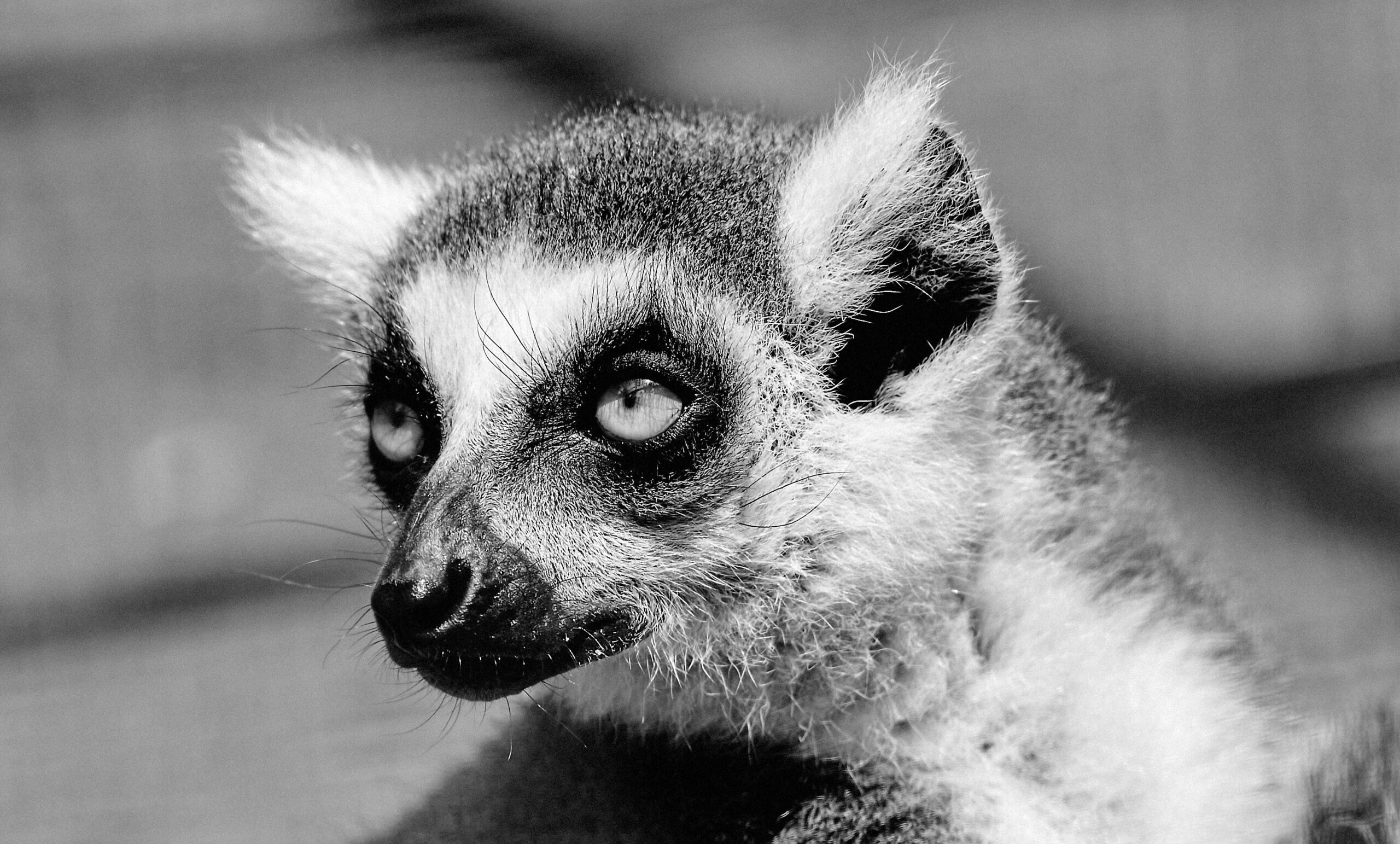
ワオキツネザルは季節に合わせて毛が生え変わる「換毛」を行う動物です。マダガスカル南部の乾燥した環境に適応しており、気温や雨季・乾季の変化に合わせて毛の状態を調整します。
1. 換毛の時期
ワオキツネザルの換毛は主に、
- 乾季の終わり〜雨季の始まり(8〜11月頃)
- 雨季から乾季へ移る時期
に見られます。
ただし、日本の動物園で飼育されている個体では、
- 気温
- 日照時間
- 餌
- 室内外の環境
によって時期が多少変化します。
2. どのように毛が変わる?
ワオキツネザルは、体全体の毛を一気に抜け替えるのではなく、少しずつ古い毛が抜けて新しい毛へ置き換わる方式です。
換毛中は、
- 背中や脇腹の毛が浮く
- 尻尾の毛が抜ける
- 毛づやが一時的に変化する
- 仲間同士の毛づくろいが増える
といった様子が見られます。
3. 毛の役割
ワオキツネザルの毛は単なる防寒具ではありません。
① 体温調節
マダガスカル南部は、
- 昼:30℃以上になることがある
- 夜:10℃以下になることもある
という寒暖差の大きい環境です。
密な毛皮は、
- 夜間の冷え込みから体を守る
- 日中の急激な温度変化を緩和する
役割があります。
② 紫外線対策
乾燥した森林や岩場では日差しが強いため、毛皮は皮膚を紫外線から守ります。
ワオキツネザルがよく行う、
「太陽に向かって座る日光浴(サンニング)」
も、体温調整と関係しています。
③ コミュニケーション
毛の状態は仲間との関係にも関係します。
特に、
- 尾を立てる
- 毛を逆立てる
- 匂いを付ける
などは、群れの中での意思表示に使われます。
鳴き声について
ワオキツネザル(ワオキツネザル(Lemur catta))は、霊長類の中でも非常に多彩な鳴き声を使って仲間とコミュニケーションを取る動物です。
① 「クー」「クルル」という低い声(接触音)
用途:仲間との確認
群れで移動するときに、
- 「ここにいるよ」
- 「ついてきて」
という意味で使われます。
森の中では視界が遮られるため、声で仲間の位置を確認します。
② 「ホッホッホッ」という警戒音
用途:危険察知
天敵や見慣れないものを発見すると、
- 短く繰り返す声
- 少し高い声
を出します。
群れ全体が警戒態勢になり、
- 動きを止める
- 周囲を見る
- 木に登る
などの行動につながります。
③ 「ウー」「グルル」という威嚇音
用途:争いや防御
以下の場面で発せられます。
- 他個体との距離が近すぎる
- 食べ物を守る
- 縄張り争い
特にオス同士では、臭腺を使った「臭いの戦い(スティンクファイト)」と合わせて威嚇します。
④ 赤ちゃんの鳴き声
幼獣は、
- 高い「ピーピー」という声
- 小さな鳴き声
で母親を呼びます。
母親は声を聞き分けて、
- 授乳
- 移動
- 保護
を行います。
季節別の活動
ワオキツネザルは、マダガスカル南部の乾燥した森林・低木地帯に適応した動物です。日本のような四季ではなく、主に**雨季(食料が豊富な時期)と乾季(乾燥する時期)**の変化に合わせて行動が変わります。
🌧 雨季(11月〜4月頃)
活動が最も活発になる時期
雨季は植物が成長し、食べ物が豊富になります。
主な活動
① 採食時間が増える
食料が多いため、
- 果実
- 若葉
- 花
- 草
- 昆虫
などを幅広く食べます。
特に雨季の初めは新芽が増え、栄養価の高い植物を利用できます。
② 子育ての季節
ワオキツネザルの繁殖は主に雨季前後に行われます。
- 交尾:4月頃
- 出産:8〜9月頃(乾季終盤)
というサイクルが一般的です。
母親は子どもを腹部に抱き、成長すると背中に乗せて移動します。
③ 群れの移動が増える
食料が多い場所を探して、
- 森林内を移動
- 日中の採食範囲を拡大
- 群れで探索
する行動が増えます。
☀️ 乾季(5月〜10月頃)
厳しい環境に耐える時期
乾季は雨が少なく、植物の成長が止まります。
特にマダガスカル南部では、
- 高温
- 少ない水
- 食料不足
が起こります。
① 朝の日光浴が増える
ワオキツネザルの有名な行動です。
朝、太陽に向かって座り、
- 両腕を広げる
- お腹を太陽に向ける
姿勢を取ります。
目的:
- 体温を上げる
- 冷えた体を温める
- 省エネルギー化
です。
② 活動時間を調整する
乾季の暑い昼間は消耗を避けます。
活動パターン:
早朝
↓
採食・移動
昼
↓
休息・日陰で過ごす
夕方
↓
再び採食
という形になります。
③ 食べ物の変化
乾季には、
- 果実が減る
- 葉が硬くなる
- 水分が不足する
ため、
- 木の葉
- 樹皮
- 多肉植物
- 地面の植物
なども利用します。
🌱 換毛期(8〜11月頃)
乾季の終わりから雨季に入る頃には換毛が起こります。
この時期は、
- 古い毛が抜ける
- 毛づくろいが増える
- 毛並みが変化する
様子が見られます。
🐒 繁殖期(春頃:地域差あり)
特にオスの活動が活発になります。
特徴:
- 鳴き声が増える
- 臭腺で匂いを付ける
- オス同士が競争する
ワオキツネザルは短い繁殖期間に集中して交尾を行います。
歩行速度について
ワオキツネザル(Lemur catta)は、キツネザル類の中でも地上を歩くことが多い種類で、四足歩行を基本とします。チーターや大型のサルのような高速移動型ではなく、長時間移動できる持久型の歩行に適応しています。
1. 通常の歩行速度
ワオキツネザルの通常移動速度は、おおよそ:
時速2〜4km程度
と考えられています。
これは人間のゆっくりした歩行(約3〜4km/h)に近い速度です。
群れで移動する際は、
- 尾を高く上げる
- 周囲を確認する
- 仲間との距離を保つ
ため、急がず安定したペースで歩きます。
2. 急ぐ時・逃走時の速度
危険を感じた場合や興奮時には速度が上がります。
目安:
時速15〜20km程度
まで短時間なら走ることができます。
ただし、ワオキツネザルは高速走行よりも、
- 木へ逃げる
- 群れで警戒する
- 隠れる
という防御行動を選ぶことが多いです。
3. 歩き方の特徴
四足歩行(蹠行性)
ワオキツネザルは、
- 前足
- 後ろ足
を使って地面を歩きます。
特徴:
- 手のひら・足裏を地面につける
- 背中を水平に保つ
- 尾でバランスを取る
という歩き方です。
4. 尾は「バランサー」
ワオキツネザル最大の特徴である長い縞模様の尾は、歩行時にも重要です。
役割:
- 方向転換時のバランス調整
- 群れの位置確認
- 移動中の合図
特に地上を広く移動する生活では、長い尾が役立ちます。
ワオキツネザルの幼獣について
ワオキツネザル(Lemur catta)の幼獣(子ザル)について詳しくまとめます。
1. 呼び名
- 特に固有の呼び名はなく、「子ザル(Infant Lemur)」や「幼獣」と呼ばれる
- 生後〜1歳程度までを幼獣期とする
2. 出産
- 妊娠期間:約4〜5か月
- 出産時期:主に乾季(4〜6月)
- 出産数:通常1頭(双子はまれ)
- 出生時体重:約60〜80g
- 行動:
- 生後すぐ母親に抱かれ、母乳を飲む
- 最初の数週間はほとんど動かず母親に依存
3. 成長・発育
- 授乳期間:約4〜6か月
- 離乳:生後3〜4か月頃から固形物(果実、葉など)を少しずつ摂取
- 毛の発達:
- 生まれた時は薄い毛で、体温を守るため母親に抱かれる
- 成長とともに親と同じ灰色・尾の黒白縞模様が出る
4. 行動・性格
- 母親依存が強く、母親や群れの保護下で育つ
- 遊び好き・好奇心旺盛:
- 群れ内で他の子ザルと追いかけっこや軽いじゃれ合い
- 学習行動:
- 木登りや食物の採取方法、社会的ルールを母親や群れの成獣から学ぶ
- 警戒心:
- 危険を感じると母親にしがみつく
- 群れの安全確保のための行動を観察して学習
5. 社会性
- 群れ内での上下関係やコミュニケーション方法を幼い時期から学ぶ
- 幼獣同士の遊びや母親とのスキンシップが、社会性や協調性の発達に重要
ワオキツネザルは絶滅危惧種なのか?
ワオキツネザルはマダガスカルの国獣に指定されています。しかし絶滅危惧種に指定されているのです。ワシントン条約の付属書 Iにも掲載されているため国際取引が厳しく制限されています。2017年の時点で、ワオキツネザルは約2,000頭しか野生に残されていないと推定されており絶滅が迫っています。以下のような理由があり激減しています。
生息地の破壊
生息地の破壊は人間によってもたらされています。人間が島に入植して以来、森林が伐採されて牧草地や農地が作られてきました。現在、マダガスカルの元々の森林被覆の90%が失われたと言われておりかなりの打撃になっています。
ペットのために乱獲
人間によってペットのために乱獲もされています。これにより彼らの集団で支えると言う生態が乱されており、生存が難しくなっています。
ワオキツネザルはペットとして飼育可能?
ワオキツネザルは以上のように絶滅危惧種に指定されているため、かなり制約が厳しく、一般人が飼育するチャンスはありません。動物園ではイベントなどで案内されますので鑑賞しましょう。もしくは時間があるときにマダガスカル島へ行くと言う手もあります。園内、公園のイベント情報や募集などはアクセスしてみてみましょう。
1. 法律上の制限
- ワオキツネザルはマダガスカル原産の絶滅危惧種に近い野生動物
- 多くの国・地域では特別な許可なしに飼育不可
- 日本の場合:
- ワオキツネザルは 特定動物に該当する場合がある
- 繁殖や輸入には都道府県知事の許可が必要
- 米国・EUでも飼育は規制されており、個人での飼育は極めて難しい
2. 飼育難易度
- 高い社会性を持つ群れで生活するため、単独飼育はストレスが大きい
- 食性も果実・葉・花・昆虫など幅広く、栄養管理が複雑
- 活発で運動量が多く、広い運動場や登攀設備が必要
- 尾や手足を使って活発に動き回るため、狭い空間での飼育は不適
3. ペット飼育の現実
- 小型猿に比べて騒音・臭い・攻撃性・噛み癖の管理が難しい
- 長寿(野生で16〜19年、飼育下で20年以上)なので、長期の世話が必要
- 飼育経験がない個人にとってはほぼ不可能
飼育されている動物園(日本・世界)
ワオキツネザル(Lemur catta)は、キツネザル類の中でも飼育繁殖が比較的成功している種類で、世界各地の動物園で見ることができます。飼育下では繁殖例も多く、世界の動物園で重要な保全対象になっています。
🇯🇵 日本で見られる主な動物園
札幌市円山動物園(北海道)
札幌市円山動物園ではワオキツネザルを飼育展示しています。
特徴:
- 屋外展示で活動を見ることができる
- 日光浴をする姿が見られることがある
- 尾の縞模様や群れ行動を観察できる
静岡市立日本平動物園(静岡県)
ワオキツネザルを飼育展示しています。
特徴:
- 複数個体の群れ行動が観察できる
- 仲間同士で鳴き交わす姿が見られることがある
- 毛づくろいや日光浴など自然行動を観察できる
市川市動植物園(千葉県)
ワオキツネザルの展示で知られています。
特徴:
- 寒い時期に体を寄せ合う「ワオ団子」と呼ばれる行動が話題になる
- 群れの社会性を観察しやすい
🌎 世界の代表的な飼育施設
Duke Lemur Center(アメリカ)
世界的に有名なキツネザル研究施設です。
特徴:
- ワオキツネザルの研究
- 繁殖プログラム
- 保全研究
を行っています。
飼育下での行動研究でも重要な施設です。
Saint Louis Zoo(アメリカ)
マダガスカルの野生動物保全活動にも関わる施設です。
特徴:
- キツネザル保護活動
- 教育展示
- 繁殖協力
を実施しています。
Lemur Conservation Foundation(アメリカ)
キツネザル保護専門施設です。
特徴:
- ワオキツネザルの保護繁殖
- 行動研究
- マダガスカル保全支援
を行っています。
ヨーロッパの代表的な動物園
ワオキツネザルはヨーロッパでも非常に人気が高く、多くの動物園で飼育されています。
代表例:
- Tierpark Berlin(ドイツ)
- Zoo Frankfurt(ドイツ)
- Zoo Antwerpen(ベルギー)
- Zoo Barcelona(スペイン)

他の動物を紹介



コメント