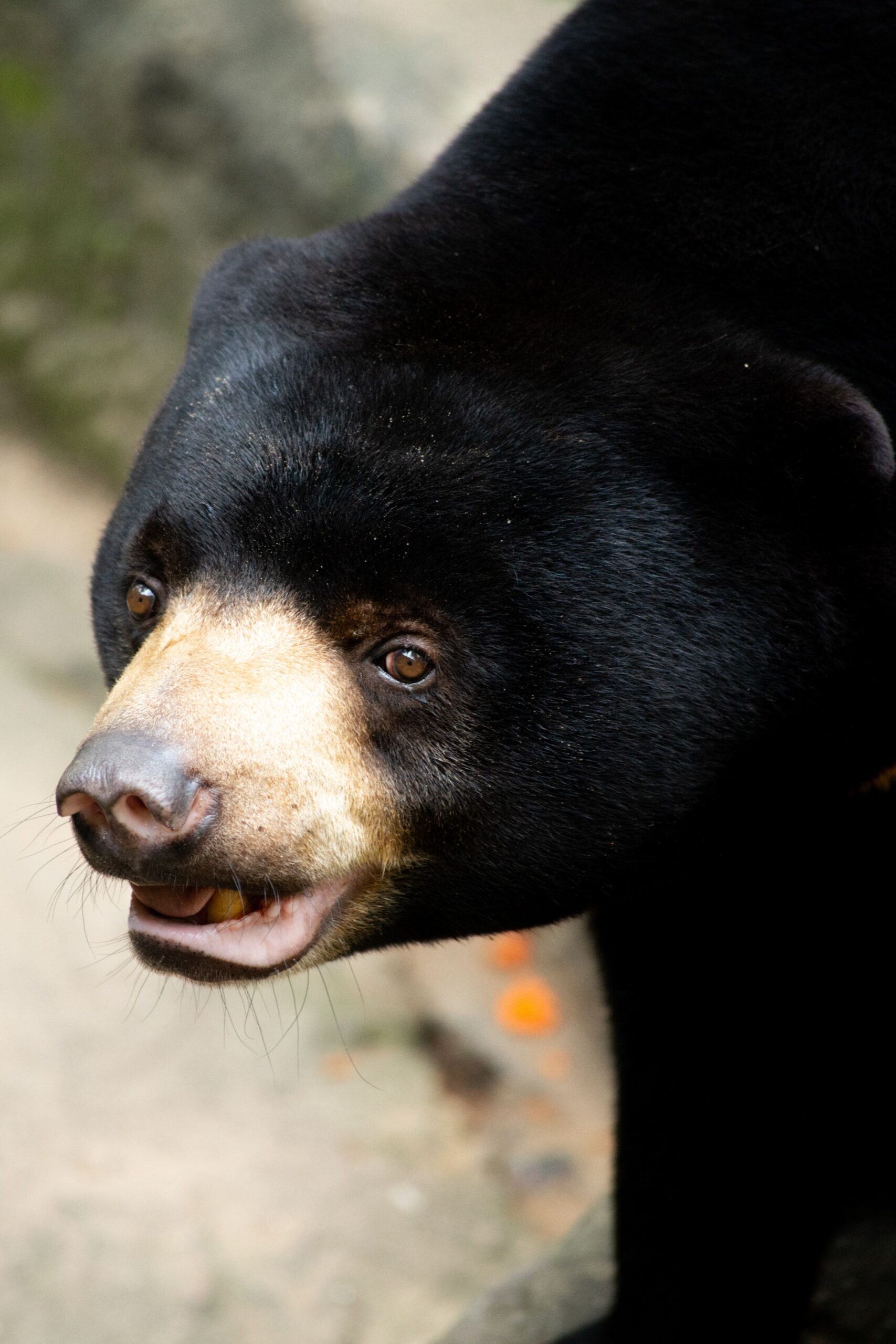
ナマケグマはどんな動物?特徴、生態、生息地について解説します。インドではよく見られる大型の動物で、主に南アジアを中心に生息しています。とても丈夫で強そうなクマなのですが、実は絶滅危惧種に指定されており、絶滅の可能性が示唆されているのです。


ナマケグマとは? 基本ステータスについて
ナマケグマは哺乳綱ネコ目(食肉目)クマ科ナマケグマ属に分類される哺乳類です。体長は140-190cm、体重は50-100kgになります。情報の一覧は以下の通り。学名はMelursus ursinus、漢字では懶熊と表記されます。
| Japanese(和名) | ナマケグマ |
| English(英名) | Sloth bear |
| scientific name(学名) | Melursus ursinus |
| classification(分類) | Mammalia、Carnivora、Ursidae、Melursus 哺乳綱、ネコ目、クマ科、ナマケグマ属 |
| IUCN Status(保全状況) | VULNERABLE |
| Length(体長) | 140-190cm |
| Weight(体重) | 50-100kg |
ナマケグマのルーツ、起源は?
ナマケグマ(怠熊、英名:Sloth bear / 学名:Melursus ursinus)のルーツは、インド亜大陸で独自進化したクマ科の一種です。
名前に「ナマケ」とありますが、ナマケモノの仲間ではなく、ヒグマ・ホッキョクグマ・ツキノワグマなどと同じクマ科です。
1. 起源:約500万〜800万年前のクマ類から分岐
ナマケグマの祖先は、北半球で進化した初期のクマ類です。
大まかな進化系統:
初期の肉食獣(約5000万年前)
↓
イヌ型下目(クマ・イヌなどの祖先)
↓
クマ科(約2000万年前)
↓
現生クマ類の祖先
↓
ナマケグマ系統(約500万〜800万年前に分岐)
ナマケグマは現生クマの中では比較的古い特徴を残した系統と考えられています。
2. どこで進化したのか?
ナマケグマはインド亜大陸で進化したクマです。
現在の分布:
- 🇮🇳 インド
- 🇳🇵 ネパール
- 🇧🇹 ブータン
- 🇱🇰 スリランカ(一部)
など。
祖先となるクマ類がユーラシアから南下し、インド周辺の森林環境に適応したと考えられています。
3. 祖先はどんなクマだったのか?
ナマケグマの祖先は、現在のような「アリ食専門」ではありませんでした。
進化の過程で:
- 熱帯・亜熱帯の森林へ進出
- 他の大型肉食獣との競争を避ける
- 昆虫資源(特にシロアリ・アリ)を利用
という方向へ変化しました。
その結果、
強力な嗅覚
↓
地中の昆虫を発見
↓
長い爪で巣を壊す
↓
唇で吸い込む
という独特な採食方法を獲得しました。
4. なぜ「ナマケグマ」と呼ばれるのか?
18世紀、ヨーロッパ人が初めて見た時、
- 長い爪
- 毛の長さ
- 木登り能力
- 昆虫食
などから、南米のナマケモノに似ていると誤認しました。
そのため英名が:
Sloth bear(ナマケモノのようなクマ)
になりました。
実際には:
❌ 動きが遅い
❌ ナマケモノの仲間
ではありません。
分類について
ナマケグマは以下の亜種が存在します。
- Melursus ursinus ursinus
- Melursus ursinus inornatus
科学的分類
- 界:動物界 (Animalia)
- 門:脊索動物門 (Chordata)
- 綱:哺乳綱 (Mammalia)
- 目:食肉目に近縁とされる「ナマケグマ目」もしくはかつては Pilosa
- 目(現代分類):ナマケグマ目 (Pilosa)
- 下目:ナマケグマ下目 (Folivora)
- 科:ナマケグマ科 (Bradypodidae と Megalonychidae)
- 3本指ナマケグマ科:Bradypodidae
- 2本指ナマケグマ科:Megalonychidae
生息地について
ナマケグマはインド、ネパール、バングラデシュ、スリランカに分布しています。日本ではよくツキノワグマの類と間違える人が多いです。目、鼻や食べるものなど熊の中でも明らかに違いがあります。
1. 生息地の概要
- 主に中南米の熱帯雨林に生息
- 樹上生活が中心で、地上にはあまり降りない
- 樹木の密度が高く、食物となる葉が豊富な地域を好む
2. 種ごとの分布
3本指ナマケグマ属 (Bradypus)
| 種 | 主な分布 |
|---|---|
| Bradypus variegatus(オオナマケグマ) | 南アメリカ北部〜中部(ブラジル、ベネズエラ、コロンビア、ペルーなど) |
| Bradypus tridactylus(ブラジルナマケグマ) | 北ブラジル、ギアナ、コロンビア |
| Bradypus torquatus(マナウスナマケグマ) | ブラジル東部沿岸の森林(大西洋岸森林) |
| Bradypus pygmaeus(ピグミーナマナケグマ) | パナマ湾の小さな島「イスラ・ピグメア島」 |
2本指ナマケグマ属 (Choloepus)
| 種 | 主な分布 |
|---|---|
| Choloepus didactylus(カリブ海2本指ナマケグマ) | 南アメリカ北部、アマゾン盆地 |
| Choloepus hoffmanni(ホフマンナマケグマ) | 中米から南米北部(コスタリカ、パナマ、コロンビア、エクアドルなど) |
3. 環境の特徴
- 樹冠層(森林の上層)に多く生息
- 高湿度の熱帯雨林を好む
- 人間の開発や森林伐採により生息地が分断されつつある
特徴は?どんな感じの生物なのか?
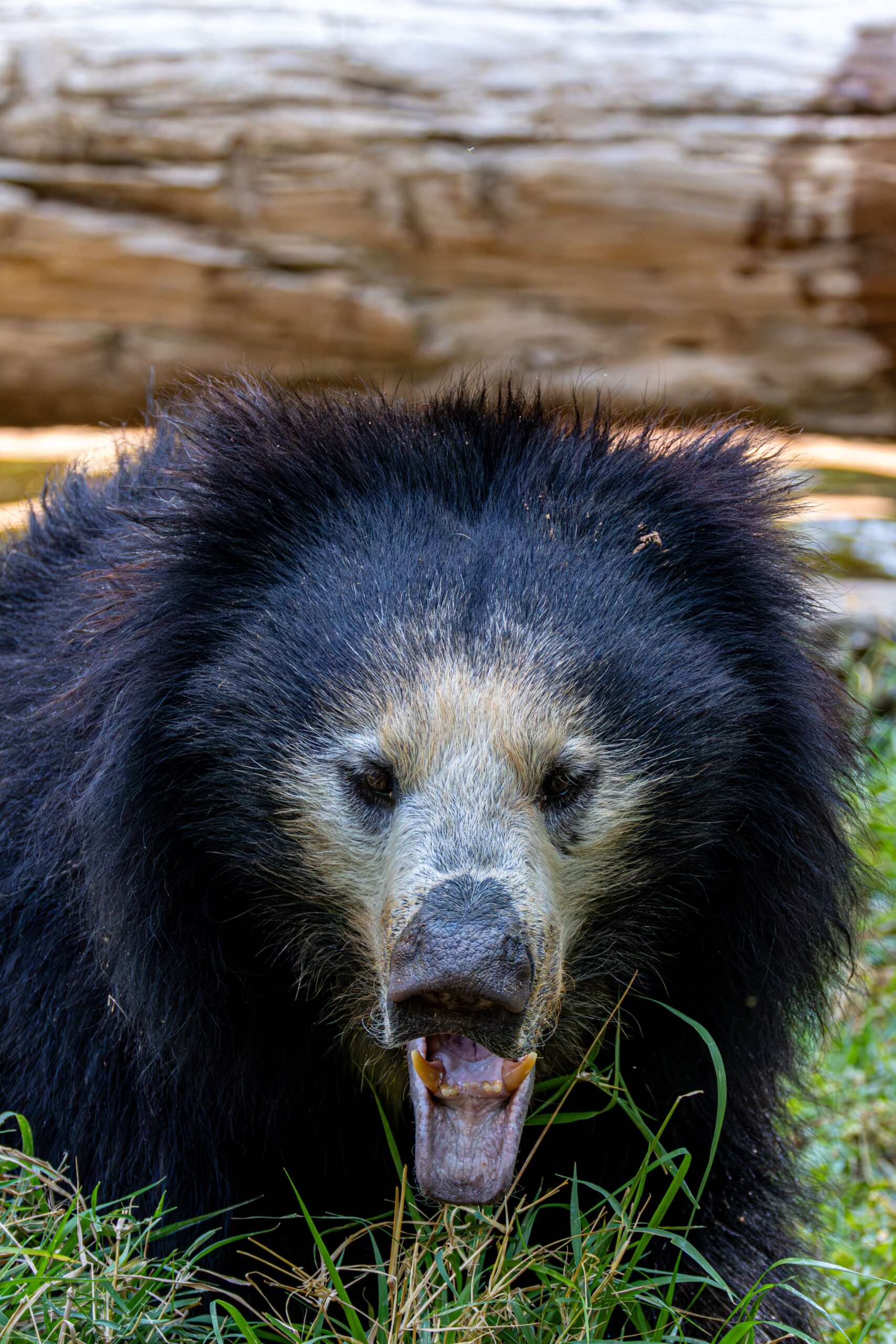
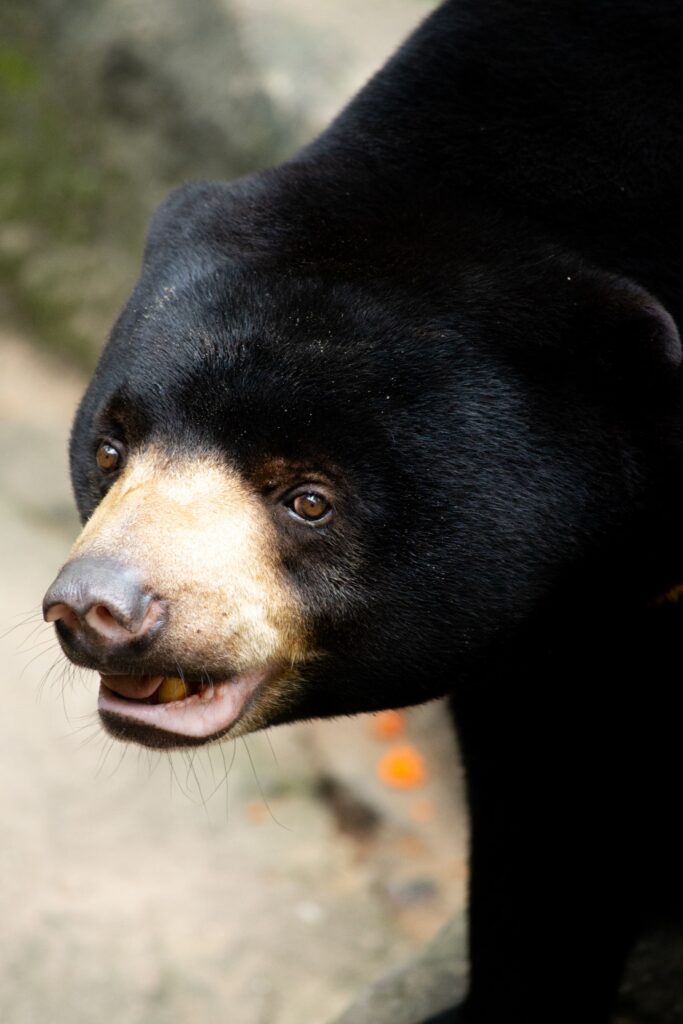
ナマケグマの毛は黒色、赤褐色で体毛は長く、足の裏には毛がないです。眼や耳介は小型。前肢は内側へ向かい後肢は前肢よりも短く爪があります。丈夫で長い爪を利用して木には巧みに登ることが出来ます。湾曲した爪を使い木にぶら下がることも可能でこれがナマケモノを連想させることからこの名前となります。低木林、湿度の高い常緑樹林などを好んでこのクマは生息しており、夜行性です。
1. 体の特徴
- 大きさ:頭から尾まで約50〜70cm、体重は3〜9kgほど(種類による)
- 体型:
- 胴体は丸く、ずんぐりした印象
- 長い腕と長い爪を持ち、木にぶら下がるのが得意
- 毛:
- 厚くて粗い毛
- 毛に藻類が生えることがあり、緑色に見える → 森の中でカモフラージュになる
- 顔:
- 小さくて丸い顔
- 小さな耳、黒くつぶらな目
2. 動き・行動
- 動きは非常にゆっくり
- 移動速度は1分間に数メートル程度
- これは低代謝でエネルギー消費を抑えるため
- 樹上生活が基本
- 木の枝にぶら下がり、ほとんどの時間を木の上で過ごす
- 週に1回程度しか地上に降りない
- 睡眠:
- 1日15〜20時間睡眠することもある
3. 食性
- 葉食性が中心
- 木の葉や若芽を食べる
- 消化に時間がかかるため、ゆっくりしか動かない
- 稀に果物や小枝も摂取
4. 性格・生態
- おとなしい性格で攻撃性はほとんどない
- 低代謝・低エネルギー生活で生きている
- 捕食者(ジャガーや大型鳥など)から身を守るため、動きが遅く、カモフラージュ色の毛で目立たない
性格はどんな感じなのか?
ナマケグマは単独でいることが多いです。たいして大きくないにもかかわらずとても凶暴で、人間に対しても攻撃を仕掛けてくることがあります。
ナマケグマの性格・行動の特徴
- おとなしく温厚
- 攻撃性はほとんどない
- 人間や他の動物に対しても、基本的には争わない
- 自分から危険を避けることを優先
- のんびり屋でマイペース
- 移動が非常に遅く、1日のほとんどを木の上で過ごす
- 食事もゆっくり、消化に時間がかかる葉を中心に食べるため、活発に動く必要がない
- 臆病な一面もある
- 捕食者(ジャガー、ワシ、オオカミなど)に出会うと、無理に戦わず身を守る
- 樹上でじっとしてカモフラージュすることが多い
- 単独行動が多い
- 基本的に単独で生活する
- 親子以外の群れを作ることはほとんどない
- 環境に適応した「省エネ型」性格
- 低代謝でエネルギーを節約するため、あまり無駄に動かない
- 穏やかで目立たず、長生きする戦略を取っている
生態はどんな感じなのか?
ナマケグマはハチミツやシロアリ、昆虫や鳥の卵などを食べて生活をしています。丈夫な爪で巣を壊した後、長い舌と一緒に獲物を食べてしまいます。繫殖形態は胎生。妊娠期間6~7ヵ月あり、巣穴は自ら掘った穴や自然の洞穴で1回につき1頭から3頭産めます。子どもは1年~3年で独立します。寿命は30年くらいと言われています。
1. 生活の場所
- 樹上生活が基本
- ほとんどの時間を木の枝の上で過ごす
- 地上に降りるのは排泄や移動の時だけ
- 縄張りはそれほど広くない
- 木の枝を伝ってゆっくり移動しながら食事する
- 単独行動が多い
2. 食性(何を食べるか)
- 葉食性が中心
- 主に若葉や枝葉、まれに果実
- 消化に時間がかかるため、活動は非常にゆっくり
- 胃が特殊
- 複数の部屋を持つ胃で、葉をゆっくり発酵・分解
- 消化に1週間以上かかることもある
3. 移動・活動
- 移動は非常にゆっくり
- 1分間に数メートル程度
- 高い木の間を慎重に移動
- 睡眠時間が長い
- 1日15〜20時間睡眠
- 昼夜であまり差はないが、夜も木の上で休むことが多い
4. 社会構造・繁殖
- 基本的に単独行動
- 親子以外は群れを作らない
- 繁殖
- 妊娠期間は約6か月
- 通常1匹の子どもを産む
- 子どもは母親と一緒に木の上で生活
- 子どもは数か月間母親に依存
天敵はいるのか?
ナマケグマはこれといった天敵はいません。
換毛について
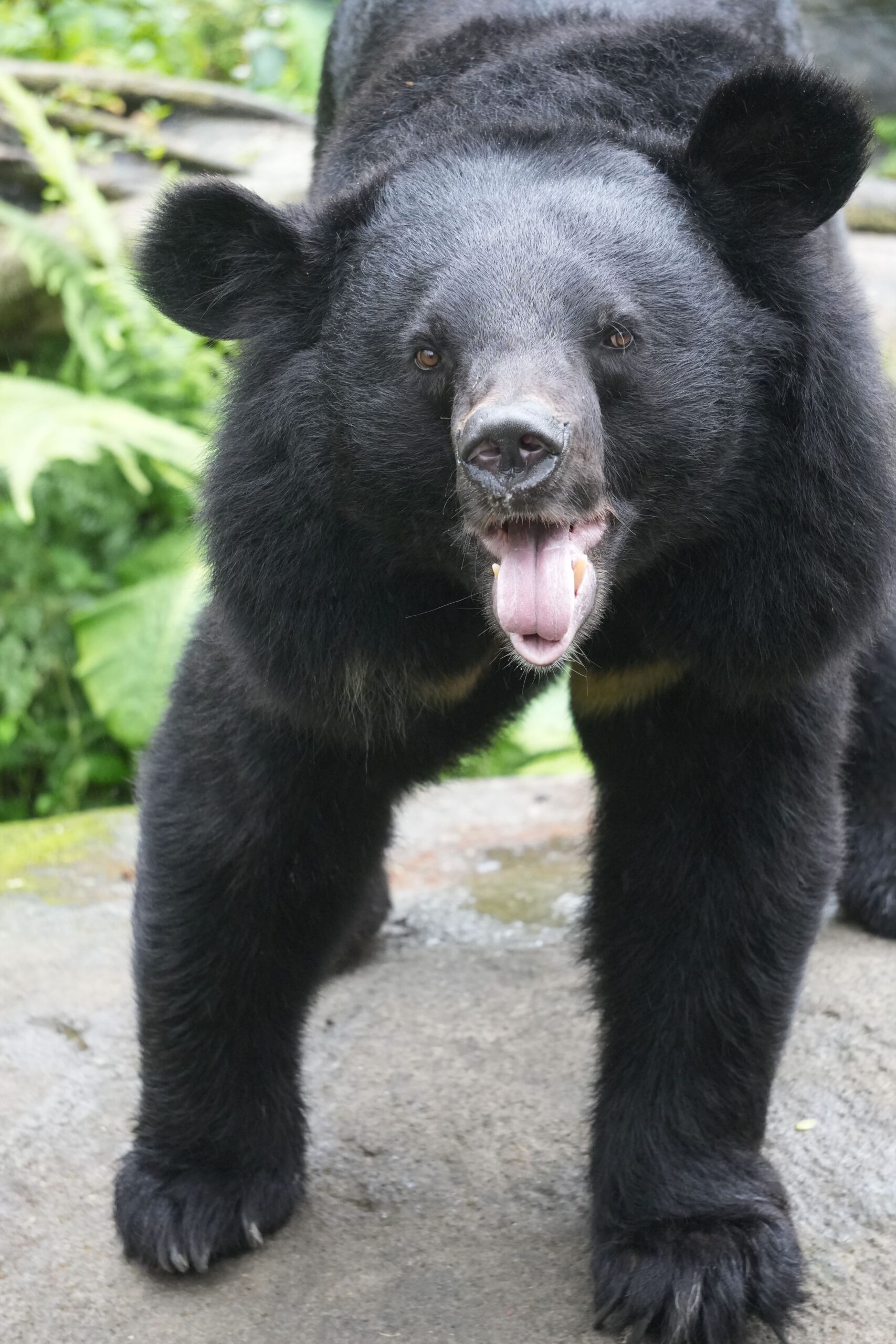
ナマケグマ(Melursus ursinus)の換毛は、季節によって大きく変化する「季節換毛型」です。
インドの暑い環境に適応しており、特に乾季から暑季にかけて古い毛を落とし、暑さに対応する特徴があります。
1. 換毛の時期
ナマケグマの換毛は地域差がありますが、一般的には:
🌸 春〜初夏(3〜6月頃)
最大の換毛期
- 冬の毛が抜ける
- 夏向けの毛に変わる
- 抜け毛が多くなる
インドではこの時期に気温が急上昇するため、体温調節のため重要です。
☀️ 夏(5〜7月頃)
- 毛量が少なくなる
- 体毛が短く感じられる
- 皮膚への熱放散がしやすくなる
ただし、ナマケグマは完全な短毛にはならず、特徴的な長い黒い毛を維持します。
🍂 雨季(6〜10月頃)
- 新しい毛が成長
- 毛並みが整う
- 皮脂による防水性が高まる
森林が湿潤になるため、被毛の状態が重要になります。
❄️ 冬(11〜2月頃)
インドでは極端な寒さは少ないため、
- 厚い冬毛への大きな変化は少ない
- 体毛を維持する時期
になります。
2. ナマケグマの毛の特徴
ナマケグマはクマの中でも非常に特徴的な毛を持ちます。
長く粗い黒毛
役割:
- 昆虫から皮膚を守る
- 森林内の枝や草との摩擦を防ぐ
- 体温調節
胸の白い模様
胸の「V字・Y字型」の白い模様は換毛によって多少変化します。
- 個体識別に利用される
- 毛が生え変わっても基本的な模様は維持される
鳴き声について
ナマケグマ(Melursus ursinus)の鳴き声は、クマ類の中でも特に多様で、低い唸り声から大きな咆哮まで幅広い音を使います。
主に威嚇・警戒・母子間の連絡・繁殖行動・感情表現に利用されます。
🐻「フーッ」「ブーブー」という鼻息音
警戒・威嚇
敵や危険を感じた時に出します。
状況:
- 人間に遭遇
- 突然近づかれた
- 子グマを守る時
特徴:
- 鼻から強く息を吐く
- 体を大きく見せる
- 前足で地面を叩くこともある
🐻「グルルル」「ウゥー」という唸り声
攻撃準備・不満
主に:
- 相手への警告
- 食物を守る
- 他個体への威圧
で使われます。
ナマケグマは視力が弱いため、音による威嚇を重要な防衛手段にしています。
🐻「ギャー」「キーッ」という高い叫び声
強い恐怖・攻撃時
見た目からは想像できないほど大きな声を出します。
特徴:
- 非常に大音量
- 遠くまで響く
- 捕食者や人間への警告になる
特に母グマが子どもを守る時によく見られます。
🐻「クンクン」「フンフン」という鼻音
探索・コミュニケーション
ナマケグマは嗅覚が非常に優れています。
使用場面:
- 仲間の存在確認
- 食べ物探索
- 周囲の情報収集
季節別の活動
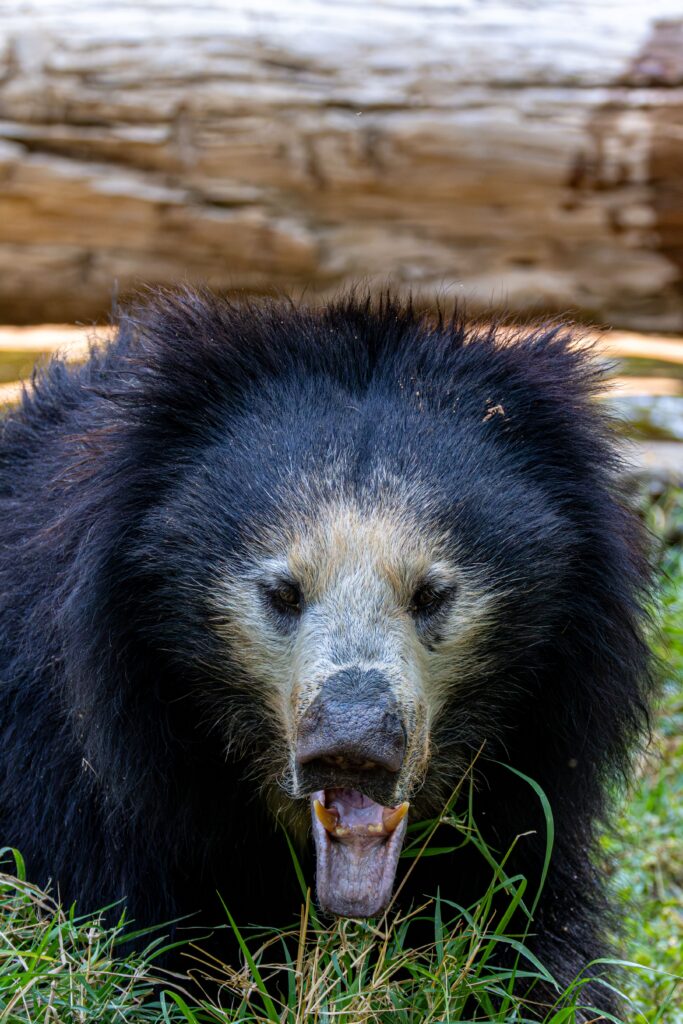
ナマケグマ(Melursus ursinus)の活動は、インド亜大陸の「乾季・暑季・雨季」の変化に強く影響されます。
特に重要なのは気温とシロアリ・アリ・果実などの食料量の変化です。
多くの地域では夜行性〜薄明薄暮性で活動しますが、季節によって時間帯が変化します。
🌸 春(2〜4月頃)
乾季後半・暑季への移行
活動
一年で最も活動が活発になる時期のひとつです。
理由:
- シロアリ・アリが活動する
- 果実が実り始める
- 冬の低温が終わる
主な行動:
- 地面を掘って昆虫探し
- 果実を探して広範囲を移動
- 水場の探索
- 繁殖行動
食べ物
中心:
- シロアリ
- アリ
- ハチの巣
- イチジク類
- マフアの果実
- 野生果実
特にシロアリの巣を壊す行動が増えます。
☀️ 夏(4〜6月頃)
最も暑い時期
ナマケグマにとって厳しい季節です。
活動時間の変化
昼間:
- 暑さを避けて休む
- 木陰や洞穴で休息
夜間:
- 活動量が増える
- 採食時間が長くなる
行動
- 水場への依存が増える
- 移動距離が短くなる
- 日陰を利用する
40℃近い気温になる地域では、体温管理が重要になります。
食べ物
増えるもの:
- 熟した果実
- 昆虫
- 蜂蜜
- 花
特に果実が豊富になる地域では、昆虫食から果実食へ比重が変化します。
🌧️ 雨季(6〜10月頃)
食料が豊富になる時期
活動
雨季は栄養状態が改善します。
増える行動:
- 採食
- 移動
- 体力回復
- 子育て
食べ物
豊富になる:
- シロアリ
- 昆虫
- 果実
- 植物の根
- 蜂の巣
地面が柔らかくなるため、穴掘りもしやすくなります。
繁殖との関係
地域によりますが、雨季前後は:
- 繁殖行動
- 子育て
が見られることがあります。
母親は食料が豊富な時期に子を育てることで、生存率を高めます。
🍂 秋〜冬(10〜2月頃)
乾季
活動
気温が下がるため比較的活動しやすい時期です。
特徴:
- 日中活動が増える
- 長距離移動が可能
- 食料探索範囲が広がる
食べ物
乾季では:
- シロアリ
- 根
- 木の実
- 果実
- 昆虫の幼虫
などを利用します。
休息
寒冷地では:
- 夜間の活動低下
- 洞穴利用
が増えます。
ただしナマケグマは冬眠しません。
歩行速度について
ナマケグマ(Melursus ursinus)は「ナマケ」という名前とは逆に、必要な時は非常に速く動ける動物です。
普段の移動はゆっくりですが、危険を感じた時の短距離走能力は高く、人間が走って逃げ切るのは困難です。
1. 通常の歩行速度
ナマケグマの通常移動速度は目安として:
- 約3〜5km/h程度
です。
森林内では、
- 鼻を地面につけて匂いを探す
- シロアリの巣を探す
- 果実を探す
など採食しながら移動するため、実際の平均速度はさらに遅くなります。
2. 走る速度
危険時や興奮時には:
🐻 短距離走
約30〜40km/h以上
に達すると考えられています。
特徴:
- 体を低くして突進
- 前足の強い筋肉で地面を蹴る
- 短距離で一気に加速
します。
3. 人間との比較
| 動物 | 速度 |
|---|---|
| 人間(一般的な歩行) | 約4〜5km/h |
| 人間(短距離走) | 約20〜25km/h程度 |
| ナマケグマ | 約30〜40km/h以上 |
| チーター | 約100km/h |
ナマケグマは長距離走者ではありませんが、近距離の突進力は非常に高いです。
ナマケグマの幼獣について
ナマケグマの幼獣(赤ちゃん)について、成長や特徴、生活の様子を詳しく整理します。
1. 誕生と体の特徴
- 出生体重:およそ250〜500g(種類による)
- 体の大きさ:生まれた直後は小さく、丸っこい印象
- 毛:生まれたときから柔らかい毛に覆われる
- 手足と爪:すでに長い爪を持ち、木にしっかり掴まれる
2. 行動と生活
- 母親依存
- 生まれた直後は母親の胸や腹にしがみついて過ごす
- 母親の背中やお腹にしっかり掴まることで安全を確保
- 移動
- 自分で歩くことはほとんどできない
- 木の上で母親と一緒に移動する
3. 成長
- 授乳期間:約5〜6か月
- 離乳:5〜6か月以降に葉や果実を少しずつ食べ始める
- 母親との依存期間:1歳くらいまで母親の木の上で生活
- 独立:1歳半〜2歳で単独行動を始める
4. 性格・習性
- 母親に抱かれて安心して過ごす
- 基本的に大人と同じくおとなしく、動きはゆっくり
- 樹上での生活に慣れるにつれて、爪で木に掴まる練習をする
5. 天敵からの防御
- 幼獣は母親に抱かれていることで捕食者から守られる
- 木の上で目立たず、母親の毛の緑色(藻類)カモフラージュの恩恵も受ける
ナマケグマは絶滅危惧種なのか?
ナマケグマは農作物に被害をもたらし、人を襲うこともあるため、駆除されました。このため個体数が減少し、絶滅危惧種に指定されています。さらにはワシントン条約にも掲載されており、国際取引が厳しく制限されています。ナマケグマは胆嚢が薬用になると信じられているため狩猟も大きな問題となっております。
1. IUCN(国際自然保護連合)による評価
ナマケグマは**2本指ナマケグマ属(Choloepus)と3本指ナマケグマ属(Bradypus)**に分かれます。それぞれの主な種の現状は以下の通りです。
3本指ナマケグマ属(Bradypus)
| 種 | IUCNの分類 | コメント |
|---|---|---|
| Bradypus variegatus(オオナマケグマ) | LC(Least Concern/軽度懸念) | 広範囲に分布し個体数は比較的安定 |
| Bradypus tridactylus(ブラジルナマケグマ) | LC | 生息範囲は限定的だが個体数は多い |
| Bradypus torquatus(マナウスナマケグマ) | EN(Endangered/絶滅危惧種) | 生息地がブラジル東部沿岸に限定され、森林伐採で減少 |
| Bradypus pygmaeus(ピグミーナマナケグマ) | CR(Critically Endangered/絶滅寸前) | 小島にしか生息せず、個体数が非常に少ない |
2本指ナマケグマ属(Choloepus)
| 種 | IUCNの分類 | コメント |
|---|---|---|
| Choloepus didactylus(カリブ海2本指ナマケグマ) | LC | アマゾン盆地などに広く分布 |
| Choloepus hoffmanni(ホフマンナマケグマ) | LC | 中米から南米北部に広く生息 |
2. 絶滅危惧の理由
- 森林伐採・生息地破壊
- 特にマナウスナマケグマやピグミーナマナケグマは森林が減少し、生息地が小さい
- 人間との接触
- 道路や開発による事故、ペット目的の捕獲
- 食物不足
- 森林破壊により食べる葉や果実が減る
- 遺伝的多様性の低下
- 小島や小規模森林に生息する種は近親交配のリスクがある
ナマケグマはペットとして飼育可能?
ナマケグマはそもそも人間を襲う可能性があるため、とてもじゃないですが飼育には向いていませんのでやめておきましょう。
1. 飼育の難しさ
① 樹上生活に特化した生態
- 一生のほとんどを木の上で過ごす
- 長い爪で木にぶら下がる生活をするため、広く高い空間が必要
- 家庭では再現が非常に難しい
② 食事の管理が難しい
- 主に葉を食べる葉食性
- 消化に時間がかかる特殊な胃を持ち、発酵によって栄養を吸収
- 人間用の餌では栄養不足や消化不良を起こしやすい
③ 低代謝・長寿
- ゆっくりしか動かないため運動不足になりやすい
- 自然界では20〜30年生きるが、家庭での飼育はさらに難易度が高い
2. 法律的制限
- 多くの国や地域で野生動物の飼育は許可制または禁止
- 日本でも、野生種のナマケグマは特定動物や希少動物に指定されており、飼育には許可が必要
3. 健康・安全上の問題
- 独特の爪で引っかき傷や怪我のリスクがある
- 天然の生態に合わない環境でストレスが溜まり、病気になりやすい
- 捕食者に狩られないからといって、ストレス耐性が低いため、家庭環境では精神的に弱る
飼育されている動物園(日本・世界)
ナマケグマ(Melursus ursinus)は、インドを中心に保護・繁殖目的で世界各地の動物園で飼育されています。
日本では比較的珍しいクマで、海外ではインドの動物園や欧米の大型動物園で見ることができます。
🇯🇵 日本で飼育されている主な動物園
🐻 上野動物園
- 日本でナマケグマを見られる代表的な施設のひとつ
- インド亜大陸の動物として展示
- 長い爪、特徴的な口、昆虫食への適応などを観察できる
🐻 よこはま動物園ズーラシア
- アジアの動物展示でナマケグマを飼育
- 森林環境を意識した展示
- 採食行動や活動パターンを観察できる
🐻 東山動植物園
- クマ類の展示実績が豊富な動物園
- ナマケグマの飼育・展示歴がある施設
🌏 世界で飼育されている主な施設
🇮🇳 インド(本来の生息国)
インドでは保護・教育目的で多くの動物園が飼育しています。
代表例:
🐻 National Zoological Park, Delhi
- インドを代表する国立動物園
- 在来種保護・教育展示を実施
🐻 Mysore Zoo
- インド有数の歴史ある動物園
- ナマケグマを含むインド固有動物を展示
🐻 Arignar Anna Zoological Park
- 大規模な動物園
- ナマケグマの飼育例がある
🇺🇸 アメリカ
🐻 National Zoo
- スミソニアン系の動物園
- ナマケグマの飼育・繁殖実績がある
🐻 San Diego Zoo
- 世界的に有名な大型動物園
- クマ類の展示・保全研究を行う
他の動物を紹介
コメント