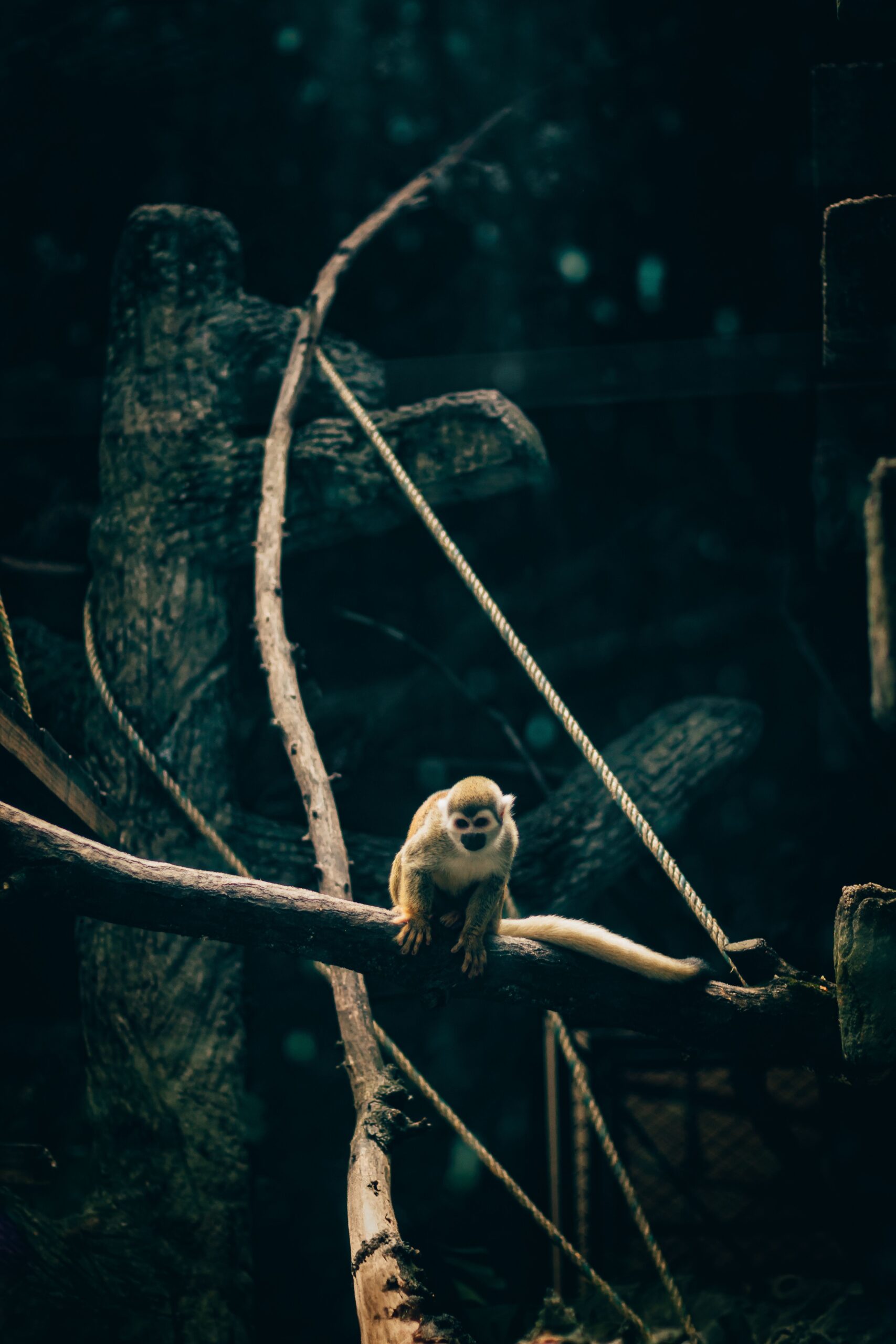
フサオマキザルはどんな動物?特徴、生態、生息地について解説します。南米のコロンビア、ベネズエラ、ガイアナ、スリナムなどで見れる動物で、あまり有名ではないのですが、絶滅危惧種に指定されており、とても危機的な状況にある動物です。


フサオマキザルとは? 基本ステータスについて
フサオマキザルは霊長目オマキザル科オマキザル属に分類されるサル。体長は30-56cm、体重は2-4kg。学名はCebus apella。漢字は房尾巻猿。情報の一覧は以下の通り。
| Japanese(和名) | フサオマキザル |
| English(英名) | tufted capuchin brown capuchin |
| scientific name(学名) | Cebus apella |
| classification(分類) | Mammalia、Primates、 Cebidae、Cebus 哺乳綱、サル目、オマキザル科、オマキザル属 |
| IUCN Status(保全状況) | CRITICALLY ENDANGERED |
| Length(体長) | 30-56cm |
| Weight(体重) | 2-4kg |
フサオマキザルのルーツ、起源は?
フサオマキザル(房尾巻猿、英名:Tufted capuchin / Robust capuchin)のルーツは、南アメリカに進化した「新世界ザル」の仲間です
1. 起源:約700万年前の祖先から分岐
フサオマキザルを含むオマキザル類(Cebus・Sapajus系統)は、約680万年前〜700万年前ごろに成立した系統と考えられています。
その祖先は、南アメリカ大陸で進化した小型の霊長類でした。
進化の流れは大まかに:
初期の霊長類
↓
新世界ザル(約3000万年前以降に南米で多様化)
↓
オマキザル科(Cebidae)
↓
オマキザル類(Cebus系統)
↓
フサオマキザル属(Sapajus)
という流れです。
2. 祖先はどこから来たのか?
新世界ザル全体の祖先は、アフリカ起源の霊長類が大西洋を渡って南アメリカへ到達したものと考えられています。
約4000万年前ごろ、当時のアフリカと南アメリカの間には現在より狭い海域があり、
流木や植物の浮島に乗って漂流した可能性が有力です。
南米に渡った霊長類は、天敵の少ない環境で独自進化し、
- オマキザル
- ホエザル
- クモザル
- リスザル
など多様なグループへ分化しました。
3. フサオマキザルと普通のオマキザルの違い
昔はフサオマキザルも普通のオマキザルも Cebus属 にまとめられていました。
しかし遺伝子解析や骨格研究から、
- Cebus(華奢型オマキザル)
- Sapajus(頑丈型=フサオマキザル)
の2系統に分けられるようになりました。
フサオマキザル(Sapajus)は:
- 太い頭蓋骨
- 強い顎
- 筋肉質な体
- 太い尾
- 道具使用能力
など、より「力強い生活」に適応しています。
4. なぜ「フサ」があるのか?
頭の左右にある房状の毛(冠毛)は進化した特徴です。
役割として考えられるもの:
- 仲間への視覚的な合図
- 威嚇時に大きく見せる
- 種の識別
などがあります。
特にオスでは毛の房が目立つ種類が多く、社会的なコミュニケーションに使われている可能性があります。
分類について
フサオマキザルは多数の亜種が存在します。
- C. a. apella
- C. a. macrocephalus
- C. a. fatuellus
- C. a. peruanus
- C. a. tocantinus
- C. a. margaritae
- C. a. libidinosus
- C. a. juruanus
- C. a. pallidus
- C. a. nigritus
- C. a. paraguayanus
- C. a. vellerosus
- C. a. robstus
- C. a. cay
- C. a. frontatus
- C. a. xanthosternos
科学的分類
- 界:動物界 (Animalia)
- 門:脊索動物門 (Chordata)
- 綱:哺乳綱 (Mammalia)
- 目:霊長目 (Primates)
- 亜目:真猿亜目 (Haplorhini)
- 科:オナガザル科 (Cebidae)
- 属:フサオマキザル属 (Cebus)
生息地について
フサオマキザルはコロンビア、ベネズエラ、フランス領ギアナ、ガイアナ、スリナム、ブラジルに分布しています。
1. 生息地の概要
- 主に中南米の熱帯雨林や乾燥林に生息
- 樹上生活が中心で、木の枝を移動しながら生活
- 森林の密度や食物の豊富さが重要
2. 種ごとの主な分布
白顔カプチン (Cebus capucinus)
- 分布:中米(コスタリカ、パナマ)、北西南米の熱帯雨林
- 特徴:白い顔と黒い体毛で識別しやすい
ホワイトフロントカプチン (Cebus albifrons)
- 分布:南米北部(コロンビア、ベネズエラ、ガイアナ)
- 特徴:額が白く、顔の模様が目立つ
ブラジルカプチン (Cebus apella)
- 分布:アマゾン盆地、ブラジル、ボリビア、ペルー
- 特徴:体毛が暗く、フサフサの頭部が特徴
オリーブカプチン (Cebus olivaceus)
- 分布:北ブラジル、ガイアナ、ベネズエラ南部
- 特徴:オリーブ色っぽい体毛で名前がついた
3. 環境の特徴
- 樹上生活に適した森林
- 枝が複雑に張り巡らされた林冠を好む
- 巣や休息場所は特に高い木の上
- 食物資源が豊富な地域
- 果実、葉、昆虫などの多様な食物がある森
- 水源が近いことが多い
- 河川沿いの森林や湿地帯にも生息
特徴は?どんな感じの生物なのか?
フサオマキザルは顔は黒で頭部にはふさのような盛り上がった毛があるためこれが最大の特徴です。4肢には5本の指があり、後足で物をつかむことも出来る。尾は長く、樹上でのバランスを取れます。フサオマキザルは亜熱帯や熱帯の森林に生息します。地上に降りることもありますが基本は樹上性で、樹木の中層から下層で生活します。
1. 体の特徴
- 大きさ:体長30〜60cm、尾長40〜55cm
- 体型:小型〜中型でがっしりした体型
- 毛:
- 頭部の毛が長くフサフサしている
- 種によって色や模様が異なる(白顔カプチンは顔が白い、ブラジルカプチンは体が暗色)
- 尾:把持尾(枝を掴むことができる)
- 顔:
- 種によって黒や白の模様があり、表情豊か
- 目が大きく、活発で知的な印象
2. 動き・行動
- 樹上生活が中心で、木の枝を素早く移動
- 高い運動能力を持つ
- 社会性が高く、群れで複雑な社会関係を形成
- 探索心旺盛で、遊びや道具を使うこともある
3. 食性
- 雑食性
- 果実、種子、葉、昆虫、小動物など
- 食物を探すために木を移動することが多い
4. 性格・知能
- 非常に賢く好奇心旺盛
- 群れ内で協力や争い、遊びを通じて社会的スキルを発達させる
- 人間に慣れることもあるが、野生では警戒心が強い
性格はどんな感じなのか?
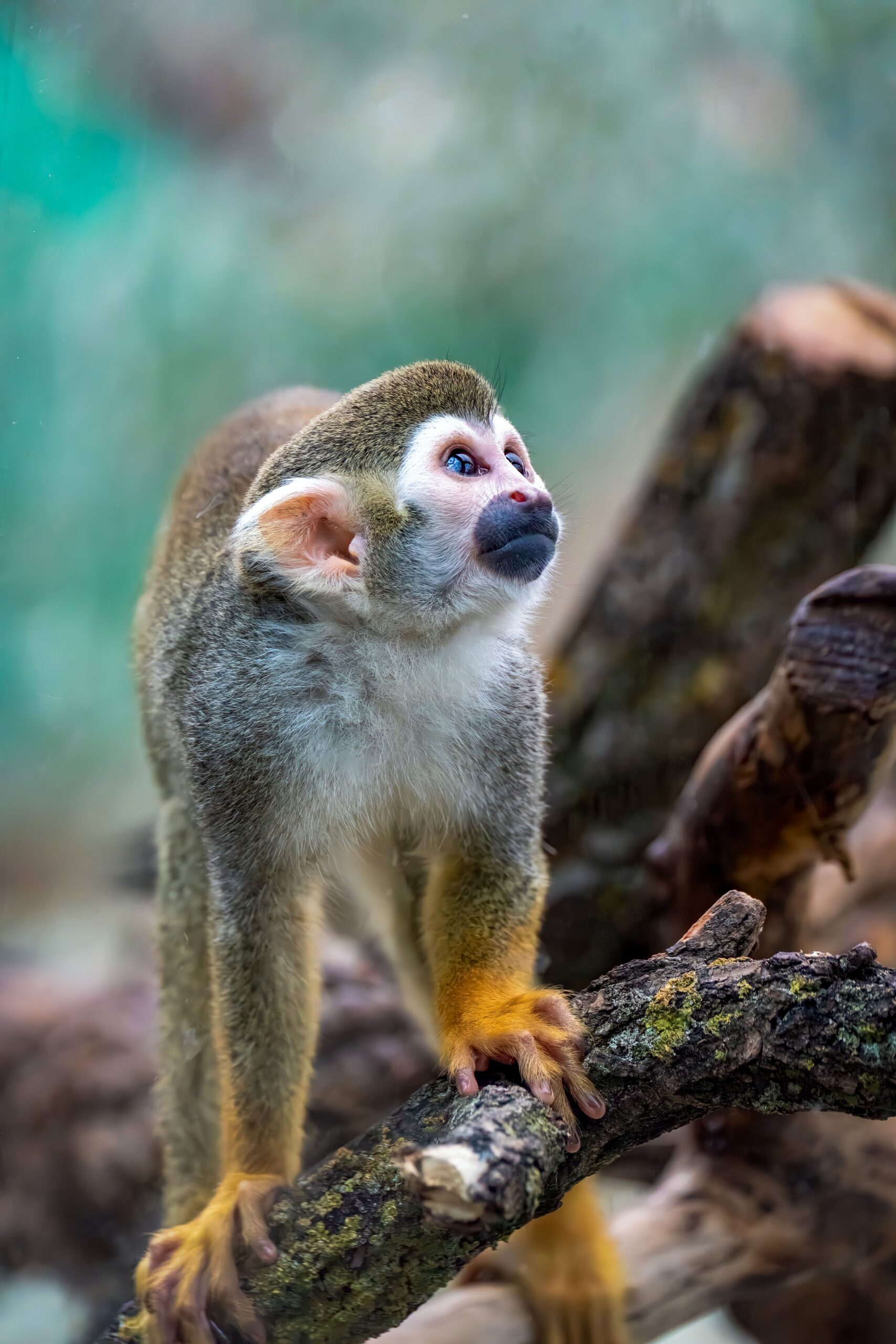
フサオマキザルはとても知力の高いサルで馬鹿な人間よりも優秀な一面を持っています。野生では道具を使って作業を行うこともできます。他のサルに聞こえるように警戒音を発して危険を知らせることもできるのでとても優秀です。さらに社会性がとても強く群れで生活します。
フサオマキザルの性格・行動の特徴
- 好奇心旺盛で賢い
- 新しい環境や物に興味を示す
- 道具を使ったり、食べ物を工夫して取り出すことがある
- 社会性が高い
- 群れで生活し、協力や遊びを通じて関係を築く
- 順位や役割が群れの中で形成される
- 仲間とのグルーミング(毛づくろい)で信頼関係を維持
- 遊び好きで活発
- 木の間を素早く移動したり、飛び回ったりする
- 幼獣は特に遊び好きで、社会性を学ぶ
- 警戒心がある
- 野生では捕食者に対して非常に警戒
- 人間や他の動物にも慎重に接する
- 個体差がある
- 群れ内でも、リーダー的な性格の個体と控えめな個体がいる
- 知能の高さから、個体ごとの行動の差が目立つ
生態はどんな感じなのか?
フサオマキザルは雑食で種子や果実を食べることが多いですが木の実や木の根、茎などのほか、昆虫や爬虫類も食べています。繫殖形態は胎生。一夫多妻で、決まった繁殖期はありません。妊娠期間は150日あり、1回につき1頭~3頭産むことが可能。寿命は30~45年程度と考えられてます。
1. 生活環境
- 樹上生活が基本
- 木の枝や樹冠層を自由に移動
- 地上に降りることはほとんどない
- 生息地
- 熱帯雨林や乾燥林
- 食物や水源が豊富な森林を選ぶ
2. 食性
- 雑食性
- 果実、種子、葉、昆虫、小型の爬虫類や鳥類の卵も食べることがある
- 食べ方の工夫
- 手を使って木の実を取り、殻を割ったり皮をむいたりする
- 食物の探し方
- 群れで協力して探すこともある
3. 社会性・群れ生活
- 群れで生活
- 10〜30頭程度の群れが多い
- 順位や役割が群れ内で形成される
- コミュニケーション
- 鳴き声、表情、体の動きで仲間と情報交換
- グルーミングで信頼関係を維持
4. 移動・行動パターン
- 活動時間:昼行性(昼間に活発に活動)
- 移動:枝伝いに木から木へ素早く移動
- 休息:夜は高い木の上で寝る
5. 繁殖
- 性成熟:3〜5歳頃
- 繁殖シーズン:特定の時期はなく、環境によって変動
- 妊娠期間:約160〜180日
- 出産数:通常1匹
- 子育て:母親が抱き、群れの中で育てる
天敵はいるのか?
フサオマキザルはジャガーやピューマが天敵に当たります。
換毛について
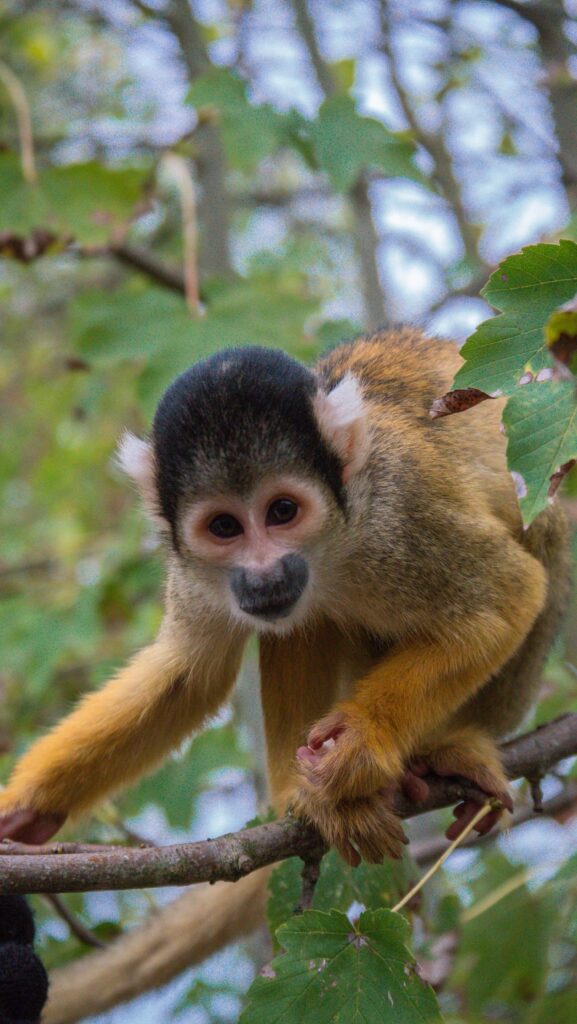
フサオマキザルの換毛(毛の生え変わり)は、犬や猫のように季節ごとに大量に毛が抜け替わる「明確な換毛期」はありません。
基本的には少しずつ一年を通して毛が生え変わる(連続換毛)タイプです。
1. 換毛の仕組み
フサオマキザルの毛は、
- 古くなった毛が抜ける
- 同じ毛穴から新しい毛が伸びる
- 体全体で少しずつ更新される
というサイクルを繰り返します。
そのため野生では、季節の変化があっても「冬毛→夏毛」のような大きな変化は見られません。
2. 換毛に影響する要因
🌡 気温
南米の熱帯〜亜熱帯環境では年間の気温差が小さいため、
- 厚い冬毛を作る必要がない
- 一年中ほぼ同じ毛量を維持する
方向に進化しました。
☀️ 日照時間
霊長類では日照時間やホルモン変化が毛周期に影響します。
特に:
- メラトニン
- 甲状腺ホルモン
- 性ホルモン
などが毛の成長周期に関係します。
🍎 栄養状態
換毛は体力を使います。
不足すると:
- 毛が細くなる
- ツヤが落ちる
- 抜け毛が増える
- 毛周期が乱れる
ことがあります。
野生では果実・昆虫・木の実などを十分に食べられる時期に毛の状態が良くなります。
鳴き声について
フサオマキザルの鳴き声は非常に多様で、霊長類の中でも高度なコミュニケーション能力を持つことで知られています。
単なる「声」ではなく、仲間との情報交換・警戒・感情表現・社会関係の維持に使われます。
1. 主な鳴き声の種類
🐒「キッキッ」「ピッピッ」(高音の短い声)
主に:
- 仲間を呼ぶ
- 群れの位置確認
- 軽い興奮
- 子どもが母親を探す
ときに使われます。
特に幼獣は母親との距離を保つために頻繁に発します。
🐒「ギャー」「アーアー」という大きな声
警戒・威嚇の声です。
原因:
- 捕食者の接近
- 知らない個体の侵入
- 群れ内の争い
など。
フサオマキザルは視覚だけでなく、鳴き声で危険情報を共有します。
🐒「クックッ」「グルグル」という低い声
安心している時や社会的な交流で出します。
用途:
- 仲間への接近
- 毛づくろい中
- 母子間の交流
など。
🐒「ホイッスル(口笛のような音)」
フサオマキザル類で特徴的な声です。
使われる場面:
- 離れた仲間への呼びかけ
- 群れの集合
- 不安時
遠くまで届く周波数を使うことで、森林内でも仲間と連絡できます。
2. 捕食者によって鳴き声を変える
フサオマキザルは非常に知能が高く、危険の種類を区別します。
例:
- 🦅 空からの猛禽類 → 高い警戒音
- 🐍 ヘビ → 別の警戒音
- 🐆 地上の捕食者 → 低い警戒音
というように、状況に応じて異なる警告を出します。
これは「単なる恐怖の叫び」ではなく、仲間に具体的な危険情報を伝える能力と考えられています。
季節別の活動
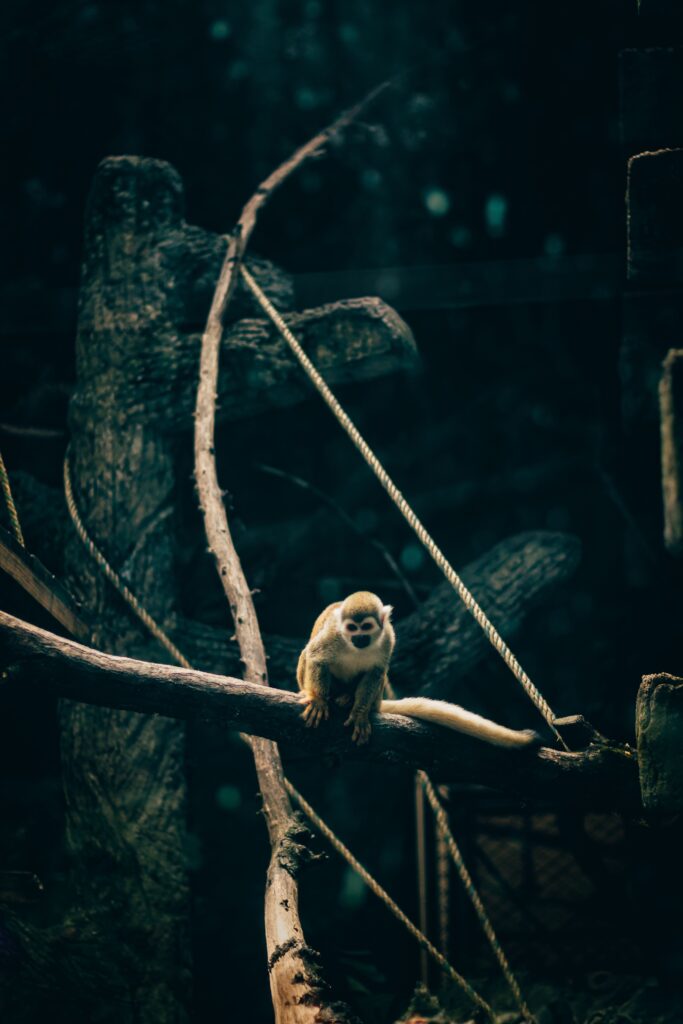
フサオマキザルの活動パターンは、地域によって大きく異なります。
南米の熱帯雨林・乾燥林・サバンナ(セラード)など幅広い環境に適応しているため、「雨季」と「乾季」の影響を強く受けるのが特徴です。
🌱 春(雨季の始まり・植物成長期)
※南米では地域により9〜11月頃など
活動
- 果実や新芽を探す時間が増える
- 樹上での採食活動が活発化
- 群れの移動範囲が広がる
食べ物
- 新しい葉
- 花
- 柔らかい果実
- 昆虫
など栄養価の高い食物が増える時期です。
社会行動
- 子育てが活発
- 若い個体の遊びが増える
- 毛づくろいなど群れの交流が増える
☀️ 夏(雨季・食料豊富な時期)
活動
フサオマキザルにとって最も活動しやすい季節です。
主な行動:
- 早朝から採食
- 樹上を移動
- 道具を使った食物探索
- 仲間との遊び
食性
果実が豊富になるため、
- 果実
- 種子
- ヤシの実
- 昆虫
を中心に食べます。
特に知能を活かし、硬い木の実を石で割る行動が増えます。
🍂 秋(乾季への移行)
活動
食料環境が変化するため、採食戦略が変わります。
増える行動:
- 木の皮を調べる
- 地上へ降りる
- 根や種子を探す
- 昆虫採集
果実が減るため、より「工夫して食べる」時期になります。
社会行動
- 群れの移動距離が増える
- 水場を探す
- 縄張り周辺の警戒が増える
🌵 冬(乾季)
※南米では地域によって5〜8月頃
フサオマキザルにとって最も厳しい時期です。
活動
- 朝夕に活動が集中
- 日中の暑い時間は休憩
- 食料探索に多くの時間を使う
食べ物
不足する果実の代わりに:
- 種子
- ナッツ
- 樹皮
- 昆虫
- 小型動物
- 蜜
などを利用します。
行動変化
- 群れでまとまる時間が増える
- エネルギー消費を抑える
- 移動範囲が広がる
歩行速度について
フサオマキザルの歩行速度は、地上性の動物ほど速くありませんが、樹上生活に適した高い運動能力を持っています。
主な移動方法は四足歩行(手足を使った歩行)・枝渡り・跳躍です。
1. 通常の歩行速度
野外でのフサオマキザルの移動速度は、状況によりますが目安として:
- 通常移動:約1〜2km/h程度
- 採食しながらの移動:さらに遅い(数百m/h程度になることもある)
- 危険時・逃走時:短距離で大きく加速
と考えられます。
人間の歩行(約4〜5km/h)より遅いですが、森林内では単純な速度よりバランス能力・方向転換能力が重要になります。
2. 走る速度
フサオマキザルは短距離ならかなり速く動けます。
特徴:
- 四肢を使った高速移動
- 木の幹を駆け上がる
- 枝から枝へ素早く移動
- 危険時には瞬間的に逃げる
ただし、開けた場所で長距離を走る能力は発達していません。
3. 樹上での移動能力
フサオマキザルの本領は木の上です。
得意な動き:
- 枝を素早く渡る
- 尾でバランスを取る
- 片手で枝をつかむ
- 跳躍して別の枝へ移る
特に尾は「第5の手」のような役割を持ち、体勢維持に使われます。
※ただしフサオマキザルの尾は、クモザルなどのような完全な巻き付き型の「把握尾」ではありません。
フサオマキザルの幼獣について
フサオマキザルの幼獣(赤ちゃん)について詳しく整理します。母親や群れの社会生活との関わりが非常に重要です。
1. 誕生と体の特徴
- 出生体重:約200〜400g
- 体長:15〜20cmほど
- 毛:柔らかく短い毛に覆われている
- 手足と尾:把持尾を持ち、母親の背中やお腹にしっかり掴まれる
2. 母親依存
- 生後数か月は母親に抱かれて過ごす
- 母親の背中やお腹にしがみつくことで安全を確保
- 母親が移動するときも一緒に樹上を移動
- 母親以外の群れのメンバーからも保護を受けることがある
3. 成長と発達
- 授乳期間:約6か月
- 離乳:生後6か月頃から葉や果実を少しずつ食べ始める
- 自立:1歳前後で群れの中で独立行動を学び始める
- 社会性の学習:遊びや母親・群れの仲間との交流を通じて社会スキルを習得
4. 行動の特徴
- 遊び好きで活発
- 木登りやジャンプの練習を通じて運動能力を発達させる
- 好奇心旺盛
- 周囲の物や仲間に興味を持つ
- 安全第一
- 母親のそばを離れず、危険があればすぐに抱かれる
5. 捕食者からの防御
- 幼獣単独では弱いため、母親や群れの保護が重要
- 木の上にいることでジャガーや大型鳥から身を守る
フサオマキザルは絶滅危惧種なのか?
フサオマキザルは残念ながら亜種が絶滅危惧種に指定されております。南ベネズエラのマルガリータ島の個体群が極端に減少しており、完全に絶滅してしまう可能性があります。
1. IUCN(国際自然保護連合)の評価
フサオマキザル属 (Cebus) は複数の種がありますが、**多くの種は「軽度懸念(LC: Least Concern)」**とされています。ただし、一部の種や局所個体群は脅威にさらされています。
| 種 | IUCN評価 | コメント |
|---|---|---|
| Cebus capucinus(ホワイトフェイスカプチン) | LC(軽度懸念) | 中米で広く分布、個体数は比較的安定 |
| Cebus albifrons(ホワイトフロントカプチン) | LC | 南米北部で広く分布 |
| Cebus apella(ブラジルカプチン) | LC | アマゾン盆地に広く分布、個体数安定 |
| Cebus olivaceus(オリーブカプチン) | LC | 北ブラジルやガイアナで安定 |
※ただし、森林破壊やペット取引の影響を受けやすい地域では、局所的に減少が報告されています。
2. 絶滅の脅威
- 森林伐採・生息地の減少
- 農地開発や都市化で樹上生活の場所が失われる
- ペット目的の捕獲
- 幼獣が野生から捕獲されることで局所的に個体数減少
- 食物資源の減少
- 森林破壊により果実や昆虫が減少
フサオマキザルはペットとして飼育可能?
フサオマキザルは以上のように絶滅危惧種に指定されているため、一般人が飼育することが無理です。動物園などで鑑賞しましょう。入園してイベントなどを園内で案内してもらいましょう。知能の高いサルでものを使うことが可能です。
1. 飼育の難しさ
① 社会性・精神的要求が高い
- 野生では群れで生活し、複雑な社会関係を持つ
- 単独で飼うとストレスや攻撃性が出やすい
② 知能が高く活発
- 手先が器用で、遊びや探索に強い好奇心を持つ
- 家庭環境では退屈しやすく、家具や物を壊すことがある
③ 食事管理が難しい
- 雑食性だが、果物や昆虫、種子など多様な食物が必要
- 栄養不足や消化不良を起こすことがある
④ 運動空間が必要
- 樹上生活に適応しており、ジャンプや登攀ができる広い環境が必要
- 狭いケージではストレスや健康障害が起こる
2. 法律的制限
- 日本では野生動物や国際取引規制(CITES)対象の場合、許可が必要
- 多くの国でカプチンモンキーは「特定動物」または「野生動物」として規制される
- 違法に飼育すると罰則の対象になることもある
3. 健康・安全上の問題
- 噛む・引っかくリスクがある
- ストレスで攻撃性が増すことがある
- 感染症リスク(サル痘や腸内細菌など)
飼育されている動物園(日本・世界)
フサオマキザル(Sapajus apella)は、日本・世界の多くの動物園で飼育されている代表的な新世界ザルです。
知能が高く、道具使用や複雑な社会行動が観察できるため、霊長類展示では人気があります。
🇯🇵 日本で飼育されている主な動物園
札幌市円山動物園
- フサオマキザルを飼育
- 南米の森林環境を再現した展示
- 知能や道具使用能力について紹介されている
京都市動物園
- フサオマキザルを展示
- 樹上生活や巻き尾、房毛などの特徴を観察できる
池田動物園
- フサオマキザルを飼育
- 個体紹介や食性などの情報を公開している
小諸市動物園
複数個体の性格や群れの関係も紹介されている
フサオマキザルを飼育
🌎 世界で飼育されている主な施設
🇬🇧 イギリス
エディンバラ動物園
- フサオマキザルの飼育例がある代表的な欧州動物園
- 霊長類展示・繁殖プログラムに参加しています
🇸🇬 シンガポール
River Wonders
- フサオマキザルの展示例があります
🇺🇸 アメリカ
アメリカでは多くの動物園・霊長類施設で飼育されています。
例:
- サンディエゴ動物園
- ブロンクス動物園
- スミソニアン国立動物園
などでオマキザル類の飼育・研究が行われています。

他の動物を紹介

コメント