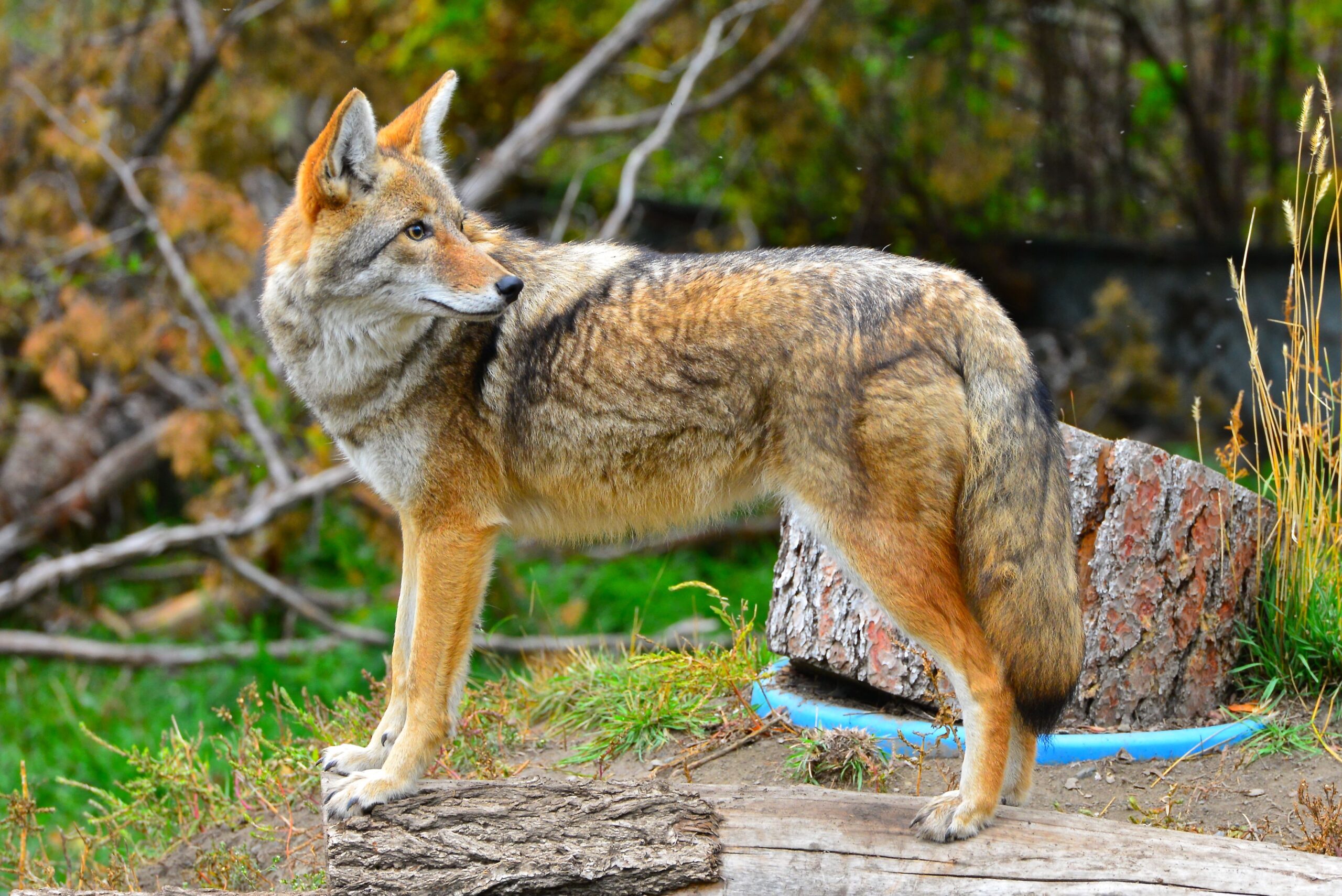
コヨーテはどんな動物?特徴、生態、生息地について解説します。コヨーテは北アメリカ大陸からパナマの西部辺りまで広く分布し肉食動物として知られています。コヨーテは様々な環境に適応していて、しばしば人間のいる住宅地にも姿を見せます。


コヨーテとは? 基本ステータスについて
コヨーテは、食肉目イヌ科イヌ属に分類される食肉類。学名はCanis latrans、英語名はCoyote。体長は70-100cm、尾長は30-40cm、体重は10-20kg。情報の一覧は以下の通り。
| Japanese(和名) | コヨーテ |
| English(英名) | Coyote Prairie Wolf |
| scientific name(学名) | Canis latrans |
| classification(分類) | Mammalia、 Carnivora、 Canidae、Canis 哺乳綱、食肉目、イヌ科、イヌ属 |
| IUCN Status(保全状況) | LEAST CONCERN |
| Length(体長) | 70-100cm |
| Weight(体重) | 10-20kg |
コヨーテのルーツ、起源は?
コヨーテ(英: coyote、学名 Canis latrans)のルーツは、北アメリカで進化したイヌ科動物です。オオカミの小型版と思われがちですが、進化の歴史ではかなり古い独自系統を持っています。
起源:北アメリカ生まれのハンター
- コヨーテの祖先は約100万年以上前の北アメリカに存在したとされます。
- 祖先候補として Canis lepophagus(カニス・レポファグス) という古いイヌ属が挙げられています。
- 現代のコヨーテ(Canis latrans)は更新世(約258万年前〜1万年前)の時代に登場し、北米大陸で発展しました。
系統的には、
古代イヌ科
↓
Canis lepophagus などの原始的Canis
↓
古代コヨーテ系統
↓
現代コヨーテ(Canis latrans)
という流れです。
オオカミとの関係
コヨーテとオオカミは近縁ですが、親子関係ではありません。
- オオカミ(Canis lupus)は主にユーラシア起源
- コヨーテは北アメリカ起源
という違いがあります。
ただし、両者は近いため交雑することがあります。
例:
- イースタンコヨーテ(東部コヨーテ)
- オオカミ由来の遺伝子を一部持つ個体群が存在
- 体格が通常のコヨーテより大きい傾向があります
なぜ現在アメリカ全土にいるのか?
昔のコヨーテは主に、
- アメリカ西部
- 草原地帯
- 乾燥地帯
に住んでいました。
しかし1900年代以降、
- オオカミなど大型捕食者の減少
- 森林開発による環境変化
- 食べ物への適応力
によって急速に分布を拡大しました。現在では北米のほぼ全域に広がっています。
名前の由来
「coyote」という名前は、メキシコ先住民の言語であるナワトル語の 「coyōtl(コヨトル)」 に由来します。
意味はおおむね、
「野生の犬」
です。
生物学的分類(タクソノミー)
| 階級 | 分類 |
|---|---|
| 界 | 動物界(Animalia) |
| 門 | 脊索動物門(Chordata) |
| 綱 | 哺乳綱(Mammalia) |
| 目 | 食肉目(Carnivora) |
| 科 | イヌ科(Canidae) |
| 属 | イヌ属(Canis) |
| 種 | コヨーテ(Canis latrans) |
生息地について
コヨーテは北アメリカから中米、南米にも一部住んでいます。
1. 地理的分布(どこにいるか)
コヨーテは北アメリカを中心に、現在も分布を拡大している哺乳類です。
本来の分布
- 北米中央部(グレートプレーンズ周辺)
現在の分布
- カナダ南部
- アメリカ合衆国全域(アラスカ南部〜都市部まで)
- メキシコ
- 中米北部(パナマ付近まで)
北米で最も分布域が広い中型肉食獣の一つです。
2. 生息環境の幅広さ(最大の特徴)
コヨーテは環境適応力が非常に高いことで知られています。
主な生息地
- 草原・プレーリー
- 砂漠・半砂漠
- 森林(針葉樹林・落葉広葉樹林)
- 山地・丘陵
- 農村地帯
- 都市部・郊外(公園、ゴルフ場、河川敷)
「野生動物=人里離れた場所」という常識が通じません。
3. 都市生息という特徴
都市での例
- ロサンゼルス
- シカゴ
- トロント
- ニューヨーク近郊
都市でも生きられる理由
- 雑食性(ネズミ・ウサギ・果実・ゴミ)
- 夜行性化による人間回避
- 高い学習能力
➡ 大型捕食者が消えた都市環境を逆に利用
4. 生息地と行動圏
- 1個体・1家族あたりの行動圏
- 草原:数十km²
- 都市部:数km²まで縮小
- 環境に応じて柔軟に変化
5. 巣・休息場所
- 地面の穴(自掘り・他動物の巣を利用)
- 藪の中
- 倒木の下
- 都市では
- 空き地
- 排水管周辺
- 河川敷
「巣」というより一時的な隠れ場所の感覚。
特徴は?どんな感じの生物なのか?
コヨーテは体毛は全体的に淡い黄褐色で、白い毛が混ざり、四肢は黄色がかっており、尾や胴の背面は灰褐色、腹部は灰白色。コヨーテは森林や開けた草原、茂みなどにいます。コヨーテはオオカミによく見ていますがオオカミよりは小さいです。主に夜行性で昼間にもたまに行動をします。縄張り意識があり生息環境に尿などによって縄張りを主張します。走るのは速く、時速65kmで駆けることができるほか、跳躍力も4mも跳ぶことが出来ます。
1. 見た目の特徴
- 体長:1.0〜1.3m(尾含む)
- 体重:7〜20kg(地域差あり)
- 体型:細身で脚が長い
- 毛色:灰褐色〜黄褐色(地域で変化)
- 顔:鼻先が細く、耳が大きい
オオカミより小さく、キツネより大きい中間的な印象。
2. 性格・気質(どんな感じ?)
非常に賢い
- 学習能力が高い
- 罠や危険をすぐ覚える
- 人間の行動パターンを理解する
基本は臆病
- 人を見ると距離を取る
- 不要な争いを避ける
しかし状況次第で大胆
- 都市では人に慣れる個体も
- 食べ物が絡むと接近することがある
3. 行動パターン
活動時間
- 主に夜行性・薄明薄暮性
- 人の多い場所では夜型になる
移動
- 長距離を歩き・走る
- 泳ぎも得意
4. 食性(何を食べる?)
雑食性
- ネズミ、ウサギ
- シカの幼獣
- 昆虫
- 果実
- 人間のゴミ・ペットフード
食べられるものはほぼ何でも。
5. 社会性
- 単独行動が基本
- 繁殖期や子育て期はつがい・家族単位
- 獲物が大きい場合は小規模な群れを形成
状況に応じて社会構造を変える柔軟さが特徴。
6. 鳴き声(非常に有名)
- 遠吠え
- 高音の鳴き交わし
- 短い吠え声の連続
数頭でも大群に聞こえる錯覚を起こす。
7. 人間との関係
ポジティブ
- ネズミ・ウサギの数を抑制
- 生態系のバランス調整
ネガティブ
- ペット被害
- 家畜被害
- 都市でのトラブル
敵視もされるが、生態系では重要。
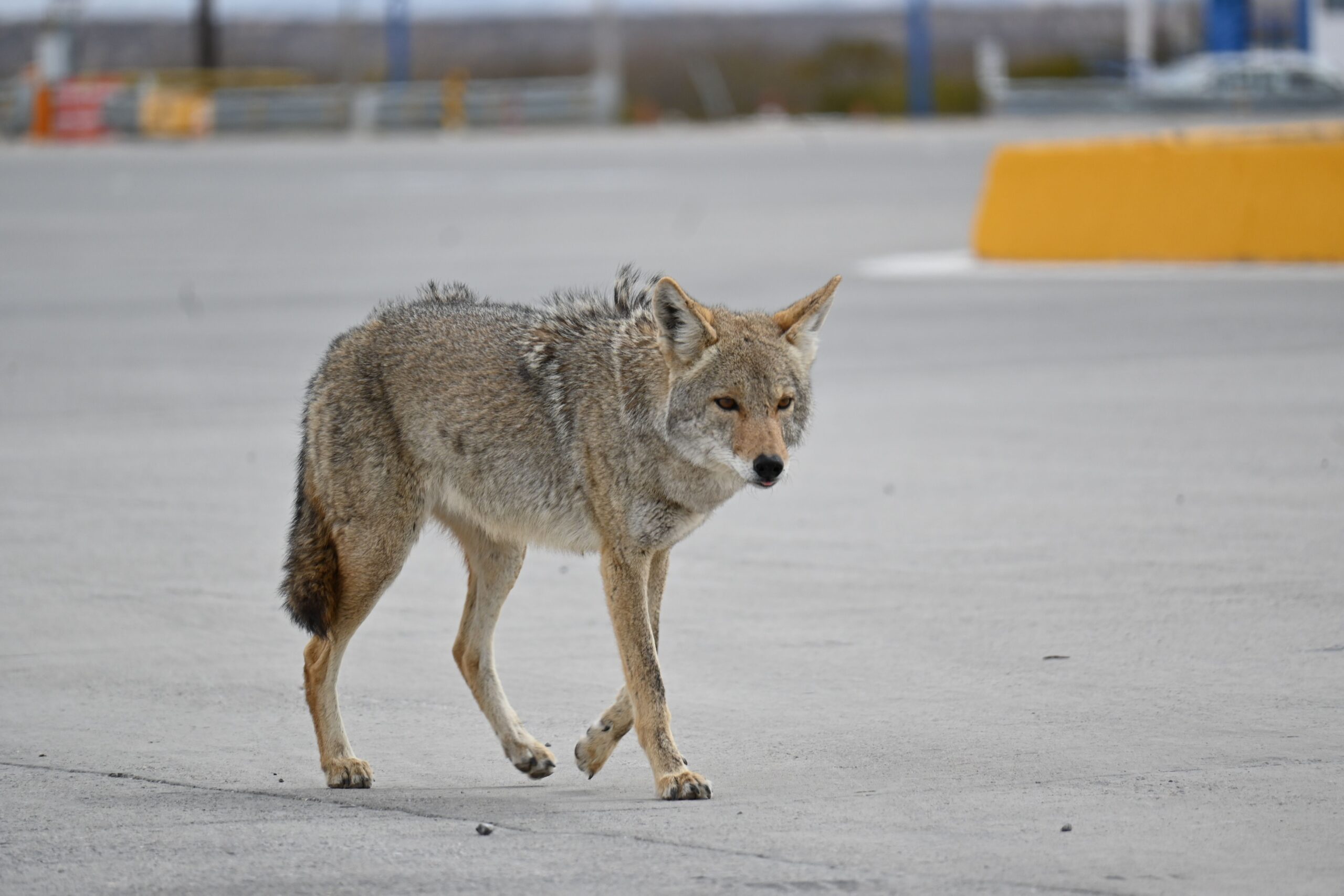
性格はどんな感じなのか?
コヨーテは社会性に乏しく、単独やつがい、或いは家族群で生活することが多いため大きな群れを形成することはありません。これは外敵が少ないことが理由に挙げられます。行動範囲は雄で20~40k㎡、雌で10k㎡程度。
1. 基本気質:とても慎重
- 本来は臆病で警戒心が強い
- 人や大型動物とは距離を取る
- 不要な争いを避ける
「大胆な捕食者」というより、リスク管理が得意。
2. 知能の高さ(最大の特徴)
- 学習能力が非常に高い
- 罠・危険・人間の行動を覚える
- 同じ失敗を繰り返さない
- 新しい環境への適応が早い
北米でここまで分布を広げた最大の理由。
3. 状況適応型の性格
コヨーテは性格が固定されていないのが特徴です。
- 野生地:極端に警戒心が強い
- 都市部:人を避けつつも利用
- 餌付け地域:大胆になる(※問題)
環境が性格を変える。
4. 社会性:柔軟
- 基本は単独行動
- 繁殖期・子育て期は強い家族意識
- 必要なら小規模な協力行動もする
オオカミほど群れに依存しないが、孤独でもない。
5. 攻撃性について
- 人に対しての攻撃性は低い
- ただし以下では変化:
- 餌付けされている
- 子育て中
- 追い詰められた時
多くの事故は人側の行動が原因。
6. 好奇心と警戒心のバランス
- 新しい物に興味は示す
- すぐには近づかない
- 何度も観察して安全確認
「賢い野生動物」特有の距離感。
7. 感情表現
- 鳴き声・姿勢・表情で意思表示
- 遠吠えは
- 縄張り主張
- 家族連絡
- 情報共有
感情が乏しいわけではなく、むしろ表現豊か。
生態はどうなっているのか?
コヨーテは小動物のほか、鳥や爬虫類を主に食べるほか死肉や果実などの植物質も食べることもあります。一夫一婦で、繁殖期は1~3月。妊娠期間50~65日で1回につき1から7頭くらい生むことが可能。10日から2週間ほどで目は開き、5~7週間は授乳します。寿命は10年~20年。
1. 1日の生活リズム(行動生態)
活動時間
- 薄明薄暮性〜夜行性
- 人が多い地域ほど夜行性が強まる
- 人里離れた地域では昼も活動することがある
人間を避けるために生活リズムを変えられる。
2. 採食生態(何をどう食べるか)
食性:超・雑食性
- 小型哺乳類(ネズミ、ウサギ)
- シカの幼獣・弱った個体
- 昆虫
- 果実・木の実
- 人間のゴミ、ペットフード
「捕食者」だが**スカベンジャー(腐肉食)**の側面も強い。
狩りの方法
- 単独狩りが基本
- 大型獲物では小規模協力狩り
- 地形や獲物に応じて戦術を変える
3. 移動と行動圏
- 行動圏:
- 自然地帯:数十km²
- 都市部:数km²
- 長距離移動能力が高い
- 若い個体は分散期に数百km移動する例も
分布拡大の原動力。
4. 社会構造(群れる?)
基本構造
- 単独 or つがい+子の家族単位
- オオカミのような大規模群れは作らない
柔軟な社会性
- 獲物が多いと単独
- 大型獲物が必要な時は協力
社会構造を状況で切り替える。
5. 繁殖生態
- 繁殖期:年1回
- つがいは比較的一夫一妻
- 妊娠期間:約63日
- 出産数:4〜7頭前後
子育て
- 母親が中心
- 父親も積極的に給餌
- 年長の兄姉が手伝うことも
家族協力型の育児。
6. 巣・休息場所
- 地面の穴(自掘り or 他動物の巣)
- 藪・倒木の下
- 都市部では
- 河川敷
- 空き地
- 排水管周辺
固定巣に強く依存しない。
天敵はいるのか?
コヨーテはこれと言った天敵がいません。むしろ餌を巡ってピューマやオオカミなどと争うことがあります。
換毛について
コヨーテの換毛(毛の生え替わり)は、季節変化に対応するための重要な適応です。野生のコヨーテは基本的に年2回、大きな換毛を行います。
1. 春の換毛(冬毛→夏毛)
時期:3〜5月頃(地域によって変化)
冬の寒さを耐えるために生やしていた厚い冬毛を落とし、夏向けの軽い毛になります。
特徴:
- 大量に毛が抜ける
- アンダーコート(下毛)が特に抜ける
- 体が細く見えることがある
- 尾の毛も薄くなる
冬毛は、
- 密度が高い
- 保温性が強い
- ふわふわしている
ため、暖かい季節には不要になります。
2. 秋の換毛(夏毛→冬毛)
時期:9〜11月頃
冬に備えて新しい厚い毛を作ります。
特徴:
- アンダーコートが発達する
- 体毛が長く密になる
- 首回りや背中の毛量が増える
- 体が大きく見える
特に北部や寒冷地のコヨーテでは、冬毛が非常に厚くなります。
コヨーテの毛の構造
コヨーテの毛は2種類あります。
① ガードヘア(上毛)
- 外側の長い毛
- 雨や雪を弾く
- 汚れから皮膚を守る
- 色模様を作る
② アンダーファー(下毛)
- 短く細い毛
- 空気の層を作る
- 体温低下を防ぐ
冬はこの下毛が増えることで、極寒でも活動できます。
鳴き声について
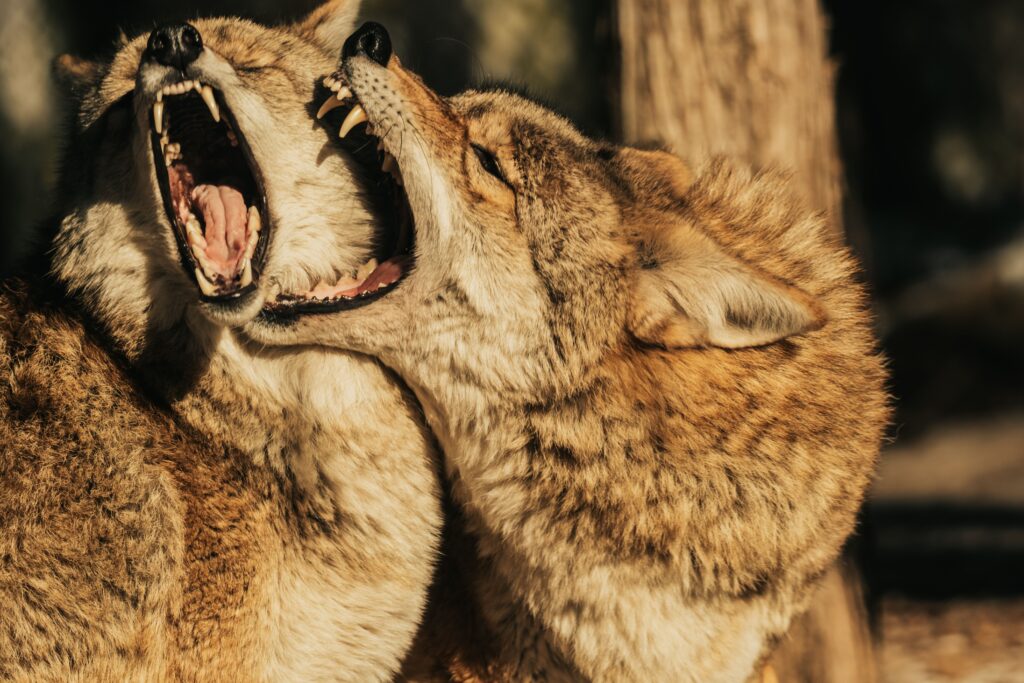
コヨーテの鳴き声は、イヌ科動物の中でも特に多彩なコミュニケーション能力を持つことで知られています。遠くまで届く「遠吠え(ハウリング)」が有名ですが、実際には10種類以上の声や鳴き方を使い分けるとされています。
1. 遠吠え(Howl)
「アオーーーン」という長く伸びる声。
主な目的:
- 仲間の位置確認
- 群れの結束維持
- 縄張りの主張
- 繁殖期のペア確認
コヨーテの遠吠えは非常に遠くまで届き、開けた草原では数km先の仲間と連絡を取ることができます。
2. 吠え声(Bark)
犬に似た「ワンワン」という短い声。
用途:
- 警戒
- 危険の知らせ
- 人間や大型動物への威嚇
特に子育て中の親は、巣穴周辺で警戒吠えをすることがあります。
3. 鳴き声(Yelp)
「キャンキャン」「キューン」に近い高い声。
用途:
- 子どもの甘え
- 仲間への服従サイン
- 仲間同士の接触
若いコヨーテがよく使います。
4. 短い遠吠え(Whine / Whimper)
小さく弱い声。
用途:
- 不安
- 仲間への要求
- 親子間のコミュニケーション
季節別の活動
コヨーテの活動は季節によって大きく変化します。繁殖・子育て・食料の変化・気温への対応によって、行動パターンが変わります。
🌱 春(3〜5月):繁殖と子育ての季節
主な活動
- 交尾
- 巣穴探し
- 子育て開始
- 縄張り防衛
冬の終わり頃から繁殖期に入り、春にはメスが出産します。
行動の特徴
- ペア行動が増える
- オスが食料を運ぶ
- 巣穴周辺で警戒が強くなる
- 鳴き声が増える
食べるもの
- 小型哺乳類
- ウサギ
- ネズミ類
- 鳥類
- 昆虫
子育て中は親が頻繁に狩りを行い、子どもへ餌を運びます。
☀️ 夏(6〜8月):子どもの成長と狩りの練習
主な活動
- 子どもの教育
- 狩猟訓練
- 行動範囲の拡大
春に生まれた子ども(パップ)は夏になると巣穴から出て、親について行動します。
行動の特徴
- 遊びながら狩りを学ぶ
- 小動物を追う練習をする
- 家族単位で動くことが多い
ただし暑さを避けるため、
- 早朝
- 夕方
- 夜間
に活動する傾向があります。
食べるもの
夏は食料の種類が増えます。
- 昆虫
- 果実
- ベリー類
- 爬虫類
- 小型哺乳類
コヨーテは肉食寄りの雑食なので、季節に合わせて食べ物を変えます。
🍂 秋(9〜11月):独立と冬への準備
主な活動
- 子どもの独立
- 新しい縄張り探し
- 冬毛への換毛
夏まで親と暮らした若いコヨーテは秋頃に分散します。
行動の特徴
- 単独行動が増える
- 長距離移動する個体もいる
- 食料確保を優先する
若い個体は自分の縄張りを探すため、数十〜数百km移動することがあります。
食べるもの
冬に備えて栄養を蓄えます。
- ネズミ
- ウサギ
- 鳥
- 果実
- 死肉
❄️ 冬(12〜2月):繁殖準備と省エネルギー
主な活動
- 繁殖相手探し
- 縄張り確認
- 効率的な狩り
冬は食料が減るため、コヨーテにとって厳しい季節です。
行動の特徴
- 活動時間が長くなる地域もある
- 雪上で獲物を探す
- エネルギー消費を抑える
雪の多い地域では、長い脚と大きな足を活かして移動します。
食べるもの
冬は動物性の割合が増えます。
- ウサギ
- ネズミ
- シカの死骸
- 小型哺乳類
歩行速度について
コヨーテの歩行速度は、移動・探索・狩猟・逃走で大きく変化します。普段は省エネルギー型の歩き方をしますが、必要になると非常に速く走れます。
🚶 通常歩行(パトロール・探索)
速度:約5〜8km/h
コヨーテが最も多く使う移動速度です。
特徴:
- 頭を低くして地面の匂いを確認
- 足跡や尿マーキングを調査
- 長時間移動できる省エネ歩行
縄張り巡回では数km〜十数kmを歩くことがあります。
🏃 速歩(トロット)
速度:約8〜15km/h
コヨーテが長距離移動するときによく使う歩き方です。
特徴:
- 前後の脚を効率よく動かす
- 疲れにくい
- 数時間維持できる
オオカミと同じく、コヨーテは「速さ」より「持久力」に優れています。
🏃♂️ 走行(追跡・狩猟)
速度:約40〜50km/h
獲物を追うときや危険から逃げるときに使用します。
狙う獲物:
- ウサギ
- ネズミ類
- 鳥
- 小型哺乳類
短距離では一気に加速し、方向転換も得意です。
⚡ 最高速度
約60〜65km/h
コヨーテの最高速度は、おおよそ時速60km以上とされています。
コヨーテの幼獣について
コヨーテの幼獣(子ども)について、
誕生から成長までの流れ・見た目・行動・親との関係を中心に解説します。
1. 誕生時の様子
- 出生時期:春(3〜5月)
- 出産場所:地面の巣穴(自掘り or 他動物の巣)
- 1腹の数:4〜7頭前後(環境が良いと10頭近いことも)
生まれた直後
- 目は閉じている
- 耳も立っていない
- 体重:約200〜300g
- 体毛は黒っぽい灰色
完全に親に依存した状態。
2. 成長段階(発達)
生後2週間
- 目が開く
- 巣の中で動き始める
生後3〜4週間
- よちよち歩き
- 兄弟同士で遊ぶ(噛み合い・追いかけっこ)
- 社会性の基礎が育つ
生後5〜6週間
- 巣の外に出始める
- 親が吐き戻した食べ物を食べる
生後2〜3か月
- 肉や固形食に慣れる
- 簡単な狩りの真似を始める
3. 見た目の特徴(幼獣らしさ)
- 成獣より丸顔
- 耳が相対的に大きく見える
- 体毛がふわふわ
- 動きが不器用
見た目は「野生版の子犬」にかなり近い。
4. 行動と性格(幼獣期)
- 非常に好奇心旺盛
- 遊びが多い(=学習)
- 兄弟との遊びで
- 噛む力の加減
- 追跡行動
- 序列
を学ぶ
遊びは狩りと社会性の訓練。
5. 親との関係(重要ポイント)
育児は協力型
- 母親:授乳・保護
- 父親:餌運び・警戒
- 年長の兄姉:見張り・遊び相手
オオカミほど厳格ではないが、家族意識は強い。
コヨーテは絶滅危惧種なのか?
コヨーテは絶滅危惧種ではありません。むしろ生息地域や分布が広がっており、一部は南米近くまでテリトリーが広がってきています。多産であると共に子どもの生存率が高いから絶滅の恐れがありません。
現在の保全状況
- IUCN評価:Least Concern(低懸念)
→ 絶滅危惧カテゴリ(Vulnerable、Endangered、Critically Endangered)には該当しません。 - 地域的な個体数は安定しており、広い分布域を持ちます。
個体数・分布の背景
- 北米を中心に分布が広く、南米北部まで進出する例もあります。
- 人間の農地・都市環境にも適応しているため、環境変化に強い種です。
注意点
- 地域によっては局所的な減少や狩猟圧があるものの、種全体としては安定と評価されています。
コヨーテは飼育できるのか?
コヨーテは肉食動物であり、一般人が飼育するには不向き、近所迷惑になる可能性もありますので、ペットとして飼育はおすすめしません。狂犬病ウイルスを保持する例があり、接触には注意する必要があります。
1. 法律的に飼育できるのか?
日本の場合
- 飼育は事実上不可
- コヨーテは
- 家畜
- 愛玩動物
ではなく、野生動物(外来の野生哺乳類)
- 動物園・研究機関など特別な許可を持つ施設以外での個人飼育は認められていません
ペットとして飼うことはできません
北米の場合(参考)
- 州・郡ごとに法律が異なる
- 多くの州で
- 個人飼育は禁止
- もしくは特別許可制
- 違法飼育は没収・安楽死の対象になることも
「飼える州もある」という噂は半分誤解です。
2. 仮に法律が許しても、飼育は現実的ではない
① 野生本能が極めて強い
- 犬のように見えても完全な野生動物
- 突然の攻撃・逃走・破壊行動
- 噛み癖が直らない
② 知能が高すぎる
- 柵・鍵を開ける
- 逃走ルートを学習
- 人を試す行動を取る
「賢い=飼いやすい」ではない
③ 運動量・行動圏が異常に広い
- 本来の行動圏:数km〜数十km²
- 家庭環境では
- ストレス
- 異常行動
- 攻撃性
がほぼ確実に出る
④ 食性・管理が困難
- 完全肉食ではないが、生肉中心
- 栄養管理が非常に難しい
- 不適切な給餌で健康問題が出やすい
飼育されている動物園(日本・世界)
コヨーテ(Canis latrans)は、世界的には動物園で飼育されていますが、日本では現在、一般公開されている施設はほぼありません。一方、原産地である北米を中心に、多くの動物園・野生動物施設で展示されています。
🇯🇵 日本の動物園
日本では、現在コヨーテを常設展示している動物園は確認されていません。
🌎 世界で飼育されている主な施設
🇺🇸 アメリカ
Minnesota Zoo
北米の代表的なコヨーテ展示施設の一つです。
展示では、
- 夜行性に近い活動パターン
- 北米生態系での役割
- ネズミやウサギなどを食べる習性
などを紹介しています。
Phoenix Zoo
砂漠地帯に適応した動物としてコヨーテを展示しています。
Arizona-Sonora Desert Museum
コヨーテの自然環境に近い砂漠生態系展示で知られています。
Queens Zoo
北米動物を扱う施設としてコヨーテ展示実績があります。

他の動物を紹介


コメント