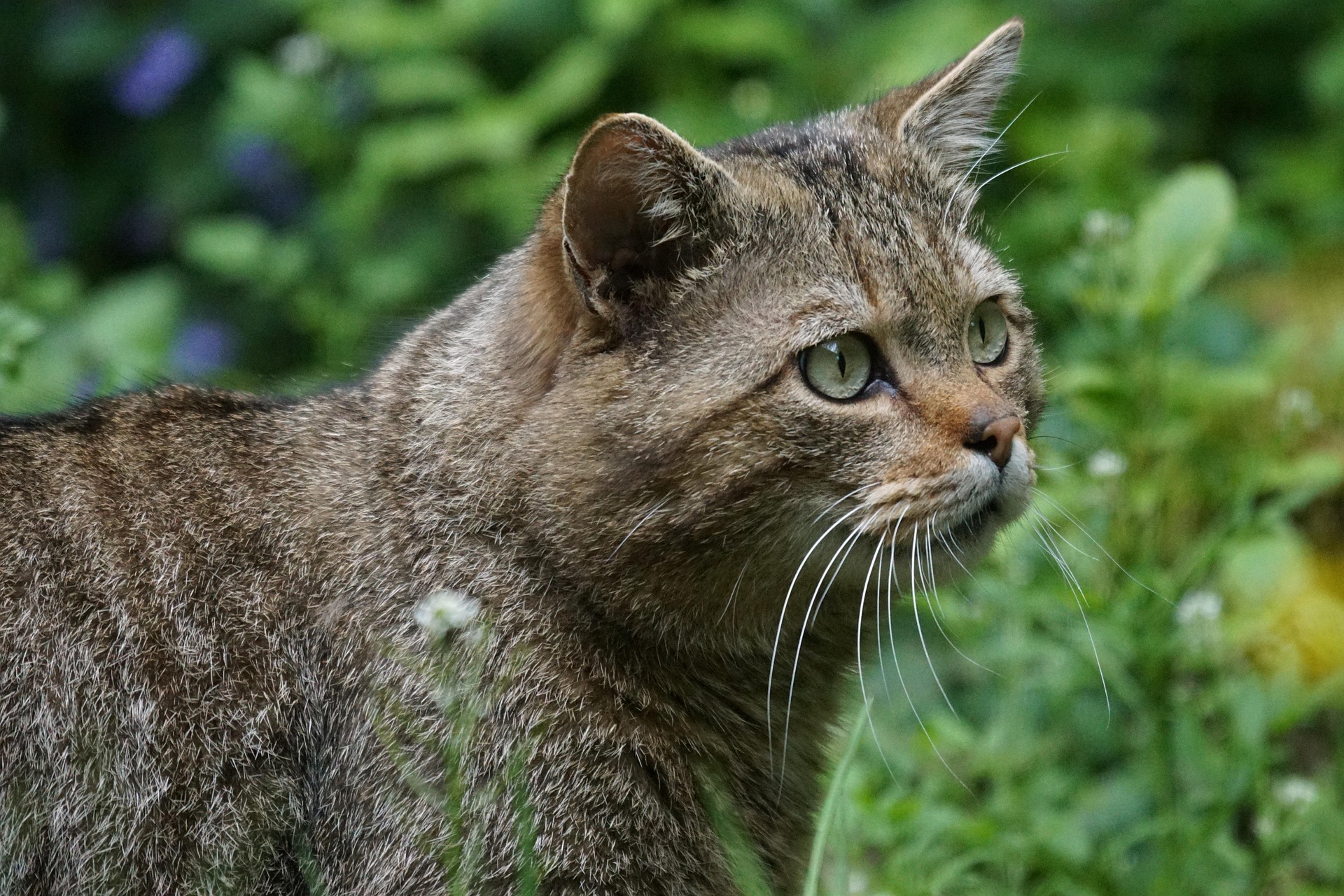
ヨーロッパヤマネコはどんな動物?特徴、生態、生息地について解説していきます。ヨーロッパヤマネコはイエネコにとても近い動物で、生態もとても似ています。イエネコと比べ体格が大きくややずんぐりとしている体格が大きな特徴ですので解説をしていきます。


ヨーロッパヤマネコとは? 基本ステータスについて
ヨーロッパヤマネコは哺乳綱、食肉目、ネコ科です。体長45-80cm、体重3-8 kg、尾長は30cmです。学名はFelis silvestrisです。
| Japanese(和名) | ヨーロッパヤマネコ |
| English(英名) | European wildcat |
| scientific name(学名) | Felis silvestris |
| classification(分類) | Mammalia、 Carnivora、 Felidae 哺乳綱、食肉目、ネコ科 |
| IUCN Status(保全状況) | LEAST CONCERN |
| Length(体長) | 45-80cm |
| Weight(体重) | 3-8 kg |
ヨーロッパヤマネコのルーツ、起源は?
ヨーロッパヤマネコは、現在のイエネコの祖先ではなく、ヨーロッパに古くから生息してきた野生ネコです。イエネコの祖先は別亜種のリビアヤマネコであり、ヨーロッパヤマネコとは近縁ですが異なる系統です。
起源
ヨーロッパヤマネコの祖先は約200万~300万年前にアジアで進化した初期のネコ属(Felis)にさかのぼります。
その後、
- 約50万~20万年前の氷河期に、祖先集団がヨーロッパへ進出。
- 寒冷な森林環境に適応し、現在のヨーロッパヤマネコへと分化しました。
- 更新世(氷河時代)にはヨーロッパ各地に広く分布していました。
系統
ヨーロッパヤマネコはヤマネコ種(Felis silvestris)の亜種です。
系統は次のようになります。
ネコ科(Felidae)
└── ネコ属(Felis)
    └── ヤマネコ(Felis silvestris)
        ├── ヨーロッパヤマネコ(F. s. silvestris)
        ├── リビアヤマネコ(F. s. lybica)
        ├── アフリカヤマネコ(分類により扱いが異なる)
        └── アジアヤマネコ(F. s. ornata)
イエネコとの関係
重要なのは、
- イエネコ(Felis catus)の祖先はリビアヤマネコ
- ヨーロッパヤマネコはイエネコの祖先ではない
という点です。
約1万年前、中東の肥沃な三日月地帯でリビアヤマネコが人間と共生を始め、それが世界中のイエネコへとつながりました。
一方でヨーロッパヤマネコは人に馴化せず、現在まで野生生活を続けています。
分類について
ヨーロッパヤマネコは以下の種類の亜種があります。
| 名前 | Name | Scientific Name(学名) |
| リビアヤマネコ | African wildcat | Felis lybica |
| ハイイロネコ | Chinese Mountain Cat | Felis bieti |
Felis lybica
リビアヤマネコはまさにイエネコの起源にあたる猫です。アフリカヤマネコやステップヤマネコもこれらの亜種に当たります。イエネコと比べて足が長く、座った姿勢や歩き方に特徴があります。体長45 – 80cm、体重3 – 8kg、尾長は30 cmで低懸念に分類されており生息数は安定しています。リビアヤマネコはアフリカや中東に生息しています。
Felis bieti
ハイイロネコは中国の四川省など、一部の地域でしか見れないネコで極端に生息数が少ないことから絶滅危惧種に指定されています。
生息地域について
生息地域は多岐にわたります。ヨーロッパヤマネコはヨーロッパを筆頭にアフリカにも分布しています。
1. 地理的分布
- 西ヨーロッパ
- スコットランド(スコティッシュ・ワイルドキャット)
- フランス中部~東部
- ドイツ南部、スイスなどの森
- 東ヨーロッパ
- ポーランド、チェコ、ルーマニア、ブルガリア
- バルカン半島の森林地帯
- 南ヨーロッパ
- イタリア北部、ピレネー山脈周辺
- 中欧・東欧の広葉樹林や混交林を中心に生息
2. 環境・生息条件
- 森林地帯が中心:広葉樹林、針葉樹林、混交林
- 人里からは離れた場所を好む
- 川や藪、岩場など隠れられる場所があることが重要
- 縄張り性が強く、食物(小型哺乳類)が豊富な地域を選ぶ
3. 生息の特徴
- 単独行動が基本
- 夜行性で昼間は休息
- 生息範囲は個体によって数km²から十数km²程度
- 人間の活動で生息地が断片化され、個体数が減少している地域もある
特徴は?どんな感じの生物なのか?
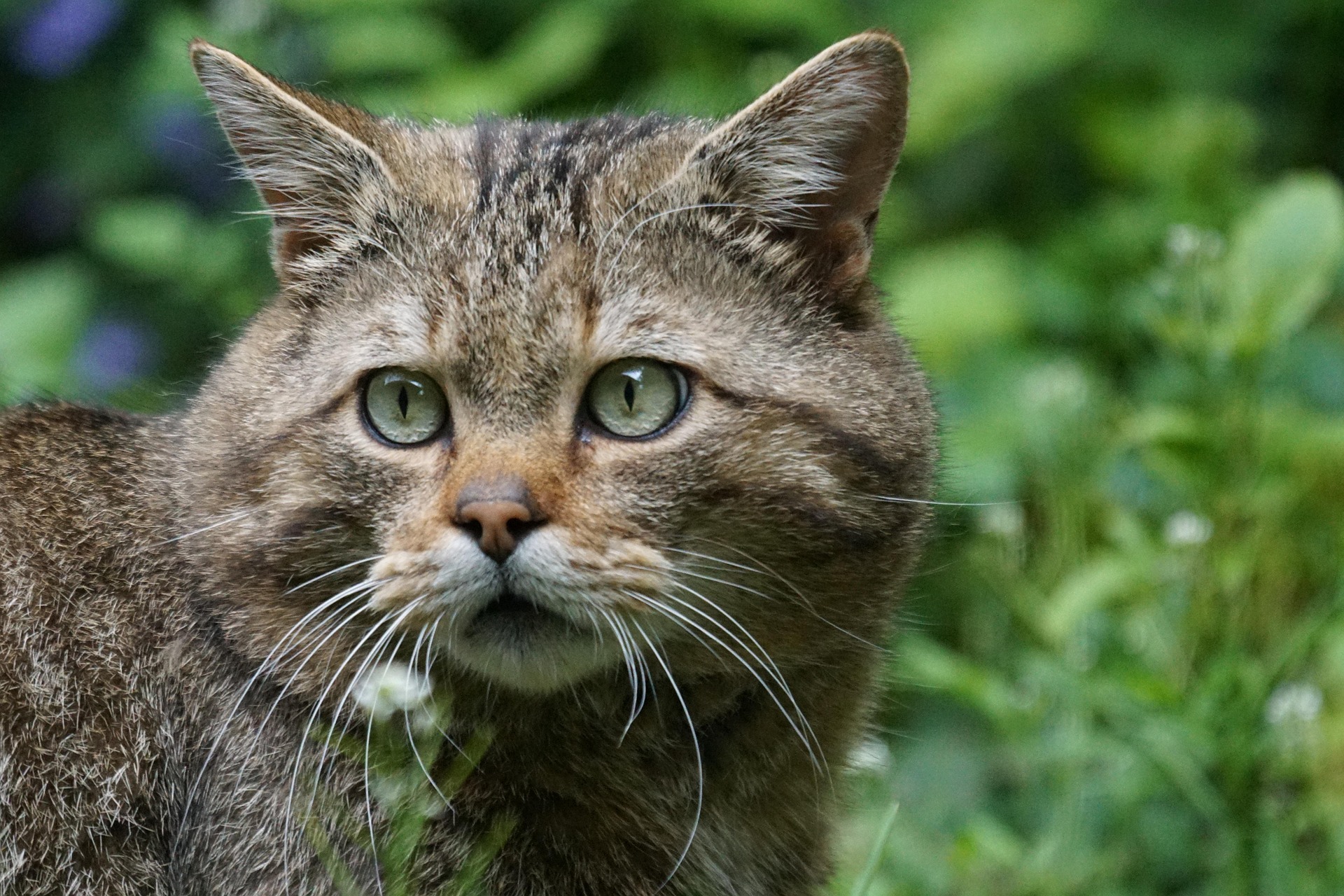
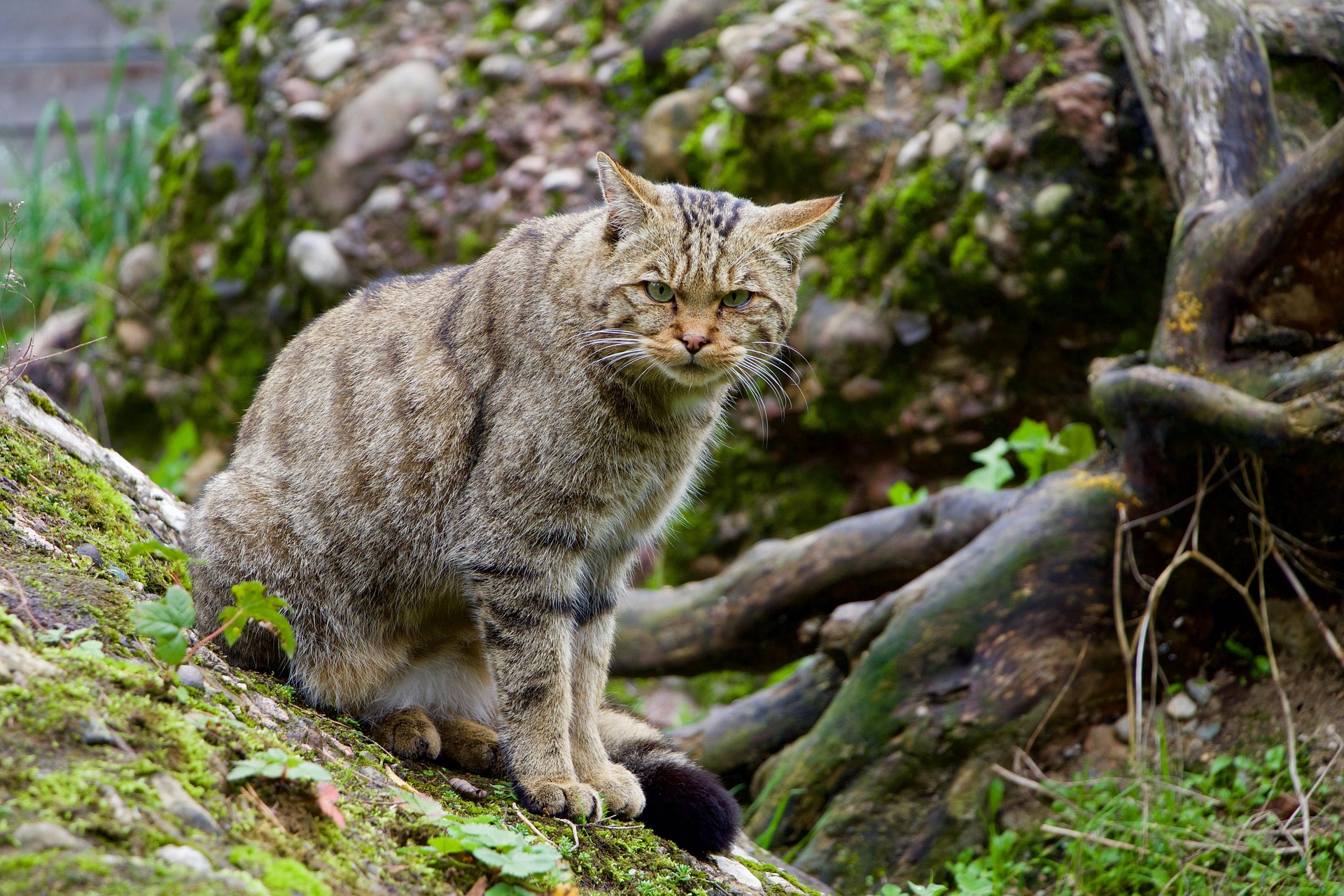
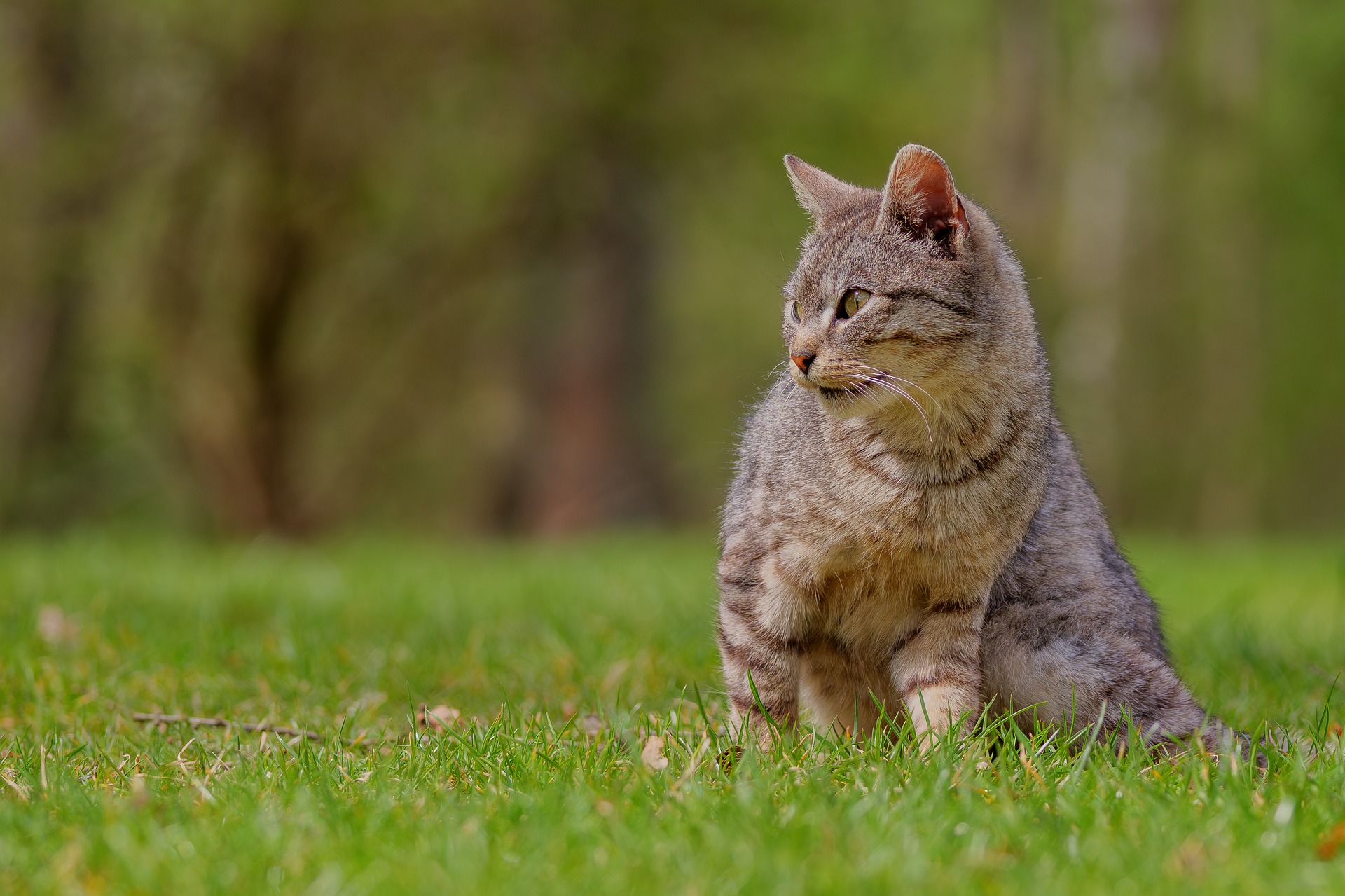
ヨーロッパヤマネコはイエネコと比べ体格が大きく、黒い縞の入った中間調の褐色が特徴です。ヨーロッパヤマネコは広葉樹混交林に生息することが多いのですが草原やステップなどにも生息しています。基本的には夜行性ですが日中にも活動することが分かっています。行動圏は1平方キロメートルから9平方キロメートルです。
1. 体の特徴
- 体の大きさ:
- 体長:約50~80cm(尾を除く)
- 尾長:約25~35cm
- 体重:約3~8kg
- 毛色・模様:
- 灰色~茶褐色の毛
- 背中に黒い縞模様、尾は黒い輪模様が特徴
- 顔にはわずかな縞模様や頬の斑点があることも
- 体型:
- ずんぐりとした筋肉質
- 足は短めでがっしりしている
- 耳・目:
- 丸みを帯びた耳
- 夜行性に適した大きめの目
2. 行動・性格
- 夜行性:昼間は藪や岩陰で休む
- 単独行動:オスもメスも基本的に単独で生活
- 縄張り意識が強い:マーキングや爪痕で存在を示す
- 警戒心が非常に強い:人間にはほとんど近づかない
3. 生態・能力
- 小型哺乳類(ネズミ類、ウサギなど)を主に捕食
- 木登りや泳ぎも可能
- 視覚・聴覚・嗅覚が鋭く、狩猟に適応している
- 野生化しており、現代の家猫よりも体型・筋肉が発達している
4. 家猫との違い
- 体型は家猫よりやや大きく、筋肉質
- 尾が太く、縞模様がはっきりしている
- 性格は警戒心が強く、人に懐きにくい
- 野生本能が強く、狩猟行動が顕著
生態はどうなっているのか?
ヨーロッパヤマネコはおもに齧歯類のほか、ウサギなどが主な食べ物になります。冬の終わり頃に繁殖を行い、1回につき数頭産むことができます。離乳までは4カ月程度。10ヶ月で独り立ちして性的にも成熟します。寿命は10年~15年程度です。
1. 活動パターン
- 夜行性:主に夜間に活動し、昼間は藪や岩陰で休む
- 単独行動:オスもメスも基本的に単独で行動
- 縄張り性:オス・メスともに縄張りを持ち、マーキングや爪痕で存在を示す
2. 食性
- 完全な肉食傾向(小型哺乳類が中心)
- ネズミ、ウサギ、鳥類、昆虫など
- 食べ物が少ない場合、植物や果実も少量摂取することがある
- 狩猟本能が強く、鋭い視覚・聴覚・嗅覚で獲物を捕らえる
3. 繁殖・子育て
- 繁殖期:冬~春(地域によって差がある)
- 妊娠期間:約2か月
- 出産:1回に2~4頭を出産
- 子育て:母ネコが約2か月間授乳・保護し、その後狩りの技術を教える
- 子猫は生後4か月頃には独立して単独行動を始める
4. 生息環境
- 森林地帯が中心:広葉樹林、針葉樹林、混交林
- 人里からは離れた場所を好むが、山林の周辺や荒れ地にも適応
- 川や岩場など、隠れられる場所があることが重要
5. 知能・行動の特徴
- 狩猟能力が高く、俊敏で敏感
- 危険察知能力が高く、警戒心が非常に強い
- 単独行動で生きるため、学習能力も高く、環境に柔軟に適応
ヨーロッパヤマネコの鳴き声
ヨーロッパヤマネコ(Felis silvestris silvestris)の鳴き声は、イエネコより低く、野性的で、状況によって大きく変化するのが特徴です。普段は単独生活をするため、鳴き声で仲間と頻繁に会話する動物ではありません。
1. 威嚇音(シャーッ・フーッ)
敵や侵入者に対して出す声です。
特徴:
- 「シャーッ」
- 「フーーッ」
- 「グルルル…」
という低い唸り声。
用途:
- 他のヤマネコへの警告
- キツネや犬などへの防衛
- 人間への警戒
イエネコの威嚇音に似ていますが、体格が大きいため低く迫力があります。
2. 叫び声・争い声(夜の鳴き声)
繁殖期(主に冬~春)には、オス同士が縄張り争いをするため、
- 「ギャーッ」
- 「アオーーン」
- 「ウワァァー」
のような非常に大きな声を出します。
夜間の森では、遠くから聞くと赤ん坊の泣き声や動物の悲鳴のように聞こえることがあります。
3. 母親と子どもの声
子猫とのコミュニケーションでは、
- 小さな「ミャー」
- 「ニャッ」
- 「クルル」
のような短い声を使います。
ただし、人間に飼われたイエネコほど頻繁には鳴きません。
4. 求愛の鳴き声
繁殖期のオスはメスを探すため、
- 低い「ウー」
- 長い「アーオ」
- 独特の遠吠えのような声
を発します。
特に冬の夜間に聞かれることが多いです。
季節別の活動
ヨーロッパヤマネコ(Felis silvestris silvestris)は、季節によって繁殖・狩り・行動範囲が大きく変化する野生ネコです。基本的には一年を通して単独行動ですが、冬の繁殖期と春の子育て期に活動パターンが大きく変わります。
春(3月~5月):繁殖・子育ての季節
活動
- オスの行動範囲が広がる
- メスは出産場所を探す
- 子育てが始まる
繁殖
- 交尾期:主に1~3月頃
- 妊娠期間:約65~70日
- 出産:4~5月頃が多い
行動の特徴
- オスは夜間に広範囲を移動
- 縄張りのマーキングが増える
- メスは安全な巣穴・岩の隙間・倒木下などを利用
食べ物
春は:
- ネズミ類
- 小鳥
- カエル
- 小型哺乳類
などを狙います。
夏(6月~8月):狩猟能力が最も高い時期
活動
- 子猫が成長する
- 母親の狩りが活発になる
- 夜間・早朝活動が増える
子育て
生後2~3か月頃:
- 子猫が巣から出る
- 母親から狩りを学ぶ
- 追跡や待ち伏せ行動を覚える
狩り
夏は獲物が豊富です。
主な獲物:
- ハタネズミ
- ノネズミ
- ウサギ類
- 鳥類
- 昆虫
暑い昼間は休み、夕方から夜に活動します。
秋(9月~11月):冬への準備
活動
- 体力を蓄える時期
- 狩猟頻度が増える
- 若い個体が独立する
特徴
秋になると冬毛が発達し、
- 体毛が厚くなる
- 体重が増える
- 寒冷地では脂肪を蓄える
ようになります。
若い個体
春生まれの子猫は、
- 5~6か月で狩りを開始
- 秋~冬に母親から離れる
ことが多いです。
冬(12月~2月):繁殖期・縄張り争い
活動
冬は一年で最も特徴的な時期です。
特にオスは:
- 長距離移動
- 縄張り巡回
- 他のオスとの争い
が増えます。
繁殖行動
冬の夜には、
- 大きな叫び声
- 唸り声
- マーキング
が頻繁になります。
狩り
雪がある地域では、
- 足跡を追跡
- ネズミ類を雪下から探す
- 待ち伏せ狩り
を行います。
厚い冬毛により寒冷地でも活動できます。
歩行速度
ヨーロッパヤマネコ(Felis silvestris silvestris)の歩行速度について、野生個体の正確な速度測定データは多くありませんが、ネコ科動物の運動能力や観察記録から以下のように推定されています。
通常歩行速度
約2~4 km/h
- 森林内を静かに移動する速度
- 獲物を探しながらゆっくり歩く
- 足音を消すため、非常に慎重に歩く
ヨーロッパヤマネコは長距離を高速移動する動物ではなく、「忍び寄り型」のハンターです。
パトロール時(縄張り巡回)
約3~6 km/h程度
特にオスは繁殖期や縄張り確認のため、
- 林道
- 森の縁
- 河川沿い
などを移動します。
1晩で数km~10km以上移動することもあります。
獲物への接近速度
数km/h以下(非常に低速)
狩りでは、
- 体を低くする
- 尾を水平に保つ
- ゆっくり近づく
- 一瞬停止する
という動きを繰り返します。
これはチーターのような追跡型ではなく、待ち伏せ型の狩猟方法です。
ヨーロッパヤマネコの幼獣について
ヨーロッパヤマネコ(Felis silvestris silvestris)の幼獣(子猫)について整理します。
1. 出生
- 時期:主に春(3~5月)
- 場所:母ネコが藪や岩陰、倒木の下など安全な巣穴で出産
- 体重・大きさ:生まれたばかりは約70~120gほどで小型
- 毛色:灰色~茶褐色、背中に薄い縞模様がある
2. 成長
- 母ネコの乳を飲んで成長(生後4~6週間は母乳中心)
- 目は生後1週間前後で開く
- 生後2~3週間で歩き始め、遊びを通して狩猟本能や運動能力を養う
- 生後1~2か月で固形物も少しずつ摂取
3. 行動
- 母ネコのそばで安全に遊ぶことで狩猟や生存技術を学ぶ
- 生後2か月頃には巣の外に出て、周囲の環境に慣れ始める
- 遊びや模倣行動を通じて、狩猟本能・警戒心を鍛える
4. 独立
- 独立までの期間:母ネコと約4か月間行動
- 独立後は基本的に単独行動
- この間に獲物の捕まえ方や危険回避の方法を学ぶ
5. 特徴・性格
- 好奇心旺盛で遊び好き
- 警戒心が強く、母ネコがいないと危険
- 俊敏で狩猟本能が顕著
ヨーロッパヤマネコは絶滅危惧種なのか?
ヨーロッパヤマネコは絶滅危惧種ではありません。生息数は全体的に安定しており、とても広範囲に分布していることから安定しています。
1. 国際的な状況
- 国際自然保護連合(IUCN)のレッドリストでは、ヨーロッパヤマネコは**「絶滅危惧(Near Threatened, NT)」**または「低危険だが地域個体群によっては絶滅のリスクがある」と評価されることが多い
- 世界全体としては種としては存在するが、個体数は減少傾向にある
2. 主な脅威
- 生息地の破壊・断片化:森林伐採、都市化、農地拡大
- 家猫との交雑:野生個体と家猫の交配により、遺伝的純粋性が脅かされる
- 交通事故や狩猟:人間活動による死亡リスク
- 餌不足:小型哺乳類の減少に伴う食料不足
3. 保護状況
- ヨーロッパの多くの国で法律により保護されている
- 自然保護区や国立公園での保護活動が行われている
- 家猫との交雑を防ぐための遺伝子保護や個体群管理も実施される
ヨーロッパヤマネコは飼育できる?
ヨーロッパヤマネコは飼育できる?といえば難しいです。イエネコととても似ているのですが、どうしても野生の猫であることから、人間に中々懐かないと言うことがわかっています。
1. 法律上の扱い
- 多くのヨーロッパ諸国で絶滅危惧種または保護対象野生動物に指定
- 無許可で捕獲・飼育すると違法になる
- 飼育できる場合でも、動物園や研究施設、保護施設のみ許可される
2. 飼育の難しさ
- 警戒心が非常に強く、人に懐かない
- 野生本能が強く、ストレスで攻撃的になることがある
- 食事管理が難しい
- 小型哺乳類や鳥、昆虫などを捕食する自然の習性に合わせる必要がある
- 運動量が多く、環境への適応が必要
- 広いスペースや隠れられる場所が必須
3. 実際の飼育例
- 動物園や野生動物保護施設での飼育が中心
- 保護・研究・教育目的
- 専門スタッフが管理し、自然に近い環境を再現
- 個人での飼育は極めて危険かつ違法
飼育されている動物園(日本・世界)
ヨーロッパヤマネコ(Felis silvestris silvestris)は、大型ネコ科ほど多くはありませんが、保護・繁殖・教育目的で一部の動物園や野生動物園で飼育されています。特にヨーロッパでは、生息地保全や遺伝的管理のために飼育個体が存在します。
🇯🇵 日本で飼育されている動物園
現在、日本の動物園で純粋なヨーロッパヤマネコ(Felis silvestris silvestris)を常設展示している施設は確認されていません。
🌍 世界で飼育されている主な施設
🇩🇪 ドイツ
Zoo Duisburg
- ヨーロッパヤマネコの飼育例がある動物園の一つ。
- ドイツはヨーロッパヤマネコの保護研究が盛んな国です。
Tierpark Berlin
- ヨーロッパ在来動物の展示に力を入れている施設。
- ヨーロッパヤマネコの飼育記録があります。
🇦🇹 オーストリア
Alpenzoo Innsbruck
- アルプス地域の動物を専門的に展示。
- ヨーロッパヤマネコの保護教育目的の展示があります。
🇵🇱 ポーランド
Kraków Zoo
- ヨーロッパヤマネコの飼育施設として記録されています。
Wrocław Zoo
- ヨーロッパの野生動物展示で知られる動物園。
- 飼育記録があります。

他の動物を紹介




コメント