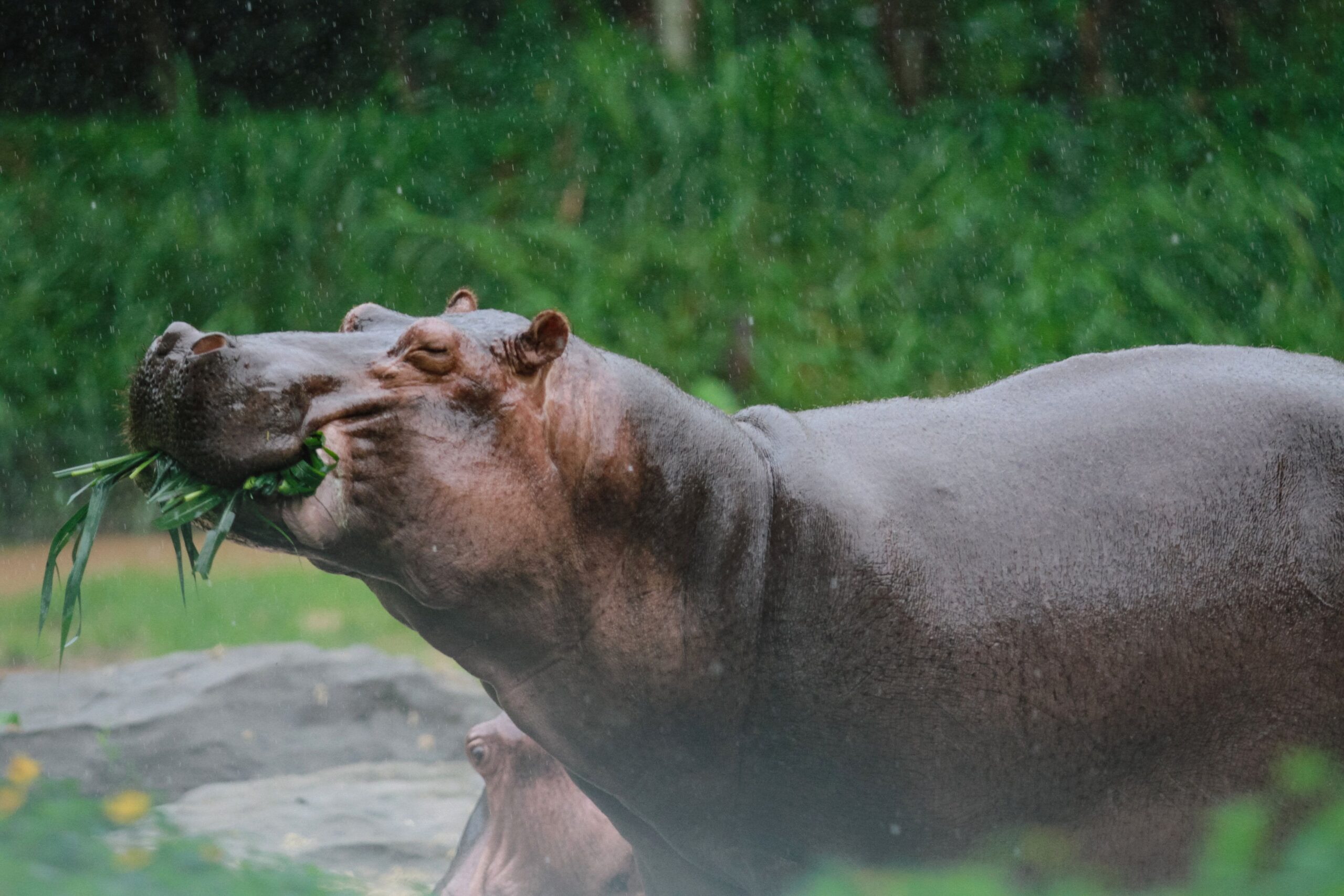
カバの特徴、生態、生息地を解説していきます。陸上動物の中でもゾウに次いで2番目に体が大きいのがカバです。目と耳と鼻の穴が顔の上側にあり、体が水中にあっても目と鼻だけを水面にだして呼吸することができます。動物園でも人気の動物ですので紹介します。


カバとは? 基本ステータスについて
カバは哺乳綱鯨偶蹄目カバ科カバ属の動物です.学名はHippopotamus amphibius。体長は3.5 – 4m、体重は1,500kg。以下が基本の情報です。乾燥した地域で口を大きく開ける姿が特徴。研究ではカバの汗腺の分泌は皮膚を紫外線から守るとされており、保護のために革や木材などで利用されることも。
| Japanese(和名) | カバ(河馬) |
| English(英名) | Reindeer/Caribou |
| scientific name(学名) | Hippopotamus amphibius |
| classification(分類) | Mammalia、 Cetartiodactyla、Hippopotamidae、Hippopotamus 哺乳綱、鯨偶蹄目、カバ科、カバ属 |
| IUCN Status(保全状況) | VULNERABLE |
| Length(体長) | 3.5 – 4m |
| Weight(体重) | 1,500kg |
カバのルーツ、起源は?
カバのルーツは非常に意外で、最も近い現生の親戚はクジラやイルカです。昔はブタに近いと考えられていましたが、DNA解析や化石研究により、現在では「クジラ類と共通祖先を持つ」と考えられています。
約5,500万年前:共通祖先の出現
- カバとクジラは、**偶蹄類(ウシやシカなどの仲間)**に属する共通祖先から進化しました。
- この祖先は陸上で生活する小型の哺乳類でした。
約5,000万年前:系統が分岐
- 一方の系統は水中生活に適応してクジラ・イルカへ進化。
- もう一方の系統は陸上と水辺の生活を続け、後にカバへとつながりました。
そのため、現在はカバとクジラは「Whippomorpha(クジラ・カバ類)」という近縁グループに分類されます。
約1,500万~2,000万年前:カバの祖先が登場
カバの直接の祖先と考えられる動物がアフリカで出現しました。
特徴は、
- 現在よりやや小型
- 水辺で生活
- 草食
という、現代のカバに近い暮らしを始めていました。
約800万年前:現代型のカバへ
現在のカバに近い体型が完成し、
- 大きな口
- 分厚い皮膚
- 水中生活への適応
などの特徴が発達しました。
現在生きているカバは2種類だけ
現在生息するカバ科はわずか2種です。
- カバ(Common Hippopotamus)
- アフリカ各地に生息する大型種。
- 体重は約1.5~3.5トンになります。
- コビトカバ(Pygmy Hippopotamus)
- 西アフリカの森林に生息。
- 体重は約180~275kgと小型です。
なぜ水の中で暮らすの?
カバは汗腺がほとんどなく、暑さに弱いため、
- 昼間は川や湖で体を冷やす
- 夜になると陸へ出て草を食べる
という生活を送っています。
分類について
カバはカバ科の唯一の現存種です。一部の学者はカバと炭疽動物を炭疽動物上科に分類しています。カバには以下の5種類の亜種が存在します。陸では大きく、サイやワニと並んで最大の動物の一つで、川でも見ることができます。縄張りの意識もあり、子どもと歩く姿も良く目撃されます。
- H. a. amphibius
- H. a. kiboko
- H. a. capensis
- H. a. tschadensis
- H. a. constrictus
H. a. amphibius
この種はガンビアの東からエチオピア、そして南はモザンビークにまで及び、エジプトまで分布していました。隆起した背面、細長い下顎が大きな特徴です。
H. a. kiboko
ケニアとソマリアに生息する種族。他のカバよりも小さく、色が淡く、鼻孔が広く、鼻孔がやや長いため特徴がハッキリしています。
H. a. capensis
ザンビアと南アフリカに住んでいる亜種。
H. a. tschadensis
チャドとニジェールに生息する亜種。幅広の顔が大きな特徴です。
H. a. constrictus
コンゴ民主共和国南部からアンゴラ、ナミビアに分布しております。短い鼻、より平らな背面が大きな特徴です。
カバの生息地について
カバの生息地はサハラ砂漠の南の地域でアフリカで広く分布しています。動物園でも多く見られており開園イベントの案内なども多くあります。入園すれば園内で夜まで展示されています。
カバの生息地
- 地域的分布
- アフリカ大陸の熱帯〜亜熱帯地域に広く分布
- 特にサハラ以南のアフリカで多く見られる
- 主にナイル川流域、コンゴ川、ザンベジ川などの大河や湖沼
- 生息環境
- 淡水河川、湖、池、湿地などの水辺
- 浅い水深で体の大部分を水中に浸して休むことが多い
- 水辺の近くに草地や湿原があり、夜間に陸上で採食できる環境
- 生活空間
- 日中は水中で過ごす(体温調節・乾燥防止)
- 夜間は水辺から離れた草地で採食(主に草食)
- 流れが緩やかで、広い水域を確保できる場所を好む
- 群れの形成
- 水中に集まり、10〜30頭規模の群れを作ることが多い
- 河川や湖のポイントによって群れの構成は変化
特徴は?どんな感じの生物なのか?
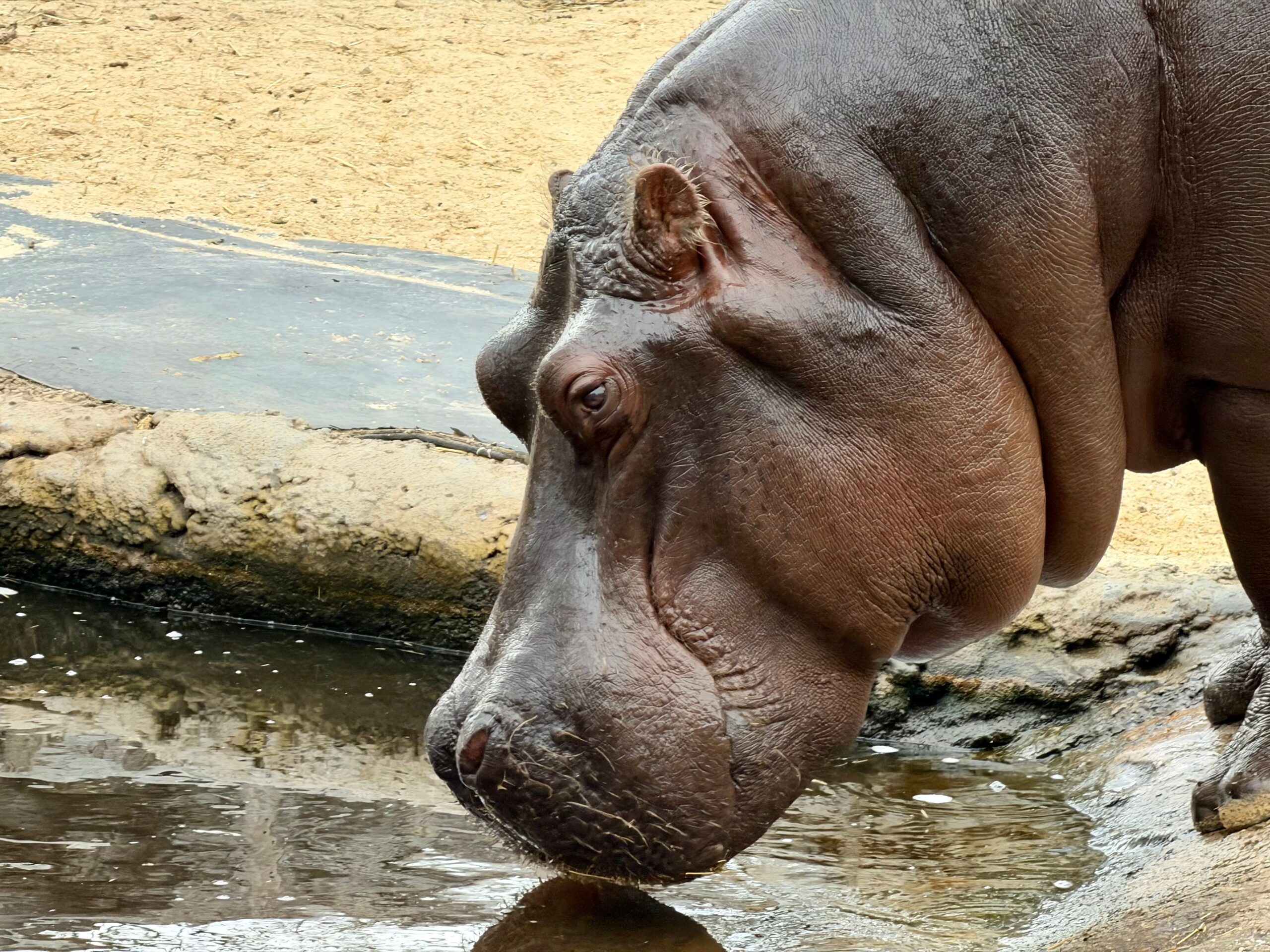
カバは目と耳と鼻の穴が顔の上側にあり、体が水中にあっても目と鼻だけを水面にだして呼吸できます。頭部は大型で顔の側面に鼻・眼・耳介が一直線に並んでいます。体色は灰色や灰褐色で、被毛はほとんどなく、犬歯は一生伸び続けます。カバは湖や河川、沼などの水辺近くで生活することが多く、1日のほとんどを水中で過ごしています。カバは10 – 20頭のメスと幼獣からなる群れを形成して生活します。
1. 外見的特徴
- 体格: 非常に大きな体。体長約3.5〜5m、肩高約1.5m
- 体重: 約1,500〜3,200kg(オスは大きめ)
- 皮膚: 厚く、灰色〜褐色。皮膚から分泌される「血汗様液」が紫外線や乾燥、細菌から保護
- 頭部: 大きく幅広い口と牙が特徴。牙は戦いや縄張り争いに使用
- 目・耳・鼻: 頭の上に位置し、水中にほぼ体を沈めても外界を観察可能
- 足: 短く頑丈、四本の指の先に蹄
2. 生態的特徴
- 食性: 草食性
- 主に夜間に陸上で草を食べる
- 一晩で約30〜50kgの草を摂取
- 活動: 昼間は水中で休息、夜間に採食
- 社会性: 群れで生活。群れは通常10〜30頭だが、水域によっては数百頭になることもある
- 繁殖: メスは水中で出産することが多く、子どもは水中で泳ぐことを覚える
3. 行動・特性
- 縄張り: オスは群れ内で支配権を持ち、牙を使って争う
- 泳ぎ: 長時間水中で潜れるが、実際は沈まずに歩いて移動することが多い
- 防衛: 非常に攻撃的で、驚かせると攻撃することがある
- 寿命: 野生で約40〜50年
性格はどんな感じになるのか?
カバは臆病ですが好奇心は旺盛。メスはオスよりおとなしく慎重な性格をしています。また縄張り意識がとにかく強いです。
カバの性格・行動傾向
- 縄張り意識が強い
- オスは水域ごとに縄張りを持ち、他のオスが侵入すると牙を使って攻撃
- 繁殖期にはメスの群れを守る行動も見られる
- 群れ内での序列意識
- 群れ(10〜30頭ほど)内で明確な序列があり、牙や体格で順位を競う
- メス同士も小規模な争いを行うことがある
- 警戒心と攻撃性
- 突然の接近や音に敏感で、驚くと攻撃的になる
- 水中では特に縄張り意識が強く、侵入者には牙で威嚇
- 母カバの防衛本能
- 子カバを守るために非常に攻撃的
- 群れの中での子育ては厳格で、幼獣への危害は許さない
- 夜行性・食べる時は比較的穏やか
- 夜間に陸上で採食する際は比較的穏やかだが、水中や縄張り内では攻撃性が顕著
カバの生態は?
カバは陸上で草類や芽、茎、樹皮などを採食して生活をします。一日に40~50kg程の量を食べるためかなり食べます。繁殖は一夫多妻で年中繁殖をします。出産は10~4月の時期に多く見受けられます。妊娠期間は8ヵ月でメスは1頭産むことが可能。寿命は40年~60年とされています。
1. 生息環境
- 淡水河川、湖、池、湿地に生息
- 浅い水域で昼間は体を浸し、日差しや乾燥から皮膚を守る
- 水辺の近くに草地や湿原がある場所を好む
2. 食性
- 草食性
- 夜間に陸上で草を採食
- 1晩で約30〜50kgの草を食べることもある
- 水中では食物をほとんど摂らず、主に体温調節と休息に利用
3. 行動
- 昼間: 水中で休息、社会的接触や群れ内の序列維持
- 夜間: 陸上で採食、数km離れた草地に移動することもある
- 群れ生活: 10〜30頭の群れが一般的。水域や採食地で序列が形成される
- 泳ぎ・潜水: 長時間潜水できるが、通常は歩いて水底を移動することが多い
4. 繁殖
- 発情期: 季節によるが主に乾季に多い
- 妊娠期間: 約8か月
- 出産: 水中または水辺で1頭を出産
- 育児: 母カバは子を守り、水中で泳ぎや呼吸の方法を教える
5. 適応・防衛
- 厚い皮膚と「血汗様液」で紫外線・乾燥・細菌から皮膚を保護
- 牙と体格で捕食者や侵入者から身を守る
- 水中では牙を使った縄張り争いが頻繁に行われる
カバの天敵は?
カバにはライオンと言う天敵がいます。しかしライオンから逃れるには水の中に逃げると言う手段があり、大半の場合はこれでしのぐことが可能になっています。
カバの鳴き声
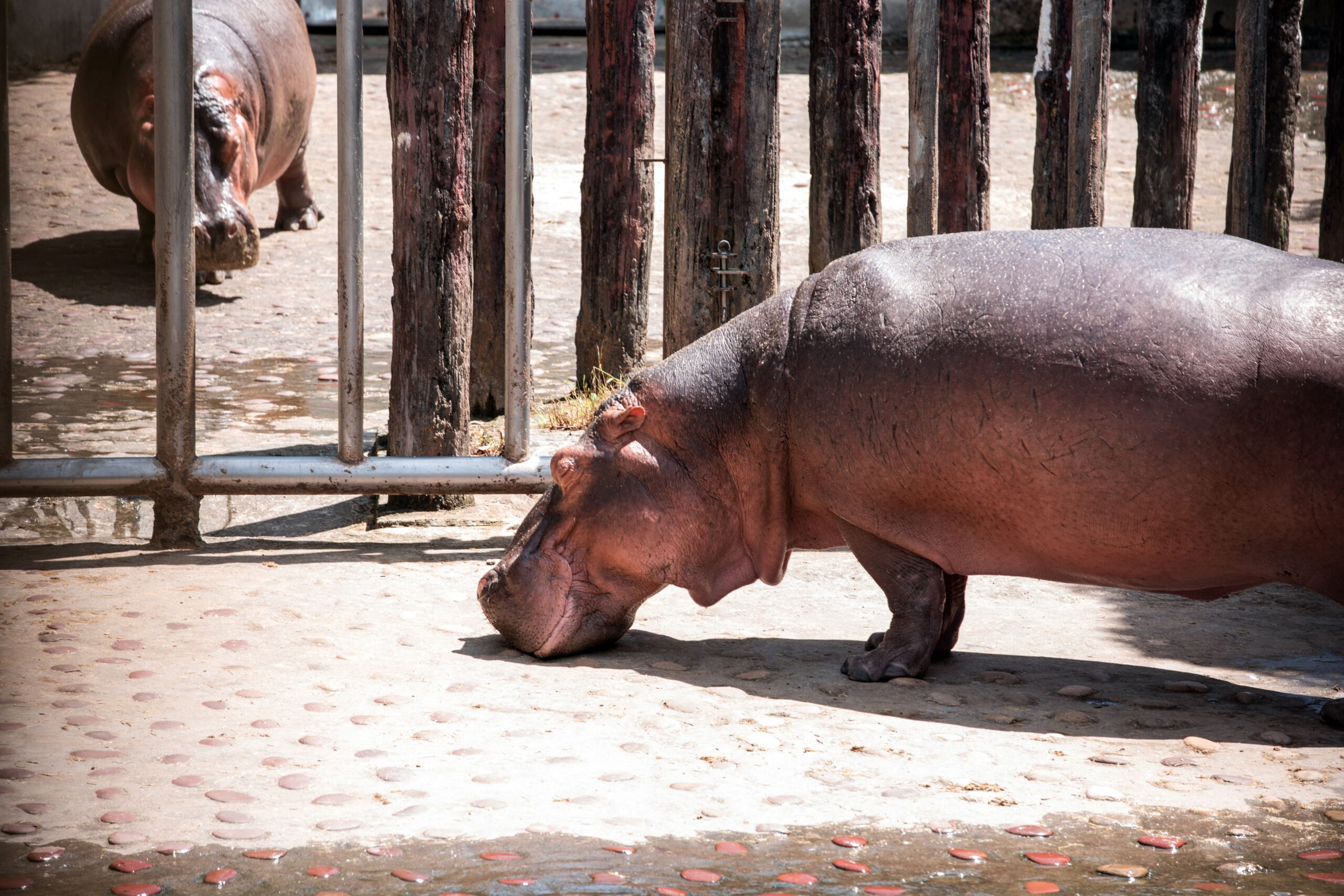
カバは非常に声量が大きく、動物園でも遠くまで響くほどの迫力ある鳴き声を出します。また、水中と水上の両方で鳴くことができる珍しい哺乳類です。
オスの鳴き声
縄張りの主張や威嚇、繁殖期によく聞かれます。
擬音で表すと、
- 「ブォォォー!」
- 「ガオォォー!」
- 「ホォォォー!」
- 「グルルルル…」
大きく口を開けて鳴くことが多く、数百メートル以上離れたカバにも届くほどの大音量になることがあります。
メスの鳴き声
メスはオスほど頻繁ではありませんが、
- 「ブフッ」
- 「フンッ」
- 「グォッ」
といった短い声で仲間や子どもとコミュニケーションをとります。
赤ちゃん(子カバ)の鳴き声
子カバは、
- 「キュー」
- 「ピー」
- 「プイッ」
という高めの声で母親を呼びます。
母親はその声を聞き分けて近づき、授乳や保護を行います。
水中でのコミュニケーション
カバの大きな特徴は、水中でも鳴き声を発することです。
- 水面上では空気中へ音を届ける
- 水中では低い音や振動を伝える
というように、同時に空気と水の両方へ音を伝えられることが知られています。これにより、群れの仲間と効率よく連絡を取り合っていると考えられています。
季節別の活動
カバは四季のある地域ではなく、アフリカの「雨季」と「乾季」に合わせて活動パターンが変化します。基本的には昼は水中で休み、夜に陸へ出て草を食べる夜行性です。
🌧️ 雨季
- 草原に新しい草が豊富に生えるため、餌を見つけやすくなります。
- 夜になると数km歩いて採食することがあります。
- 水場が増えるため、群れが分散しやすくなります。
- 子育てもしやすい環境になります。
☀️ 乾季
- 川や湖の水位が下がり、水場が限られます。
- 多くのカバが同じ水場に集まるため、特にオス同士の縄張り争いが激しくなることがあります。
- 草が少なくなると、餌を探すためにより長い距離を移動することもあります。
1日の活動サイクル
カバの生活は一年を通してほぼ一定です。
🌞 昼
- 水中で休息(約12~16時間)
- 強い日差しや暑さから体を守る
- 仲間と群れで過ごす
🌆 夕方~夜
- 陸へ上がる
- 草を食べながら数km移動することもある
- 夜明け前に再び水辺へ戻る
歩行速度
カバは見た目から「動きが遅そう」と思われがちですが、陸上では人間より速く走れることがあります。
歩行・走行速度
| 状態 | 速度 |
|---|---|
| 🚶 普段の歩行 | 約 3~6 km/h |
| 🏃 速く移動するとき | 約 20~30 km/h |
| ⚡ 最高速度 | 約30 km/h(短距離) |
水中での移動
カバは「泳ぐ」のではなく、
- 川底を蹴る
- 軽くジャンプするように進む
という方法で移動します。
速度は約8 km/h前後とされ、水中でも効率よく移動できます。
なぜ速く走れるの?
体重は約1.5~3.5トンありますが、
- 太く筋肉質な脚
- 重心の低い体
- 強力な後肢
によって、短距離なら驚くほど素早く動けます。
カバの幼獣について
カバ(Hippopotamus amphibius / common hippopotamus)の幼獣(子カバ)期は、水辺依存型の大型哺乳類として生き抜くための成長過程があります。整理すると以下の通りです。
1. 出生・外見
- 出生体重: 約25〜50kg
- 体長: 約1.2m前後
- 毛色: 灰褐色で、成獣のように厚い皮膚や「血汗様液」はまだ少ない
- 体毛: ごく薄く柔らかい
2. 成長過程
- 出生直後: 母カバの助けで水中に浮かび、呼吸や泳ぎを学ぶ
- 生後数日〜1週間: 水中で母と共に移動し、潜水や呼吸のタイミングを習得
- 生後1〜3か月: 母乳で栄養を摂取しつつ、少量の草の摂食を開始
- 生後6か月〜1年: 群れの中で水中や陸上での移動・採食行動を習得
- 生後2〜3年: 親離れし、群れでの社会性や序列を理解し始める
3. 行動・社会性
- 母カバと密接に行動し、**水中での生存技能(泳ぎ・潜水・呼吸)**を学ぶ
- 幼獣期から群れ内での社会性・序列行動を観察・模倣
- 採食は母の後を追い、少しずつ独立して行動
4. 生理的特徴
- 母乳は栄養豊富で、成長と体温保持に重要
- 薄い皮膚と柔らかい体毛で寒さや紫外線に弱く、水中での生活が必須
5. 成長のポイント
- 幼獣期に水中での泳ぎや呼吸、陸上での採食、群れの社会行動を学ぶことが生存に直結
- 母カバとの密接な関係が成長の鍵
カバは絶滅危惧種なのか?
カバは絶滅危惧種に指定されています。さらにはワシントン条約附属書IIにも掲載されており取引に制限がかかっています。なぜこのようなことになっているのか、以下のような原因があります。
生息地の開発や破壊
生息地の開発や破壊が進んでいます、もともとカバが住める場所において開発が進むことにより生息が困難になっています。個体数は減少しており、回復のめどが立っていません。
非常に攻撃的な性格
カバの非常に攻撃的な性格が災いしています。乗客が動物によって怪我をしたり、ボードなどを襲撃する事件も起こっています。これにより報復を受けて死ぬ例もあります。
カバは飼育可能なのか?
カバは絶滅危惧種に指定されていますしワシントン条約でも掲載されているため飼育は困難です。攻撃的な性格もあるため、一般人にはおすすめできません。
1. 飼育の可否
- 家庭: 不可能
- 体重1,500〜3,200kg、体長3.5〜5mという巨大な体
- 攻撃性が非常に強く、人間に危害を加える可能性が高い
- 動物園・保護施設: 可能
- 飼育環境は水場(浅い池や川)と陸上の採食場所を整備
- 群れ管理や繁殖、教育・研究目的で管理
2. 飼育の難しさ
- 巨大で力が強い
- オスは特に縄張り意識が強く、牙を使って攻撃
- 安全確保のため、非常に頑丈な囲いが必要
- 水辺環境必須
- 昼間は水中で休む必要があり、水深や水質管理が重要
- 水不足や高温環境は健康被害につながる
- 食性の管理
- 夜間に大量の草を食べるため、十分な量の草や飼料の確保が必要
- 社会性の管理
- 群れでの生活を基本とするため、単独飼育はストレスになる
3. 飼育の意義
- 動物園や保護施設では、絶滅危惧種ではないが教育・研究・観光目的で飼育
- 幼獣期からの飼育でも、自然環境に近い行動ができるように管理される
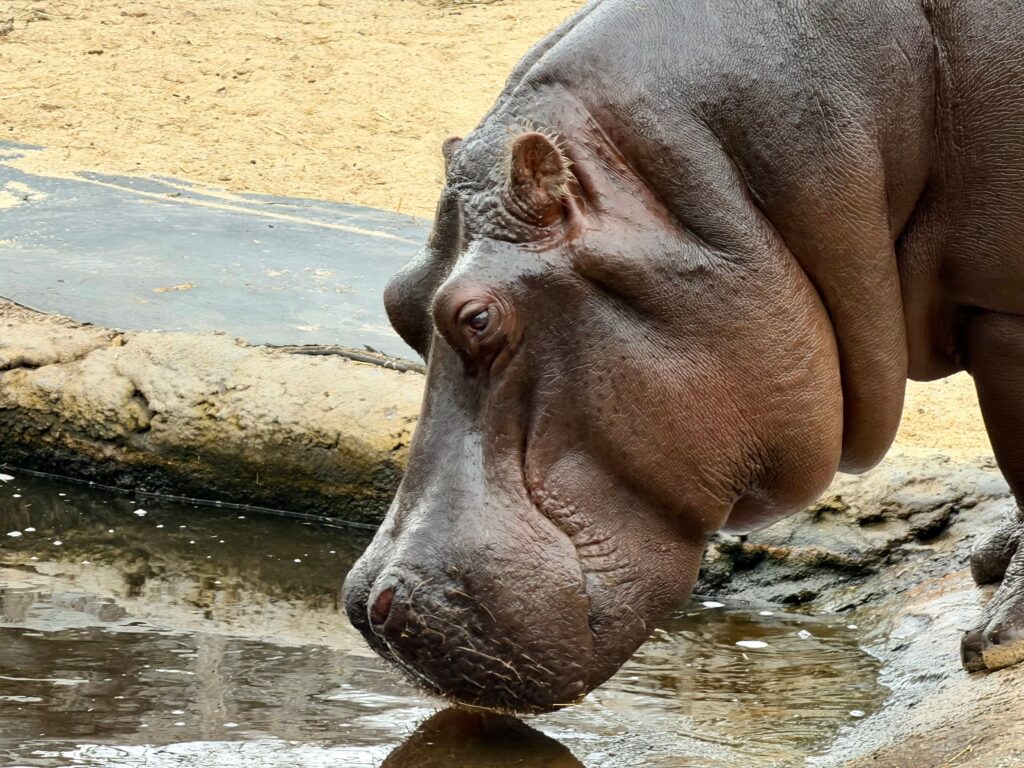
飼育されている動物園(日本・世界)
カバは世界中の動物園で人気の大型動物で、日本でも比較的多くの動物園で飼育されています。
日本でカバを飼育している主な動物園
日本では20園以上でカバが飼育されています。
代表的な動物園は次のとおりです。
- 恩賜上野動物園
- 旭山動物園
- 東山動植物園
- 天王寺動物園
- 神戸市立王子動物園
- 京都市動物園
- とべ動物園
- アドベンチャーワールド
- いしかわ動物園
- 平川動物公園
※ 繁殖や施設改修などにより、飼育状況は変わることがあります。
世界で有名なカバ飼育施設
アフリカ
- National Zoological Gardens of South Africa
- Nairobi Animal Orphanage
北米
- San Diego Zoo
- Cincinnati Zoo & Botanical Garden
- Fort Worth Zoo
ヨーロッパ
- Zoo Berlin
- Zoo Leipzig
- Chester Zoo
- Pairi Daiza

他の動物を紹介



コメント