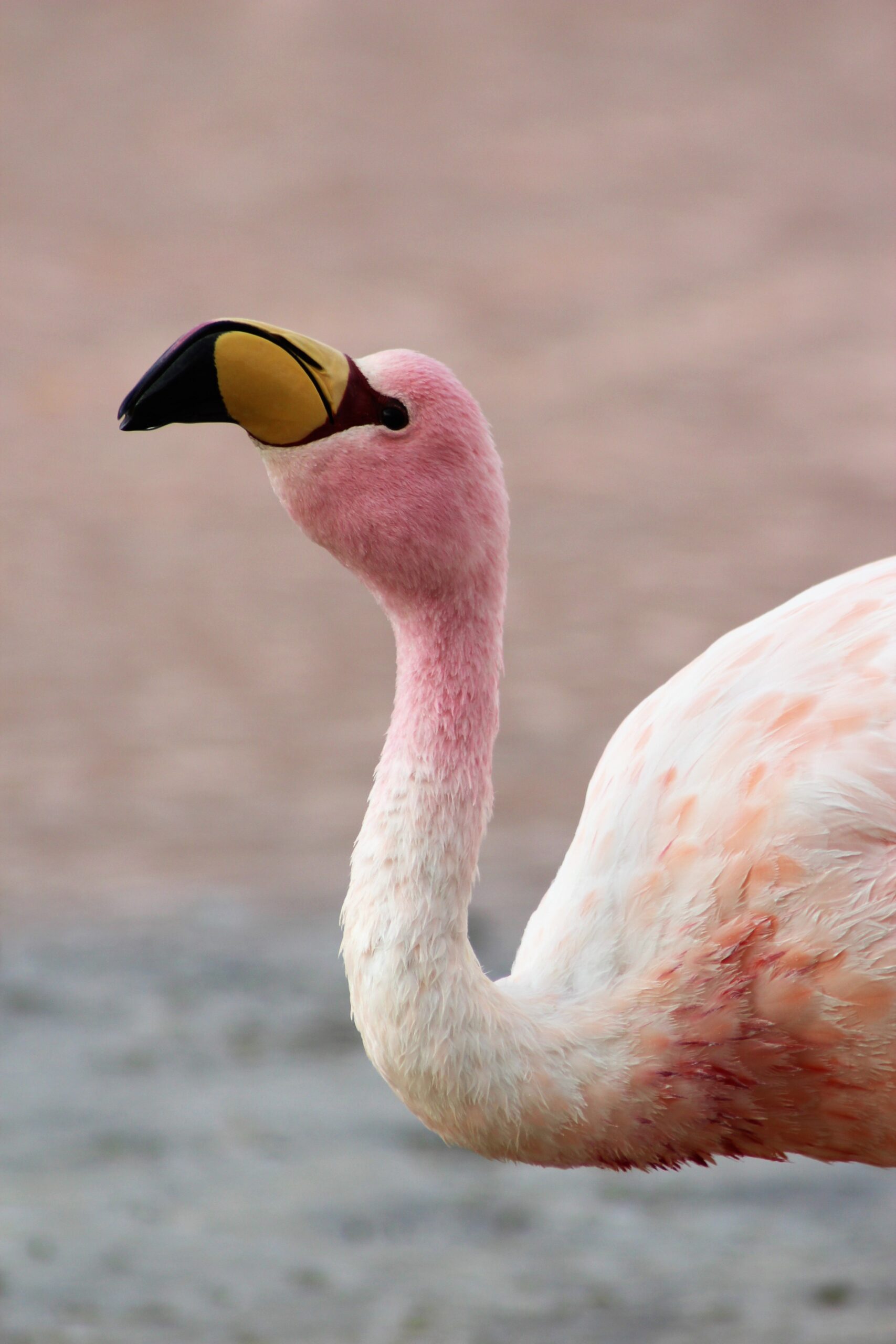
動物園や動物公園で見れるコフラミンゴとはどんな鳥?特徴、生態、生息地について解説します。フラミンゴの中では最も小さい種で、とても馴染みのある生物と言えるでしょう。インド西北部とアフリカなどに生息しているこのフラミンゴは残念ながら絶滅危惧種に指定されています。


コフラミンゴとは? 基本ステータスについて
コフラミンゴ(flamingo)はフラミンゴ目フラミンゴ科に分類される鳥類です。学名はPhoenicopterus minor。別名はコガタフラミンゴです。全長は80-90cm、体重は1.2–2.7 kgです。
| Japanese(和名) | コフラミンゴ,コガタフラミンゴ |
| English(英名) | Lesser Flamingo |
| scientific name(学名) | Phoenicopterus minor |
| classification(分類) | Ave、 Phoenicopteriformes、Phoenicopteridae、Phoenicopterus 鳥綱、フラミンゴ目、フラミンゴ科、フラミンゴ属 |
| IUCN Status(保全状況) | VULNERABLE |
| Length(体長) | 80-90cm |
| Weight(体重) | 1.2–2.7 kg |
コフラミンゴのルーツ、起源は?
コフラミンゴ(Lesser Flamingo / 学名:Phoeniconaias minor)のルーツは、現在のアフリカ大陸、とくに東アフリカの大地溝帯(グレート・リフト・バレー)周辺に強く結びついています
1. フラミンゴ類そのものの起源
コフラミンゴだけを見る前に、まずフラミンゴ全体の祖先を見る必要があります。
- フラミンゴ類は約**数千万年前(第三紀初期)**にはすでに存在していたと考えられています。
- 現在は独立した「フラミンゴ目(Phoenicopteriformes)」に分類されます。
- 進化的には昔はコウノトリ類に近いと考えられていましたが、現在の研究ではカイツブリ類などとの近縁性も議論されています。
祖先の鳥は、浅い湖や湿地で暮らしながら、
- 長い脚
- 曲がったくちばし
- 泥水から微生物を濾し取る食性
という現在のフラミンゴらしい特徴を進化させました。
2. コフラミンゴが誕生した場所
コフラミンゴは、現在の分布を見ると主に:
- ケニア
- タンザニア
- エチオピア
- ナミビア
- ボツワナ
- インド北西部
などに生息しています。特に東アフリカのアルカリ湖(ソーダ湖)が重要な繁殖地です。
代表的な場所:
- ナクル湖(ケニア)
- マガディ湖(ケニア)
- ナトロン湖(タンザニア)
などです。
3. なぜ「小さいフラミンゴ」になったのか?
コフラミンゴは名前通りフラミンゴの中では小型です。
進化の理由は主に食べ物です。
コフラミンゴは、
- 藍藻(シアノバクテリア)
- 小型プランクトン
を主食にします。
東アフリカのアルカリ性の強い湖では、こうした微生物が大量発生します。
その環境では、
「大型の魚を捕る能力」
よりも、
「大量の微生物を効率よく濾し取る能力」
が有利でした。
その結果、
- 小型化
- 非常に細かい濾過能力を持つくちばし
- 大群で生活する習性
が発達したと考えられています。
4. コフラミンゴの最大の特徴
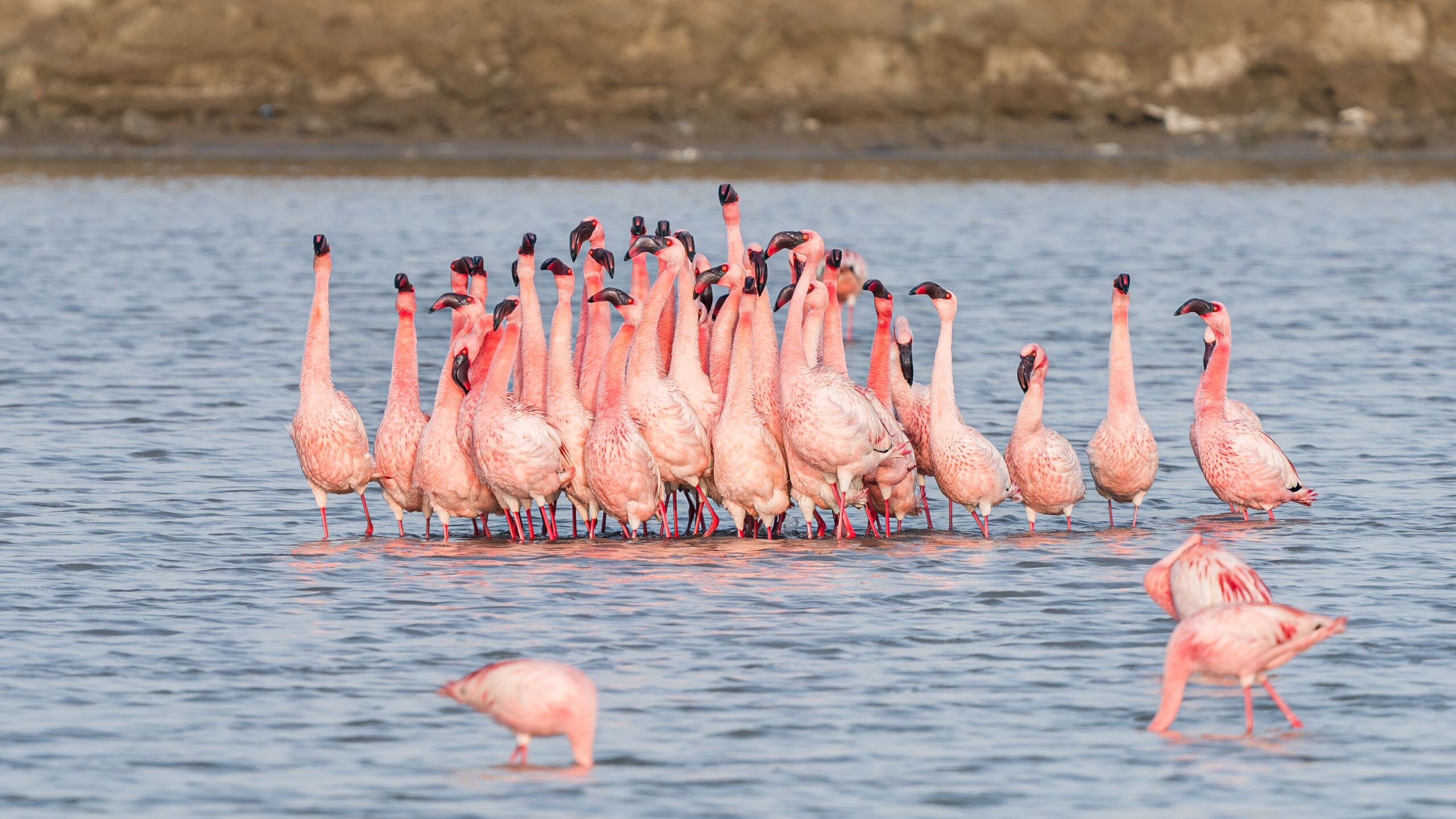
コフラミンゴは世界でも特に大規模な群れを作ります。
例:
- 数十万〜百万羽規模の群れ
- 数千羽単位の集団移動
- 火山性アルカリ湖への依存
という独特な生態を持っています。
分類について
コフラミンゴはフラミンゴ属に属しています。
🔬 分類階級
- 界(Kingdom):動物界(Animalia)
- 門(Phylum):脊索動物門(Chordata)
- 綱(Class):鳥綱(Aves)
- 目(Order):フラミンゴ目(Phoenicopteriformes)
- 科(Family):フラミンゴ科(Phoenicopteridae)
- 属(Genus):Phoeniconaias
- 種(Species):Phoeniconaias minor(コフラミンゴ、Lesser Flamingo)
生息地について
コフラミンゴはアフリカ大陸から、インドやパキスタンにかけてかなり幅広く生息していることが分かっています。
🌏 1. 地理的分布
- 主な分布地域:東アフリカ〜南アフリカ、西アジア、インド亜大陸
- アフリカ:ケニア、タンザニア、ウガンダ、エチオピア、ナミビア、南アフリカ
- アジア:インド西部、パキスタンの一部
- 渡りの傾向:季節に応じて塩湖や浅い湖の間を移動
🏞 2. 生息環境の特徴
- 湖沼・塩湖・アルカリ湖が中心
- 高塩分やアルカリ性の湖でも生息可能
- 水深は浅く、濾過食(藻類や微小甲殻類を食べる)に適している
- 開けた環境
- 森林や高い草地より、視界が広く安全な浅水域を好む
- 群れで生活
- 数千羽〜数十万羽規模の大群を形成することが多い
🐾 3. 生息のポイント
- 餌が豊富な塩湖やアルカリ湖に依存
- シアノバクテリアや藻類、微小甲殻類など
- 渡り行動と水位変動への適応
- 湖が干上がった場合や餌が不足した場合、群れで他の湖に移動
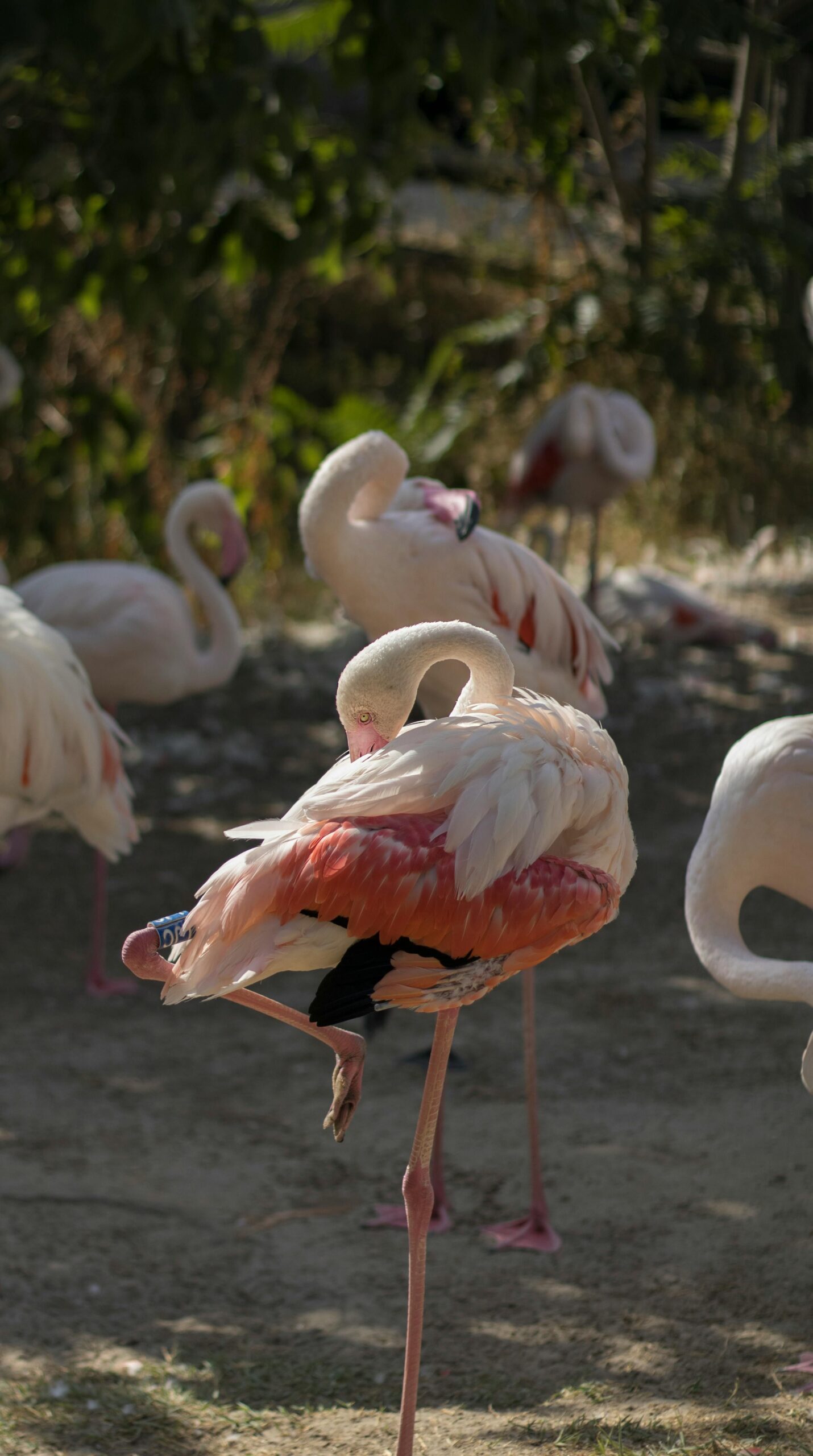
特徴は?どんな感じの生物なのか?
コフラミンゴはフラミンゴの中では最も小さい種でアルカリ性や塩水の湖に生息しています。社会性の強い動物で、大群が住むケニアのナクル湖は世界的に有名です。脚は鮮やかなピンク色をしています。嘴の黒い部分が大きく最も数の多いフラミンゴで、その数はおよそ200万羽とも言われています。
🐦 1. 見た目の特徴
- 体の大きさ:最小のフラミンゴ
- 体長:約80〜90 cm
- 翼開長:約90〜100 cm
- 体重:約1〜1.5 kg
- 体色:淡いピンク~赤色
- 成鳥になると羽や脚が鮮やかになる
- くちばし:独特の湾曲型で、餌を濾過するのに適している
- くちばしの先端は黒色
- 脚:細長く赤みがかっている
- 首:長く、飛翔時や採餌時に伸ばす
🌿 2. 行動・生態の特徴
- 群れで生活
- 数千羽〜数十万羽規模の大群を形成
- 採餌方法
- 浅い塩湖やアルカリ湖で、水中の藻類や微小甲殻類を濾過して食べる
- 飛翔能力
- 長距離渡りが可能で、湖間を移動
- 翼は大きく、滑空や集団飛行に適応
🏞 3. 生息環境への適応
- 塩湖やアルカリ湖に依存
- 高塩分環境でも生息可能
- 餌となるシアノバクテリアや藻類を効率的に食べる濾過器官を持つ
- 浅水域での採餌
- 足が長く、立ったまま餌を探す
🧠 4. 全体的な印象
- 小型のフラミンゴで群れを作る水鳥
- 鮮やかなピンク色の体色と湾曲したくちばしが特徴
- 塩湖や浅い水域で群れを形成し、渡りを行う
生態はどうなっているのか?
コフラミンゴは水中プランクトン、藻類などを食べて生活をしています。白亜の卵を、泥を盛り上げて作った巣の上に一度に一個だけ産みます。コフラミンゴは とても長生きで、50年ぐらい生きます。
🌿 1. 生息環境
- 主な場所:東アフリカの塩湖・アルカリ湖、南アフリカ、インド亜大陸の浅い湖
- 環境の特徴:
- 高塩分やアルカリ性の湖でも生息可能
- 浅く開けた水域を好み、群れで採餌
🌙 2. 行動パターン
- 昼行性:昼間に採餌・飛翔
- 群れで生活:数千羽〜数十万羽規模の大群を形成
- 渡り行動:季節に応じて湖間を移動(餌や水位に依存)
- 飛翔能力:長距離飛翔に適応、滑空や熱気流を利用して省エネで移動
🦗 3. 食性
- 濾過採餌:くちばしで水中の餌を濾し取る
- 主な餌:
- シアノバクテリア(藻類)
- 微小甲殻類(アルテミアなど)
- 採餌行動:浅水域で立ったまま首を曲げ、くちばしで濾過
🏠 4. 繁殖・巣作り
- 巣:湖の砂や泥で小さな土の塚を作る
- 卵:通常1個、多くても2個
- 抱卵期間:約27〜31日
- ヒナの成長:巣立ちは約4週間後、親の給餌で成長
🧠 5. 社会性
- 群れで行動:採餌、繁殖、渡りすべて群れで行う
- 防御:群れで集まることで捕食者から身を守る
- コミュニケーション:鳴き声や視覚的サインで群れと意思疎通
🐾 6. 生態のまとめ
- 昼行性・群れ生活・濾過採餌型の水鳥
- 塩湖やアルカリ湖に適応し、渡りを行う
- 小規模の土塚巣で繁殖、親が給餌しヒナを育てる
コフラミンゴの潜水
コフラミンゴ(Phoeniconaias minor)は基本的には「潜水が得意な鳥」ではありません。
フラミンゴ類は一般的に、水面近くで採食する鳥で、カモやペンギンのように長時間水中を泳ぐ能力は持っていません。
1. コフラミンゴの「潜水」の目的
主な目的は採食です。
コフラミンゴは水中で、
- 藍藻(シアノバクテリア)
- 微細な植物プランクトン
- 小型の有機物
を食べます。
特徴的なのは、くちばしを逆さまにして水中へ入れ、舌をポンプのように動かして水を吸い込み、くちばし内部の櫛状構造(ラメラ)で餌を濾し取ることです。
2. 本格的な潜水をしない理由
コフラミンゴの体は潜水鳥向きではありません。
潜水鳥(ペンギン・カイツブリなど)は、
- 水中で推進する翼や足
- 密度の高い骨
- 水中抵抗の少ない体形
を持っています。
一方、コフラミンゴは:
- 長い脚
- 軽い体
- 大きな翼
- 浮きやすい体
を持つため、水中に長く留まるより、浅瀬で効率よく餌を取る方向へ進化しました。
鳴き声
コフラミンゴ(Phoeniconaias minor)の鳴き声は、ガチョウやカモに似た鼻にかかったような甲高い声が特徴です。
鳴き声の特徴
- 「ガァー、ガァー」
- 「カッ、カッ」
- 「クルルル…」
- 「ホンク、ホンク」
と表現されることが多く、金属的で少し鼻声のような響きがあります。
群れで生活するため、1羽だけが鳴くことは少なく、何千~何万羽もの群れが一斉に鳴くことで非常に大きな音になります。
なぜ鳴くの?
コフラミンゴは鳴き声を使って次のようなコミュニケーションを行います。
- 親子の認識:ヒナは親の鳴き声を聞き分け、親もヒナの声を識別できます。
- 群れの維持:飛び立つタイミングや移動中の連絡。
- 求愛行動:繁殖期には鳴きながら首を振る集団ディスプレイを行います。
- 警戒:危険を察知すると群れ全体に知らせます。
声の大きさ
数万羽規模のコフラミンゴのコロニーでは、鳴き声が数百メートル以上離れた場所まで聞こえることもあります。群れ全体が絶えず鳴き交わすため、繁殖地は常ににぎやかな環境になります。
季節別の活動
コフラミンゴ(Phoeniconaias minor)の活動は、季節による湖の水位・藻類の発生量・雨季と乾季に大きく左右されます。
特に東アフリカの個体群では、決まった渡りよりも「餌が豊富なアルカリ湖を探して移動する」生活をしています。
春(3〜5月):雨季・採食中心の時期
主な活動
- 雨で湖の水量が増える
- 藻類(シアノバクテリア)の増減を追う
- 大群で採食する
雨季は湖の環境が変化しやすく、餌となる藻類が一時的に減ることもあります。
行動:
- 浅瀬で濾過採食
- 群れで移動
- 羽の手入れ(換羽準備)
夏(6〜8月):乾季・大移動の時期
主な活動
- 水が蒸発してアルカリ濃度が高くなる湖へ移動
- 餌となる藍藻が増える場所を利用
コフラミンゴにとって重要な時期です。
特徴:
- 数万〜数十万羽の巨大群形成
- 日中は採食
- 夜間や早朝に移動することもある
特に東アフリカでは、乾燥によってできる「ソーダ湖」が重要な採食場所になります。
秋(9〜11月):繁殖準備・求愛活動
主な活動
- 群れ全体で求愛ディスプレイ
- 繁殖地へ集合
コフラミンゴの求愛は非常に特徴的です。
代表的な行動:
- 首を伸ばして歩く
- 頭を左右に振る
- 翼を広げて色を見せる
- 群れで同じ動きをする
数千羽が同時に行う「集団求愛」はフラミンゴ類を代表する行動です。
冬(12〜2月):繁殖・子育ての時期
※地域によって異なりますが、東アフリカではこの時期に繁殖が集中することがあります。
繁殖活動
- 泥で小さな円錐形の巣を作る
- 1個の卵を産む
- 約1か月ほど抱卵
ヒナが生まれると:
- 親が「フラミンゴミルク」と呼ばれる分泌物を与える
- 大きな「保育集団(クレイシュ)」を形成
- 親は鳴き声で自分のヒナを識別する
歩行速度
コフラミンゴ(Phoeniconaias minor)の歩行速度は、状況によって変わりますが、通常は人間のゆっくりした歩行よりやや遅い〜同程度です。
通常歩行
- 約1〜3 km/h程度
- 浅い湖や泥地をゆっくり歩きながら採食します
コフラミンゴは歩きながら、
- 水中にくちばしを入れる
- 泥をかき混ぜる
- 藻類を濾過する
という動作を繰り返すため、速く歩く必要がありません。
急ぐ場合
危険を感じた時や飛び立つ前には、
- 約5〜8 km/h程度の速い歩行
- 水面を走るような助走
を行います。
フラミンゴ類は体が大きく、翼で飛び立つには助走が必要です。
水中での歩行
コフラミンゴは浅いアルカリ湖で生活するため、水中歩行も得意です。
特徴:
- 長い脚で水底を歩く
- 泥を巻き上げながら採食
- 数千羽が同じ方向へゆっくり移動する
浅瀬では歩く速度よりも、群れ全体で同じリズムで移動する能力が重要になります。
体の構造と歩行
コフラミンゴがゆっくり歩く理由:
- 長い脚 → 深い水でも移動可能
- 3本指の足 → 柔らかい泥でも沈みにくい
- 長い首 → 歩きながら水中採食可能
ただし、脚は速さよりも浅瀬での効率的な移動に特化しています。
コフラミンゴのヒナについて
コフラミンゴ(Lesser Flamingo)の**ヒナ(幼鳥)**について、見た目・成長・行動の面から整理します。
🍼 1. 出生と初期の特徴
- 卵の数:通常1個、多くても2個
- 孵化期間:約27〜31日
- 体重・大きさ:孵化直後は約50〜70 g、体長は10〜15 cm程度
- 羽毛:産毛状で灰色~白っぽい、成鳥のピンク色や赤色の羽はまだ生えていない
- くちばし・脚・目:小さく色も淡い
🌱 2. 成長・発達
- 初期生活:親鳥の巣で抱かれ、給餌を受ける
- 給餌:親鳥が胃で柔らかくした藻類や微小甲殻類を口移しで与える
- 羽毛の発達:生後2〜3週間で体毛が成鳥に近づき、灰色からピンク色に変化
- 巣立ち:生後約4週間で巣立ちを始め、自力で餌を取りながら成長
🐾 3. 行動・性格
- 巣依存が強い:孵化後しばらくはほとんど動かず、親に抱かれる
- 巣内運動:生後数週間で翼を羽ばたかせたり脚で踏ん張る練習
- 親の指導を受けて採餌:巣立ち後も親について餌の取り方を学ぶ
🌙 4. 生態的ポイント
- 親に強く依存する初期生活
- 成長が比較的早く、約1か月で巣立ち可能
- 飛翔能力と濾過採餌技能を巣立ちまでに習得
コフラミンゴは絶滅危惧種なのか?
コフラミンゴは残念ながら絶滅危惧種に指定されています。アフリカの主要繁殖地は現在、大気や河川の汚染が進んでおり、個体数が激減しています。ナクル湖とボゴリア湖の近年のコフラミンゴの数は、重金属汚染の影響を受けていると考えられています。国際連合環境計画での取り決めにより保護されている渡り鳥になります。
🐦 1. IUCNによる評価
- 分類:Near Threatened(NT)またはVulnerable(VU)
- IUCNレッドリストでは「絶滅危惧種(絶滅危惧種カテゴリに近い)」として扱われることが多い
- 評価理由:生息数は比較的多いものの、特定の湖や湿地に依存しているため、環境変化に脆弱
🌏 2. 脅威となる要因
- 生息地の破壊・環境変化
- 塩湖やアルカリ湖の水位低下、汚染、干拓
- 湖周辺の工業開発や農業による生息地減少
- 人間活動による影響
- 観光、密漁、湖水採取
- 餌となる藻類や微小生物の減少
- 気候変動
- 塩湖や浅水湖の水位変動が頻繁
- 渡りルートの変化や繁殖地への影響
🧠 3. 保護状況
- 自然保護区や国立公園での保護
- ケニアのナクル湖など、主要生息地での保護活動
- 群れで生活するため、環境が安定すれば個体数が比較的安定
- 持続的な監視と生息地保護が重要
コフラミンゴは飼育できるのか?
上記の通りかなり固く保護されている状況ですので、飼育は極めて困難です。動物園で鑑賞しましょう、イベントの情報の案内など、園内ではアクセスして一覧で見れます。期間が決まっていることが多いので注意しましょう。
🐦 1. 飼育の難しさ
- 大型群れで生活する習性
- コフラミンゴは数千羽〜数十万羽規模の群れで生活
- 個体数が少ないとストレスがかかり、行動や健康に悪影響
- 食性が特殊
- 主にシアノバクテリアや微小甲殻類などを濾過して摂取
- 専用の餌環境(水深や水質)を整える必要がある
- 生息環境依存性が高い
- 塩湖・アルカリ湖など特定の水質や水位が必要
- 浅水域での採餌や塩分調整を再現するのは家庭では困難
- 渡り鳥の習性
- 季節に応じて長距離移動を行う
- 飼育下では渡り本能によりストレスが蓄積する
🏛 2. 法律・規制
- 絶滅危惧種に近い鳥で、保護が必要
- 日本や多くの国で、輸入や飼育には特別な許可が必要
- 無許可での飼育・販売は違法
🐾 3. 飼育可能なケース
- 動物園や野生動物保護施設
- 群れの生活、浅水域、濾過採餌環境を整備
- 繁殖プログラムや保護・展示目的で飼育
- 家庭飼育は不可能
- 餌・水環境・群れ生活・渡り習性を再現できない
飼育されている動物園(日本・世界)
コフラミンゴ(Phoeniconaias minor)は、フラミンゴ類の中でも飼育が難しい種類のため、世界的に見ても飼育園館は限られています。
特に重要なのは、主食である藍藻(シアノバクテリア)などの濾過食への対応と、繁殖管理です。
🇯🇵 日本でコフラミンゴを飼育している主な動物園
京都市動物園
- 日本で初めてコフラミンゴの繁殖に成功した施設として知られています。
- 1988年に国内初繁殖、1997年には人工孵化・育雛にも成功しています。
- 長期的な飼育・繁殖研究の実績があります。
千葉市動物公園
- コフラミンゴを展示しています。
- 平原ゾーンで観察できます。
- 小型で黒い部分が大きなくちばし、鮮やかな脚色などの特徴を見ることができます。
天王寺動物園
- コフラミンゴを飼育展示しています。
- アフリカサバンナエリアで見ることができます。
- 特徴的なくちばしの濾過構造(ラメラ)についても紹介されています。
🌍 世界で飼育されている代表的な施設
🇺🇸 アメリカ
San Diego Zoo
- フラミンゴ類の展示・保全研究を行う代表的な動物園の一つです。
- 世界の動物園ではコフラミンゴを含むフラミンゴ類の飼育研究が行われています。
National Zoological Park
- フラミンゴ類を飼育する施設の一つとして知られています。
🇫🇷 フランス
Parc zoologique de Paris
- 世界の動物園でコフラミンゴが飼育されている例として挙げられています。
🇺🇸 その他
- SeaWorld San Diego
- San Antonio Zoo
などでもフラミンゴ類の飼育実績があります。

他の動物を紹介


コメント