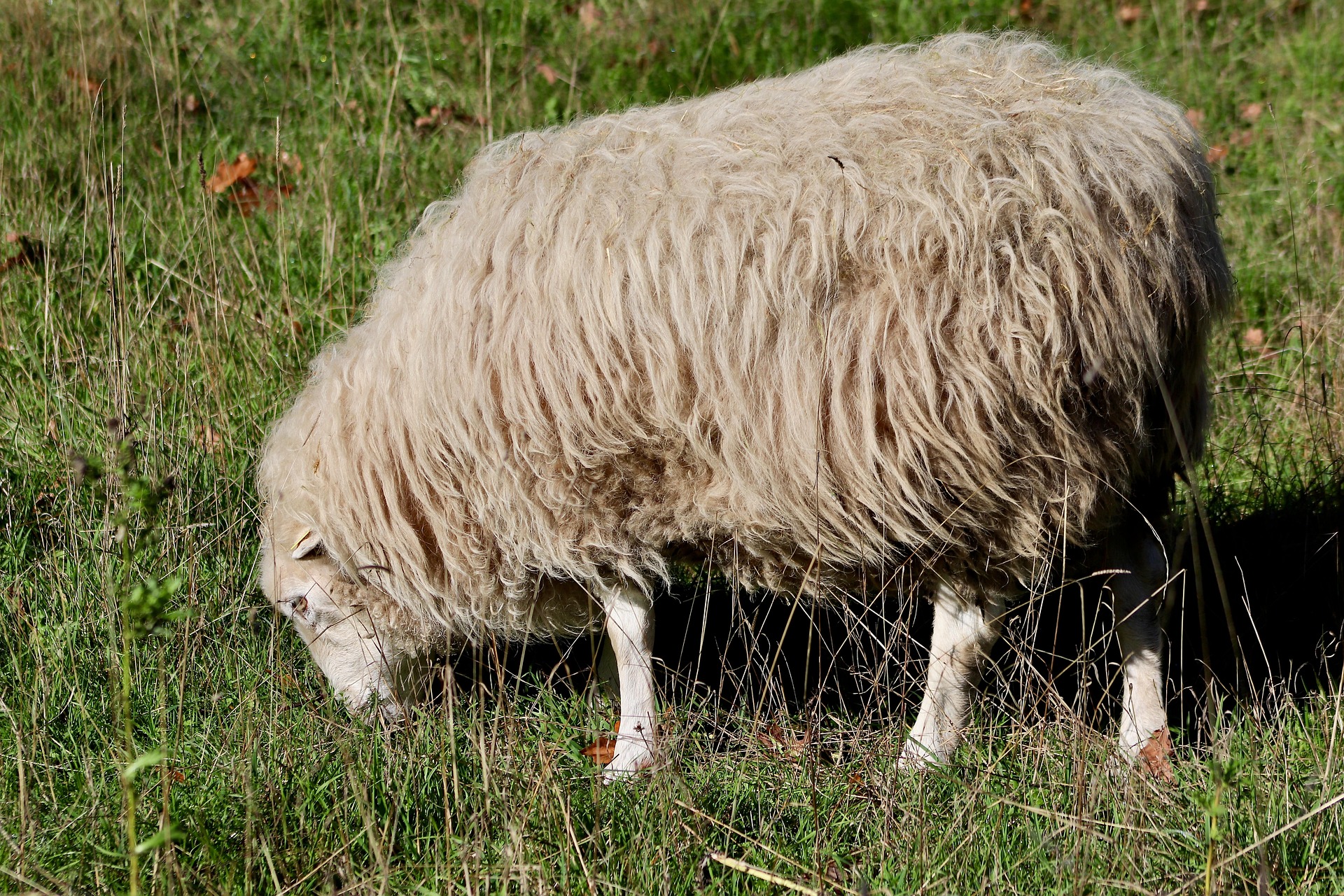
ヒツジはどんな動物?特徴、生態、生息地について解説していきます。誰でも知っているような動物であるヒツジはとても色々な用途に利用できるため、人間に重宝されている動物です。ヒツジにはどのような文化や歴史があるのか?それも含めて紹介をしていきます。


ヒツジとは? 基本ステータスについて
ヒツジはウシ科ヤギ亜科の鯨偶蹄目。角を持ち、主に羊毛のために家畜化されている動物で誰もが知る動物です。学名はOvis ariesで漢字では羊(ひつじ)、綿羊と表記、記載されます。体長は120 – 180cmで体重は45-90kgになります。羊は毛の需要があり、服などに使える効果もあります。いつでも需要があります。
| Japanese(和名) | ヒツジ |
| English(英名) | Sheep |
| scientific name(学名) | Ovis aries |
| classification(分類) | Mammalia、Ruminantia、 Bovidae、Ovis 哺乳綱、ウシ目、ウシ科、ヒツジ属 |
| IUCN Status(保全状況) | LEAST CONCERN |
| Length(体長) | 120 – 180cm |
| Weight(体重) | 45– 90kg |
ヒツジのルーツ、起源は?
ヒツジ(羊)のルーツは、約1000万年前にユーラシア大陸で進化した野生のヒツジ類にさかのぼります。現在の家畜ヒツジは、主にムフロン(野生ヒツジの一種)を祖先として、約1万年前に人間によって家畜化された動物です。
1. ヒツジの祖先は「ムフロン」
現在の家畜ヒツジ(学名:Ovis aries)の最も有力な祖先は、
ムフロン(Mouflon)
です。
ムフロンは現在も、
- コーカサス地方
- イラン周辺
- 小アジア
- 地中海の島々
などに生息しています。
特徴:
- 茶褐色の短い毛
- 大きな巻き角(主にオス)
- 岩山を移動できる強い脚
- 群れで生活する習性
現在の羊の「群れ好き」「草食性」「丈夫な体」は、この野生時代の性質を受け継いでいます。
2. 進化の歴史
大まかな流れ:
約1000万年前
野生ヒツジ属(Ovis)がヤギ類などから分化
↓
約300万〜100万年前
ユーラシア各地へ拡大
↓
約1万年前
中東(肥沃な三日月地帯)で人間による家畜化開始
↓
現在
世界中で数十億頭規模の家畜へ発展
3. 家畜化された場所
ヒツジが最初に家畜化されたのは、現在の
- イラン
- イラク
- トルコ東部
- シリア周辺
にあたる地域です。
この地域では農耕文明が始まり、人々は野生ヒツジを捕獲・飼育するようになりました。
初期の目的は主に:
- 肉
- 乳
- 皮
でした。
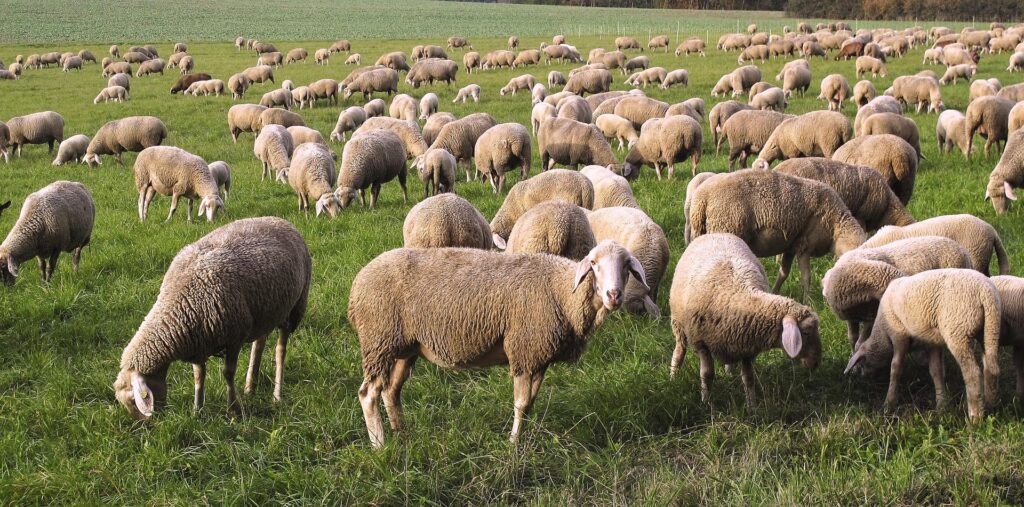
ヒツジの歴史はどうなっているのか?
実は情報ではヒツジは新石器時代にはすでに人間が飼育して家畜にしていたと言う痕跡が見つかっています。恐らく家畜になったのがメソポタミア文明が発達した紀元前7000-6000年ごろではないかと言われています。ヒツジの祖先は恐らくモンゴル、インド、地中海と思われています。中でも同じ人間の社会に適応した動物です。日本でもヒツジは需要が高いです。
なぜヒツジは家畜になったのか?
ヒツジが人間の家畜になった最大の理由は脂肪と羊毛です。肉や乳、皮の利用はヤギが優れているため、あえてヒツジを選ぶ意味はありませんでした。ただし遊牧民のあいだでは重要な栄養素である脂肪はヤギからは充分に得ることができず、ヒツジに目を付けたわけです。脂肪摂取の主流となっているブタは、宗教上の理由から家畜に適しませんでした。
羊肉にも大きな需要がある
羊肉にも大きな需要があることがわかっていました。広い地域で食用とされていて飼育が盛んなオーストラリアやニュージーランドを筆頭に、イギリス、ギリシャ、アイルランドではとても多くの肉が消費されているのです。
羊毛にも大きな需要
ヒツジが家畜化された理由として羊毛が挙げられます。野生のヒツジは春に上毛が抜ける性質があり、紀元前から人類は、この抜け落ちた上毛によってフェルトを作っていたのです。このような需要があり、家畜化が進みました。現在われわれが通常に羊毛として親しんでいるのは、主にこの下毛を発達させるように品種改良された家畜用ヒツジの毛です。
羊乳にも需要がある
羊乳にも需要があるのが実態です。ヒツジの乳は主にヨーグルトやチーズなどの加工用に使用され、現代人が口にしています。特にこの乳はチーズに加工されて利用されています。
羊革にも需要がある
種により羊革にも需要があり、ラムスキン、シープスキン、ムートンとしてそれぞれ衣服に用いられます。上手に目的に応じて使えます。牛や山羊に比べて、彼ら以上にそれぞれ毛が使える存在ともいえます。他と違って群れで飼育する家庭が多いです。
ヒツジの飼育数はどうなっている?
ヒツジは世界中で広く飼育され、2008年の統計では全世界で10億頭が飼育されています。中国、オーストラリア、インド、ニュージーランド、イラン、ナイジェリアがとても多く飼育しております。
🌍 世界全体の数
- 世界のヒツジの総数は約12〜13億頭と見積もられています。
⇒ これは全世界の人間約80億人に対して、6〜7人に1頭の割合に相当します。
🌏 上位の飼育大国(数の多い国)
- 中国:世界最大のヒツジ飼育数(約1.7〜1.8億頭)
- インド:約7800万頭程度(第2位クラス)
- オーストラリア:約7800万頭(大きな羊産業を持つ)
- トルコ/英国など:ともに数千万頭規模で飼育されている国もある
※上記以外にも、アフリカや中東の複数国でヒツジが農村の重要な家畜として広く飼育されています。
🌍 地域別シェア(概算)
- アジア:世界全体のヒツジのおよそ40〜45%を占める主要地域。
- アフリカ:30%前後の多さ。
- ヨーロッパ・オセアニア:それぞれ一定数の飼育があるが国によって偏りあり。
📉 総数の傾向
- 過去数十年で世界の羊数はおおむね安定〜緩やかに増加傾向にあるという統計もありますが、国・地域によっては減少する動きもあります。
- 例として、ニュージーランドではかつて世界的人口比で非常に多くの羊を飼っていましたが、ここ数十年で数を大きく減らしています(それでも人口より多い)という報道もあります。
ヒツジの特徴は?
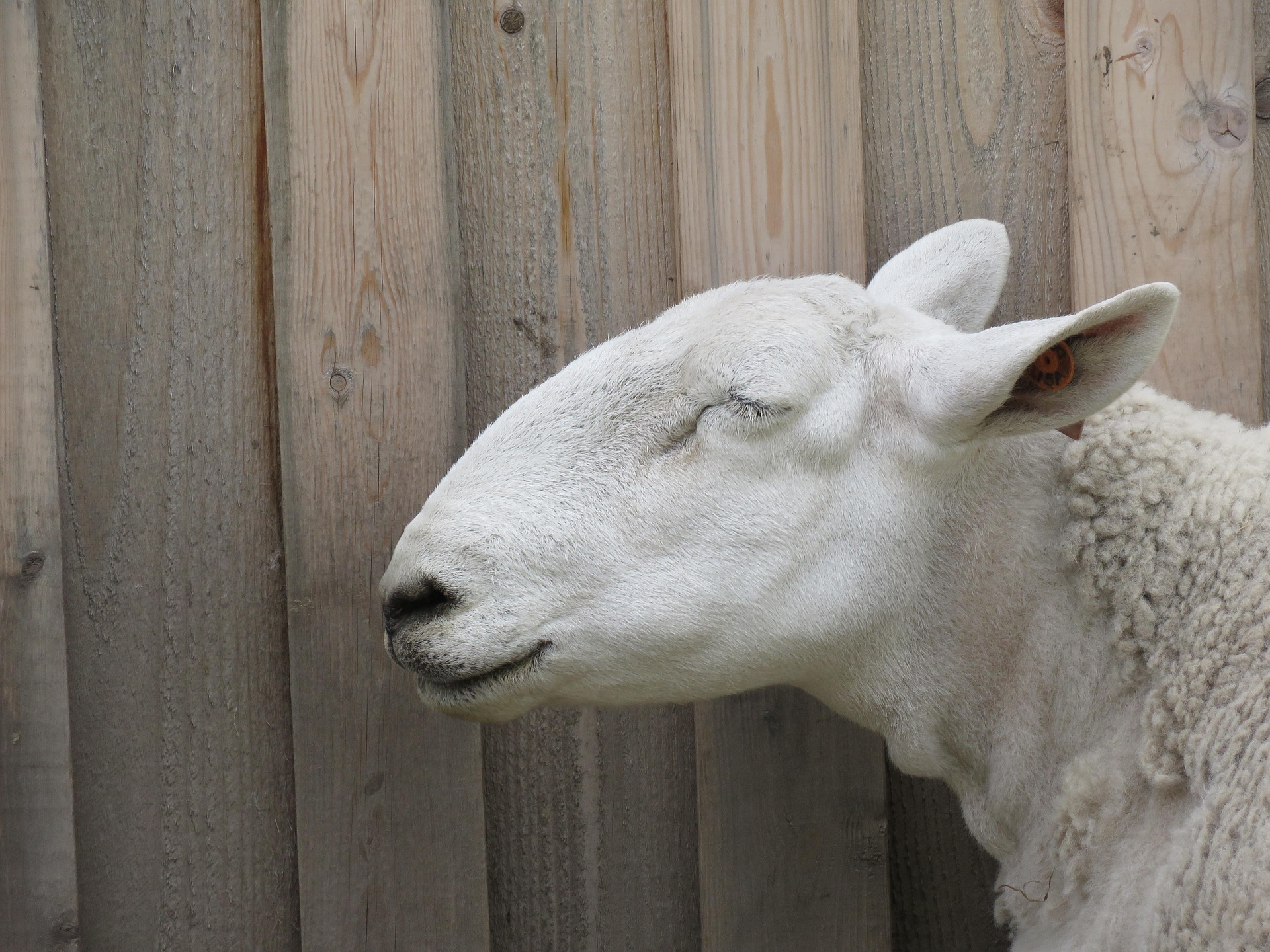
反芻動物としては比較的体は小さく、側頭部のらせん形の角と、羊毛と呼ばれる縮れた毛をもつのが特徴です。外敵を察知することができるように聴力がとても発達しました。視力については、水平に細い瞳孔を持ち、優れた周辺視野を持っておりこれも外敵の接近を察知できます。ヒツジの体長や体重は品種により大きく異なり、バラバラです。
1. 基本情報
- 学名:Ovis aries
- 分類:哺乳綱・偶蹄目・ウシ科
- 原産地:中央アジアの高原地帯が起源とされる
- 寿命:約10〜12年(品種や飼育環境による)
2. 体の特徴
- 体格:中型〜大型で、体高は約60〜110cm、体重は30〜150kg程度(品種による)
- 毛:羊毛と呼ばれる柔らかく密な毛を持つ。寒冷地向けに発達している品種が多い
- 角:オスは大きく湾曲した角を持つ品種が多い。メスは角が小さいかない場合もある
- 色:白が一般的だが、黒、茶色、斑など様々な色がある
3. 行動・性格
- 性格:おとなしく、人に慣れやすい
- 群れ生活:群れで生活する社会性の高い動物
- 警戒心:外敵に対しては敏感で、群れで協力して身を守る
- 運動能力:山岳地帯では高い登攀能力を持つ
4. 生態・食性
- 食性:草食性。牧草や野草を主に食べる
- 繁殖:一度に1〜3頭の子羊を出産
- 生活環境:草原や山岳地帯などの開けた場所に適応
5. その他の特徴
- 利用:羊毛(衣料)、肉(ラム・マトン)、乳(チーズなど)
- 文化的役割:多くの国で家畜として古くから飼育され、宗教・伝統行事にも登場
ヒツジの性格は?
ヒツジは見たままですがとても温和で温厚な性格をしています。警戒心が強く臆病で、群居性の強い動物ですのであまり単独行動をすることがありません。危機が迫ったらとにかく逃げます。生活では群れの中で行動しますので、移動も群れで行います。哺乳類を代表する存在と言えるでしょう。
1. 基本的な性格
- おとなしい:攻撃的ではなく、人や他の動物に対して比較的穏やか
- 臆病:警戒心が強く、突然の物音や動きに敏感で逃げることが多い
- 群れ依存型:群れで生活する動物のため、孤立するとストレスを感じやすい
2. 社会性
- 群れ行動を好む:仲間との距離感や順序を意識して生活
- 協調性が高い:危険が迫ると群れ全体で逃げる、食事も群れで行動
- リーダーの存在:群れにはリーダー(一般的には経験豊富な個体)がいて、行動の指針となる
3. 知能・学習能力
- 学習能力:環境や飼い主に慣れると簡単な指示やルートを覚えられる
- 記憶力:顔や仲間を認識できる能力がある
- 問題解決能力:単純な障害は避けたり、迂回したりできる
4. 品種差
- 一般的に羊はおとなしいが、
- メリノ種:非常に温厚で扱いやすい
- コリデール種:活発でやや好奇心旺盛
- 肉用種(サフォークなど):臆病だが、群れ行動に敏感
ヒツジの生態は?
ヒツジは草だけでなく、樹皮や木の芽、花も食べる傾向にあります。妊娠期間は147日で1年のうちで限られた時期に繁殖を行う季節繁殖の動物です。北半球においては、秋に交配を行い、春に子羊が生まれます。寿命は10-12年くらい。
1. 生活環境
- 原産地:中央アジアの高原地帯
- 適応地:草原、山岳地帯、牧草地など開けた土地
- 温度への適応:寒冷地では厚い羊毛が防寒になり、暑い地域では短毛の品種も存在
2. 食性
- 草食性:主に牧草、野草、葉などを食べる
- 反芻動物:胃は4つの部屋(反芻胃)を持ち、食べた草を消化のために再び口に戻して噛む
- 水分摂取:牧草から得る水分が多く、乾燥地でも比較的耐えられる
3. 社会生活
- 群れで生活:安全のため常に仲間と一緒に行動
- リーダーと序列:経験豊富な個体が群れを導くことが多い
- コミュニケーション:鳴き声や体の動きで仲間と連絡
4. 繁殖
- 性成熟:生後6〜12か月で繁殖可能(品種による)
- 発情期:多くの品種は秋に発情(季節繁殖型)
- 妊娠期間:約5か月(145〜155日程度)
- 出産:1回に1〜3頭の子羊を産む
- 子羊の成長:母乳で育ち、生後数週間で群れに馴染む
5. 行動パターン
- 日中活動型:昼間に牧草を食べ、夜は休む
- 警戒心:捕食者や危険に敏感で、群れで協力して逃げる
- 移動:食べ物を求めて一定距離を移動することがある
ヒツジの天敵は?
ヒツジは人間によって保護、飼育されております。ただし天敵はいて、野犬などがまさに敵に当たります。羊の生体にはヒツジバエなどの虫が寄生することもあります。
1. 自然界での主な天敵
- オオカミ(狼):野生のヒツジにとって最大の捕食者の一つ
- 野犬(イヌ科の野生・半野生):群れを襲うことがある
- 大型ネコ科(ピューマやヒョウなど):山岳地帯や草原で子羊を狙う場合がある
- 鳥類の猛禽類(ワシやタカ):特に子羊を狙うことがある
2. 群れでの防御
- ヒツジは群れで協力して天敵から身を守る
- 危険を察知すると、警戒鳴きや逃げる行動で群れ全体に知らせる
- 山岳地帯のヒツジは、崖や高い場所に逃げることで捕食者から身を守る
3. 人間との関わり
- 家畜として飼育される場合は、犬や柵、監視によって天敵から保護される
- 子羊は特に弱く、捕食のリスクが高いため母羊のそばで保護される
換毛について
ヒツジの換毛(かんもう)は、体温調節や季節への適応のために古い毛が抜け、新しい毛に生え変わる現象です。ただし、現在の家畜ヒツジの多くは人間による品種改良の影響で、野生のヒツジとは換毛の仕組みが大きく異なります。
1. 野生ヒツジの換毛
ヒツジの祖先であるムフロンなどの野生ヒツジは、自然な換毛を行います。
春
冬毛が抜ける
↓
夏向けの短い毛へ変化
秋
夏毛が抜ける
↓
冬を耐える厚い毛へ変化
つまり野生では、
- 冬:保温性の高い毛
- 夏:通気性の良い毛
という「衣替え」を毎年行います。
2. 家畜ヒツジは自然に毛が抜けにくい
現在の羊毛用ヒツジ(特にメリノ種など)は、人間が長期間かけて改良した結果、
- 毛が伸び続ける
- 自然に大量に抜けない
- 毛量が非常に多い
という特徴を持っています。
野生ヒツジ:
「冬毛を作る → 春に抜ける」
↓
家畜ヒツジ:
「毛が伸び続ける → 人間が刈り取る」
という違いがあります。
3. 羊毛刈り(シェアリング)は換毛の代わり
家畜ヒツジでは、春〜初夏にかけて羊毛を刈ります。
理由:
- 暑さを防ぐ
- 皮膚病を予防する
- 過剰な毛による負担を減らす
- 羊毛を利用する
一般的に、
年1回の毛刈り
が行われます。
1頭から取れる羊毛量は品種によりますが、数kgになることがあります。
4. 毛の種類
ヒツジの毛は大きく2種類あります。
下毛(アンダーコート)
- 柔らかい
- 保温性が高い
- 羊毛製品に利用される
上毛(ヘア)
- 外側を覆う
- 雨や風から守る
野生ヒツジではこの2種類が季節によって変化します。
鳴き声について
ヒツジの鳴き声は「メェー」というイメージが強いですが、実際には仲間や子どもとの連絡、危険の知らせ、感情表現など、状況によって音を使い分けています。
1. 代表的な鳴き声「メェー(Baa)」
ヒツジの基本的な鳴き声は英語で baa(バー) と表現されます。
この声にはさまざまな意味があります。
主な用途:
- 仲間を探す
- 母親を呼ぶ
- 餌を求める
- 不安を伝える
- 人間に要求を伝える
単なる「鳴き声」ではなく、ヒツジ同士のコミュニケーション手段です。
2. 子ヒツジ(ラム)の鳴き声
生まれたばかりの子ヒツジは、母親とのつながりを保つためによく鳴きます。
特徴:
- 高く細い声
- 短い間隔で鳴く
- 母親の注意を引く
「ここにいるよ」
「お母さんを探している」
という合図になります。
3. 母ヒツジは子どもの声を聞き分ける
ヒツジは意外に高度な聴覚能力を持っています。
母親は、
- 自分の子どもの鳴き声
- 他の子どもの鳴き声
を区別できます。
また、子どもも母親の声を覚えており、群れの中でも親子を認識できます。
4. 鳴き声で感情を表現する
ヒツジの「メェー」は、声の高さや長さで意味が変わります。
安心している時
- 小さな声
- 短い鳴き声
不安・孤独な時
- 大きな声
- 繰り返し鳴く
空腹時
- 何度も鳴く
- 人間や餌場へ近づく
季節別の活動
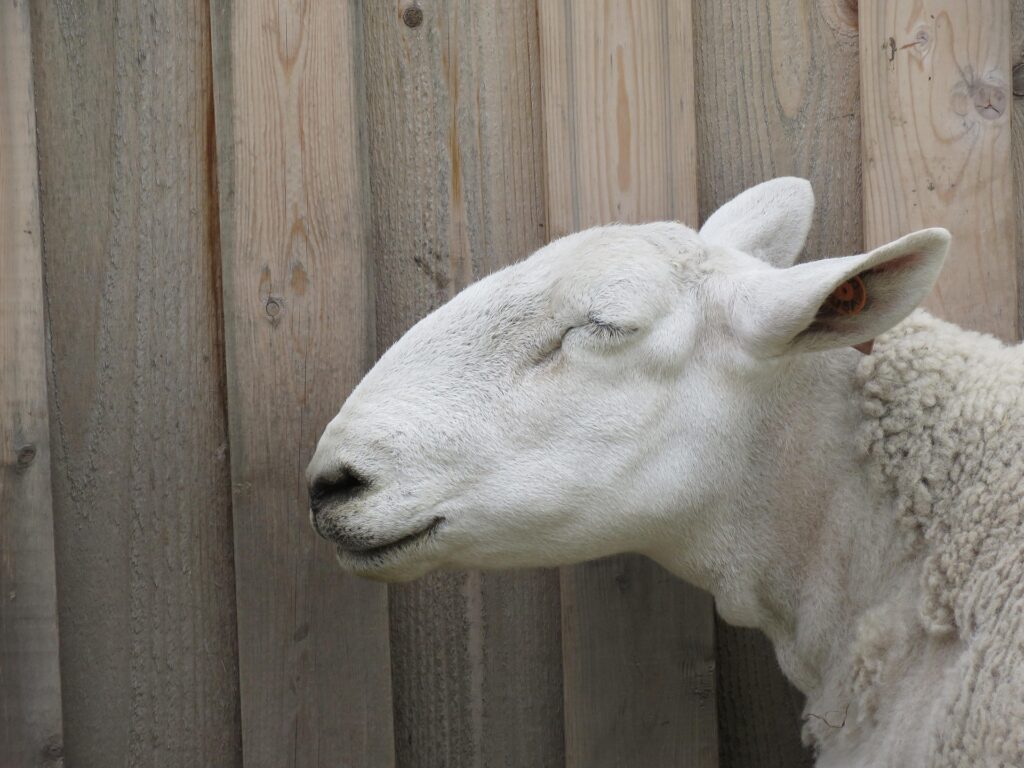
ヒツジの活動は、季節・気温・牧草の成長・繁殖サイクルによって大きく変化します。もともとの野生祖先であるムフロンは山岳地帯で暮らしていたため、季節変化への適応能力を持っています。家畜ヒツジもその性質を受け継ぎながら、人間の管理のもとで生活しています。
🌸 春(3〜5月頃):「出産と成長の季節」
春はヒツジにとって最も重要な時期の一つです。
主な活動
- 出産(分娩)
- 子育て
- 牧草を活発に食べる
- 群れの活動量が増える
冬を越えた母ヒツジは、春に子ども(子羊)を産むことが多くあります。
子羊の成長
生まれた子羊は、
- 数時間で立ち上がる
- 母乳を飲む
- 群れの中で歩く
など、非常に早い発達をします。
春の新鮮な草は栄養価が高く、母親の乳量を支えます。
☀️ 夏(6〜8月頃):「暑さへの対応」
ヒツジは寒さには強いですが、暑さには弱い動物です。
理由:
- 密度の高い羊毛
- 体温が逃げにくい体構造
があるためです。
夏の行動
- 朝夕に採食する
- 日中は日陰で休む
- 水を多く飲む
- 群れで風通しの良い場所へ移動する
特に毛刈り後は体温調節がしやすくなります。
🍂 秋(9〜11月頃):「繁殖準備の季節」
秋は繁殖活動が活発になる時期です。
主な活動
- 繁殖行動
- 栄養補給
- 冬への準備
ヒツジは「短日性繁殖動物」で、日照時間が短くなる秋頃に発情が起こりやすい傾向があります。
これは、
秋に交尾
↓
約5か月後
↓
春に出産
というサイクルにつながります。
❄️ 冬(12〜2月頃):「寒さへの適応」
ヒツジは寒さに非常に強い動物です。
理由:
- 羊毛による高い保温性
- 脂肪の蓄積
- 群れで体温を維持
冬の行動
- 牧草を探してゆっくり移動
- 風を避ける場所で休む
- エネルギー消費を抑える
野生のヒツジは岩場や斜面を利用して、雪や強風を避けます。
🐑 1日の活動リズム
ヒツジは基本的に昼行性です。
| 時間帯 | 行動 |
|---|---|
| 朝 | 放牧・採食 |
| 昼 | 休息・反芻 |
| 夕方 | 再び採食 |
| 夜 | 休息・睡眠 |
歩行速度について
ヒツジの歩行速度は、体格や種類、状況によって変化します。カンガルーのような高速移動能力はありませんが、長時間歩き続ける持久力に優れた動物です。
1. 通常の歩行速度
一般的な家畜ヒツジの歩行速度は、
時速約3〜5km程度
です。
これは人間の普通の歩行速度(約4km/h)と近い速さです。
主な行動:
- 牧草を探す
- 群れについて移動する
- 水場へ向かう
- 放牧地を移動する
2. ゆっくりした移動
採食中のヒツジは非常にゆっくり動きます。
速度:
時速1〜3km程度
特徴:
- 頭を下げて草を食べながら進む
- 群れで一定方向へ移動する
- 休みながら長時間活動する
ヒツジは「速く移動する」よりも「広い範囲から少しずつ栄養を取る」ことに適しています。
3. 急いだ時・逃走時の速度
危険を感じた時や群れが移動する時は速度が上がります。
目安:
時速10〜15km程度
短距離なら、
時速20km前後
に達することもあります。
ただし、シカや馬のような高速走行型ではありません。
4. 野生ヒツジ(ムフロン)の移動能力
祖先のムフロンは、山岳地帯で暮らしていました。
そのため、
- 急斜面を登る
- 岩場を移動する
- 長距離を歩く
能力があります。
速度よりも、
- 足場の悪い場所での安定性
- 持久力
- 瞬発的な逃走
に優れています。
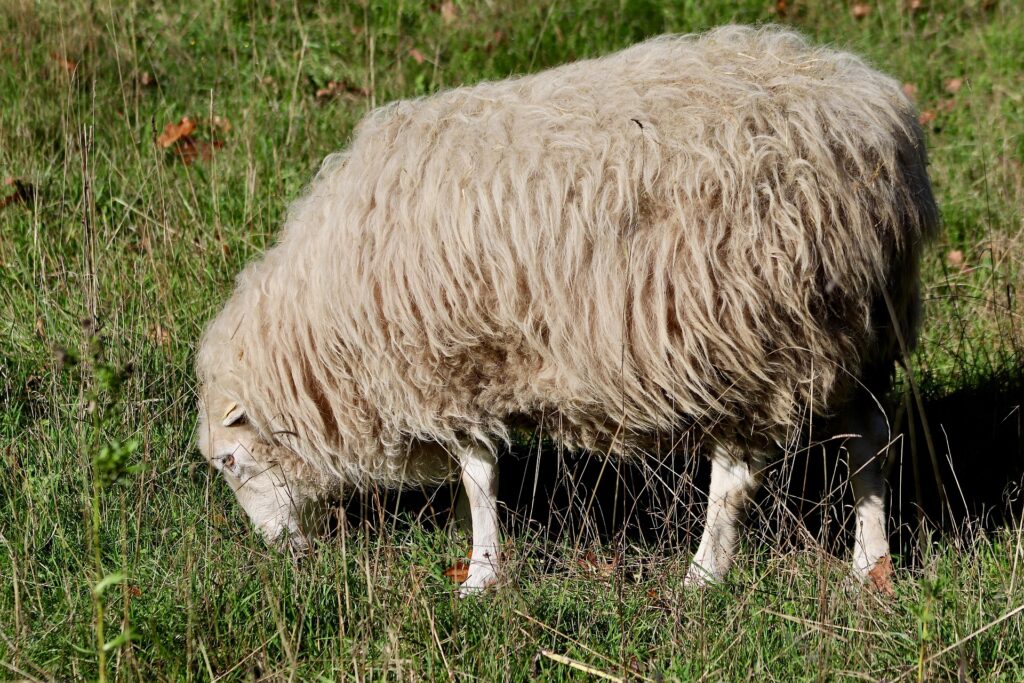
ヒツジを最も飼育している国は?
ヒツジ(羊)を最も多く飼育している国は、中国です。
ただし、「飼育頭数」と「羊毛・羊肉の生産量」では上位国が少し変わります。
🐑 ヒツジ飼育頭数が最も多い国(世界)
| 順位 | 国 | 飼育頭数(目安) |
|---|---|---|
| 1位 | 🇨🇳 中国 | 約1.5〜2億頭 |
| 2位 | 🇮🇳 インド | 約7,000万頭前後 |
| 3位 | 🇦🇺 オーストラリア | 約7,000万頭前後 |
| 4位 | 🇳🇿 ニュージーランド | 約2,500万〜3,000万頭 |
| 5位 | 🇹🇷 トルコ | 約4,000万頭規模 |
🐑 なぜ羊は世界中で飼われるのか?
ヒツジは家畜として非常に優秀です。
① 草だけで育つ
牛などが利用しにくい草も食べられます。
② 食料と衣料の両方になる
1頭から:
- 肉
- 乳
- 羊毛
- 皮
を得られます。
③ 乾燥地域に強い
砂漠周辺や山岳地帯でも飼育できます。
🐑 羊毛生産で見ると順位が変わる
羊毛では、
- 🇦🇺 オーストラリア
- 🇨🇳 中国
- 🇳🇿 ニュージーランド
- 🇦🇷 アルゼンチン
などが重要です。
特にオーストラリアは、メリノ羊による高品質羊毛で長く世界をリードしてきました。

他の動物を紹介

コメント