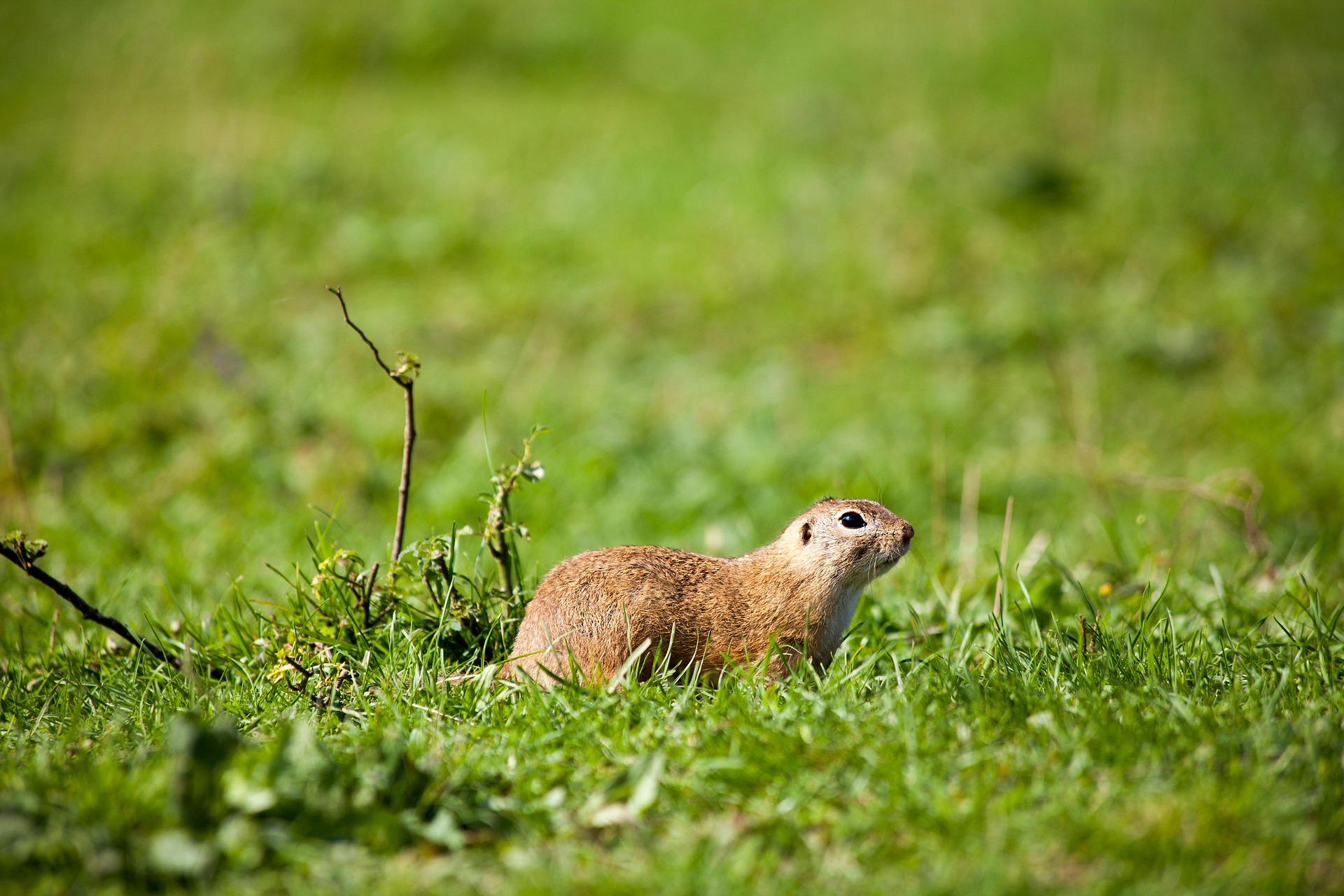
ヨーロッパハタリス(Spermophilus citellus)とは?写真や素材などが良くネットにありますが特徴、生態、生息地について解説していきます。ヨーロッパハタリスはその名の通り、ヨーロッパに生息しているリスになります。しかしながら絶滅危惧種に指定されています。ヨーロッパのほとんどではすでに絶滅が確認されています。


ヨーロッパハタリスとは? 基本ステータスについて
ヨーロッパハタリスは哺乳綱齧歯目リス科ジリス属に分類される齧歯類。学名はSpermophilus citellus。体長は17.6 – 23cmで体重は0.2 – 0.4kg。名前の通り、主にヨーロッパに生息する動物になります。基本の情報の一覧は以下の通り。キーワードで検索すればトップに画像や写真などイラストの掲載が無料のネットのサービスやページで良く見つかります。
| Japanese(和名) | ヨーロッパハタリス |
| English(英名) | European souslik/European ground squirrel |
| scientific name(学名) | Spermophilus citellus |
| classification(分類) | Mammalia、 Rodentia、 Sciuridae、Spermophilus 哺乳綱、齧歯目、リス科、ジリス属 |
| IUCN Status(保全状況) | ENDANGERED |
| Length(体長) | 17.6 – 23cm |
| Weight(体重) | 0.2 – 0.4kg |
ヨーロッパハタリスのルーツ、起源は?
ヨーロッパハタリス(European ground squirrel / 学名:Spermophilus citellus)のルーツは、ユーラシア大陸の草原に適応した古いリス類(地上性リス)の系統です。
1. 祖先:樹上性リスから地上生活へ
ヨーロッパハタリスの遠い祖先は、一般的な樹上性リスの仲間から分かれた地上性リス(ground squirrel)系統です。
進化の流れは大まかに:
原始的なリス類(約3000万年以上前)
↓
地上生活へ進化したマーモット族(Marmotini)
↓
ハタリス属(Spermophilus)系統
↓
ヨーロッパハタリス(Spermophilus citellus)
という流れになります。
ハタリス類は森林ではなく、草原・ステップ環境へ適応することで発展しました。
2. ハタリス属(Spermophilus)の起源
ハタリス属の祖先は、新第三紀(特に中新世〜鮮新世)にユーラシアで広がった地上性リス類と考えられています。
化石記録では、ヨーロッパのSpermophilus系統は後期中新世頃から存在し、鮮新世〜更新世にかけて多様化しました。
特に東ヨーロッパ(現在のウクライナやロシア西部)は、初期Spermophilusの進化を理解する重要地域です。
3. ヨーロッパハタリスが誕生した場所
現在のヨーロッパハタリス(Spermophilus citellus)は、
- バルカン半島
- ドナウ川流域
- 東ヨーロッパ
周辺で進化したと考えられています。
化石資料では、この種は更新世中期頃にヨーロッパ南東部で確認され、特にバルカン地域が進化の中心だった可能性があります。
4. 氷河期との関係
ヨーロッパハタリスの歴史には、氷河期が大きく影響しました。
更新世(約260万年前〜1万年前)には、
- 氷期 → 草原が拡大
- 間氷期 → 森林が拡大
を繰り返しました。
ハタリスは寒冷期のステップ(草原)環境に適応し、生き残った集団が現在の地域集団につながっています。遺伝研究では、南バルカン地域などが氷期の避難場所(レフュージア)として重要だったことが示されています。
5. なぜ地面で暮らすリスになったのか?
祖先のリス類は木の上で生活していましたが、ユーラシアの乾燥化により、
- 草原の増加
- 樹木の減少
- 地上植物資源の増加
が起こりました。
そこで、
進化した特徴
- 強い後脚 → 素早く走る
- 太い爪 → 巣穴を掘る
- 頬袋 → 食料運搬
- 冬眠能力 → 寒冷期を生存
を獲得しました。
6. 名前の由来
学名 Spermophilus はギリシャ語由来で、
- sperma(種子)
- phileo(好む)
という意味で、「種子を好むもの」という名前です。
学名と分類
- 学名:Rattus norvegicus
- 目:ネズミ目(Rodentia)
- 科:ネズミ科(Muridae)
- 属:ラット属(Rattus)
- 種:ヨーロッパハタリス(Rattus norvegicus)
生息地について
ヨーロッパハタリスはポーランドで再導入されました。以前はウクライナ、オーストリア、スペイン、ドイツ、トルコ、クロアチアなどヨーロッパ全土に広く分布していたのですが、、絶滅してしまいました。
1. 地理的分布
- 原産地:アジア北部(中国北部やモンゴル付近)
- 現在の分布:ほぼ世界中に外来種として広がっている
- ヨーロッパ全域
- 北米、南米
- アフリカ、オーストラリア
- 日本を含む東アジア
2. 生息環境の特徴
- 人間活動圏に適応:都市部、農地、港湾、下水道、倉庫などに多く生息
- 水辺の近くを好む:川沿い、湿地、運河などで繁殖・活動することが多い
- 隠れ場所の確保:建物の隙間、地下、茂み、石の下など、暗く狭い場所を好む
3. 環境適応性
- 都市化や農地開発などの環境変化に非常に強い
- 雑食性かつ高い繁殖能力のため、多様な環境で個体群を維持可能
特徴は?どんな感じの生物なのか?
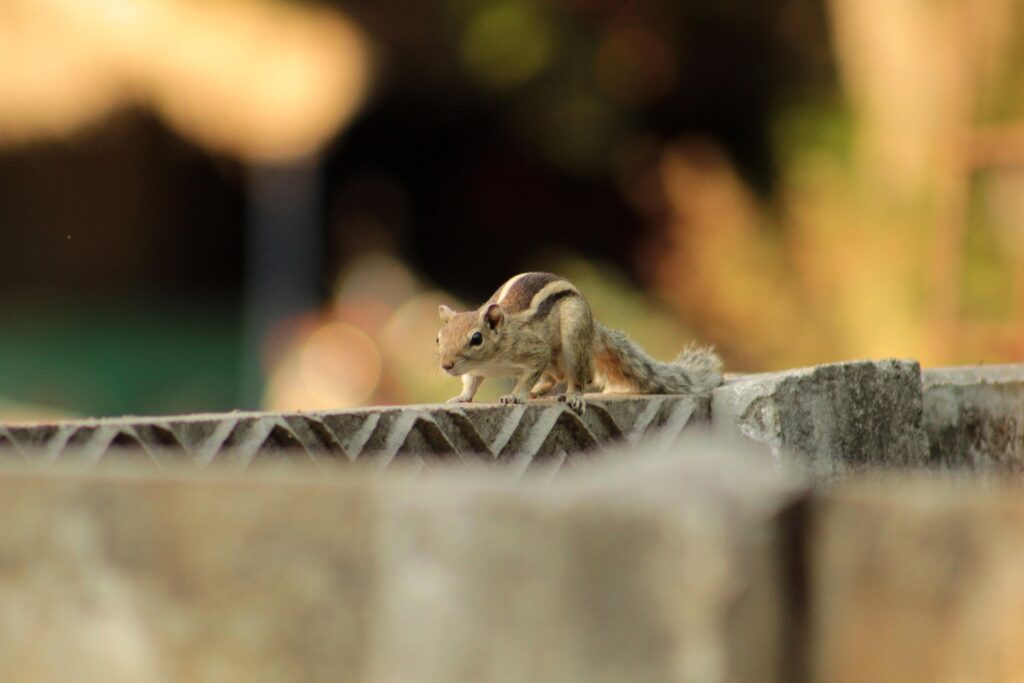
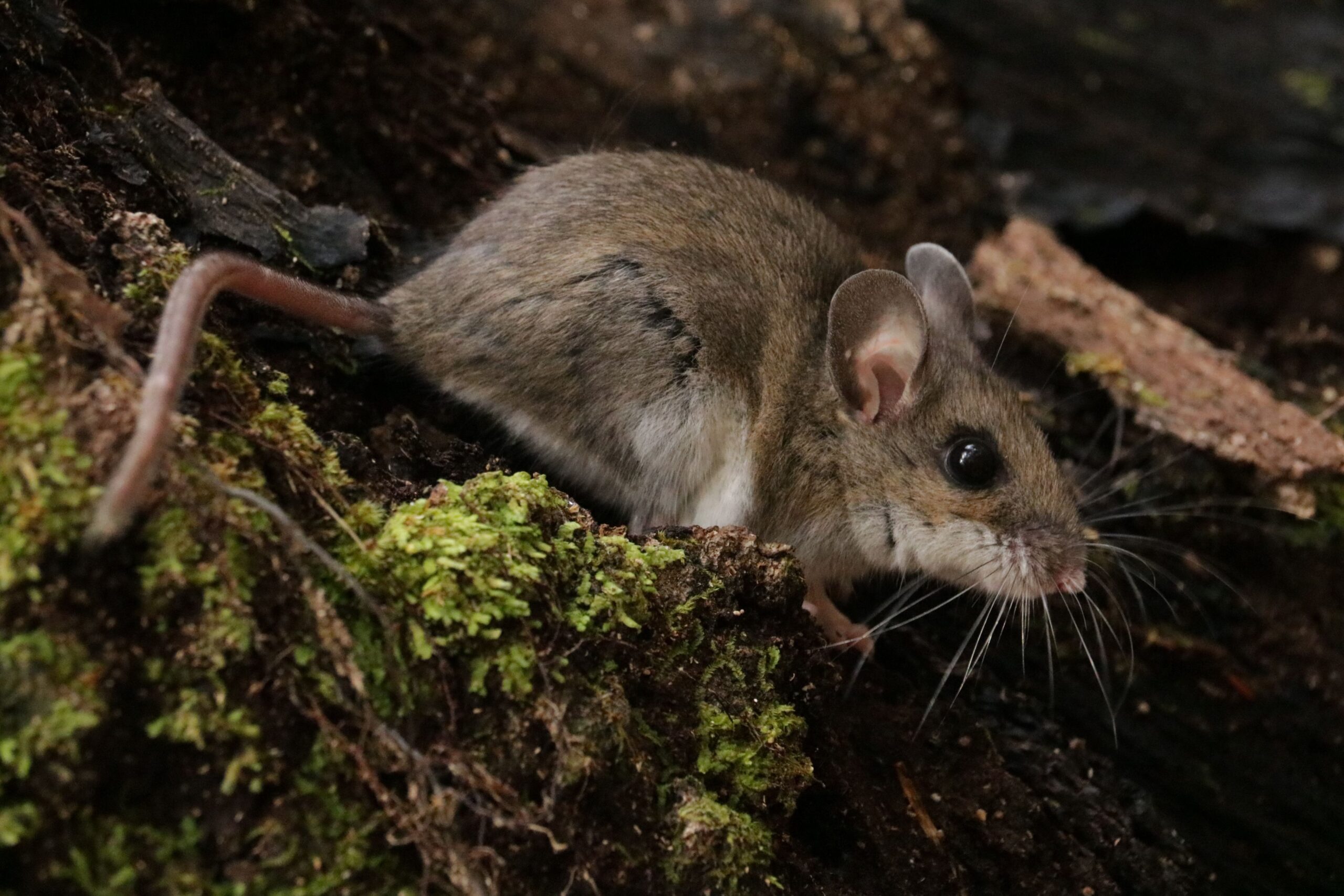
ヨーロッパハタリスは背面は灰褐色で、黄白色の斑点があります。標高900 – 2,500mにある自然の農耕地や草原などを好み生息します。地下1mくらいの巣穴を作って生息をして、主に昼行性で単独生活をする傾向がとても強いです。冬季になると巣穴で冬眠します。
1. 外見・体の特徴
- 体型:大型のネズミで、がっしりした体格
- 体長・体重:
- 体長:約20〜25cm(尾を除く)
- 尾長:約15〜20cm
- 体重:約200〜500g
- 毛色:背面は茶褐色〜灰色、腹面は淡色
- 頭部・顔:丸い頭、小さな耳、尖った鼻
- 尾:体よりやや短めで、毛は比較的まばら
2. 行動・性格
- 夜行性・薄明薄暮性:主に夜間に活動
- 雑食性:穀物、果実、昆虫、ゴミなど何でも食べる
- 社会性:群れを作ることもあるが、縄張り意識は個体差がある
- 適応力が非常に高い:都市部や農地、下水道など人間環境にも強く適応
3. 特殊な特徴
- 優れた繁殖能力:1年を通して繁殖可能で、短期間で個体数を増やす
- 泳ぎや登攀能力もある:水辺や建物内でも行動可能
- 学習能力が高い:餌の取り方や危険回避行動を覚えやすい
生態はどうなっているのか?
ヨーロッパハタリスは草本、根、液果などを食べて生活をしています。食物を頬袋に詰め込み、巣穴に運んで貯蔵をするようにしています。妊娠期間は1か月あり、1回につき2-9頭産むことが可能。ヨーロッパハタリスは寿命は8年から10年程度になります。
1. 食性(何を食べるか)
- 雑食性で、人間の食べ物や穀物、果物、昆虫、小型無脊椎動物など幅広く食べる
- 都市部ではゴミや倉庫の穀物を利用することが多い
- 捕食能力は高く、地上・水辺・建物内でも餌を探す
2. 繁殖・成長
- 繁殖力が非常に高い
- 繁殖期はほぼ1年中(特に温暖期に活発)
- 妊娠期間:約21〜23日
- 1回の出産で約6〜12匹の子を産む
- 子どもの成長
- 生まれた直後は無毛で目が閉じている
- 約2週間で目が開き、3〜4週間で母乳から離乳
- 約2か月で自立し、繁殖可能になる
3. 行動・生活習慣
- 夜行性・薄明薄暮性:昼間は巣穴や建物の隙間で休む
- 巣作り:地下トンネルや建物内に巣を作る
- 社会性:群れで生活することもあるが、餌や巣の争いで個体間に攻撃性が出ることもある
4. 移動・生息環境の利用
- 河川沿いや湿地、都市部、農地、倉庫、下水道など幅広い環境に適応
- 水泳や登攀能力も高く、建物の屋根や水路も移動範囲
天敵はいるのか?
ヨーロッパハタリスは、イタチ、キツネ、飼い猫などの天敵がいます。体格が大きい肉食動物がすべて天敵に当たり、捕食されてしまいます。
ヨーロッパハタリスの鳴き声
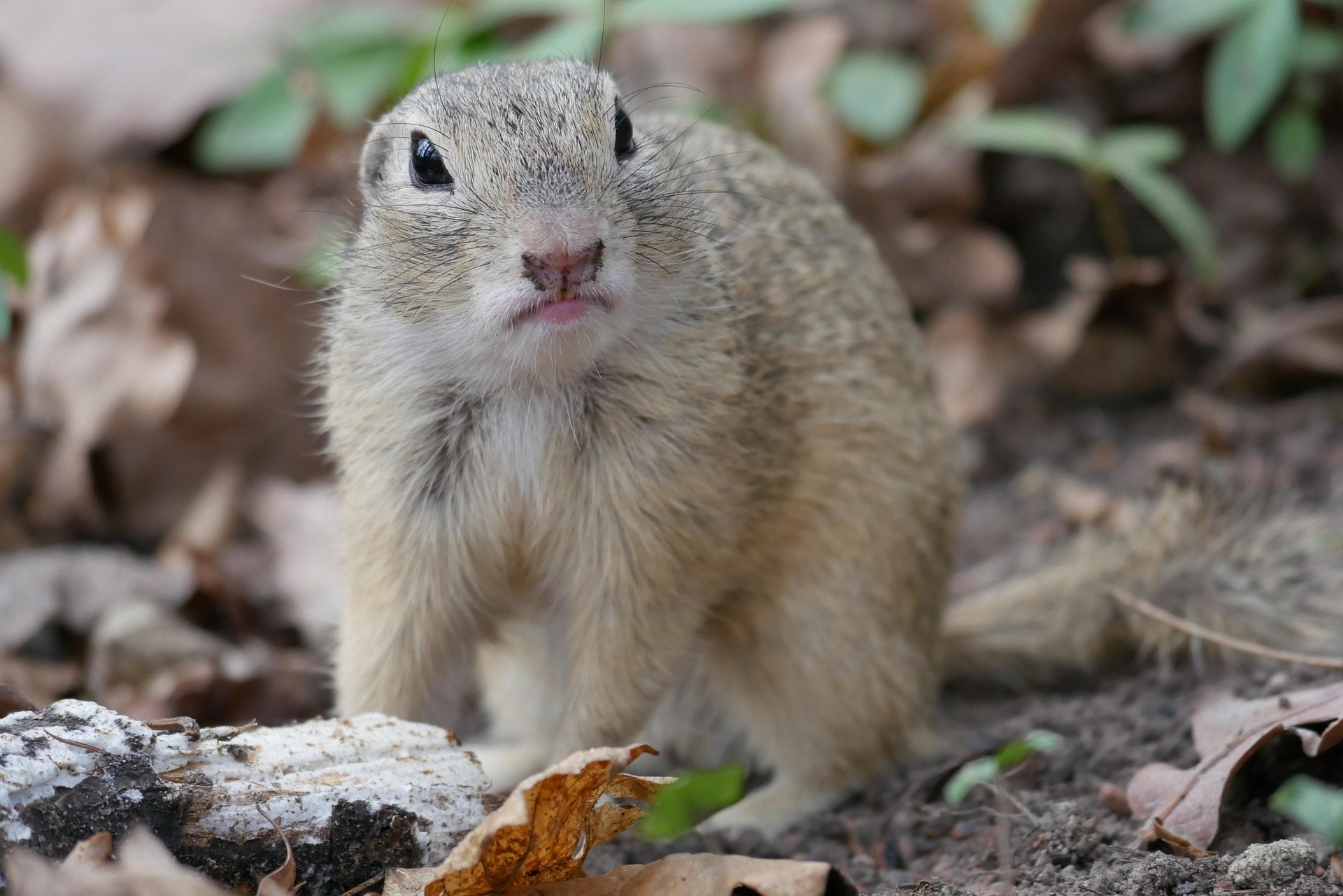
ヨーロッパハタリス(Spermophilus citellus)の鳴き声は、非常に特徴的な「高く鋭い警戒音」です。
地上性リスの仲間の中でも、仲間同士の情報伝達に発達した声を使うことで知られています。
1. 警戒音(アラームコール)
最も有名な鳴き声です。
「ピィーッ!」「キュイッ!」「チュイッ!」
のような高音の短い叫び声を発します。
用途:
- 天敵の発見を仲間へ知らせる
- 巣穴へ逃げ込む合図
- 群れ全体の警戒態勢を作る
天敵:
- キツネ
- 猛禽類(ノスリ、チョウゲンボウなど)
- ヘビ
- イタチ類
2. 捕食者への反応音
空から猛禽類が接近した場合は、
短く鋭い「ピッ!」という連続音
を出します。
地上の敵の場合は、
より長めの警戒声を出す傾向があります。
これは、
「空から危険」
「地上から危険」
を仲間が区別できるように進化したと考えられています。
3. 仲間同士のコミュニケーション
普段は比較的静かですが、
- 親子間の呼びかけ
- 縄張り確認
- 繁殖期の接触
では、
- 小さな鳴き声
- 低い唸り声
- 口を鳴らす音
などを使います。
4. 子どもの鳴き声
幼獣は、
「チチチ…」「ピピピ…」
という小さな声を出します。
母親への合図として、
- 空腹
- 危険
- 巣穴内での位置確認
に使われます。
季節別の活動
ヨーロッパハタリス(Spermophilus citellus)の活動は、季節によって大きく変化します。
最大の特徴は、冬眠によって1年の半分近くを地下で過ごすことです。草原の気候変化に合わせた生活リズムを持っています。
春(3月〜5月):「冬眠から目覚め、繁殖する季節」
活動
- 地中の巣穴から目覚める
- 地上活動を開始
- 餌探しを再開
- 繁殖行動が始まる
冬眠明け直後は体重が減っているため、まず大量に植物を食べて体力を回復します。
主な行動
- 日光浴
- 周囲の警戒
- 草や種子を採食
- オス同士の競争
繁殖
春の大きなイベントは交尾です。
- オス:冬眠から早く目覚め、メスを探す
- メス:短期間で繁殖準備を整える
妊娠期間は約3週間程度で、初夏に出産します。
夏(6月〜8月):「最も活発な活動期」
活動量:★★★★★(最大)
ヨーロッパハタリスにとって最も重要な季節です。
活動時間:
- 朝
- 午後
特に暑い昼間は巣穴で休むことがあります。
主な行動
- 草・種子・昆虫を食べる
- 子育て
- 巣穴周辺の警戒
- 冬眠用の脂肪を蓄える
幼獣は夏に巣穴から出てきて、独立生活を始めます。
秋(9月〜10月):「冬眠準備の季節」
活動
冬に備えて食べる量が増えます。
目的:
- 体脂肪を蓄える
- 巣穴を整備する
- 冬眠場所を準備する
変化
- 地上活動時間が減る
- 餌探し中心になる
- 警戒行動が増える
冬眠前には体重が大きく増加します。
冬(10月〜3月):「冬眠の季節」
活動量:★☆☆☆☆(ほぼ停止)
寒冷期は地下の巣穴で冬眠します。
冬眠中
- 体温低下
- 心拍数低下
- 代謝低下
- エネルギー消費を節約
巣穴内部では、
- 乾燥した植物
- 草の巣材
を使った寝床を作ります。
歩行速度
ヨーロッパハタリス(Spermophilus citellus)の歩行速度は、通常時はゆっくりですが、危険を感じた時の走行速度は非常に速いです。
歩行速度(通常移動)
- 約1〜2 km/h程度(推定)
- 巣穴周辺を移動するときは、地面を低い姿勢で素早く歩きます。
ヨーロッパハタリスは長距離を歩いて移動する動物ではなく、基本的には、
- 巣穴周辺
- 採食場所
- 仲間のいる範囲
を短距離移動する生活をしています。
走行速度(危険時)
危険を感じると、歩行ではなく高速のダッシュになります。
- 最高速度:約15〜20 km/h前後と推定
主な用途:
- 猛禽類から逃げる
- キツネなどの捕食者から逃げる
- 巣穴へ戻る
走り方の特徴
ヨーロッパハタリスは、
- 後ろ脚が発達している
- 体を低くして走る
- 短距離を一気に移動する
という特徴があります。
ヨーロッパハタリスの幼獣について
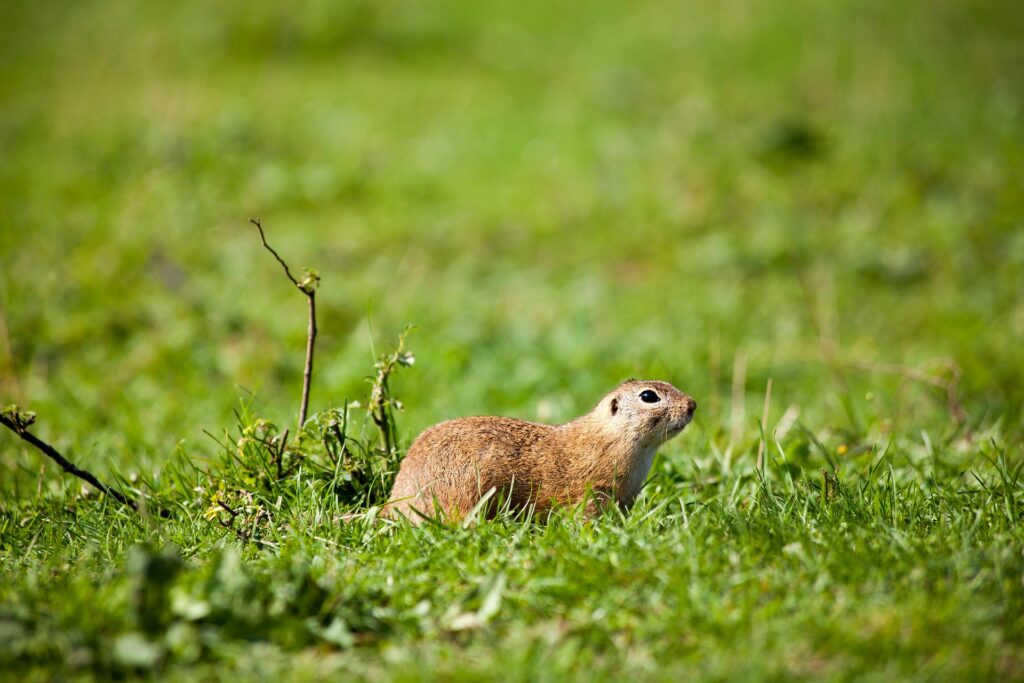
ヨーロッパハタリス(Rattus norvegicus)の幼獣について、外見・成長・行動・母子関係などを整理すると次の通りです。
1. 外見・体の特徴
- 体色:生まれた直後は無毛で、ピンク色の皮膚をしている。
- 体長・体重:
- 体長:約3〜5cm
- 体重:約5〜7g
- 感覚器官:目は閉じており、耳もまだ発達途中。生後10日程度で目が開き、耳も聞こえるようになる。
2. 成長と発達
- 授乳期間:母乳で約3週間授乳される
- 離乳:生後3〜4週間で固形食(穀物や昆虫)を少しずつ食べ始める
- 自立:生後4〜6週間で巣穴を離れ、餌の探し方や隠れ方を学び始める
- 性成熟:生後2〜3か月で繁殖可能になる
3. 行動・母子関係
- 幼獣は母親の巣穴で保護される
- 母親は授乳だけでなく、餌の探し方や危険回避の方法を幼獣に教える
- 幼獣同士で遊ぶことで、運動能力や社会性、狩りのスキルを習得する
4. 脅威と生存
- 幼獣は天敵(フクロウ、タカ、猫など)に弱く、巣穴や母親の保護が不十分だと生存率が低い
- 都市環境では、毒餌や人間の活動もリスクとなる
ヨーロッパハタリスは絶滅危惧種なのか?
ヨーロッパハタリスは残念ながら絶滅危惧種に指定されています。この10年間で3割以上の個体が絶滅しており、危機的な状況にあります。牧草地の耕作地や林業への転用などによりリスの生息地がとても縮小されており、分断もおこってしまっています。
1. IUCNレッドリストでの評価
- 現時点での評価:IUCN(国際自然保護連合)のレッドリストでは、絶滅危惧種ではない
- 原産はアジア北部だが、世界中に外来種として広がっており、個体数は非常に多い
2. 日本国内での扱い
- 日本では在来種ではなく、外来種として定着している
- 特に絶滅危惧種としての指定はなく、駆除対象となることが多い
3. 個体数・分布の特徴
- 都市部、農地、倉庫、下水道など人間環境に強く適応しており、個体数は安定または増加傾向
- 繁殖力が高く、短期間で個体群を形成できる
ヨーロッパハタリスは飼育できるのか?
ヨーロッパハタリスは絶滅危惧種に指定されており、一般人が飼育することは極めて厳しいです。動物園などで鑑賞することが現実的です。
1. 飼育可能性
- 実際に、ラットとして**ペット用に改良された「ドワーフラット」や「実験用ラット」**が存在する
- 野生個体でも飼育は可能だが、性格や行動に野生性が残っているため非常に警戒心が強く攻撃的になる場合がある
2. 飼育の条件
- 十分なスペース:活発で跳躍力があり、登攀能力も高いためケージは広く、高さも必要
- 環境の整備:巣作り用の素材(紙やわらなど)、隠れ場所、水場、運動用の遊具などを用意
- 食餌管理:雑食性で、ペット用のラットフードのほか、野菜・果物・昆虫などの補助食が必要
- 社会性:同居させる場合は群れの相性に注意し、攻撃性が強い場合は単独飼育が望ましい
3. 法律・規制
- 日本では外来種だが、個人飼育は禁止されていない
- ペットショップで購入できる改良ラットであれば問題なく飼育可能
- 野生個体を捕獲して飼育する場合は、地方自治体の条例で制限される場合がある
飼育されている動物園(日本・世界)
ヨーロッパハタリス(Spermophilus citellus)は、世界的にも飼育例が少ない希少な地上性リスです。
野生個体数の減少により、ヨーロッパの動物園では保護・繁殖・再導入研究の目的で飼育されています。
🇯🇵 日本の動物園
確認できる常設展示施設はありません。
🇪🇺 ヨーロッパの飼育動物園
🇩🇪 ドイツ
Tierpark Berlin
- ヨーロッパハタリスの飼育例あり
- 広い放飼場で地上生活を観察できる施設の一つ
Zoo Wuppertal
- 飼育記録あり
- ヨーロッパの希少げっ歯類保護に関わる施設
Opel-Zoo
- ヨーロッパハタリス飼育例あり
🇵🇱 ポーランド
New Zoo Poznań
- ヨーロッパハタリス研究で重要な施設
- 飼育下での行動研究が行われたことで知られる
- 再導入計画に関連した研究対象になった
🇫🇷 フランス
Bioparc de Doué-la-Fontaine
- ヨーロッパハタリス(Souslik d’Europe)を飼育
- ブルガリアでの再導入活動支援にも関与
Ménagerie du Jardin des Plantes
- 飼育記録あり

他の動物を紹介




コメント