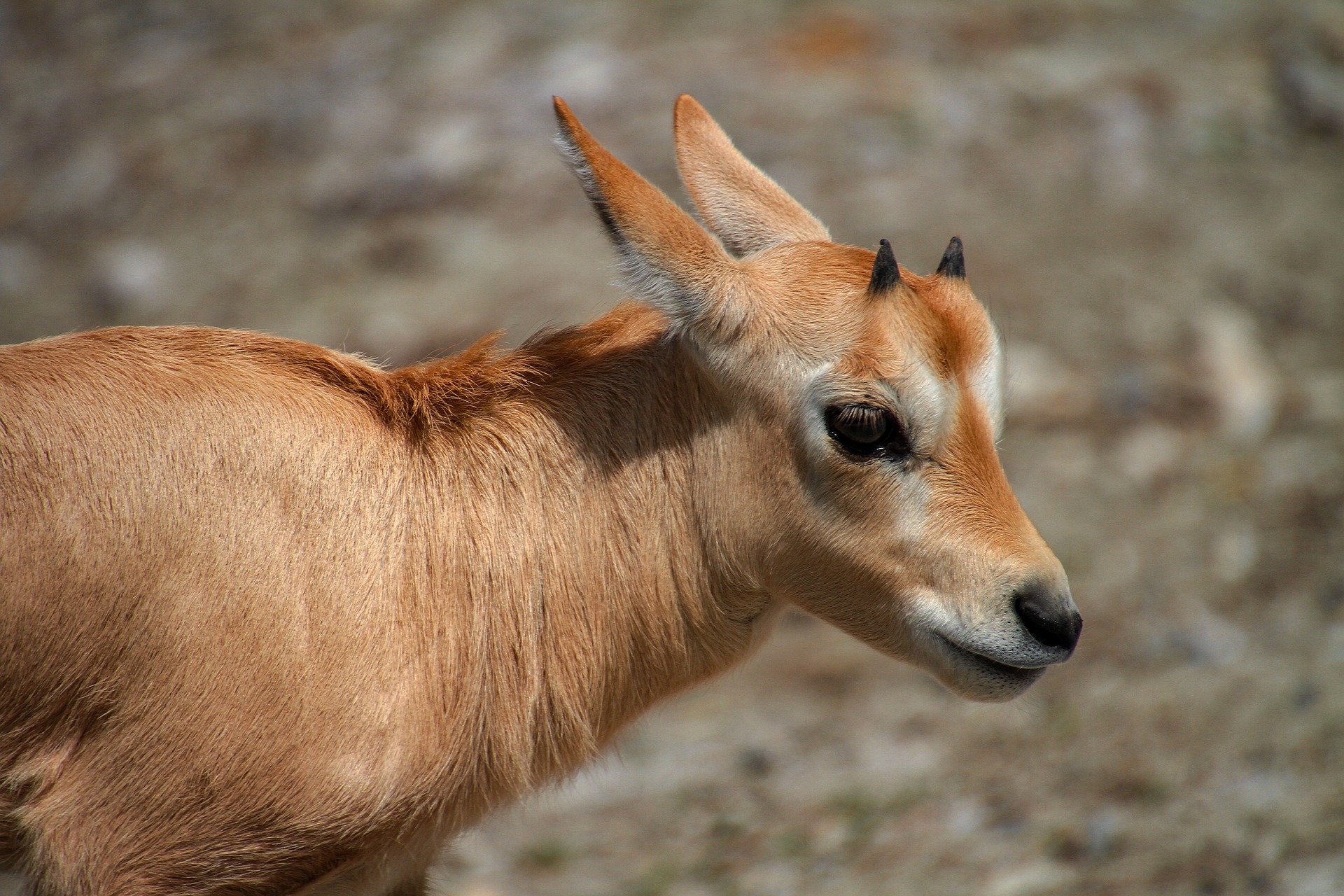
アラビアオリックスはどんな動物?特徴、生態、生息地について解説します。アラビアオリックスと言う名前から連想が付くと思いますが、中東からアラビア半島などの砂漠地帯や乾燥した平原などで見ることができる動物です。彼らは絶滅危惧種にも指定されている動物です。


アラビアオリックスとは? 基本ステータスについて
アラビアオリックスは哺乳綱偶蹄目ウシ科オリックス属に分類される偶蹄類。学名はOryx leucoryx、英語名はArabian oryx。体長は160~180cm、体重は65~90kg、体高は80~100cm。情報の一覧は以下の通り。
| Japanese(和名) | アラビアオリックス |
| English(英名) | Arabian oryx |
| scientific name(学名) | Oryx leucoryx |
| classification(分類) | Mammalia、Artiodactyl、 Bovidae、Oryx 哺乳綱、偶蹄目、ウシ科、オリックス属 |
| IUCN Status(保全状況) | VULNERABLE |
| Length(体長) | 160~180cm |
| Weight(体重) | 65~90kg |
分類学的位置づけ
アラビアオリックスは、ウシ科に属する大型の草食哺乳類で、砂漠環境に高度に適応したレイヨウ類です。
- ドメイン:真核生物(Eukaryota)
- 界:動物界(Animalia)
- 門:脊索動物門(Chordata)
- 亜門:脊椎動物亜門(Vertebrata)
- 綱:哺乳綱(Mammalia)
- 目:偶蹄目(Artiodactyla)
- 亜目:反芻亜目(Ruminantia)
- 科:ウシ科(Bovidae)
- 亜科:レイヨウ亜科(Antilopinae)
- 属:オリックス属(Oryx)
- 種:アラビアオリックス(Oryx leucoryx)
アラビアオリックスのルーツ、起源は?
アラビアオリックス(Oryx leucoryx)は、アフリカではなく西アジア・アラビア半島を起源とするオリックスです。現在のオリックス属の中で唯一、アフリカ大陸の外に自然分布していた種です。
🌍 もともとの故郷
かつての分布域は現在よりはるかに広く、
アラビア半島
→ サウジアラビア
→ オマーン
→ UAE
→ イエメン
→ クウェート
だけでなく、
→ イラク
→ シリア
→ ヨルダン
→ イスラエル
→ シナイ半島
まで広がっていたとされています。
つまり、名前は「アラビア」ですが、歴史的には中東のかなり広い範囲に分布していた大型レイヨウです。
🧬 オリックスの中ではどんな存在?
分類上は、
哺乳類
└ 鯨偶蹄目
└ ウシ科
└ Hippotraginae
└ オリックス属(Oryx)
├ アラビアオリックス
├ ゲムズボック
├ ベイサオリックス
└ スクミターツノオリックス
という位置になります。NCBIでもアラビアオリックスはウシ科・Hippotraginae・Oryx に分類されています。
そしてアラビアオリックスは4種のオリックスの中で最も小型です。
🏜️ なぜ「白い」のか?
これは砂漠環境への適応と考えると非常に分かりやすいです。
アラビア半島の強烈な日射と乾燥した環境で生活するため、
白い体毛 → 太陽光を反射しやすい
という特徴があります。
さらに、幅広い蹄を持っており、柔らかい砂の上を歩くことにも適応しています。
そして非常に興味深いのが、
ほとんど水を飲まずに生存できる
という能力です。
雨が降った後に植物が急速に成長する場所を利用し、植物から水分を得ることで、極端に乾燥した環境にも対応しています。
⚠️ 実は一度「野生絶滅」している
アラビアオリックスの歴史で最も重要なのがここです。
20世紀になると銃器や自動車を使った狩猟などによって個体数が激減。
そして、
1972年頃
↓
野生個体が消滅
となりました。
つまり一度、
「野生絶滅(Extinct in the Wild)」
まで行っています。
🧬 ところが動物園が種を救った
1962年、最後の野生個体の一部を捕獲して繁殖させる**「World Herd(世界群)」**が作られました。
この群れを基礎として世界各地で繁殖が進められ、その後、
1982年:オマーンで再導入
を皮切りに、サウジアラビアなどにも再導入されました。
これは非常に有名な動物園を起点とした絶滅回避・野生復帰の成功例です。
IUCNも、野生絶滅から復帰して「危急(Vulnerable)」まで改善した代表的な保全成功例として紹介しています。
生息地について
アラビアオリックスは中東からアラビア半島にかけて分布しています。
① 地理的分布(どこにいる?)
本来の自然分布
- アラビア半島
- サウジアラビア
- オマーン
- アラブ首長国連邦
- ヨルダン
- イラク南部(過去)
典型的な中東の砂漠地帯の動物です。
② 現在の分布(重要)
アラビアオリックスは
1972年に野生絶滅しましたが、その後――
- 動物園・保護施設での繁殖
- 計画的な野生復帰(再導入)
により、現在は以下で野生個体群が復活しています。
- オマーン(アラビアオリックス保護区)
- サウジアラビア
- UAE
- ヨルダン
※ いずれも保護区内・管理下が中心です。
③ 生息環境(どんな場所?)
典型的な生息地
- 砂漠
- 半砂漠
- 礫砂漠(石が多い平原)
- 低木が点在する乾燥草原
共通点は:
- 雨が極端に少ない
- 日中は高温(40℃以上)
- 植物がまばら
④ 砂漠への適応(生息地と直結)
アラビアオリックスは、
極端な乾燥環境に適応した生物です。
水がほとんどない環境でも…
- 長期間、水を飲まずに生存可能
- 植物中の水分で水分補給
- 夜間・早朝に活動して体温上昇を回避
生息地=「水のない世界」でも成り立つ。
特徴は?どんな感じの生物なのか?
アラビアオリックスは全身が白色や灰色を帯びた白色で四肢の先は濃い茶色。角は雌雄共にもっていて、70㎝~100㎝にもあります。この角があることから、アラビアオリックスはユニコーンのモデルだとも言われています。耳介の幅は狭い。アラビアオリックスは砂漠地帯などを好み、その過酷な条件下で生活するため、無駄なエネルギーを使うことはなく穏やかです。日中は、樹木の下に浅いくぼみを掘って休んでいます。
① 見た目の特徴(とても象徴的)
- 体長:150〜170cm
- 体重:70〜90kg
- 体色:
- ほぼ純白
- 砂漠の強い日差しを反射する
- 顔の模様:
- 目・鼻まわりに黒いマーキング
- 角:
- 雌雄ともに持つ
- 細く長く、ほぼ直線(70cm前後)
- 槍のような形
「白い体に黒い仮面、まっすぐな角」が最大の特徴。
② 砂漠向きすぎる体のつくり
- 暑さに非常に強い
- 体温をある程度上昇させて水分蒸発を抑制
- 鼻腔が発達し、水分を回収
- 太陽光を反射する毛色
➡ 見た目からして「砂漠仕様」。
③ 性格・気質
- おとなしく落ち着いている
- 神経質ではない
- 群れでは協調的
- ただし危険時は非常に警戒心が高い
「静か・忍耐強い・無駄に動かない」。
④ 社会性(群れの動物)
- 小規模な群れ(5〜15頭)
- 雌中心の群れが多い
- 若いオスは単独行動することも
➡ 完全な単独ではなく、ほどよい社会性。
⑤ 行動の特徴
- 夜明け・夕方・夜に活動
- 日中は日陰で休息
- 雨の後は活発に移動
- 嗅覚が非常に優秀(雨を感知)

性格はどんな感じ?
アラビアオリックスはとても過酷な環境で生きているためとても温和です。あまり大きな群れをつくることはなく、10頭前後で生活をすることから、とても協調性が高いです。
① 基本的な性格
とても落ち着いている
- 無駄に走り回らない
- 刺激に対して過剰反応しない
- エネルギー消費を最小限にする
「静かに耐える」タイプ。
② 温和だが臆病ではない
- 攻撃性は低い
- すぐにパニックにならない
- しかし危険察知能力は高い
➡ 落ち着いて距離を取る賢さ。
③ 警戒心は強い
- 視覚・嗅覚が優秀
- 不審な動きを早めに察知
- 危険が近づくと群れで連携
砂漠では「早く気づく」ことが命。
④ 群れの中での性格
- 基本は協調的
- 明確な序列はあるが穏やか
- 争いは最小限
➡ 群れ内の緊張が少ない。
⑤ オスの性格(少し違いあり)
- 繁殖期はやや気が荒くなる
- 角を使った威嚇・小競り合い
- 本気の戦いはまれ
👉 「見せる争い」が中心。
生態はどんな感じ?
アラビアオリックスは草類や木の芽、地下茎や根、果実などを食べることができます。繁殖様式は胎生。春季から夏季になると1頭のオスと十数頭のメスからなるハーレムを形成。オス同士はメスを巡って角を突きあわせて争うことになります。妊娠期間は240日で1回につき1頭産むことができます。授乳期間は4か月で寿命は20年くらいです。
① 社会構造(群れでの生活)
- 小〜中規模の群れ(5〜15頭)
- 雌とその子どもが中心
- 成熟したオスは単独、または小グループ
- 群れ内の争いは少ない
👉 安定重視の穏やかな社会。
② 行動リズム(1日の生活)
- 薄明薄暮性〜夜行性
- 早朝・夕方・夜に活動
- 日中は休息
- 岩陰・低木の影でじっと過ごす
- 体温をあえて上昇させ、発汗を抑制
➡ 暑さ対策が最優先。
③ 行動圏と移動
- 行動圏:数十〜数百km²
- 定住しない
- 雨の匂いを嗅ぎ分けて移動
- 雨後に一気に草を食べる
👉 砂漠を渡り歩く「放浪型」。
④ 食性(何を食べる?)
完全草食性
- 乾燥地の草
- 低木
- 多肉植物
- 根・球根(掘り起こすことも)
🌱 植物の水分が主な水源
→ 長期間、水を飲まずに生存可能。
⑤ 水との関係(超重要)
- 数週間〜数か月、水なしでも生活
- 体内の水分ロスを極限まで抑制
- 尿は非常に濃縮される
➡ 生態の中心テーマは「水の節約」。
⑥ 繁殖
- 繁殖期:地域差あり(雨期後が多い)
- 妊娠期間:約8.5〜9か月
- 出産数:通常1頭
- 子は数週間、草むらに隠される
👉 少産だが、生存率を高める戦略。
天敵はいるのか?
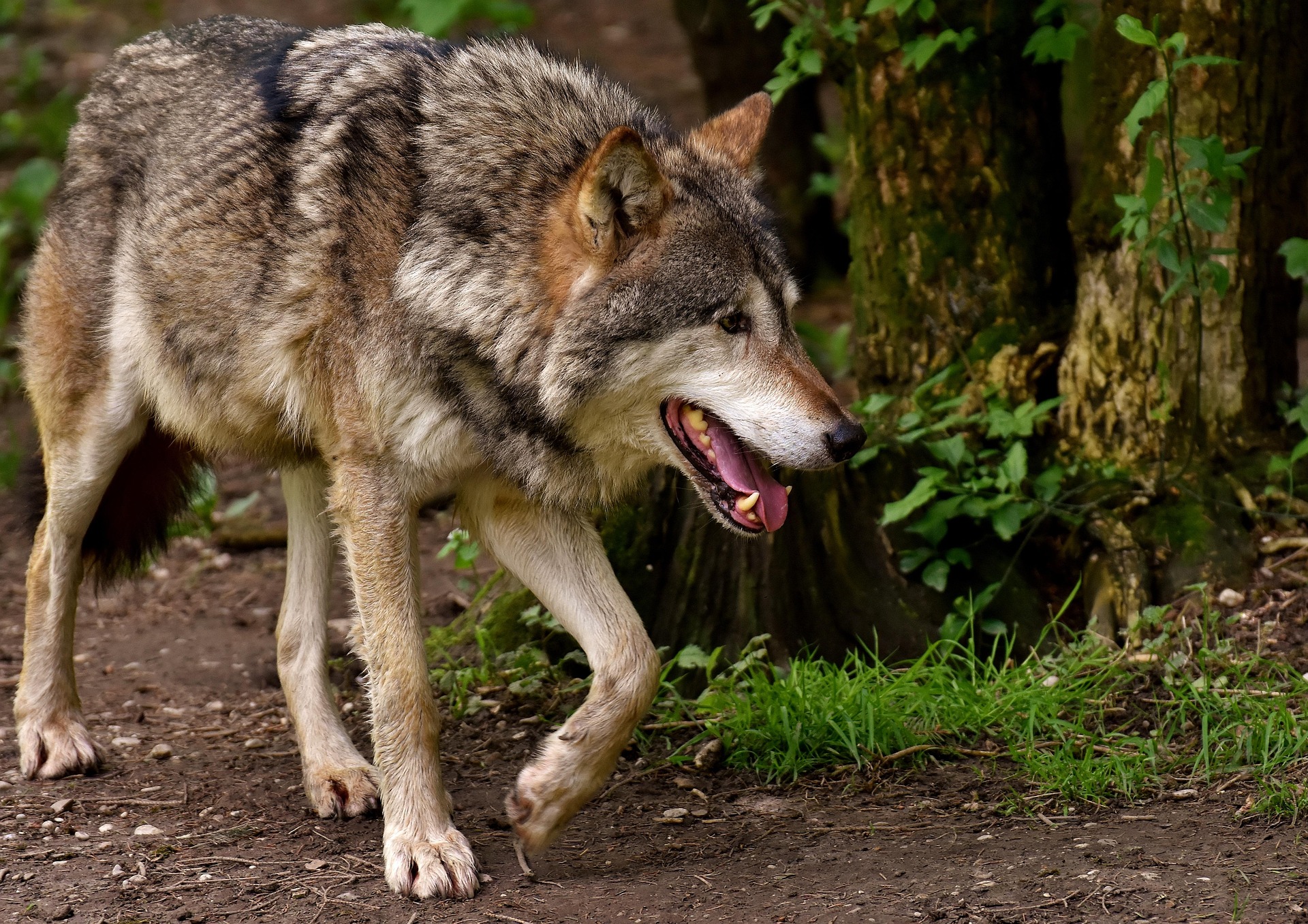
アラビアオリックスはヒョウやオオカミが天敵に当たります。

アラビアオリックスの幼獣について
アラビアオリックスの幼獣(子ども)は、
「砂漠という過酷な環境で生き残るため、静かに・慎重に育てられる」のが大きな特徴です。
見た目から成長過程まで、順に説明します。
① 生まれた直後の幼獣
- 出生時期:地域差あり(多くは雨期後)
- 出産数:通常 1頭のみ
- 出生体重:約10〜15kg
- 毛色:
- 砂色〜淡い茶色
- 成獣ほど白くない
- 角:
- 生まれたときはない
- 数か月後に小さく伸び始める
👉 見た目は「薄茶色の子ウシ」に近い印象です。
② 生後すぐの行動(隠れる戦略)
- 生後まもなく立ち上がれる
- しかし、すぐに群れについて行かない
- 草むらや低木の陰に隠される
➡ これは
捕食者に見つからないための重要な生存戦略。
③ 母親との関係
- 育児は母親が単独で担当
- 授乳は短時間・回数少なめ
- 母親は離れた場所から頻繁に見守る
👉 匂い・動きを最小限に抑えるため。
④ 成長と食事の変化
- 生後2〜3週:草をかじり始める
- 生後3〜4か月:主食が植物に移行
- 離乳:生後4〜6か月頃
➡ 非常に早い自立。
⑤ 群れへの合流
- 生後数週間〜1か月で群れに合流
- 同年代の幼獣と行動
- 走り方・警戒行動を学ぶ
⑥ 幼獣の性格
- とてもおとなしい
- 無駄に鳴かない
- 動きを最小限にする
- 母親の行動をよく観察
👉 「静かに学ぶタイプ」。
アラビアオリックスは絶滅危惧種なのか?
アラビアオリックスは絶滅危惧種に指定されています。この原因はすべて人間にあり、角や毛皮を目的とした乱獲だけでなく生息地の破壊が最も大きな問題で生息できる個体数がどんどん激減しています。現在の生息数は推定で1000頭しかいないと言われており、アラブ諸国では保護政策も進んでいます。
✅ 国際的評価(IUCN)
- ステータス:VU(Vulnerable=危急種)
→ 「絶滅の危険が高い状態だが、もう一段階深刻な絶滅危惧種(Endangered)よりは軽い分類」です。
🐾 過去の推移
- 1970年代:野生では完全に絶滅していました。
- 1980年代〜:飼育個体からの再導入が進み、個体数が回復。
- 1986年:**絶滅危惧種(Endangered)**に再分類。
- 2011年:初めて「絶滅野生状態」から「危急種(Vulnerable)」へと改善された種に。
🐂 現在の個体数と分布
- 野生再導入された個体:約1,000〜1,200頭(成熟個体はさらに少なく評価される場合あり)
- 飼育下の個体:世界で数千頭(6,000〜7,000頭程度)あり、ここから野生復帰を支えています。
再導入地域にはサウジアラビア、オマーン、UAE、ヨルダン、イスラエルなどがあります。
アラビアオリックスは飼育できる?
アラビアオリックスは絶滅危惧種に指定されていますしワシントン条約にも掲載されており、国際取引も制限されているため、一般人が飼育することは極めて困難です。動物園などで見ましょう。
① 法律的に飼育できるの?
❌ 一般人のペット飼育は不可
- アラビアオリックスは
IUCNレッドリスト:Vulnerable(危急種) - ワシントン条約(CITES)附属書Ⅰに掲載
→ 国際取引は原則禁止 - 日本を含む多くの国で
- 個人輸入
- ペット目的の飼育
は ほぼ不可能
⭕ 飼育が認められるのは?
以下のような公的・準公的施設のみです。
- 動物園
- サファリパーク
- 国・自治体の保護施設
- 種保存を目的とした繁殖センター
👉 「展示」よりも 保全・遺伝管理目的 が前提です。
② 生態的に「家庭飼育が無理」な理由
仮に法律をクリアしても、
アラビアオリックスは家庭では飼えません。
広すぎる空間が必要
- 行動圏:数十〜数百km²
- 小さな囲いでは強いストレス
- 運動不足=健康悪化
特殊な環境要求
- 乾燥・高温環境が前提
- 湿度が高い日本では体調管理が難しい
- 地面・植生も重要
草食でも危険
- 温厚そうでも
- 70cm近い鋭い角
- 本気で突かれると人間は致命傷
家畜レベルの安全性はありません。
③ 性格的にも「ペット向きではない」
- 人になつく動物ではない
- 抱いたり触れたりする対象ではない
- 警戒心が強く、追い詰められると危険
➡ 「観察する動物」であって
「触れ合う動物」ではありません。
④ 動物園・サファリでの飼育は?
⭕ 可能(実際に行われている)
- 日本・海外の動物園で飼育実績あり
- 広大な放飼場
- 血統管理された繁殖
- 群れ単位で管理
特にアラビアオリックスは
「絶滅→復活」した種のため、
- 誰がどの血統か
- どことどこを繁殖させるか
といった管理が非常に厳密です。
飼育されている動物園(日本・世界)
アラビアオリックス(Oryx leucoryx)に限定して、2026年時点で確認できる飼育施設を整理します。シロオリックスなど別種の「オリックス」は除外します。
🇯🇵 日本
現在、公式情報から確認できるのは2園です。
| 動物園 | 状況 |
|---|---|
| 福岡市動物園 | ✅ 現在飼育。公式ページでは3頭を掲載 |
| 横浜市立金沢動物園 | ✅ 飼育実績あり・福岡との間で個体移動を実施 |
福岡市動物園の公式ページでは、現在アシール♂、ミナ♀、ヘルム♂の3頭が掲載されています。ヘルムは2025年6月に金沢動物園から来園した個体です。
また、福岡市と金沢動物園の公式資料では、アラビアオリックスについて**「日本国内での飼育園:2園」**とされています。
したがって、日本で確実に狙うなら、
福岡市動物園 + 横浜市立金沢動物園
の2施設がポイントです。
🌍 世界
世界では日本よりかなり多く飼育されています。
ZooTrackの2026年8月更新データでは、12か国・24動物園で登録されています。
代表的な飼育施設を地域別に挙げると、
🇺🇸 アメリカ
- San Diego Zoo Safari Park
- Bronx Zoo
- Phoenix Zoo
- The Living Desert Zoo & Gardens
- Wildlife World Zoo, Aquarium & Safari Park
- Zoo Miami
🇬🇧 イギリス
- Marwell Zoo
- Woburn Safari Park
- Africa Alive!
🇫🇷 フランス
- Zoo de La Flèche
- Zoo de Montpellier
- Ménagerie du Jardin des Plantes(パリ)
- Safari de Thoiry
🇩🇪 ドイツ
- Tierpark Berlin
- Serengeti-Park
🇧🇪 ベルギー
- ZOO Antwerpen
- ZOO Planckendael
🇮🇱 イスラエル
- Biblical Zoo(エルサレム)
- Ramat Gan Safari
- Hai Bar Yotvata
- Arava Antelope Farm
- Midbarium
🇨🇭 スイス
- Zoo Zürich
🇬🇷 ギリシャ
- Attica Zoological Park
🇦🇹 オーストリア
- Zoo Schmiding
🇸🇰 スロバキア
- Zoo Bratislava
🇨🇿 チェコ
- Zoo Dvůr Králové
🇲🇦 モロッコ
- Rabat Zoo
🇦🇪 UAE
- Dubai Safari Park
- Al Ain Zoo
- Arabia’s Wildlife Centre
- Al Bustan Zoological Center
これらは世界の飼育記録データベースで確認できます。
他の記事もおすすめ

コメント