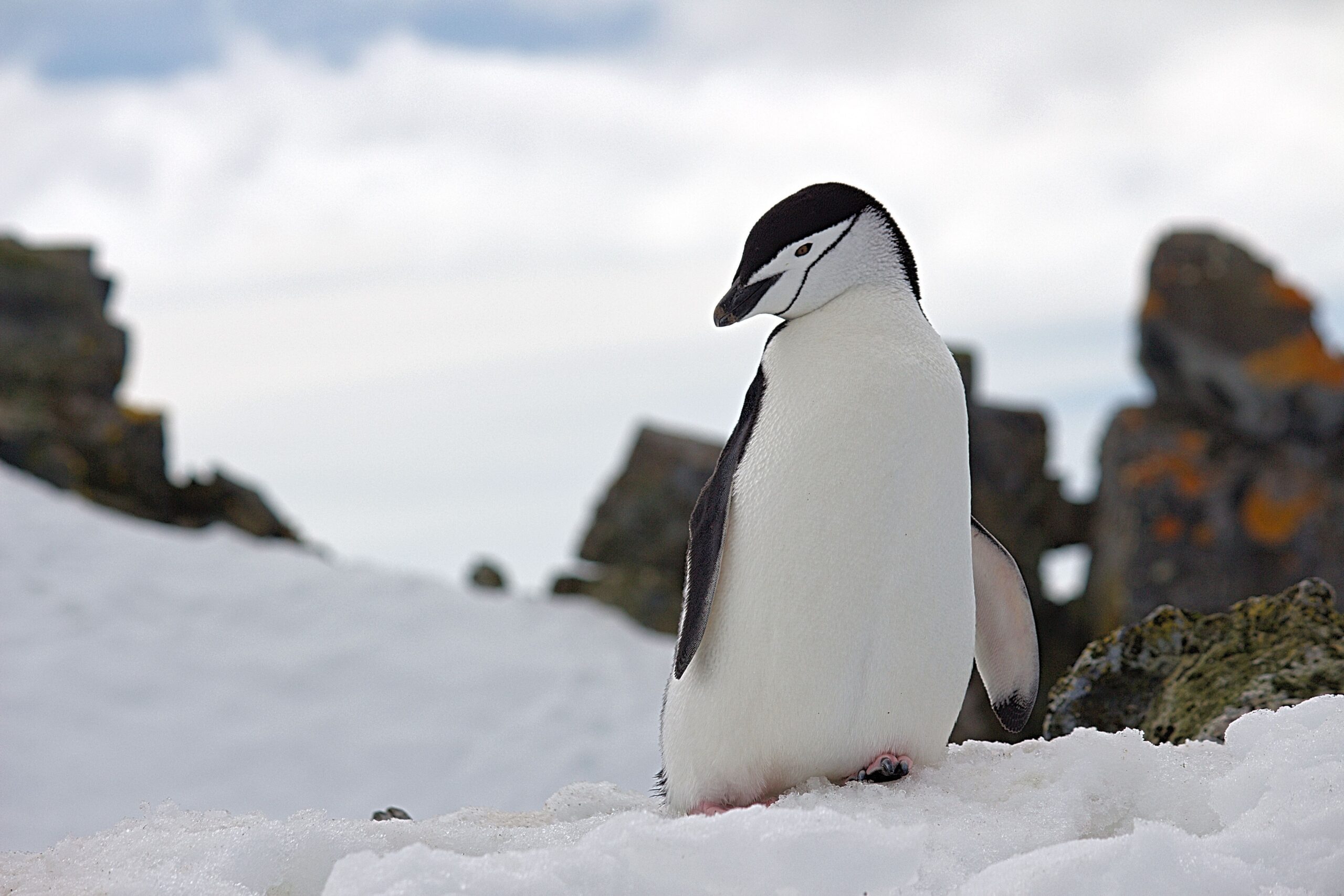
ヒゲペンギンの特徴、生態、生息地について解説していきます。ヒゲペンギンはアゴあたりにある「ヒゲ」のようなラインが特徴的なペンギンで、南極大陸の近辺で多数が生息しています。ペンギン類のうちでは中型で、個体数が最も多いペンギンです。


ヒゲペンギンの基本情報について
ヒゲペンギンはアデリーペンギン属に属する鳥類。学名はPygoscelis antarctica。体長は60-70cmで体重は5kgくらいあって南極大陸の付近で生息をしています。情報はネットでもそれなりに見つかります。羽毛が白いペンギンでつがいを作って生活します。
| Japanese(和名) | ヒゲペンギン |
| English(英名) | Chinstrap penguin |
| scientific name(学名) | Pygoscelis antarctica |
| classification(分類) | Sphenisciformes, Spheniscidae, Pygoscelis ペンギン目ペンギン科アデリーペンギン属 |
| IUCN Status(保全状況) | LEAST CONCERN |
| Height(身長) | 60-70cm |
| Weight(体重) | 2-5kg |
ヒゲペンギンのルーツ、起源は?
ヒゲペンギン(ヒゲペンギン)のルーツ・起源は、ジェンツーペンギンとかなり近い「アデリーペンギン系統」から分かれた進化の流れの中にあります。
■ 大元の起源(ペンギン全体)
ヒゲペンギンのさらに祖先は他のペンギンと同じで、
- 約6000万〜7000万年前
- ゴンドワナ大陸周辺の海鳥祖先
ここで「飛べない海鳥」へ進化し、ペンギンの基本形が成立しました。
■ ヒゲペンギンの属レベルの起源
ヒゲペンギンは次のグループに属します:
- ペンギン目
- ペンギン科
- アデリーペンギン属(アデリーペンギン属=Pygoscelis属)
この属は「氷の多い南極環境に適応した中型ペンギン」のグループです。
■ ジェンツー・アデリーとの分岐
遺伝子解析からは次の流れが推定されています:
- 約1900万年前:アデリーペンギン系統が分岐
- 約1400万年前:
ヒゲペンギンとジェンツーペンギンが分岐
つまりヒゲペンギンは:
ジェンツーペンギンと“かなり近い親戚”から生まれた種
■ どこで進化したのか
ヒゲペンギンの祖先は現在と同じく:
- 南極半島
- サウス・シェトランド諸島
- 亜南極の島々
などの海域で進化しました。
分類はどうなるの?
ヒゲペンギンはアデリーペンギン属に属しています。1781年にヨハン・ラインホールド・フォルスターによって Aptenodytes antarctica という学名が与えられ、最初はオウサマペンギンやコウテイペンギンと同じ属に分類されました。しかしその後1990年にこの定義は改訂され、アデリーペンギン属に属しています。
| 名前:Name | 属名:Group | 生息地:habit |
| アデリーペンギン(Adelie Penguin) | Pygoscelis アデリーペンギン属 | 南極大陸 Antarctica |
| ジェンツーペンギン(Gentoo Penguin) | Pygoscelis アデリーペンギン属 | 南極大陸 Antarctica |
| ヒゲペンギン(Chinstrap Penguin) | Pygoscelis アデリーペンギン属 | 南極大陸 Antarctica |
分類
- 界 (Kingdom): Animalia(動物界)
- 門 (Phylum): Chordata(脊索動物門)
- 綱 (Class): Aves(鳥綱)
- 目 (Order): Sphenisciformes(ペンギン目)
- 科 (Family): Spheniscidae(ペンギン科)
- 属 (Genus): Pygoscelis(アデリーペンギン属)
- 種 (Species): Pygoscelis antarcticus(ヒゲペンギン)
ヒゲペンギンの生息地について
ヒゲペンギンの生息地については南極大陸の周辺に住んでます。
1. 地理的分布
- 主な場所:南極半島沿岸、南シェトランド諸島、南サンドウィッチ諸島などの亜南極地域
- 具体的な分布:
- 南極半島の沿岸
- サウスシェトランド諸島、サウスジョージア島
- 一部はフォークランド諸島周辺にも生息
2. 生息環境
- 岩礁や砂浜に巣を作る
- 海岸線に近い場所で餌を取りやすい環境を選ぶ
- 繁殖期には数千羽単位のコロニーを形成
3. 生態的特徴
- 群れで生活し、協力して餌を探す
- 主に小魚、クリル、イカなどを食べる
- 海氷が多い地域では、氷の割れ目や海岸近くを移動して生活
特徴は?どんな感じの生物なのか?
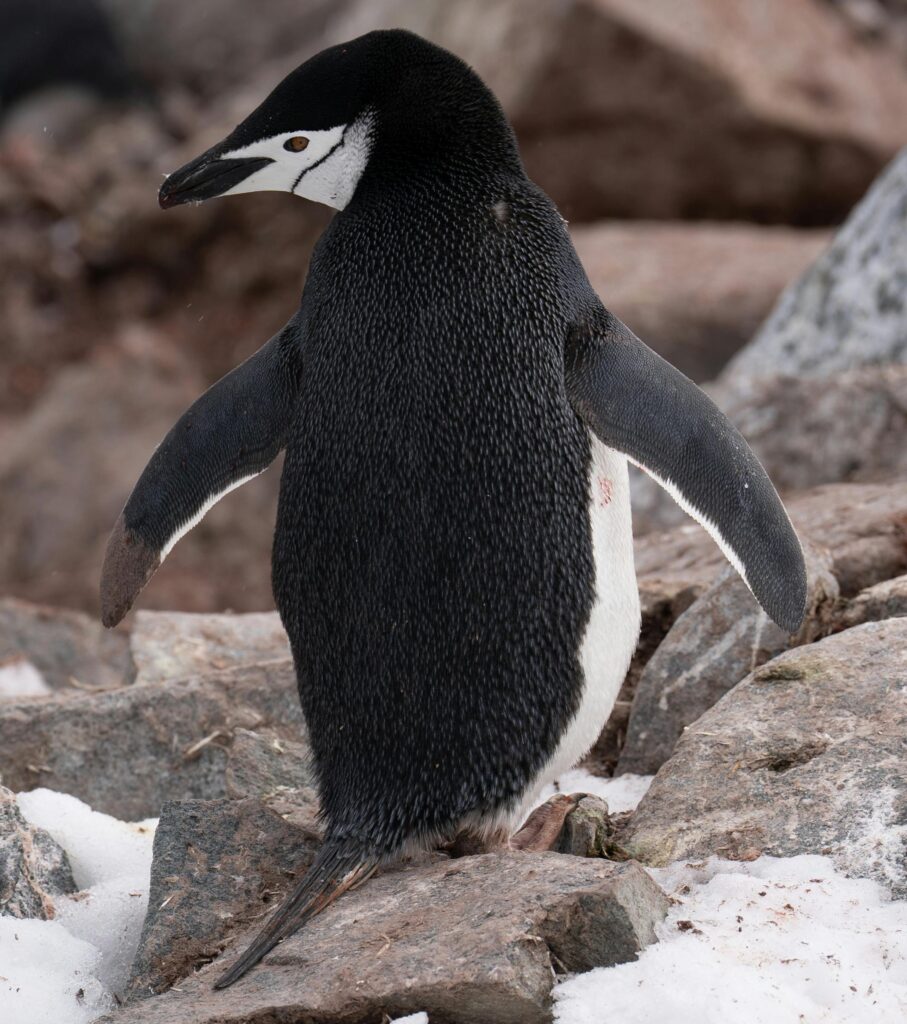
ヒゲペンギンはほとんどの時間を浅い海で過ごしております。顔は白いが目は黒く、さらに目の後ろから喉を通る黒い帯模様があるのが特徴でこれがヒゲのように見えると言う変わったペンギンです。英名の”Chinstrap”はヘルメットなどのあごひものことを指しています。最深潜水記録は179mでそこそこ深く泳げますが、さらに深く潜れるケースもあります。
1. 体の特徴
- 体長:約68〜76 cm
- 体重:約3.5〜5.5 kg
- 体型:中型でずんぐりした体型
- 羽毛・模様:
- 背中は黒、腹は白
- 頭部から顎にかけて黒い線があり、まるで“ヒゲ”のように見える
- 目の上は白く、顔の表情が特徴的
- くちばしは黒く、尾は短め
2. 行動・動作
- 水中で非常に俊敏で、小魚やクリルを捕食
- 陸上ではヨチヨチ歩きだが、繁殖地では群れで協力して巣作り
- コロニーを形成することが多く、繁殖期には活発に行動
3. 食性
- 主食は小魚、クリル、イカ
- 潜水して餌を捕る
- 海氷や季節によって餌の場所を移動
4. 繁殖・寿命
- 繁殖期は南極の夏(11〜2月)
- 岩場や砂浜に巣を作り、卵は通常2個
- 両親で交代して抱卵・育雛
- 野生での寿命は約10〜15年
5. 性格・行動の特徴
- 群れで協力して生活する社会性が高い
- 水中では俊敏で活発、陸上ではやや警戒心がある
- 繁殖期には巣やヒナを守るため、縄張り意識を示す
性格はどんな感じになるのか?
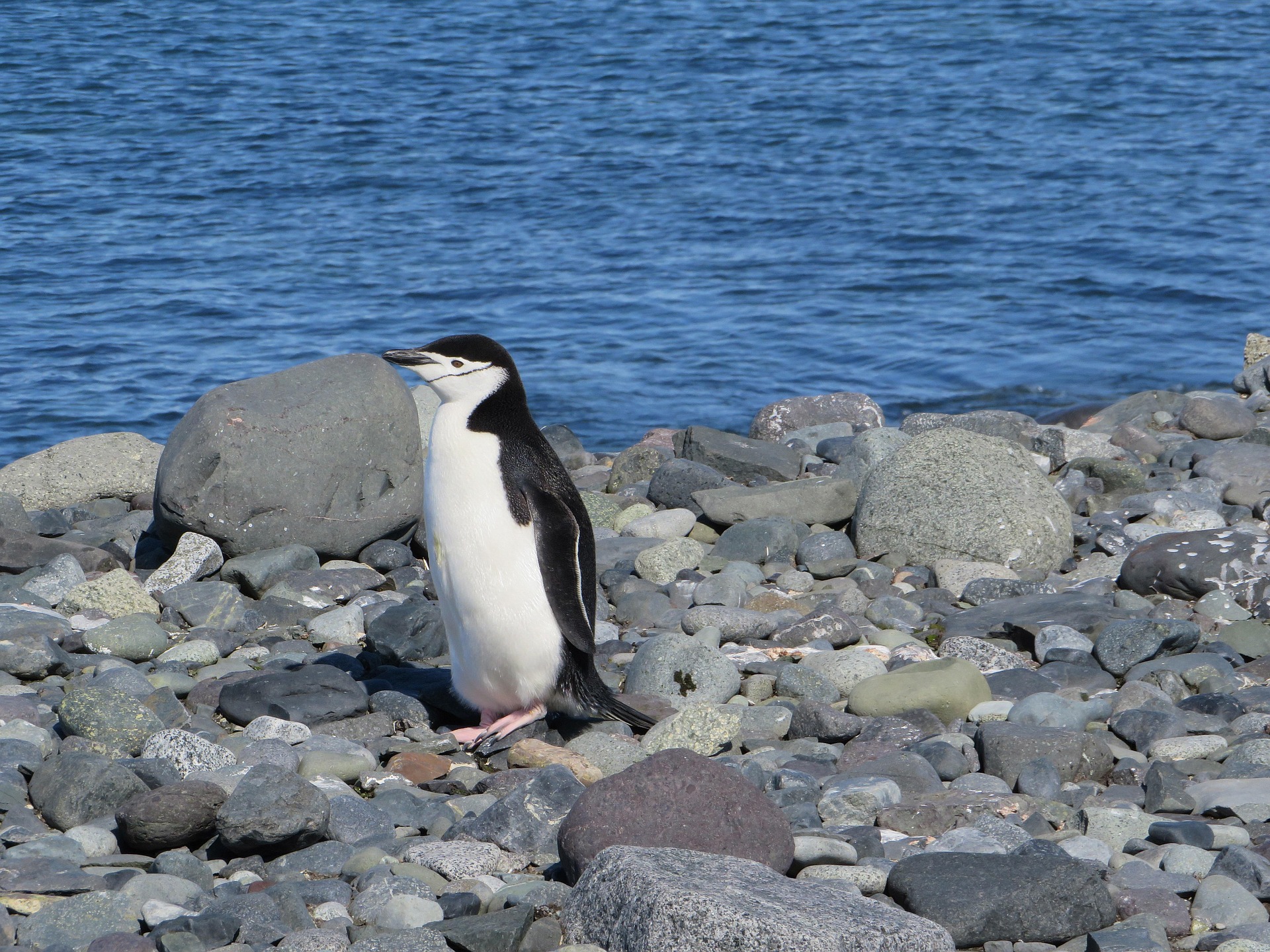
ヒゲペンギンはアデリーペンギン属の中で、もっとも気が荒いです。 縄張りに侵入してくると相手に飛びかかっていく習性がありそれなりに狂暴な一面を持っています。仲間内でもよくケンカをしています。
1. 社会性
- 群れで生活することが多く、協力して餌を探す
- 繁殖期には大規模なコロニーを形成し、数千羽単位で集団生活
2. 警戒心
- 陸上ではやや警戒心が強く、人間や捕食者には慎重
- 水中では俊敏で、危険を察知すると素早く逃げる
3. 活発さ
- 水中では非常に活発で機敏
- 魚やクリルを追いかける姿は遊ぶように見えることもある
- 陸上ではヨチヨチ歩きで、行動は比較的ゆったり
4. 独立性・頑固さ
- 繁殖期には巣やヒナを守るため、縄張り意識が強い
- 繁殖期以外では協調的で群れに従うことが多い
5. 人間から見た印象
- 陸上では可愛らしいヨチヨチ歩き
- 水中では俊敏で活発
- 性格は好奇心旺盛で、用心深さも併せ持つ
ヒゲペンギンの生態は?
ヒゲペンギンの餌はオキアミが大きな割合を占めており魚が大好物。繁殖は夏ごろに始まります。岩場に小石を円形に積み上げて巣を作り卵を産みます。5日から10日おきにオスとメスが交代しながら抱卵し産卵から約35日後に孵化。ヒナは約1ヶ月ほど巣にとどまり親鳥から給餌を受け独立していきます。ヒナはヒナ同士の集団「クレイシュ」を形成します。寿命は10‐20年くらいと言われています。
1. 生息環境
- 場所:南極半島沿岸、南シェトランド諸島、南サンドウィッチ諸島などの亜南極地域
- 環境条件:
- 岩礁や砂浜に巣を作る
- 海岸近くで餌を取りやすい環境を選ぶ
- 繁殖期には大規模なコロニーを形成
2. 食性
- 主食:クリル、小魚、イカ
- 捕食方法:海中で潜水して餌を捕る
- 餌の量や種類は季節、海氷の状況、海流の影響を受ける
3. 繁殖
- 繁殖期は南極の夏(11〜2月)
- 岩場や砂浜に巣を作り、卵は通常2個
- 両親で交代して抱卵・育雛
- ヒナは数週間で巣立ち、親から泳ぎ方や餌の取り方を学ぶ
4. 行動
- 群れで生活し、協力して餌を探す
- 陸上ではヨチヨチ歩き、水中では俊敏に泳ぐ
- 繁殖期には巣やヒナを守るため、縄張り意識を示す
5. 寿命
- 野生で約 10〜15年
- 餌の量や天敵、気象条件によって生存率が変動
ヒゲペンギンの天敵は?
ヒゲペンギンはヒョウアザラシ、卵や雛の捕食者としてオオトウゾクカモメが挙げられます。陸にも海にも天敵がいます。
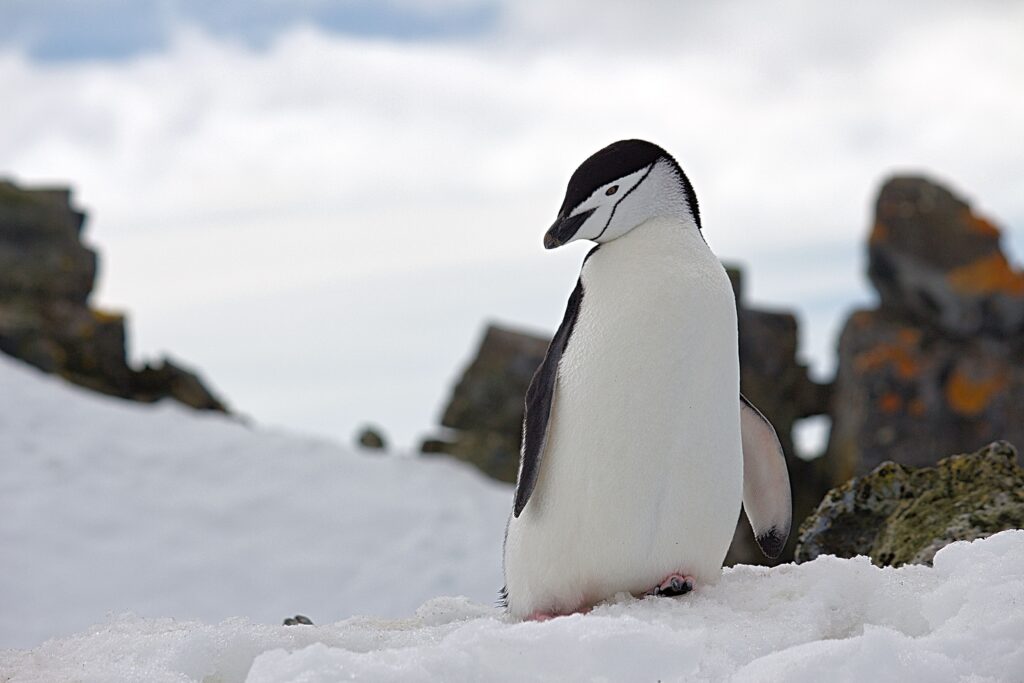
ヒゲペンギンの換羽
ヒゲペンギン(ヒゲペンギン)の換羽は、ジェンツーペンギンと同じ「一斉換羽タイプ」ですが、より厳しい環境(氷縁・強風地帯)で行われるため負担が大きいのが特徴です。
■ ヒゲペンギンの換羽とは
ヒゲペンギンは年1回、全身の羽を一気に生え替える
「完全一斉換羽(catastrophic molt)」
を行います。
つまり:
- 古い羽が一気に抜ける
- 新しい羽が同時に生える
- その間は完全に“飛べない・泳げない状態”
■ いつ起こる?
主に:
- 南半球の夏の終わり〜秋(おおよそ2〜3月)
繁殖が終わった直後に始まります。
■ 換羽中の生活(かなり過酷)
換羽中のヒゲペンギンは:
● ① 海に入れない
- 羽の防水性が完全に失われる
- 海に入ると低体温で危険
● ② 絶食状態
- 餌を取れない(潜水できない)
- 事前に脂肪を蓄えて耐える
- 約2〜4週間ほぼ断食
● ③ 岩場で密集して待機
- 風を避けるため集団で固まる
- ほぼ動かずエネルギー節約
ヒゲペンギンの潜水
ヒゲペンギン(ヒゲペンギン)の潜水は、ペンギンの中では「中程度の深さ・高頻度型」で、浅〜中層を素早く何度も潜って餌を追うスタイルです。
■ 潜水の基本スペック
- 潜水深度:平均 30〜70m前後
- 最大潜水深度:約 100〜200m程度(個体・状況による)
- 潜水時間:約 1〜2分(長くても3分程度)
- 泳ぐ速度:約 6〜9 km/h
「深く長く」より「短く何度も」が得意
■ 潜水スタイルの特徴
● ① 超高速で追いかける
- 主な獲物はオキアミや小魚
- 群れを追い詰めて捕食
● ② 短時間で何度も潜る
- 潜る → 捕る → 浮上 → すぐ再潜水
- 休まず繰り返すスタイル
● ③ 氷縁(水の境目)を利用
- 流氷の周辺で獲物が集中
- そこを効率的に回遊
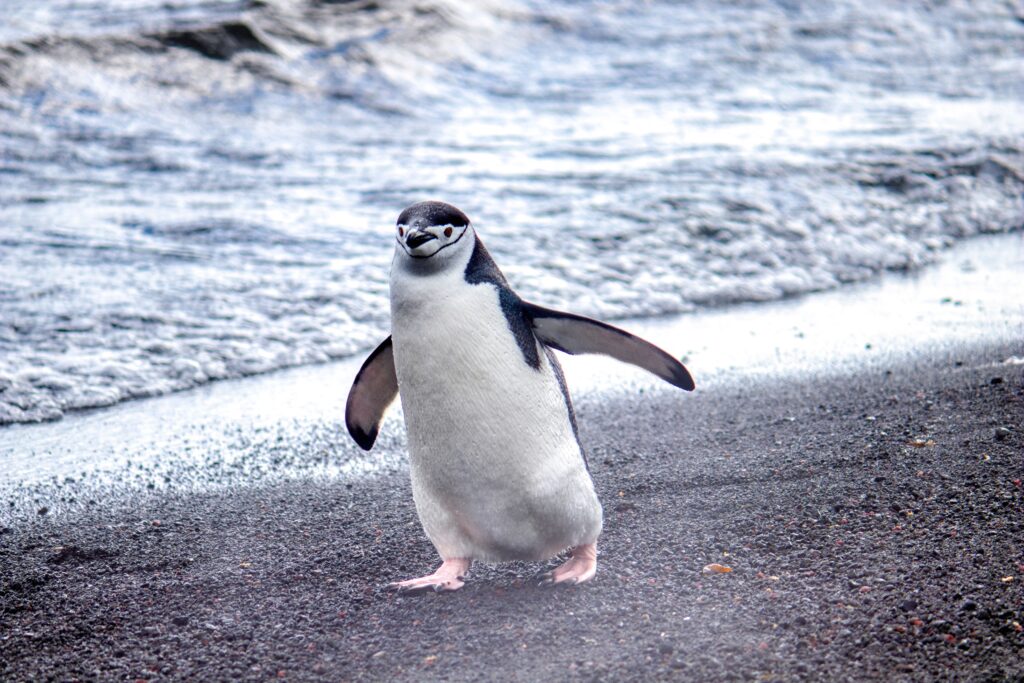
ヒゲペンギンの鳴き声
ヒゲペンギン(ヒゲペンギン)の鳴き声は、ペンギンの中でもかなり「鋭くて騒がしいタイプ」で、群れ全体が常にガヤガヤ鳴いているような環境音になります。
■ 鳴き声の特徴
ヒゲペンギンの声は一言でいうと:
「キーキー・ギャーギャー・クワッ!」系の高くて荒い声
よく例えられるのは:
- カモメの叫び声
- 金属がきしむような音
- 小型の警報音
■ どんな時に鳴く?
① 繁殖地での呼び合い(最重要)
- パートナーの識別
- 巣の位置確認
- 個体ごとに声が違う
見た目は似ていても「声で誰か分かる」
② コロニー内コミュニケーション
- 数万羽規模で密集
- 常に鳴き声が飛び交う
ほぼ「南極の騒音市場」
③ 威嚇・縄張り争い
- 近づくと激しく鳴く
- 体を伸ばしてアピール
- ついでにくちばしで突くこともある
④ 親子の識別
- ヒナが親を呼ぶ
- 親もヒナを声で探す
似た声でもちゃんと聞き分け可能
ヒゲペンギンの季節別の活動
ヒゲペンギン(ヒゲペンギン)の季節別の活動は、南極の「短い夏に繁殖・子育てを集中し、それ以外は海で分散生活」というはっきりしたサイクルです。特に氷縁(海氷の境目)との関係が強いのが特徴です。
■ 春(10〜11月)|繁殖準備と帰還
南半球の春、氷が後退し始める時期です。
主な活動
- 繁殖地(岩場)に戻る
- ペア形成・再会
- 巣作り(小石を集める)
- 縄張り争いが激化
ポイント
- ヒゲペンギンは岩場の密集コロニー型
- 良い巣は「資源」になる
■ 夏(12〜2月)|繁殖・子育てピーク
一年で最も忙しい時期です。
主な活動
- 産卵・抱卵
- ヒナの孵化と育成
- 親が交代で海に行き餌を運ぶ
海での行動
- オキアミを大量捕食
- 高頻度の潜水と帰巣
- 1日に何度も往復
コロニーは常に大騒ぎ状態
■ 夏の終わり(2〜3月)|換羽シーズン
繁殖終了後すぐに換羽に入ります。
主な活動
- 全身の羽が一斉に生え替わる
- 陸上でじっと待機(泳げない)
- 約2〜4週間の絶食
特徴
- 海に入れないため完全陸上生活
- 密集して風を避ける
- 体力消耗が激しい
■ 秋〜冬(3〜9月)|海洋分散期
換羽後はコロニーを離れます。
主な活動
- 広い海域へ分散
- 単独または小規模群で生活
- オキアミを追って移動
特徴
- 繁殖地には基本戻らない
- 氷縁の位置に大きく影響される
- 比較的静かな時期
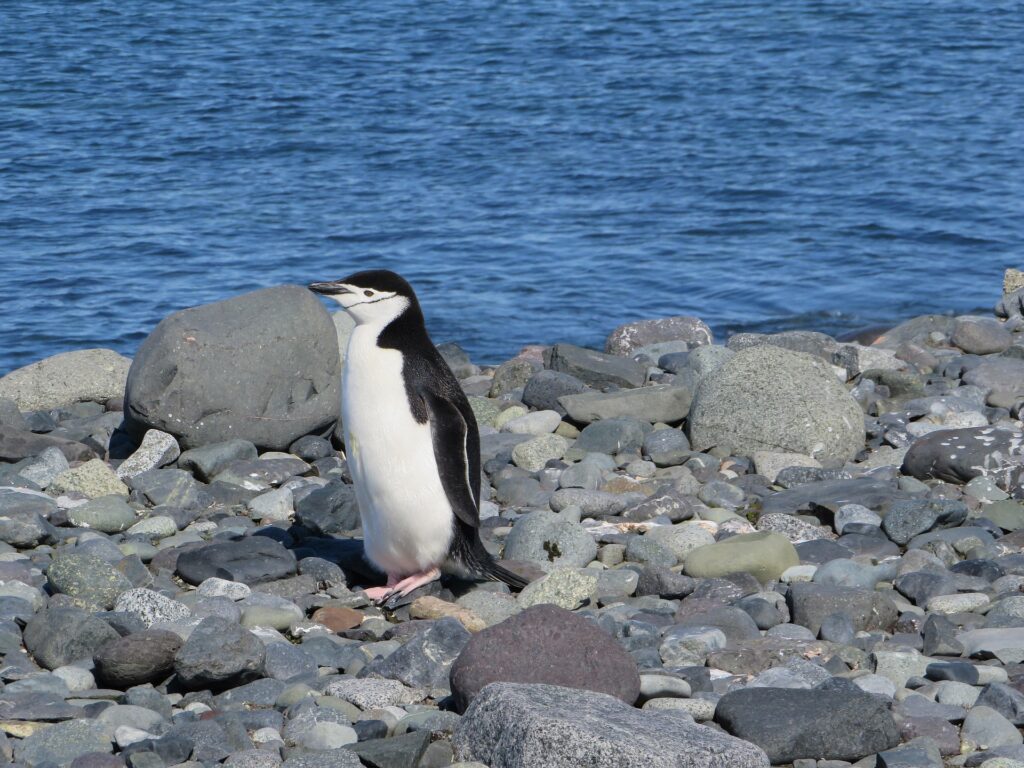
ヒゲペンギンのヒナについて
ヒゲペンギン(Pygoscelis antarcticus)のヒナについて整理します。
1. 卵から孵化まで
- 産卵数:通常2個
- 巣:岩礁や砂浜に石を積んだ巣を作る
- 抱卵期間:約 35日 前後
- 両親が交代で卵を温める
2. ヒナの特徴
- 体毛:柔らかい灰色や淡い茶色の羽毛
- 体重:孵化時は約 120〜150g
- 色:天敵から身を守るため、地味な色合い
3. 成長と巣立ち
- 巣立ちまで:約 7〜9週間
- 親から泳ぎ方や餌の取り方を学ぶ
- 巣立ち後は群れと一緒に海に出て、自立して餌を捕る
4. 生存率の課題
- 天敵(海鳥、アザラシ、スカベンジャーなど)に狙われやすい
- 餌の量や天候、氷の状態によって生存率が変動
- ヒナ期が最も危険で、親の保護が不可欠
ヒゲペンギンは絶滅危惧種なの?
ヒゲペンギンは現在のところは絶滅危惧種ではありません。全体的には減少していると考えられていますが、多くの場所では増加または安定しています。ヒゲペンギンは主に気候変動によって脅かされています。 気候変動によりオキアミの資源量が減少しており、危険なコロニーがいくつかあるようです。
1. 現状
- 国際自然保護連合 (IUCN) レッドリスト:Least Concern(低危険/LC)
- 世界の個体数は 約790万羽 と推定され、比較的安定
- 南極半島や亜南極の島々に広く分布
2. 主な脅威
- 気候変動
- 海氷の減少や水温上昇により餌資源が変動する可能性
- 漁業による餌資源の減少
- 小魚やクリルの漁業が影響する可能性
- 天敵や外来種
- ヒナは海鳥や海洋哺乳類の天敵に狙われやすい
- 人間活動
- 観光や研究拠点の影響も限定的に存在
3. 保護活動
- 繁殖地や海域の保護
- 漁業管理や観光制限
- 環境監視や個体数調査
ヒゲペンギンの飼育は可能なのか?
ヒゲペンギンは南極大陸に住んでいることから、非常に飼育が困難です。なぜなら南極大陸の環境を再現しなければならず、この時点で諦める方は多いです。とても多くのコストがかかることでしょう。
1. 飼育の現状
- 世界の一部の動物園や水族館で飼育・繁殖の実績あり
- 南極・亜南極の環境に適応しているため、自然環境に近い条件を再現する必要がある
- 繁殖も可能だが、自然環境と同様の管理が求められる
2. 飼育上の課題
- 水温・気温管理
- 冷たい海水に適応しているため、水槽や陸上環境で低温を維持する必要
- 餌の管理
- 小魚(アンチョビ、イワシなど)やクリルを中心に、栄養バランスを整える
- 繁殖の難しさ
- 岩礁や砂浜に似た環境を人工的に再現する必要がある
- 野生個体保護
- 国際規制(CITESなど)があり、捕獲や移動は厳しく制限される
3. 結論
- 一般家庭での飼育は不可能
- 専門施設でも、低温管理・餌管理・繁殖環境の再現など高度な管理が必要
- 野生個体の保護や生息地の維持が最も重要

飼育されている動物園(日本・世界)
ヒゲペンギン(ヒゲペンギン)は、日本と世界の一部の水族館・動物園で飼育されていますが、野生ほど多くはなく「やや限られた展示種」です。
● 北海道
- 旭山動物園(旭川)
- おたる水族館
- 登別マリンパークニクス
北海道は寒冷環境で飼育に適しており定番
● 東北
- 仙台うみの杜水族館
- 男鹿水族館GAO(秋田)
● 関東
- 鴨川シーワールド(千葉)
- 八景島シーパラダイス(神奈川)
- アクアパーク品川(東京)
● 中部・東海
- 名古屋港水族館(愛知)
- のんほいパーク(豊橋)
- 越前松島水族館(福井)
● 関西
- 海遊館(大阪)
- 京都水族館(京都)
- アドベンチャーワールド(和歌山)
● 九州・中国・四国
- 長崎ペンギン水族館(長崎)
- しまね海洋館アクアス(島根)
- のいち動物公園(高知)
特に「長崎ペンギン水族館」はペンギン種類が非常に豊富
■ 世界での飼育
ヒゲペンギンは南極系ペンギンのため、海外でも「寒冷系施設」が中心です。
● 主な地域
- アメリカ(モントレーベイ水族館など)
- イギリス(ロンドン動物園など)
- ドイツ(ベルリン動物園など)
- オーストラリア(シドニー水族館など)
- ニュージーランド(南極テーマ施設)

同じ仲間

コメント