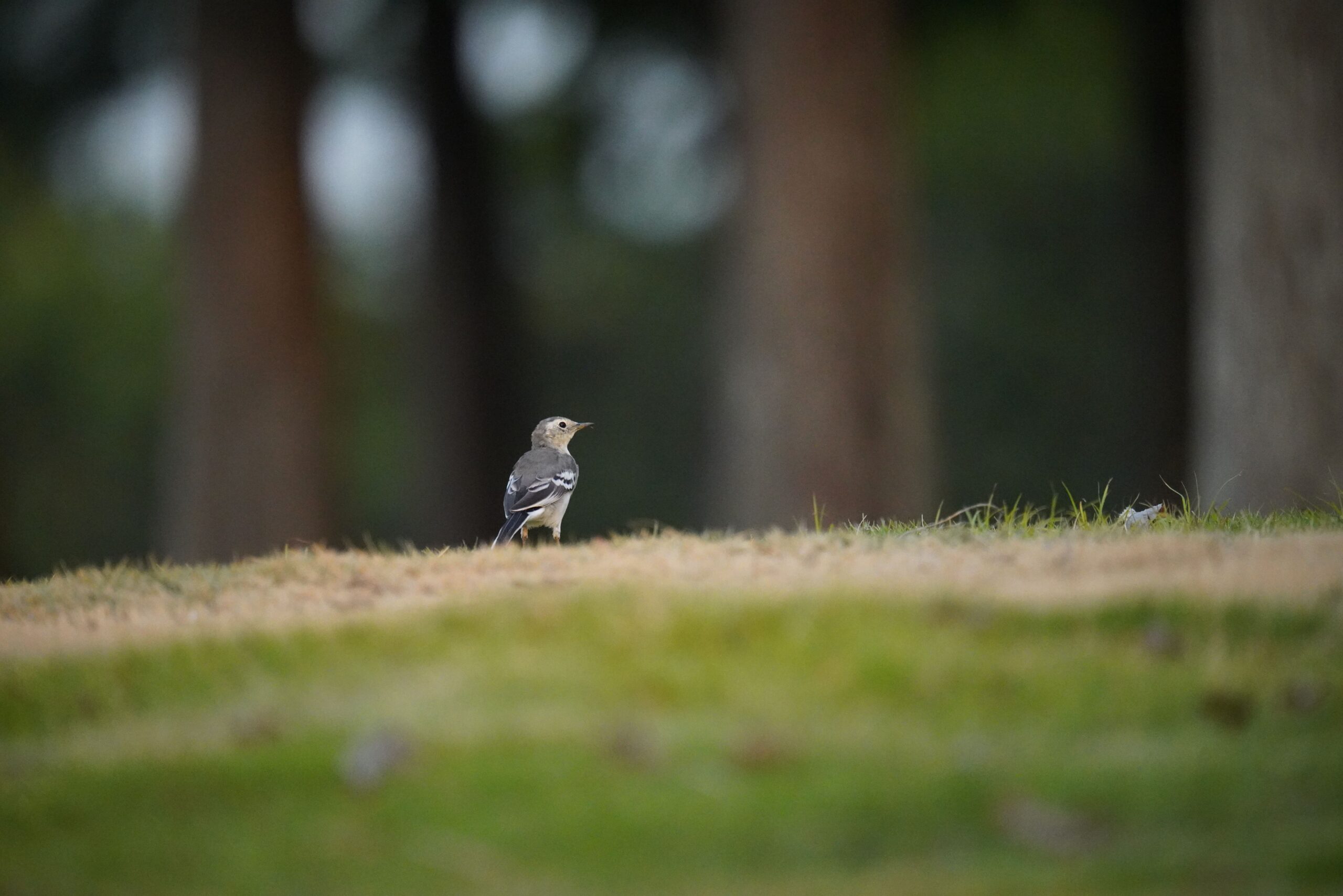
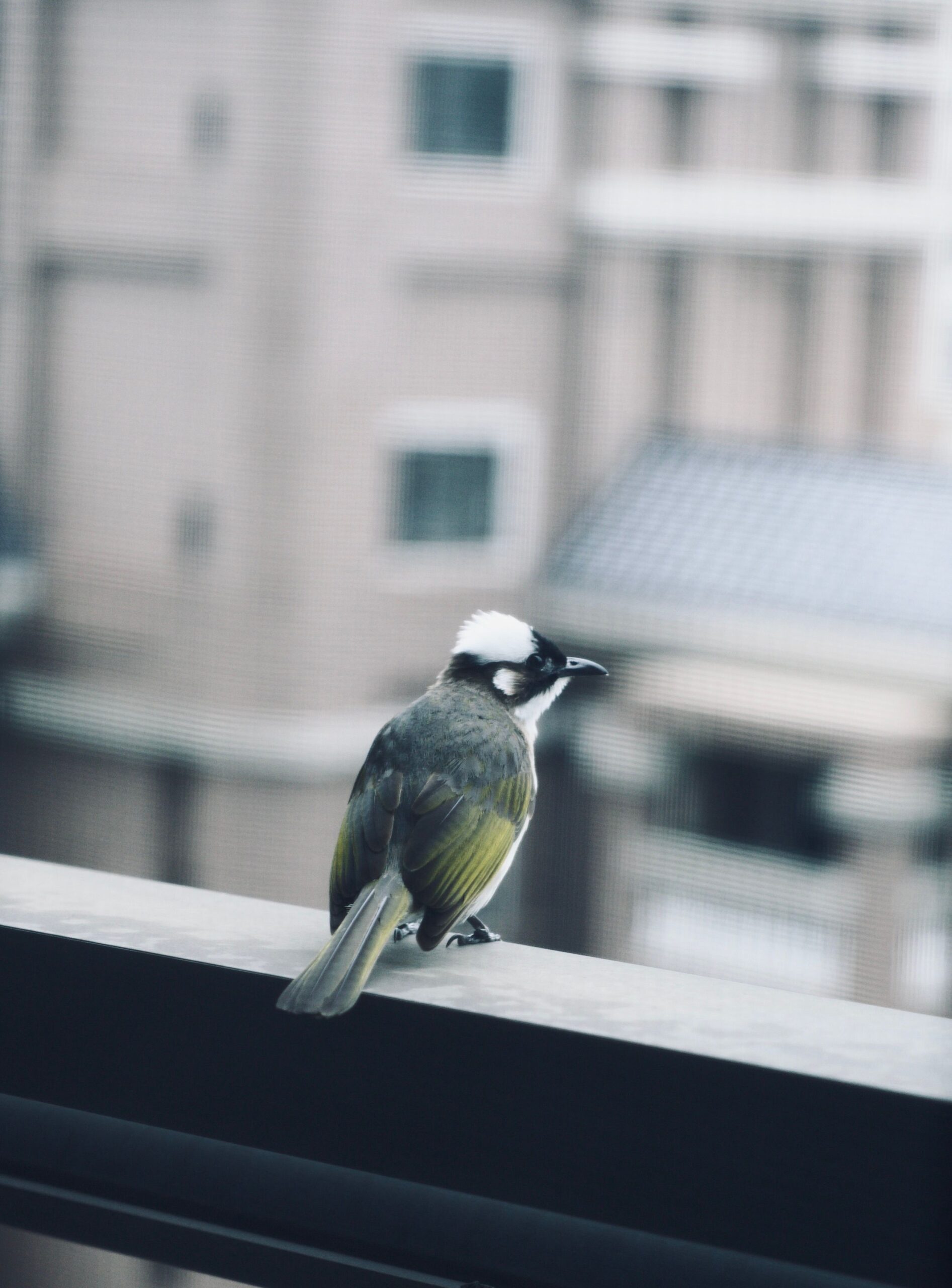
シロガシラはどんな鳥?特徴、生態、生息地について解説します。ヒヨドリより小さいサイズでとても可愛い鳥です。頭がとても白いことからこの名前となっております。この鳥は主に日本で見ることができ、沖縄のあちこちで観察することが可能です。


シロガシラとは? 基本ステータスについて
シロガシラは、ヒヨドリ科に分類される鳥類。全長はわずか19cmしかなくとても可愛い鳥になります。学名はPycnonotus sinensisで台湾では白頭鵠と呼ばれています。情報を一覧で紹介します。
| Japanese(和名) | シロガシラ |
| English(英名) | Light-vented Bulbul |
| scientific name(学名) | Pycnonotus sinensis |
| classification(分類) | Ave、 Passeriformes、Pycnonotidae、Pycnonotus 鳥綱、スズメ目、ヒヨドリ科、シロガシラ属 |
| IUCN Status(保全状況) | LEAST CONCERN |
| Length(全長) | 19cm |
| Weight(体重) | 0.5kg |
シロガシラのルーツ、起源は?
シロガシラ(白頭)のルーツは、東アジア南部の大陸部、特に中国南部を中心とするヒヨドリ科(Pycnonotidae)の鳥です。
1. 起源:祖先は「熱帯〜亜熱帯のヒヨドリ類」
シロガシラが属する**ヒヨドリ科(Pycnonotidae)**は、主にアフリカからアジアの熱帯・亜熱帯に分布する小型〜中型の森林性鳥類です。
進化の流れはおおまかに:
古いヒヨドリ類の祖先
↓
東南アジア・中国南部へ進出
↓
森林・農耕地周辺に適応
↓
現在のシロガシラ(Pycnonotus sinensis)へ分化
という流れです。
ヒヨドリ科そのものは、熱帯アジアの森林環境で多様化したグループで、シロガシラはその中でも比較的新しく東アジア環境に適応した種類と考えられています。
2. いつ頃、現在のシロガシラになったのか?
正確な化石記録は少ないですが、遺伝研究では、シロガシラの仲間は比較的最近の地質時代に地域ごとに分化した鳥とされています。
現在確認されている主な系統:
- 中国大陸系
- Pycnonotus sinensis
- 海南島系
- Pycnonotus sinensis hainanus
- 台湾系
- Pycnonotus sinensis formosae
- 八重山系
- Pycnonotus sinensis orii
などの地域型があります。
特に台湾や海南島の個体群は、海によって隔離されたことで独自の特徴を持つようになりました。これは島嶼化(とうしょか)という進化現象です。
3. なぜ頭が白いのか?
特徴的な白い頭部は、進化上では以下の可能性があります。
① 仲間同士の認識
森林や藪の中で、顔や頭部の模様は仲間を識別する目印になります。
② 繁殖相手へのアピール
鳥類では、顔・頭部の模様が異性選択に関係することがあります。
③ 種としての特徴固定
長期間の遺伝的変化によって「白い頭」がシロガシラという種の特徴として定着しました。
シロガシラの分類学(Taxonomy of the Japanese White-headed Starling)
| 分類階層 | 名称 |
|---|---|
| 界 (Kingdom) | Animalia(動物界) |
| 門 (Phylum) | Chordata(脊索動物門) |
| 綱 (Class) | Aves(鳥綱) |
| 目 (Order) | Passeriformes(スズメ目) |
| 科 (Family) | Sturnidae(ムクドリ科) |
| 属 (Genus) | Sturnus(ムクドリ属) |
| 種 (Species) | Sturnus sinensis(シロガシラ) |
生息地について
シロガシラは日本の沖縄を筆頭に、台湾でも見ることができます。
1. 世界的な分布
- 東アジアを中心に生息
- 中国、台湾、朝鮮半島南部
- 日本では南西諸島(沖縄諸島など)に定着
- 一部が南東アジアまで渡ることもある
2. 日本国内での分布
- 主な生息地:沖縄本島、奄美群島、八重山諸島など南西諸島
- 本州や北海道ではほとんど見られず、温暖な南方に限定される
- 都市部や農地でも適応して生息
- 電線や街路樹、庭園や公園などにも現れる
3. 生息環境の特徴
- 都市や住宅地:人の生活圏に順応
- 農耕地・果樹園:昆虫や果実を餌とするため利用
- 森林縁・樹林帯:繁殖期には木の洞や樹上で営巣
- 群れで生活:冬季は数十羽単位の小群れで行動
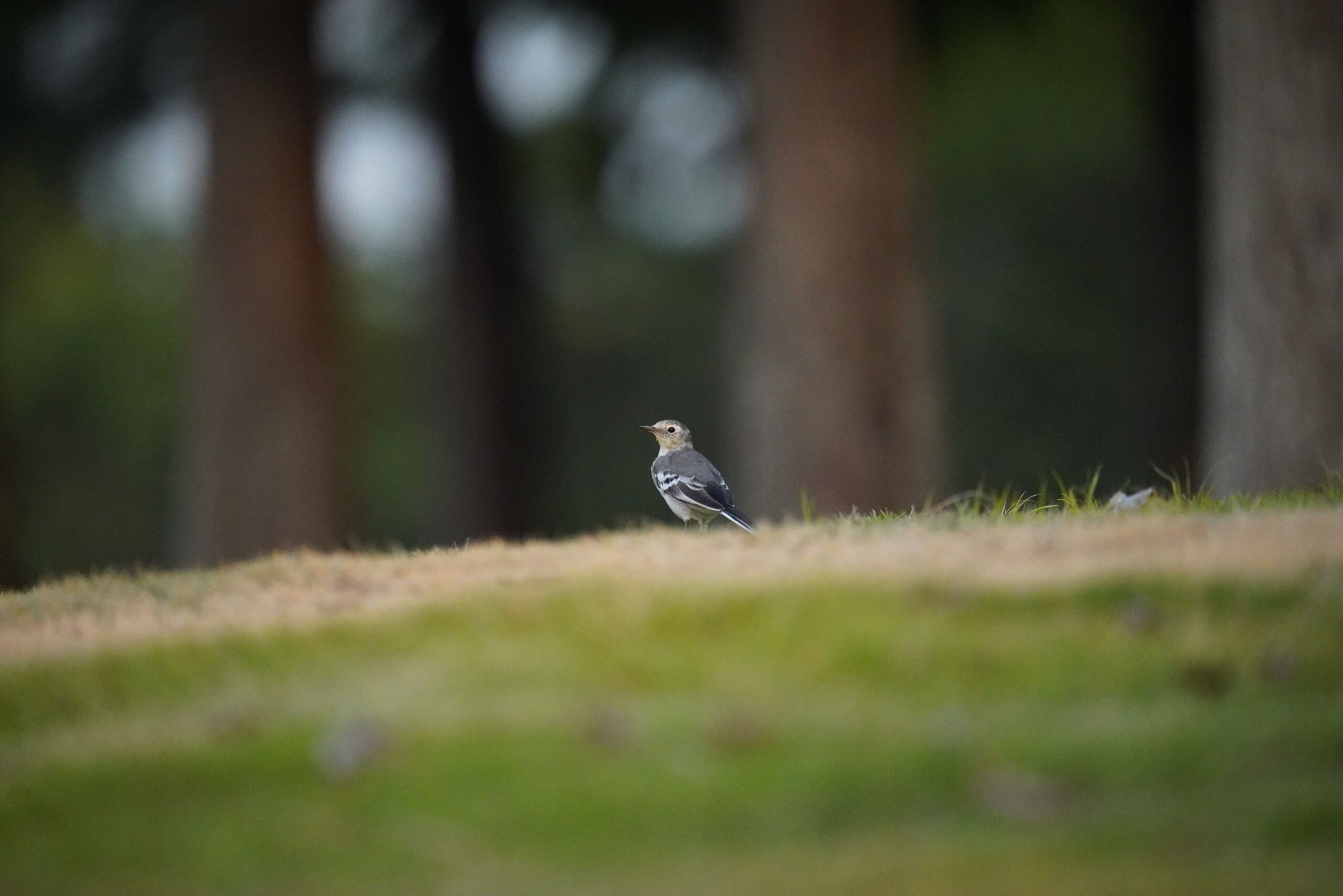
特徴は?どんな感じの生物なのか?
シロガシラは頭頂部が白いことよりこの名前となりました。ヒヨドリの近縁でツグミ類にも似た美しい鳴き声をすることが大きな特徴です。背面は濃いオリーブ色で、下面が白色。薮や木の上、電線、林の周辺や緑地を好んで生息している鳥になります。留鳥です。
1. 外見(見た目)の特徴
体型・サイズ
- 体長:約23cm(中型のムクドリ類)
- 体型:スズメよりやや大きく、がっしりした体型
羽色
- 頭部:白っぽく、名前の通り「白頭」が特徴
- 背中・翼:灰褐色〜濃い茶色
- 腹部:淡い灰色
- 尾:やや短く丸みがある
頭部・嘴・目
- 嘴:黒色でやや太め
- 目:暗色
- 全体的に地味めの配色だが、白い頭部が目立つ
2. 生態・行動
食性
- 雑食性
- 昆虫(成虫・幼虫)、クモ、ミミズ
- 果実、種子、米や果物も食べる
- 採餌方法:
- 地面でついばむ
- 樹上で果実や昆虫を捕食
行動・習性
- 群れで生活することが多い
- 冬季は数十羽規模の小群れを形成
- 飛翔:
- 軽快で速く、群れで連携して飛ぶ
- 鳴き声:
- ムクドリに似た鳴き声で、声のバリエーションはやや少なめ
繁殖
- 木の洞や建物の隙間に巣を作る
- 巣材は草や羽毛を使用
- 卵数は1回で4〜6個ほど
社会性
- 非常に社会的で、群れで安全を確保しながら行動
- 都市や農地など人の生活圏にも適応
3. 生活の特徴
- 繁殖期:春〜初夏、木の洞や建物で営巣
- 冬季:群れを作って農地や都市、公園で活動
- 適応力:温暖な環境や都市化環境でも生活可能
生態はどんな感じなのか?
シロガシラは昆虫、果実を食べて生活をしています。繁殖形態は卵生。毎年、3月から9月ごろにかけて1回に3~4の卵を産みます。シロガシラの寿命は10年程度と言われています。
1. 食性・採餌行動
- 雑食性の鳥
- 昆虫(成虫・幼虫)、クモ、ミミズなどの小動物
- 果実、種子、米、野菜なども食べる
- 採餌方法
- 地面でついばむ
- 樹上で果実や昆虫を捕ることもある
- 群れでの採餌
- 冬季は数十羽規模の群れで行動し、効率よく餌を探す
2. 繁殖
- 繁殖期:春〜初夏(4〜7月頃)
- 巣作り
- 木の洞や建物の隙間、巣箱などに営巣
- 巣材は草や羽毛を使用
- 卵・抱卵
- 卵数:1回の繁殖で4〜6個程度
- 孵化期間:約12〜14日(メスが抱卵)
- ヒナの育成
- 親鳥が巣立ちまで餌を運ぶ
- 生後2週間程度で巣立ちし、徐々に飛ぶ練習を始める
3. 群れ・社会性
- 冬季は小〜中規模の群れを作る(数十羽程度)
- 群れで採餌や休息を行い、安全を確保
- 都市部や農地など、人の生活圏にもよく適応する
4. 移動・渡り
- シロガシラは留鳥または部分的渡り
- 南西諸島ではほぼ留鳥
- 北限や一部地域では季節によって移動することもある
- 群れで連携して飛ぶことが多い
5. 生息環境の適応
- 都市や住宅地:街路樹、電線、庭園など
- 農耕地・果樹園:昆虫や果実を餌に利用
- 森林縁・樹林帯:繁殖期に巣作りに利用
- 柔軟な環境適応力があり、人間の生活圏でも生活可能
天敵はいるのか?
シロガシラはとても小型の小さな鳥ですので、大型の鳥が天敵に当たります。
換羽について
シロガシラ(白頭、Pycnonotus sinensis)の換羽(かんう)は、古い羽毛を新しい羽毛へ入れ替える重要な生理現象です。飛翔能力や体温調節、繁殖能力を維持するために毎年行われます。
1. 換羽の時期
シロガシラの換羽は主に:
夏の終わり〜秋(8〜11月頃)
に行われることが多いです。
流れとしては:
繁殖期(春〜初夏)
↓
子育て終了
↓
体力回復
↓
全身換羽(夏〜秋)
↓
冬羽で越冬
というサイクルになります。
日本の沖縄など温暖な地域では、気候の影響で換羽時期がやや長くなることがあります。
2. どの羽を交換するのか?
シロガシラは「全身換羽」を行います。
交換される主な羽:
① 風切羽(かざきりばね)
翼の主要な羽。
- 飛ぶ力を生む
- 摩耗しやすい
- 数週間〜数か月かけて順番に抜け替わる
一度に大量に抜けると飛べなくなるため、左右の翼でバランスを取りながら進みます。
② 尾羽
尾羽は:
- 飛行中の方向制御
- 着地時のブレーキ
に使われます。
古い尾羽から新しい羽へ交換され、換羽中は尾が短く見える個体もいます。
③ 体羽
胸・背中・腹の羽も交換されます。
新しい羽は:
- 油分が多い
- 色が鮮明
- 保温性が高い
特徴があります。
鳴き声について
シロガシラ(白頭、Pycnonotus sinensis)の鳴き声は、この鳥を識別する最大の特徴の一つです。見た目だけでなく、複雑な節回しを持つ「歌う鳥」として知られています。
1. 基本的な鳴き声
シロガシラの代表的な声は、
「ピーヨ、ピーヨ」
「ピリリ、ピリリ」
「チュイチュイ、ピィーヨ」
のように聞こえる、高く明るい声です。
日本で近縁のヒヨドリが「ヒーヨ、ヒーヨ」と鋭く鳴くのに対し、シロガシラはより軽快で笛のような音色を持っています。
2. 鳴き声の種類
シロガシラは状況によって声を使い分けます。
① さえずり(歌)
主に:
- 春〜夏の繁殖期
- オスの縄張り主張
- メスへのアピール
で使います。
特徴:
- 長いフレーズ
- 音の種類が多い
- 個体差がある
同じ地域の個体でも「方言」のような違いが出ることがあります。
② 近距離コミュニケーション
群れやつがいでは:
「チッ」
「ピッ」
「ククッ」
のような短い声を使います。
目的:
- 仲間の位置確認
- 移動の合図
- 警戒
です。
③ 警戒声
天敵や危険を感じると:
- 短く強い声
- 繰り返し鳴く
- 仲間を集める
行動をします。
対象になるのは:
- 猛禽類
- ヘビ
- 猫
- 人間
などです。
3. なぜよく鳴くのか?
シロガシラが頻繁に鳴く理由は、生活スタイルにあります。
樹上性+群れ生活
森林の奥深くではなく、
- 林縁
- 果樹園
- 公園
- 住宅地
など開けた場所で生活します。
そのため声によるコミュニケーションが重要になります。
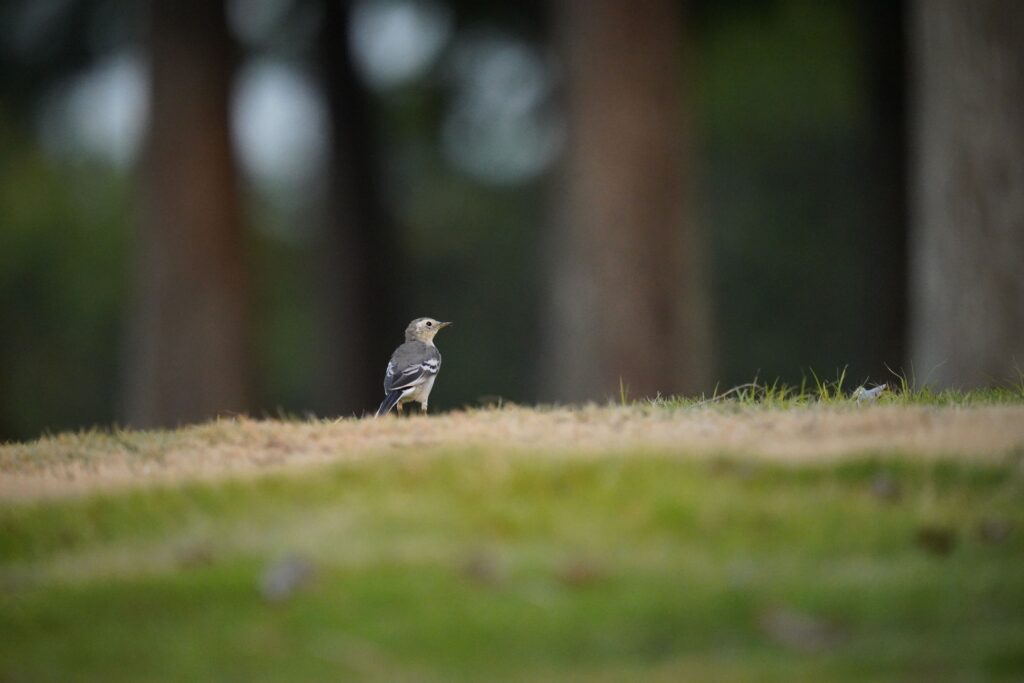
季節別の活動
シロガシラ(白頭、Pycnonotus sinensis)の一年の活動は、温暖な東アジアの気候に適応しており、繁殖・子育て・換羽・越冬準備というサイクルで変化します。
🌸 春(3〜5月)― 繁殖と縄張りの季節
春はシロガシラが最も活発になる時期です。
主な活動
- オスが盛んにさえずる
- 縄張りを作る
- つがい形成
- 巣作り開始
鳴き声
朝早くから:
- 長いさえずり
- 複雑な節回し
- 繰り返しの歌
が増えます。
オスは高い枝に止まり、自分の存在を周囲へ知らせます。
食べ物
繁殖期には栄養需要が増えるため:
- 昆虫
- 幼虫
- クモ
- 新芽
- 果実
を多く食べます。
特にヒナへ与えるため、タンパク質の多い昆虫を集めます。
☀️ 夏(6〜8月)― 子育てと幼鳥の成長
夏はシロガシラの生活で最も忙しい時期です。
巣作り・産卵
巣は主に:
- 低木
- 茂み
- 果樹
- 生垣
などに作ります。
材料:
- 枯れ草
- 細い枝
- 植物繊維
などを利用します。
子育て
親鳥は頻繁に餌を運びます。
ヒナへの餌:
- 昆虫
- 小さな節足動物
- 柔らかい果実
など。
この時期は警戒心が強くなり、人や動物が巣に近づくと警戒声を出します。
幼鳥の独立
夏後半になると:
- 若鳥が飛行練習
- 親から餌の取り方を学ぶ
- 小さな群れを作る
ようになります。
🍂 秋(9〜11月)― 換羽と食料確保
秋は大きな体の変化が起こる時期です。
換羽
繁殖が終わると:
- 古い羽が抜ける
- 新しい羽が生える
- 全身の羽毛を更新
します。
この時期は飛び方が少し不安定になる個体もいます。
食生活の変化
昆虫が減るため:
- 木の実
- 果実
- 種子
- 熟した農作物
への依存が増えます。
シロガシラは果実食への適応力が高く、秋冬の食料不足を乗り越えます。
❄️ 冬(12〜2月)― 群れ生活とエネルギー節約
冬は繁殖活動が止まり、比較的静かな時期です。
行動
- 小さな群れで行動
- 餌場を共有
- 安全な場所で休む
ことが増えます。
食べ物
冬は:
- 木の実
- 果実
- 花蜜
- 残った昆虫
などを利用します。
暖かい地域では一年中活動量が高く、冬眠のような休眠はしません
飛行速度について
シロガシラ(白頭、Pycnonotus sinensis)の飛行速度は、ハヤブサのような高速飛翔型ではなく、森林や藪の中を機敏に移動するタイプです。
1. 最高飛行速度
シロガシラの正確な最高速度を測定した研究データは多くありませんが、体格や近縁のヒヨドリ類の飛行能力から推定すると、
通常飛行:約20〜35 km/h程度
短距離の逃避飛行:約40〜50 km/h前後
と考えられます。
(※猛禽類のような急降下速度ではなく、水平飛行時の速度です。)
2. 飛び方の特徴
シロガシラは「羽ばたき飛行」と「滑空」を組み合わせます。
特徴:
- 数回羽ばたく
- 少し翼を閉じて進む
- 再び羽ばたく
という**波状飛行(undulating flight)**を行います。
これは:
- エネルギー消費を抑える
- 木々の間を素早く移動する
- 捕食者から逃げる
ために適しています。
3. 飛行能力の秘密
① 小型だが強い翼
シロガシラは体長約18〜20cmほどですが、体に対して十分な翼を持ちます。
そのため:
- 急な方向転換
- 木の枝への着地
- 短距離ダッシュ
が得意です。
② 林の中に適した飛行
開けた空を長時間飛ぶより、
- 木から木へ移動
- 茂みを抜ける
- 果実を探す
ような飛行に特化しています。
翼の形も:
- 長距離巡航型ではない
- 瞬発力重視
の設計です。
シロガシラのヒナについて
シロガシラ(Sturnus sinensis)のヒナ(幼鳥)の特徴や生態について詳しく整理します。
1. 誕生と巣
- 孵化時期:春〜初夏(繁殖期、4〜7月頃)
- 卵の数:1回の繁殖で4〜6個程度
- 孵化期間:約12〜14日(メスが抱卵)
- 巣:木の洞や建物の隙間、巣箱などに作られる
2. 外見(ヒナの羽毛)
- 羽色:生まれたてはふわふわのダウン
- 灰褐色〜淡い茶色で、まだら模様がある場合も
- 捕食者から身を守る地味な色
- 体型:丸く小さいが、嘴と目はしっかりしており、親鳥からの餌をついばむ能力がある
3. 行動・発達
- 親鳥の世話:孵化後は親鳥が餌を与え、巣の安全を守る
- 採餌練習:生後数日で嘴を使って餌をついばむ練習を始める
- 巣立ち:生後約2週間で巣立ち、初めは低く飛ぶ
- 群れ行動:巣立ち後も兄弟や近隣の若鳥と小群れを作ることがある
4. 成長段階
| 時期 | 特徴 |
|---|---|
| 生後0〜2週間 | 巣で親に守られながらダウンに包まれ、餌をもらう |
| 生後2週間前後 | 巣立ち開始、低空飛行で採餌練習 |
| 生後3〜4週間 | 羽毛が成鳥羽に近づき、飛翔能力が向上 |
| 生後1か月以上 | 独立して群れに参加、採餌・飛翔に十分適応 |
5. 生態上の特徴
- ヒナ期から親の保護を受けつつ採餌能力や飛翔能力を発達させる
- 捕食者からの防御は巣や群れに依存
- 雑食性の習性は親鳥の行動から学ぶ
シロガシラは絶滅危惧種なのか?
シロガシラは絶滅危惧種ではありません。むしろ農作物を荒らす傾向にあり、害獣として駆除されてしまうくらいです。
1. 国際的な状況(IUCN)
- IUCNレッドリスト:Least Concern(LC)=軽度懸念
- 理由:
- 分布範囲が広く、個体数も比較的多い
- 特に大きな減少傾向は報告されていない
2. 日本国内での状況
- 日本では絶滅危惧種には指定されていない
- 主に南西諸島(沖縄・奄美・八重山諸島)に分布しており、個体数は安定
- 局所的に都市開発や森林伐採で生息地が減少することはあるが、全体的な減少はない
3. 保護上の注意
- 捕獲や巣の破壊は禁止されている場合がある(野生動物保護法など)
- 南西諸島での生息地保全は、将来的な個体数維持に重要
シロガシラはペットとして飼育可能?
シロガシラは飼育は難しいでしょう。人間に懐くわけではありません。写真や画像の投稿がネットやコミュニティなどに記録されていますので閲覧してみましょう。
1. 飼育の可否
- シロガシラは野生の鳥であり、基本的にペット用として流通していません。
- 日本国内では、野生個体の捕獲は禁止されている(野生動物保護法)ため、原則として飼育できません。
- 飼育する場合は、繁殖場で生まれた個体や許可を得た個体に限られます。
2. 飼育の難しさ
- 社会性が高く群れで生活する鳥
- 単独飼育ではストレスがかかりやすい
- 食性が雑食で幅広く、餌の管理が必要
- 昆虫、果実、種子などバランスよく与える必要がある
- 飛翔力が高く運動量が多い
- 広いケージや飛び回れる環境が必要
- 鳴き声が多彩で騒がしい
- 都市部の住宅では飼育が難しい
3. 総合評価
- シロガシラはペット向きではない野生鳥
- 飼育には専門知識や設備が必要で、一般家庭での飼育は現実的ではない
- 飼うよりも、野外で観察する方が安全で適している
飼育されている動物園(日本・世界)
シロガシラ(白頭、Pycnonotus sinensis)は、動物園での展示例が非常に少ない鳥です。
理由は、シロガシラが希少種ではなく、中国南部・台湾などで普通に見られる鳥であり、動物園ではより珍しいヒヨドリ科の鳥や熱帯鳥類を優先して展示することが多いためです。分布域は中国南部、海南島、台湾、ベトナム北部などです。
🇯🇵 日本で飼育・観察できる可能性がある施設
沖縄こどもの国(沖縄市)
沖縄ではシロガシラが野外でも生息しており、施設周辺でも観察記録があります。
特徴:
- 沖縄の自然環境を紹介する展示と相性が良い
- 野鳥観察対象として扱われることがある
- 常設展示個体の有無は時期によって変動
🇹🇼 台湾での状況
台湾ではシロガシラは非常に身近な鳥で、動物園よりも自然観察向きの種類です。
台北市立動物園
台湾産鳥類・アジアの鳥類展示が充実しています。
ただし、シロガシラは台湾では普通種のため、必ずしも単独展示されているわけではありません。
台湾では:
- 公園
- 森林
- 農地
- 市街地
で容易に観察できます。シロガシラは農地や都市公園にも適応する鳥です。
他の動物を紹介
コメント